Full Article
about San Sebastián de los Reyes
Large northern city known for its bull runs, the second most important in Spain.
Hide article Read full article
A town founded with purpose
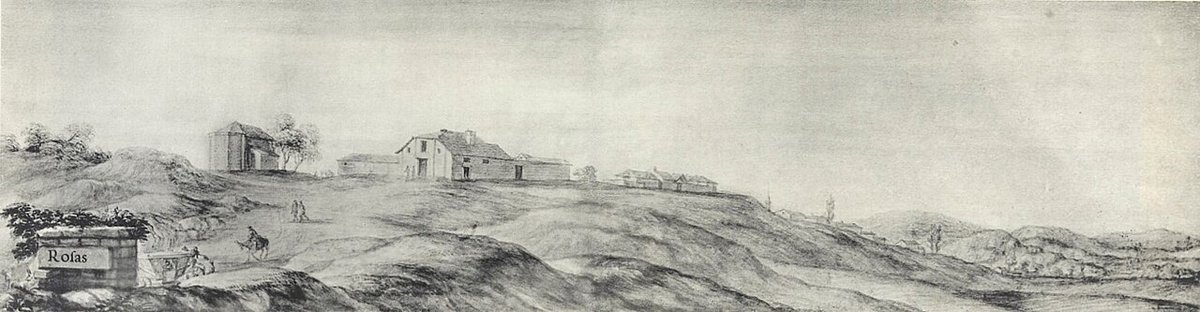
San Sebastián de los Reyes first appears in written records in 1492, when the Catholic Monarchs authorised the creation of a new settlement north of Madrid. The decision was practical. This stretch of road leading towards the sierra needed to be populated and secured.
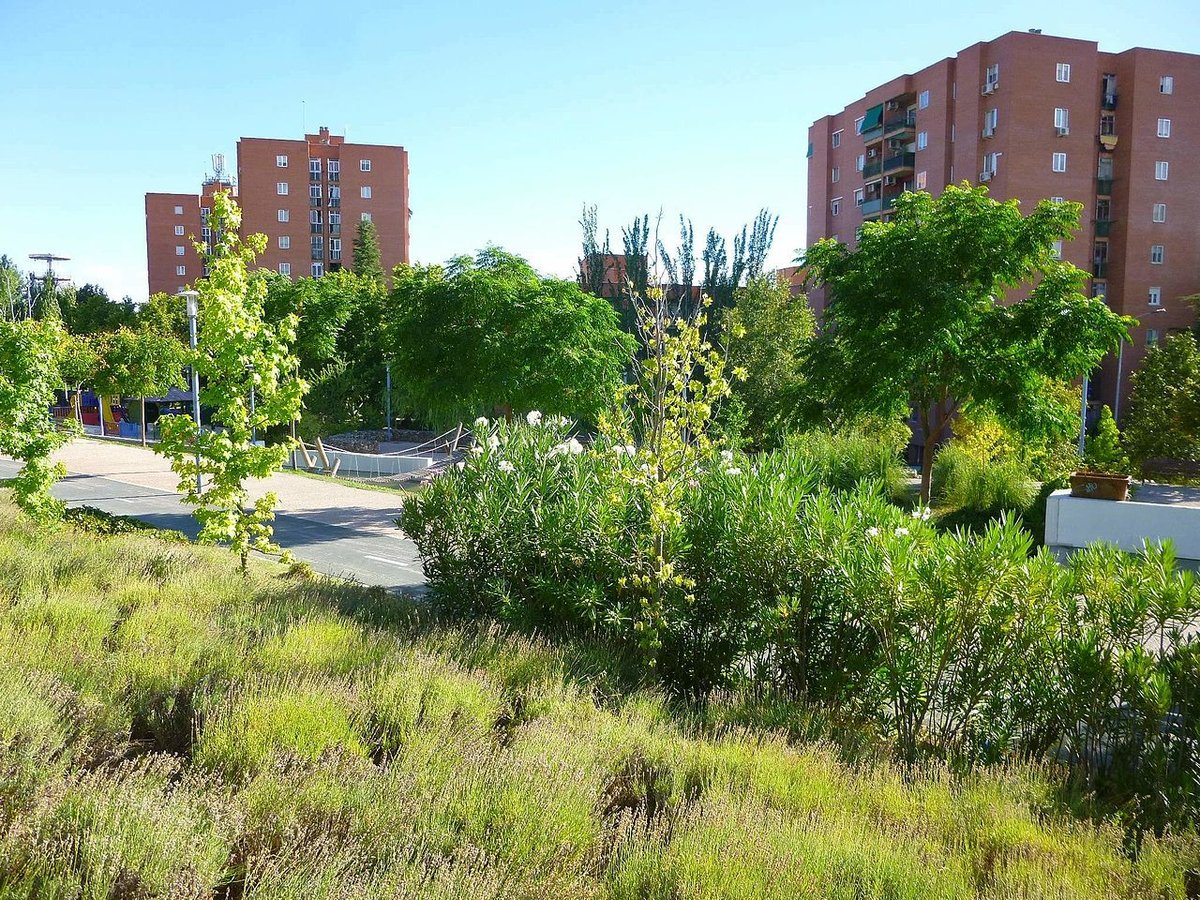
The town was laid out with straight streets and regular blocks, a common approach in later resettlement projects across Castile. Part of that simple grid can still be traced in the old quarter today. Around it, the modern city expanded with newer neighbourhoods and wide avenues. The population now stands at close to one hundred thousand residents.
A square that grew over time
Plaza de la Constitución does not follow the typical model of a Castilian main square. There are no arcades and the layout is not fully symmetrical. Instead, it feels like an open space that gradually expanded over time.
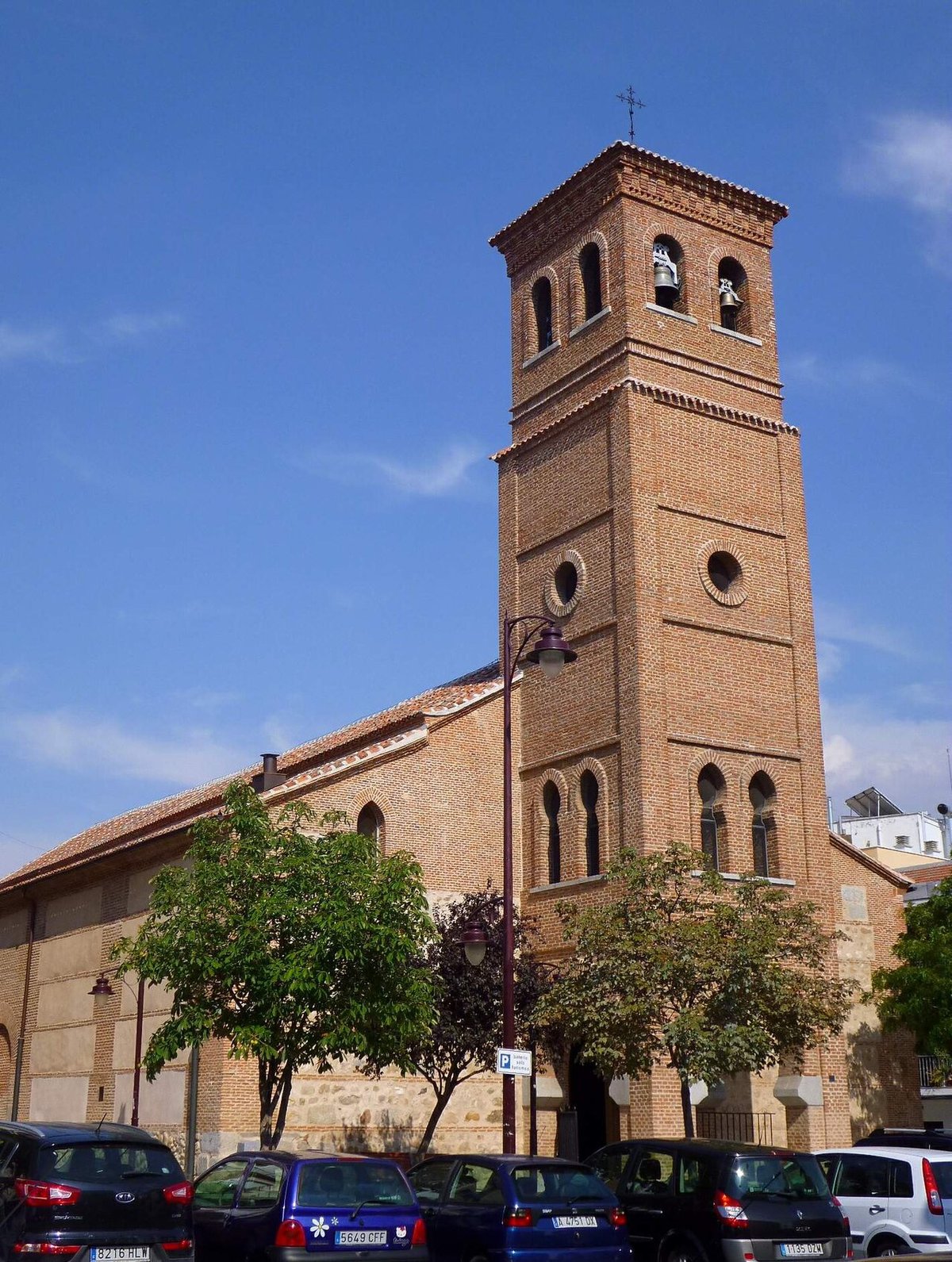
On one side stands the church of San Sebastián. The current building dates from the 16th century and was constructed on the site of an earlier hermitage. Its exposed brick walls and polygonal apse reflect late Mudéjar techniques, a style influenced by Islamic craftsmanship that was still common in many churches around Madrid during that period.
Inside, later changes are evident. The main altarpiece follows a neoclassical design, introduced in a later era. Outside, in the atrium, there is a sundial installed in the 1990s. It recreates an earlier one that had disappeared long before.
From grazing land to urban edge
To the west of the historic centre lies the Dehesa Boyal, a large expanse of holm oak woodland and pasture covering several hundred hectares. Its protection is usually linked to a municipal agreement from the 19th century, when the land was set aside for communal use.
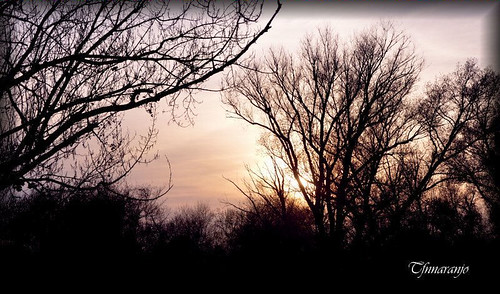
The paths that cross it reveal a landscape very different from the surrounding districts. Low oaks, open grassy clearings and dirt tracks define the area. In winter, mist often lingers between the trees. In spring, flowers appear earlier here than in higher parts of the nearby sierra.
For centuries, this land was used for grazing and charcoal production. Some of the charcoal that reached Madrid came from these woods. That activity faded as domestic energy sources changed, and the local economy shifted in other directions. Today, the immediate surroundings are filled with commercial zones and large-scale infrastructure.
The dehesa remains as a fragment of the earlier landscape.
Madrid flavours at the table
Local cooking follows well-established traditions from the wider Community of Madrid. Slow-cooked stews are still common in many households. Callos, a tripe dish, appears frequently in winter and is usually prepared with beef snout, chorizo and paprika.
Cocido is another regular feature. Like in much of the region, it is served in stages. First comes the broth, followed by chickpeas and vegetables, and finally the meats.
Sweets also play a role in local celebrations. Rosquillas, small ring-shaped pastries, are typical in January. They can be “tontas”, without a sugar coating, or “listas”, with a sweet glaze. During the festivities of San Sebastián, they are often seen alongside hot chocolate distributed by a religious brotherhood.
Celebrations rooted in tradition
San Sebastián is the patron saint of the town, and the main celebration takes place on 20 January. The evening before usually begins with music and street parades through the centre.
On the day itself, a procession moves through the streets of the old quarter. The image of the saint is carried along, accompanied by the municipal band. Afterwards, people gather in the square for a shared hot chocolate.
Summer brings a different atmosphere. The encierros, or running of the bulls, draw visitors from across the northern part of the Madrid region. These are short runs along a fenced urban route. Their origins are tied to the town’s past as a livestock community.
At the beginning of February, there is also a fair connected to rural life. It typically includes livestock and stalls related to agricultural trades.
Getting there and moving around
San Sebastián de los Reyes forms part of the Madrid metropolitan area. It can be reached via the northern motorway and several ring roads. There is also a Cercanías commuter rail station linking it to the wider network.
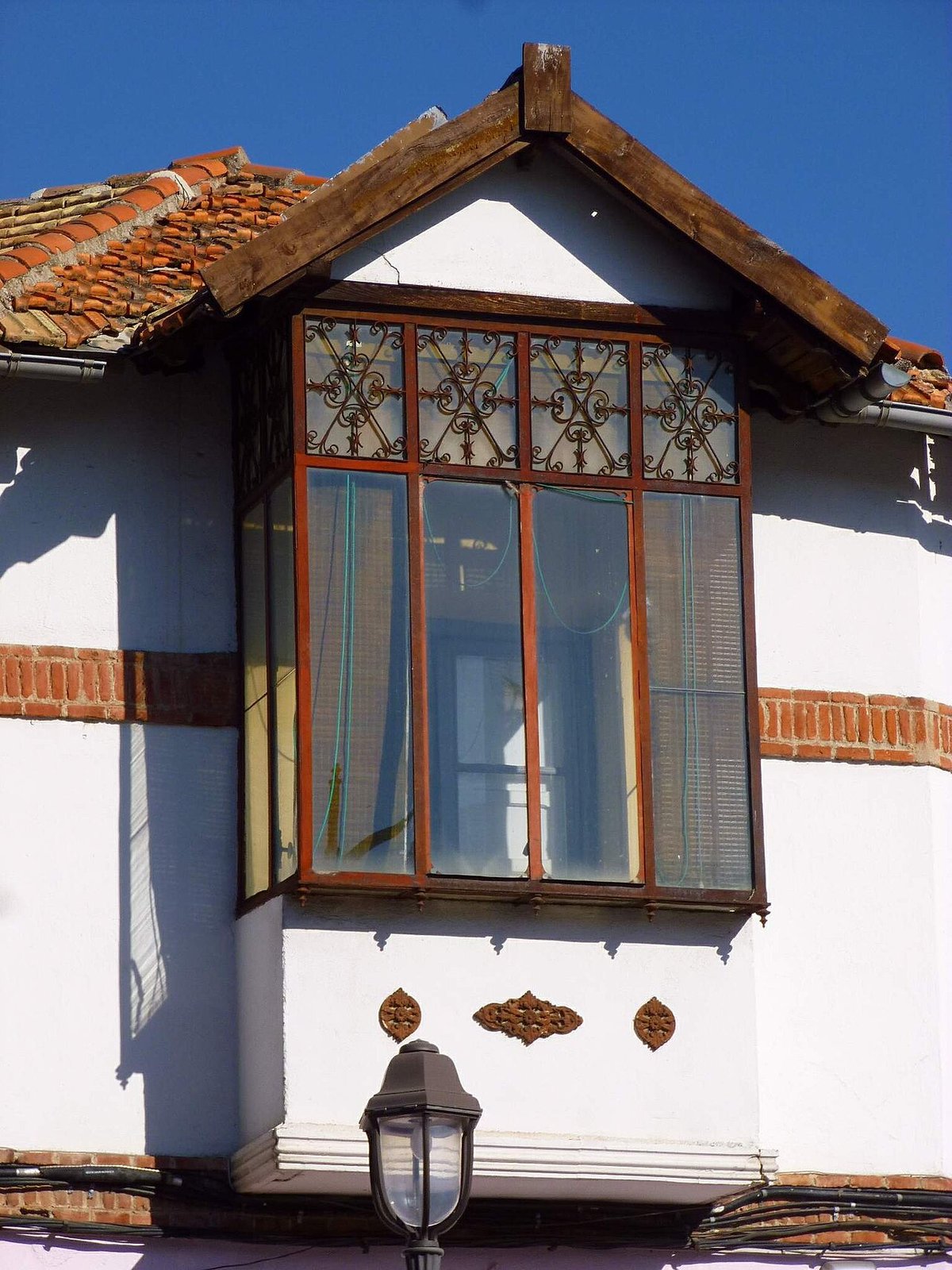
The historic centre is easy to explore on foot. The church, the square and Calle Real concentrate much of the older architecture. Beyond that, most of the municipality reflects more recent development.
For a longer walk, the Dehesa Boyal offers a clear contrast with the urban setting. Its paths give a sense of what this territory looked like before expansion took over. Here, the noise of the city fades, even though Madrid lies only a few kilometres away.