Full Article
about Villaviciosa de Odón
A university town and stately place with a magnificent castle, large green areas, and the Forestal.
Hide article Read full article
A castle on the edge of Madrid
Tourism in Villaviciosa de Odón often begins in the same way: with the castle appearing after a bend in the M‑501 road. It is not the dark outline of a medieval stronghold, but a pale, almost palatial building that feels unexpected so close to Madrid. The town, home to just over thirty thousand people, has shifted roles more than once over the centuries. It has been a noble residence, a courtly retreat, a small agricultural settlement and, more recently, part of the wider Madrid metropolitan area while still closely tied to its natural surroundings.
That mix of functions still shapes how the place feels today. It sits within reach of the capital yet keeps a quieter rhythm, with open land never far from the centre.
From Calatalifa to the present castle
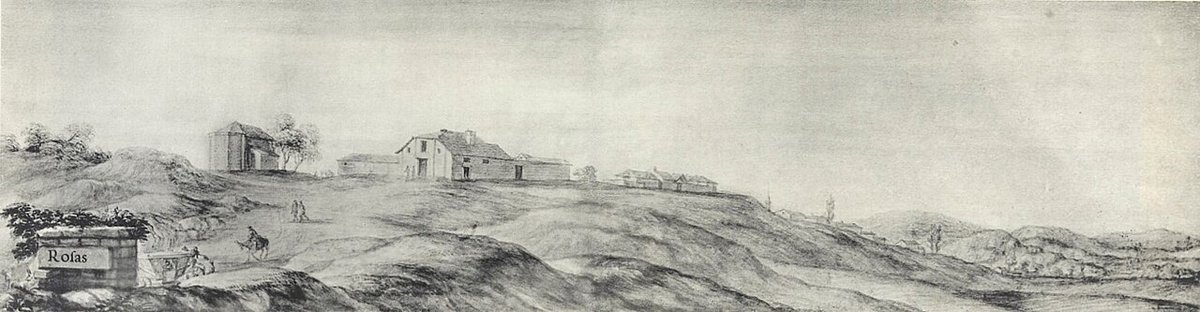
Medieval records refer to this area as Calatalifa, a minor settlement linked to the southern frontier of al‑Andalus. Very little remains of it in visible form, but its location explains its importance. The site controls a natural route towards the Guadarrama valley, which gave it strategic value long before the current town took shape.
The castle marks the true beginning of modern Villaviciosa de Odón. At the end of the 15th century, the marquises of Moya built a stately residence here. That building was badly damaged during the War of the Comuneros in 1521. What stands today is largely the result of a 16th-century reconstruction: a square structure with corner towers, closer to a fortified palace than a fortress designed to endure long sieges.
Its walls have witnessed very different episodes. Ferdinand VI spent his final months here in 1759, withdrawing from public life after the death of Bárbara de Braganza. In the early 19th century, Manuel Godoy was held in the castle following the Mutiny of Aranjuez. These moments belong to separate chapters of history, yet they show why the building appears repeatedly in accounts of political life around the Spanish court.
Today the castle houses the Archivo Histórico del Ejército del Aire y del Espacio, the historical archive of Spain’s air and space force. Access is usually arranged through guided visits on certain days, in small groups. Inside, there are airfield plans, military documents and photographs covering different stages of Spanish aviation. From the terraces, the view opens towards the Guadarrama corridor, where holm oak woodland still defines the landscape.
Between student life and local routines
Villaviciosa de Odón has grown significantly since the late 20th century. The arrival of a private university on what used to be agricultural land changed the pace of the town. During term time, students from many countries are part of daily life, which shows in the terraces around the centre and the atmosphere of the Plaza de la Constitución.
Even so, everyday life remains strongly local. Small shops, the weekly market and traditional celebrations continue to structure the calendar. At different points in the year, the town council and local hospitality groups organise food routes focused on particular products such as chickpeas, tapas or dishes commonly found in Madrid bars. These events work less as formal tourist attractions and more as a reason for people to gather and spend time in the streets.
The main celebration is the festival of the Cristo del Milagro, held in early September. The devotion is linked to an 18th-century tradition according to which a figure of Christ was said to have sweated blood during the final days of Ferdinand VI. Historians tend to offer more down-to-earth interpretations of the episode, but the procession still passes through the streets of the old town each year, keeping the story alive in local memory.
Woodland, paths and traces of war
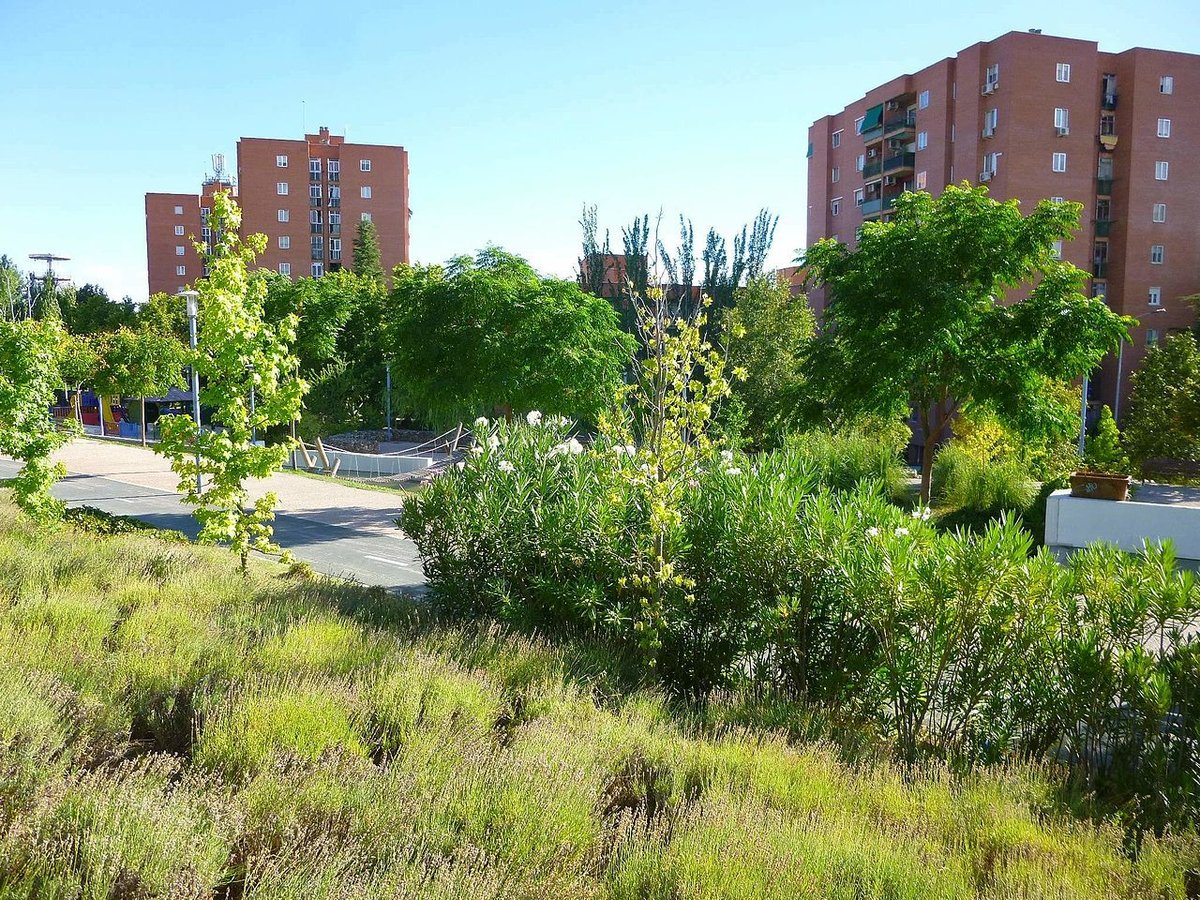
A large part of the municipality lies within the Parque Regional del Curso Medio del Río Guadarrama, a protected area that follows the middle course of the Guadarrama river. This explains why, only a few minutes from the urban centre, the landscape quickly changes into holm oak woodland and low scrub.
Several paths known to residents head west and south from the town. One of them leads up to the cerro del Mosquito, where remains of trenches from the Battle of Brunete in 1937 can still be identified. They are not presented as a formal heritage site and signage is limited, but the shape of the ground makes it possible to understand how defensive positions were organised. Over time, rosemary and thyme have spread across many of these structures, softening their outlines.
At weekends it is common to see people walking along these paths with dogs or bicycles. The routes are neither long nor particularly technical, yet they offer a clear sense that Villaviciosa is more than an extension of Madrid’s built-up area.
The parish church and the old streets
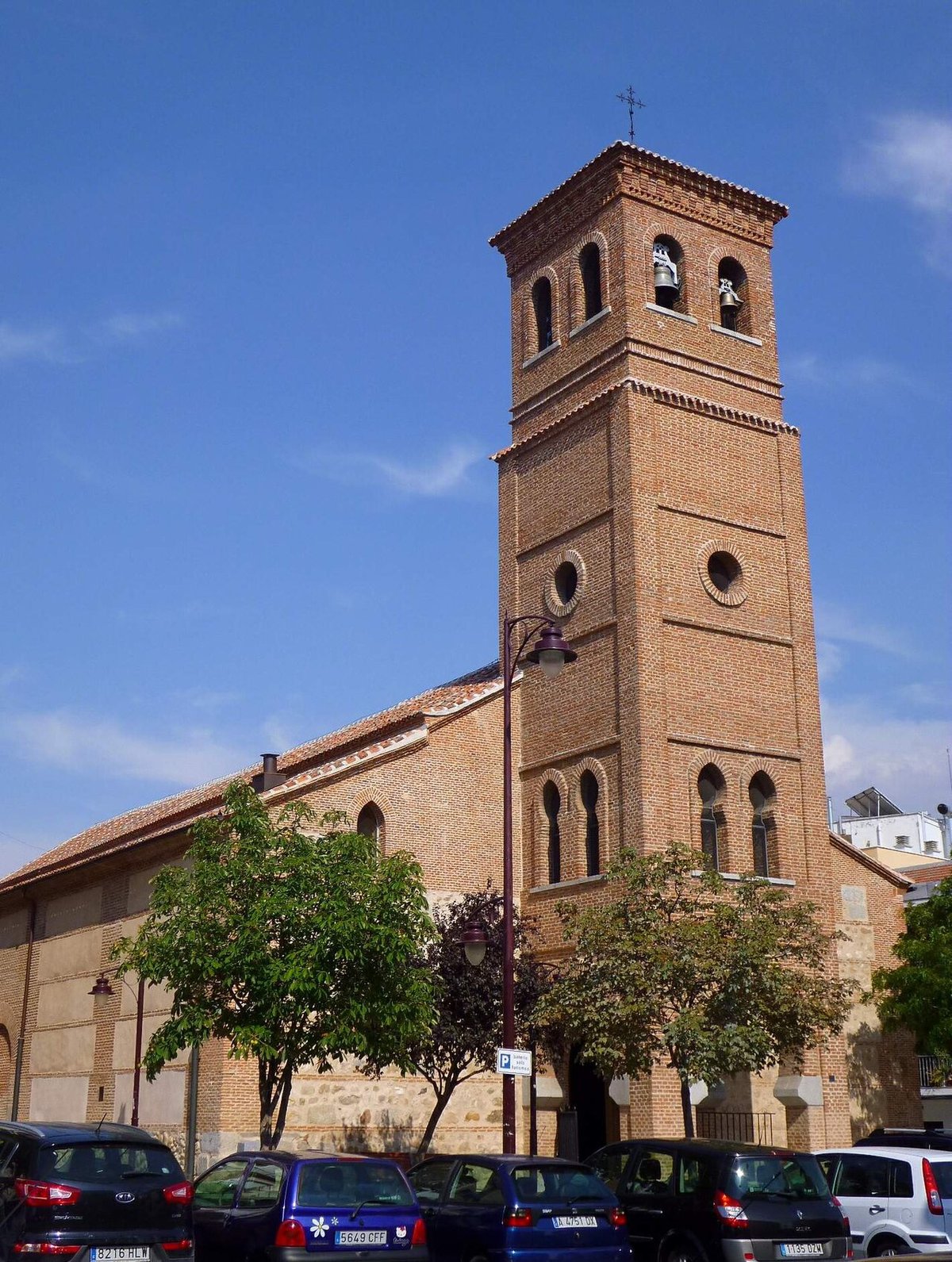
The historic centre is small and easy to explore on foot. The iglesia de San José, dating from the 18th century, stands at the heart of the town and holds the image of the Cristo del Milagro associated with the main festival.
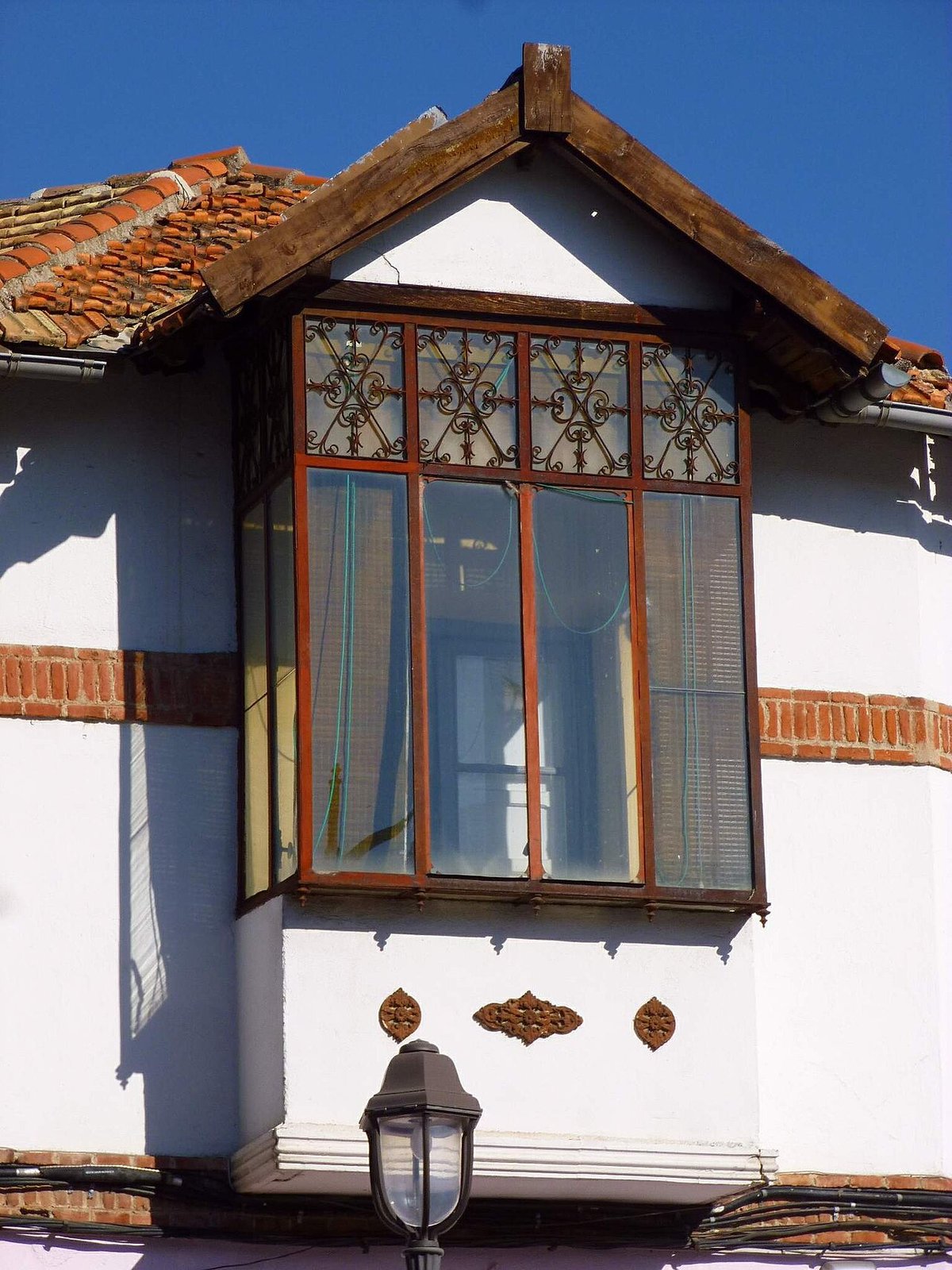
Around it are narrow streets that preserve the layout of a seigneurial town. The Plaza de la Constitución forms a focal point, alongside older houses with interior courtyards and streets named after former titles or offices. From time to time, the local council organises guided visits or theatrical walking tours through these streets, revisiting episodes from the town’s past and connecting them with the spaces that remain today.