Full Article
about Ambite
Quiet village in the Tajuña valley; known for its palace and its centuries-old elm in farmland.
Ocultar artículo Leer artículo completo
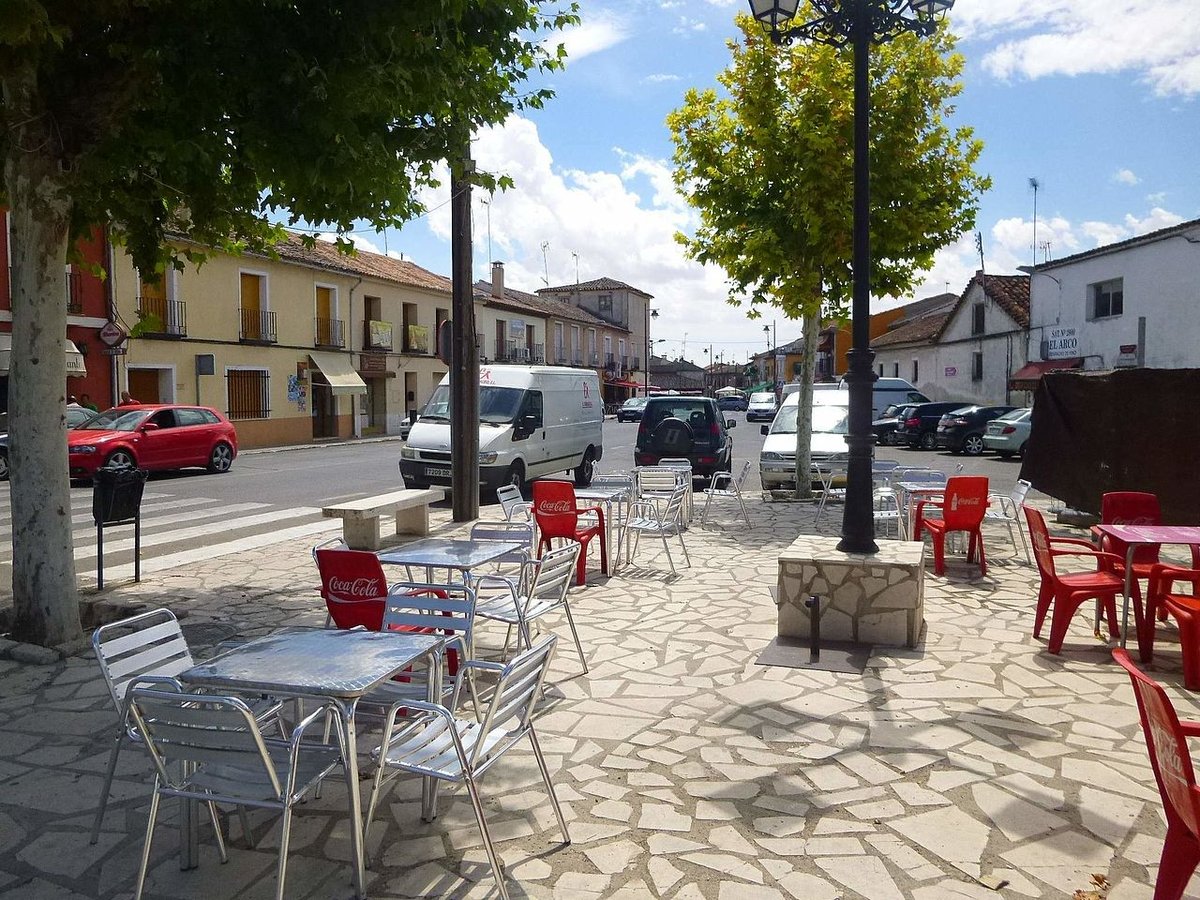
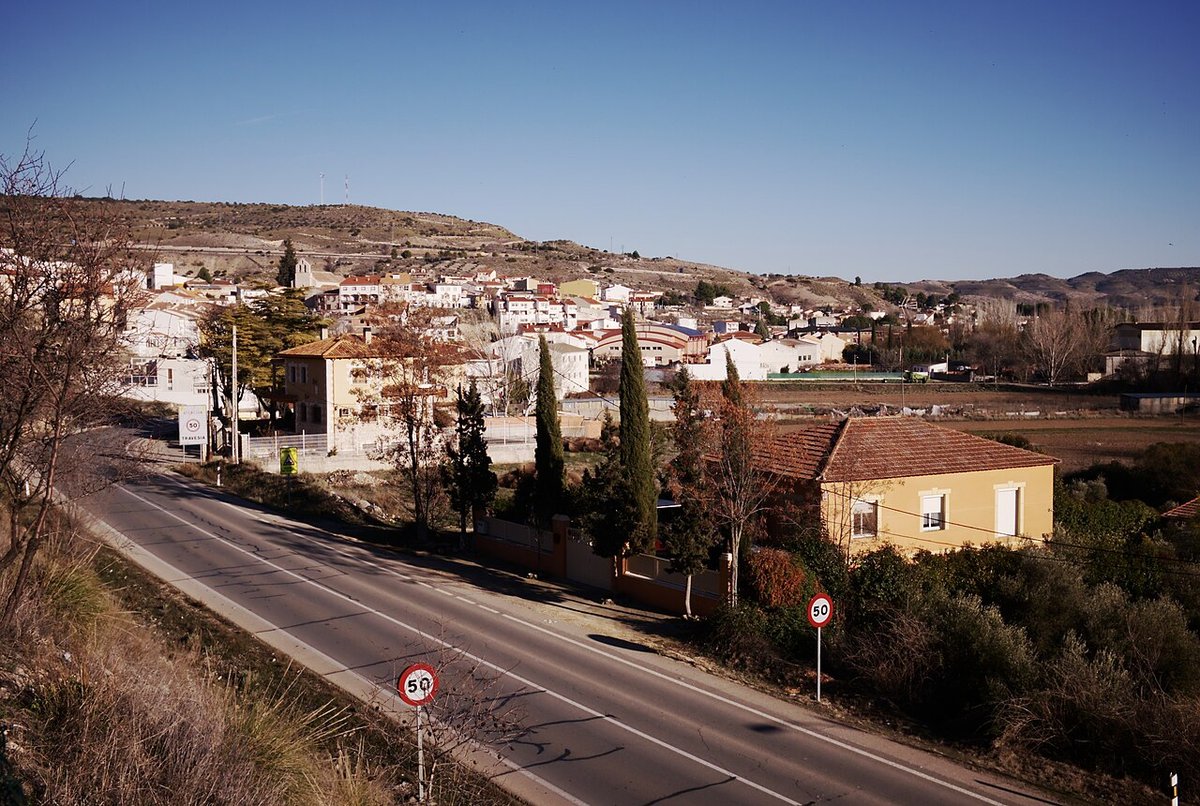
The thermometer drops six degrees between the motorway and the village square. At 740 metres above sea level, Ambite sits just high enough for the air to carry a bite that Madrid forgot, and the first thing visitors notice is the sound – or rather the absence of it. No ring-road hum, no leaf-blower armies: only a tractor ticking over outside the single grocery and swifts turning circles above the church tower.
A palace you have to beg for
Most day-trippers come for the Palacio de los Ambite, a sixteenth-century castle-cum-manor house that still belongs to the family whose name it bears. There are no banners, no QR codes on the gate, and definitely no gift shop. Instead, a scrap of paper taped to the town-hall door lists a mobile number. Ring it, wait ten minutes, and a council worker walks across with a key the size of a croquet hoop. Inside you get a 45-minute DIY wander: a courtyard where bullfights once replaced the furniture, a chapel with faded frescoes, and a stone staircase that ends abruptly where the east wing collapsed in the Civil War. British phone networks give up halfway through the keep, so download the floor-plan while you still have 4G on the square.
The palace is open roughly twice a week, usually mornings. If the appointed guardian is off sick, you will be sent away with polite commiserations and directions to the only bar that stays open all afternoon. Consider it a lesson in Spanish municipal roulette.
Wheat, olives and the smell of wet earth
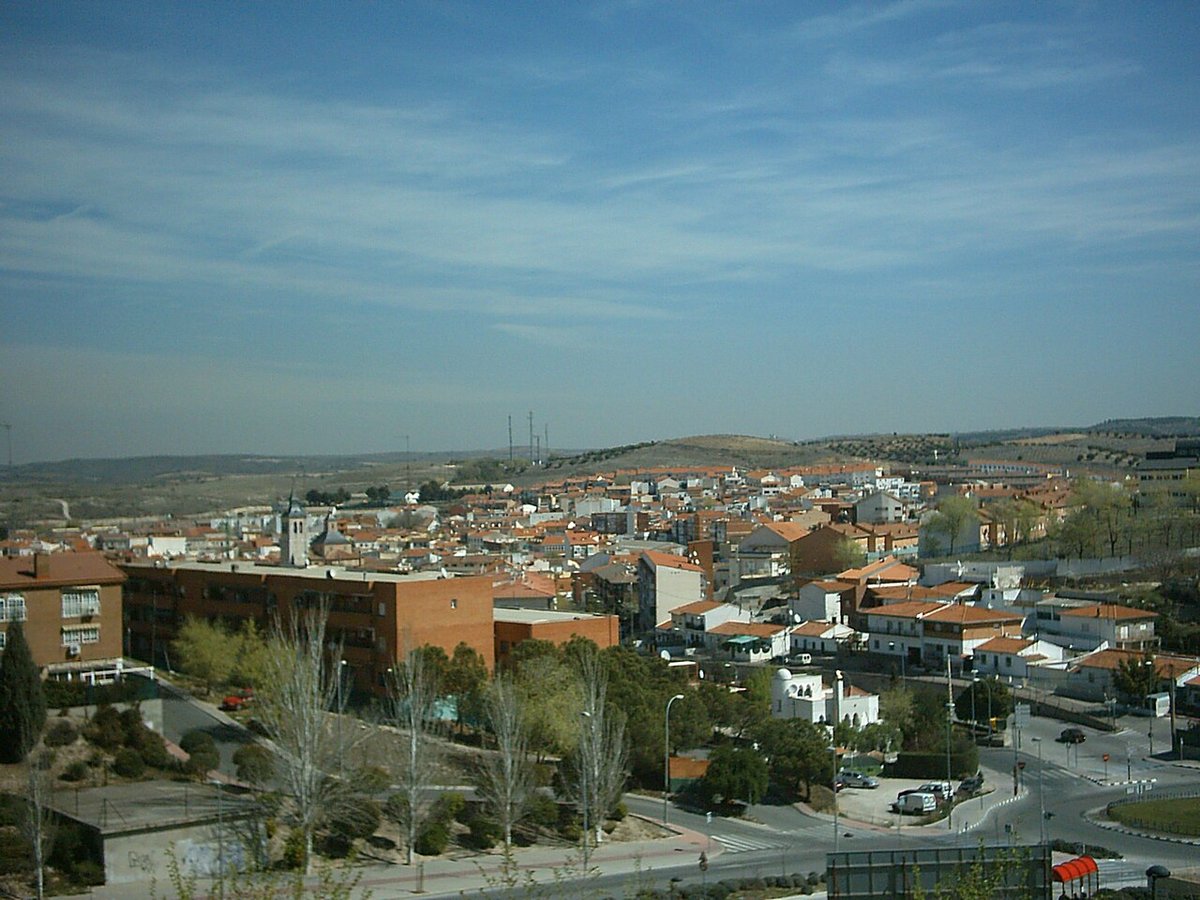
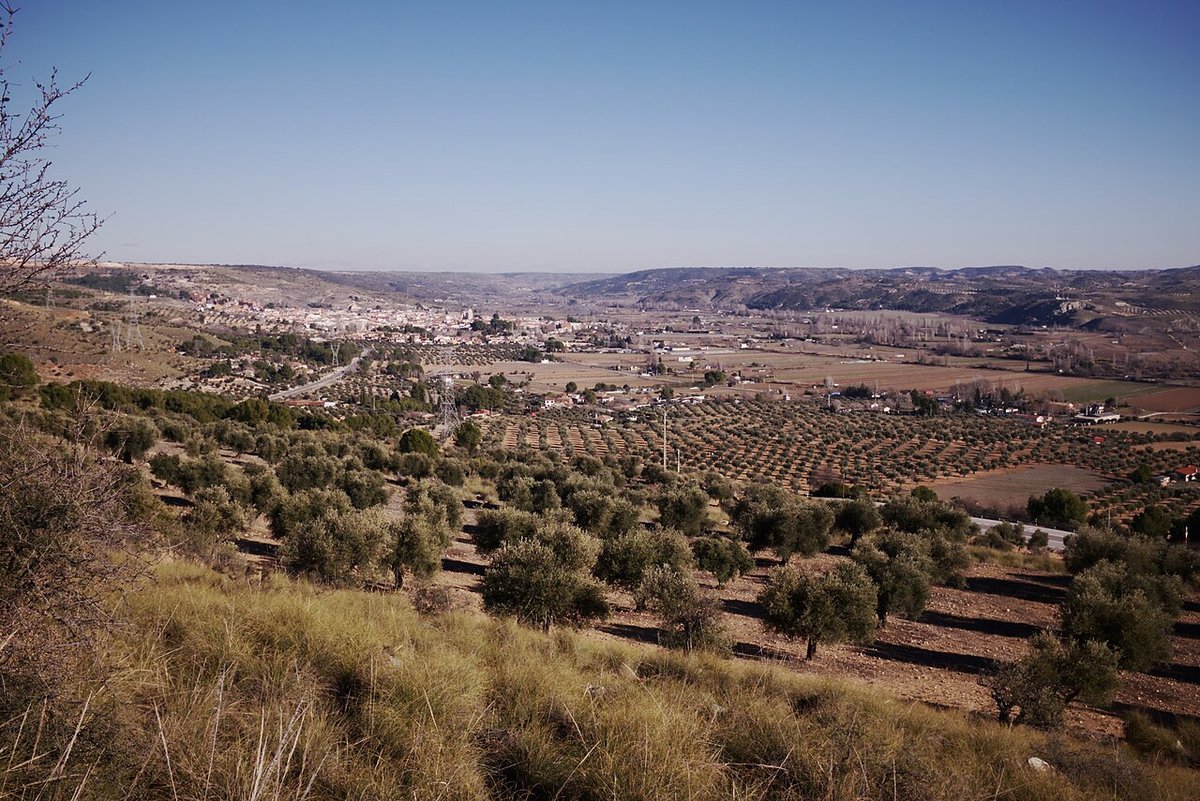
Beyond the last houses the track splits: left towards irrigated veg plots, right into a roll-call of cereals. In April the wheat is ankle-high and Technicolor green; by late June it has turned the colour of digestive biscuits and crackles in the breeze. The olive groves start at the 2 km marker and keep going until the land tilts up to the Cerro, a 920-metre bump that locals treat as their private viewpoint. The climb takes thirty minutes from the last orchard, boots useful after rain when the clay sticks like treacle. From the top you can trace the A4 back to Madrid, a silver scar across the plain, and spot the village water-tower pretending it’s a minaret.
These paths are not national-park pristine. Farmers drive their pickups along them, dogs bark from behind poplar windbreaks, and every so often you’ll pass a pile of pruned branches ready for the burn pile. That, oddly, is the appeal: this is still a working landscape rather than a heritage diorama.
One bar, one menu, no card machine
Casa Amaya opens at seven for the field crews and doesn’t close until the television stops showing football. The menu is written on a strip of cardboard propped behind the beer taps: huevos rotos with potato and mild chorizo (€9), roast lamb for two to share (€24), and a half-carafe of local red that costs the same as a London soft drink. Portions are calibrated for labourers, so consider ordering one plate and an extra fork. Payment is cash only; the nearest ATM is 11 km away in Villarejo de Salvanés, so fill your wallet before you leave the airport.
If you arrive on a Saturday you can combine lunch with the morning market at Villarejo: peaches for a euro a kilo, jars of miel de romero that will get through UK customs, and the regional cheese that tastes like a mellower Manchego. Be back in Ambite before three; the grocer shuts for siesta and you will struggle to find even a packet of crisps.
When the wind comes from the Guadarrama
Weather catches people out. Spring mornings can start at 6 °C even when Madrid is already sipping coffee on the pavement, and the difference widens after dark. Bring a fleece if you plan to stay for the evening paseo; locals wear quilted jackets well into May. Summer is more predictable – hot, dry, 32 °C by noon – but the altitude keeps nights comfortable enough to sleep without air-conditioning. Autumn adds colour to the poplars and brings brief, violent storms that turn the clay paths to skating rinks. Wait 24 hours after rain before attempting the Cerro or you will slide backwards two steps for every three forwards.
Winter is quiet, often sunny, occasionally dramatic when snow slips off the sierra. The palace closes for January, the bar reduces its hours, and you may have the square to yourself apart from the priest raking leaves outside San Bartolomé. It is the best season for reading the church notices and working out how a village of 680 people supports three kings in its Epiphany parade.
Getting here without the car
Public transport exists, just. La Veloz-Autocares bus 337 leaves Madrid’s Estación Sur at 10:15 and reaches Ambite at 11:30, fare €4.50. The return service departs at 17:45, which gives you six hours – ample for the palace, the walk to the Cerro and a leisurely lunch, provided the castle guardian answers the phone first time. Sunday buses drop to two a day; miss the evening one and a taxi to Chinchón costs around €35, assuming you can persuade the driver to come out.
With a hire car the journey is 55 minutes from Barajas via the A4. Leave the motorway at exit 46, not the earlier “Chinchón” turn-off that GPS loves to suggest; the latter adds twenty minutes of tractor-tailback on the old national road. Petrol is cheaper at the supermarket pumps in Ocaña than on the airport forecourt, so delay refuelling until the return leg.
The anti-checklist
Ambite will not deliver souvenir magnets, flamenco shows or Michelin stars. What it does offer is the chance to sit in a plaza where the mayor still greets constituents by name and the church clock strikes quarters nobody bothers to count. Come if you need a pause between Madrid and the Mediterranean, if you like the idea of unlocking a castle with a borrowed key, or if you simply want to remember how Europe sounded before headphones. Leave the tick-list at home and the village will make sense; bring expectations of organised fun and you will be back on the bus within the hour.