Full Article
about Aranjuez
Royal Site and UNESCO World Heritage town; famous for its Royal Palace and vast gardens beside the Tajo.
Hide article Read full article
At nine in the morning, when dew still clings to the leaves of the orange trees, the Jardín de la Isla carries the scent of damp soil and orange blossom. Footsteps echo faintly from the palace, fading into boxwood hedges. At that hour, Aranjuez is still only half awake. A gardener pushes a wheelbarrow somewhere out of sight, water moves steadily through the irrigation channels, and the River Tagus drifts past behind the trees.
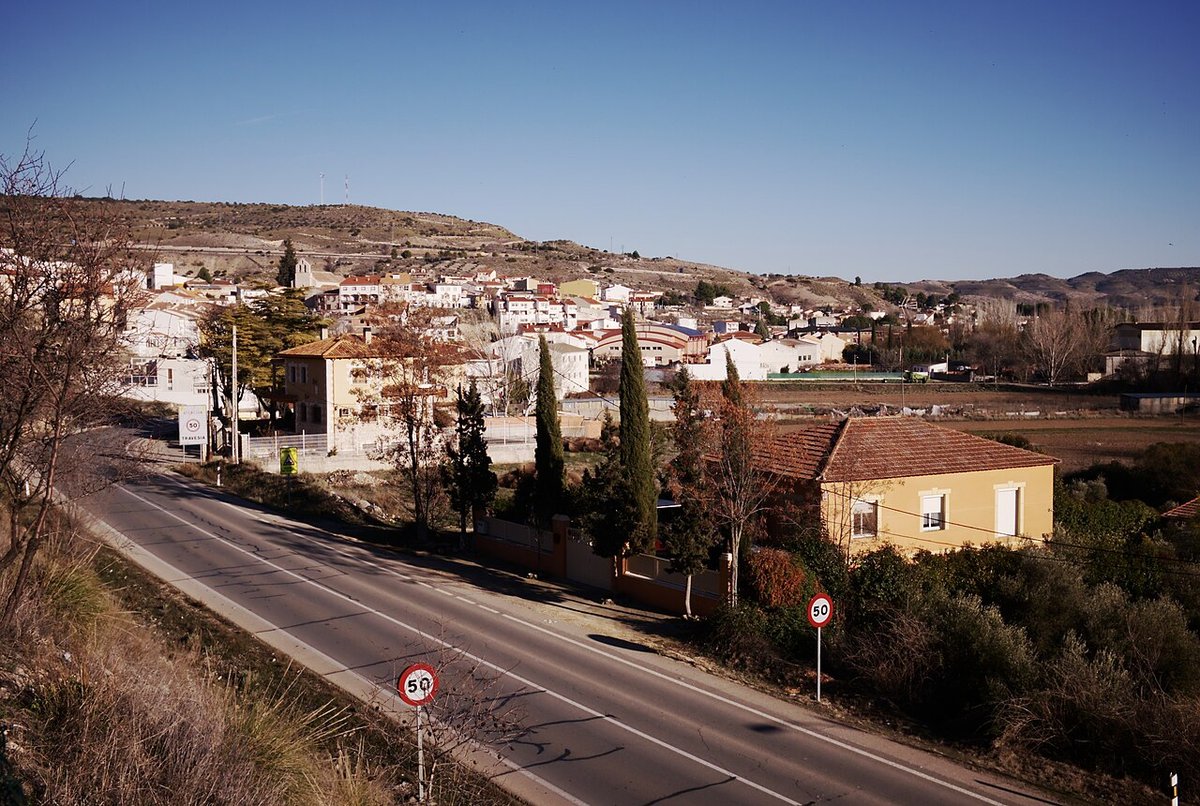
This is a town built by and for its gardens. It grew from a royal whim into a geometric settlement of straight, wide streets and spacious squares, set in the fertile plain where the Tagus and the Jarama meet. Just beyond the last street, the orchards and wooded riverbanks begin, where the air always feels a few degrees cooler.
The weight of shade and water in the royal gardens
In Aranjuez, the gardens are not an addition to the palace; they are the reason for it. They form a deliberate landscape of water and shade, started by Felipe II and expanded by later monarchs who planted avenues with trees from across Europe.
In the Jardín del Príncipe, paths slip beneath a dense canopy of leaves. Lime trees and plane trees rise on thick trunks, some more than two centuries old. On hot days, the ground carries the scent of dry leaves mixed with still water from the canals. The space feels extensive without being showy. It’s a place designed for strolling, not for postcards.
Near the far end stands the Casa del Labrador, more restrained than its name might suggest from the outside. Carlos IV had it built as a private residence within the park. Inside, rooms decorated with porcelain and pale stucco often draw attention. On overcast days, the grey light gives these interiors a cooler, almost brittle tone. A short distance away, the Tagus flows past, mostly hidden among poplars.
In front of the palace lies the Plaza de Parejas, an open space with a formal, almost austere feel. Its name comes from equestrian games held here in the eighteenth century. Now, people cross its wide expanse at an unhurried pace. In spring, if the wind is right, you might catch a faint sweetness in the air—the smell of strawberries being packed in nearby fields.
The scent of strawberries on spring air
The fertile land around Aranjuez continues to produce much of what supplies Madrid’s markets. When spring arrives, the fields fill with strawberries and fresones. They tend to be smaller than supermarket varieties, with a stronger aroma that you notice before you see them.
Traditionally sold in small wooden boxes at local markets or from temporary stalls along the roadsides during the season. There’s usually a fair dedicated to them when the fields are at their busiest.
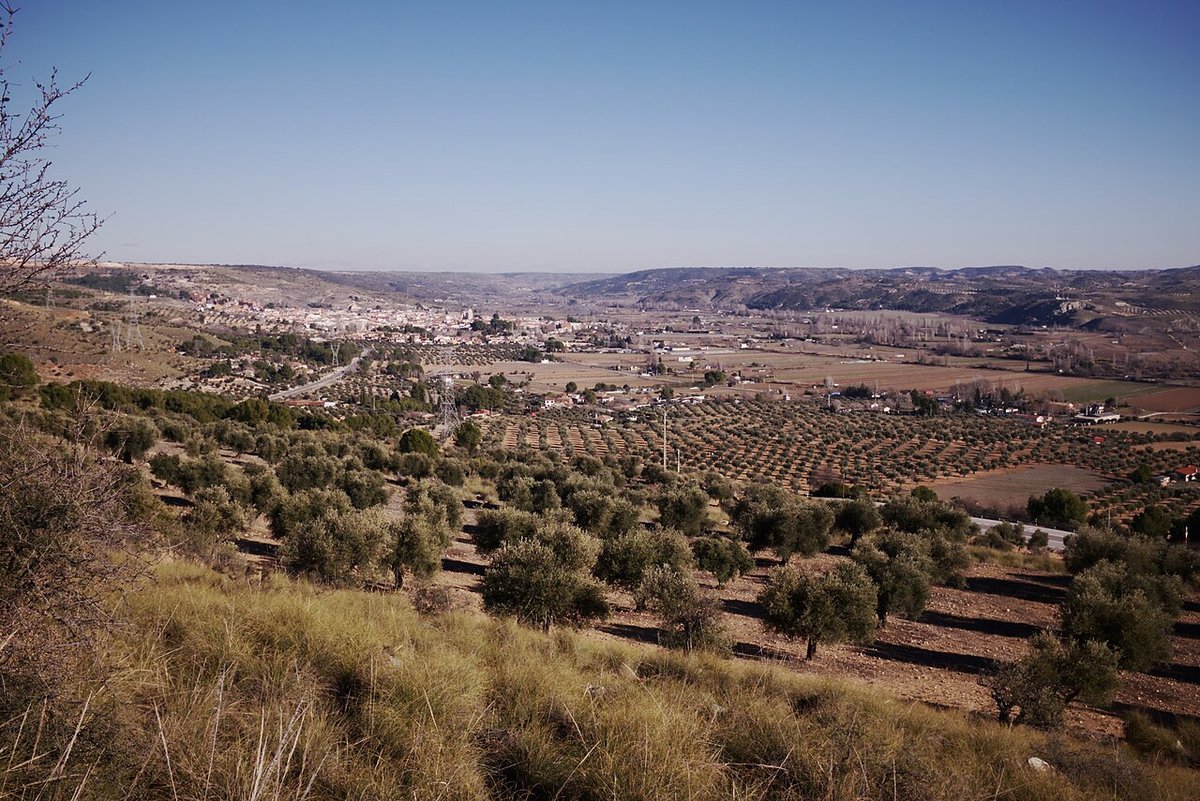
Beyond strawberries, this vega grows asparagus, artichokes and several types of broad beans. Early in the morning along the agricultural tracks, you hear two things: the steady flow of irrigation water and the low hum of tractors.
The red-brick station and a quiet line
Aranjuez railway station sits slightly away from the town centre, surrounded by trees. It’s built in red brick with arches inspired by Mudéjar design, marked by the subdued quiet of stations that no longer see the traffic they once did.
The line between Madrid and Aranjuez opened in 1851 and was among the first in Spain. It connected the capital with this Royal Site and carried produce from these fields.
Today, the train journey from Madrid remains direct. As it leaves behind the southern districts, the landscape flattens. Riverside groves along the Tagus begin to appear, followed by cultivated plots that signal you’re arriving.
The arcades where history turned
On 17 March 1808, Aranjuez became a stage for upheaval. That night saw the outbreak of what’s called the Mutiny of Aranjuez, a popular uprising that led to the fall of Manuel Godoy and hastened King Carlos IV’s abdication.
The streets around the palace formed its setting. Along Calle de la Reina and in nearby squares, eighteenth-century arcades and façades remain. They help you picture it: carriages in darkness, soldiers posted under arches, voices rising from these same cobbles.
Each spring, there are usually historical reenactments that fill these streets with noise again. The rest of the year, daily life is much calmer here.
Light through poplars: when to walk here
Aranjuez changes with its seasons. In May and early June, everything is at its peak. Roses bloom against dark boxwood hedges, grass is intensely green underfoot, and fountains run steadily. Coming early on a weekday morning makes all the difference—the paths belong to you and a few gardeners.
In August, heat settles heavily over everything. The tree-lined avenues offer relief only if there’s a breeze. Many people arrive from Madrid over weekends; car parks fill up by midday.
Winter brings a quieter mood entirely. Trees lose their leaves, opening long views of the Tagus winding through bare branches. The pace slows to match those first hours in the garden—just you, some birdsong over damp earth, and water moving quietly through stone channels