Full Article
about Arganda del Rey
A major industrial and wine-producing hub; it links the capital to the southeast and has historic and natural heritage.
Hide article Read full article
Morning light over the Jarama plain
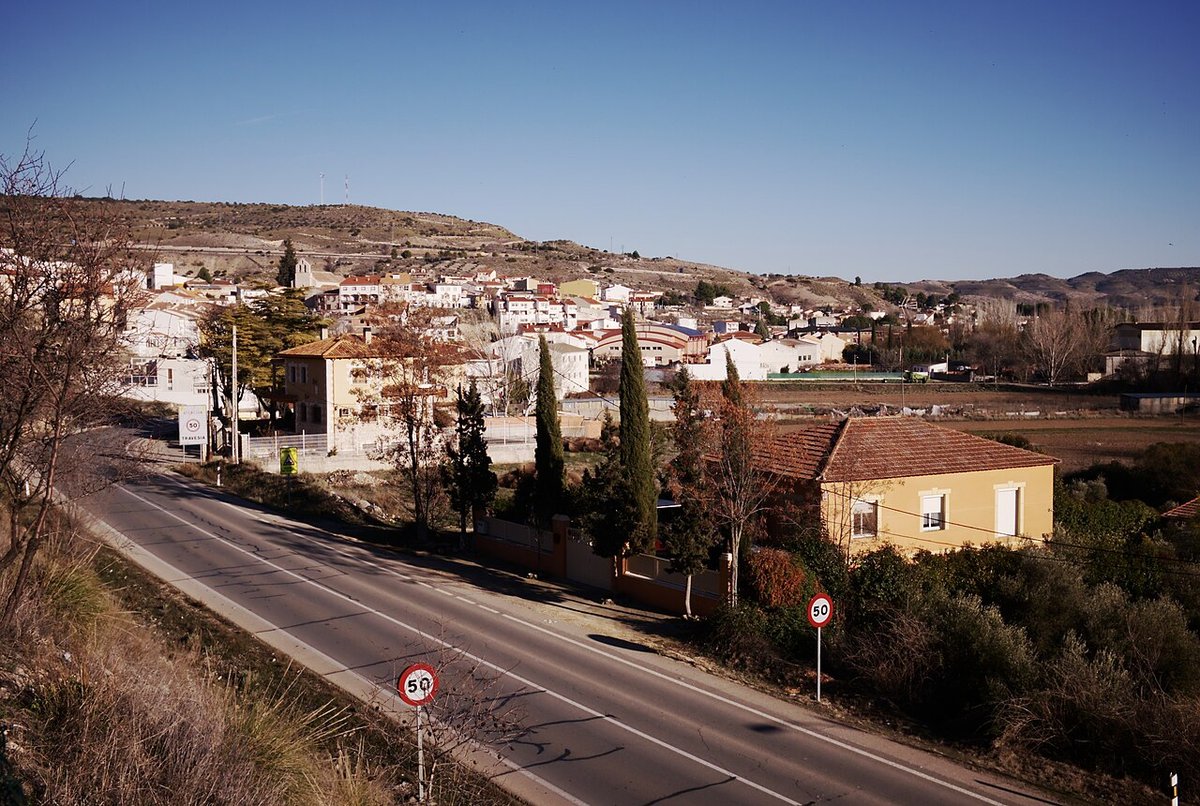
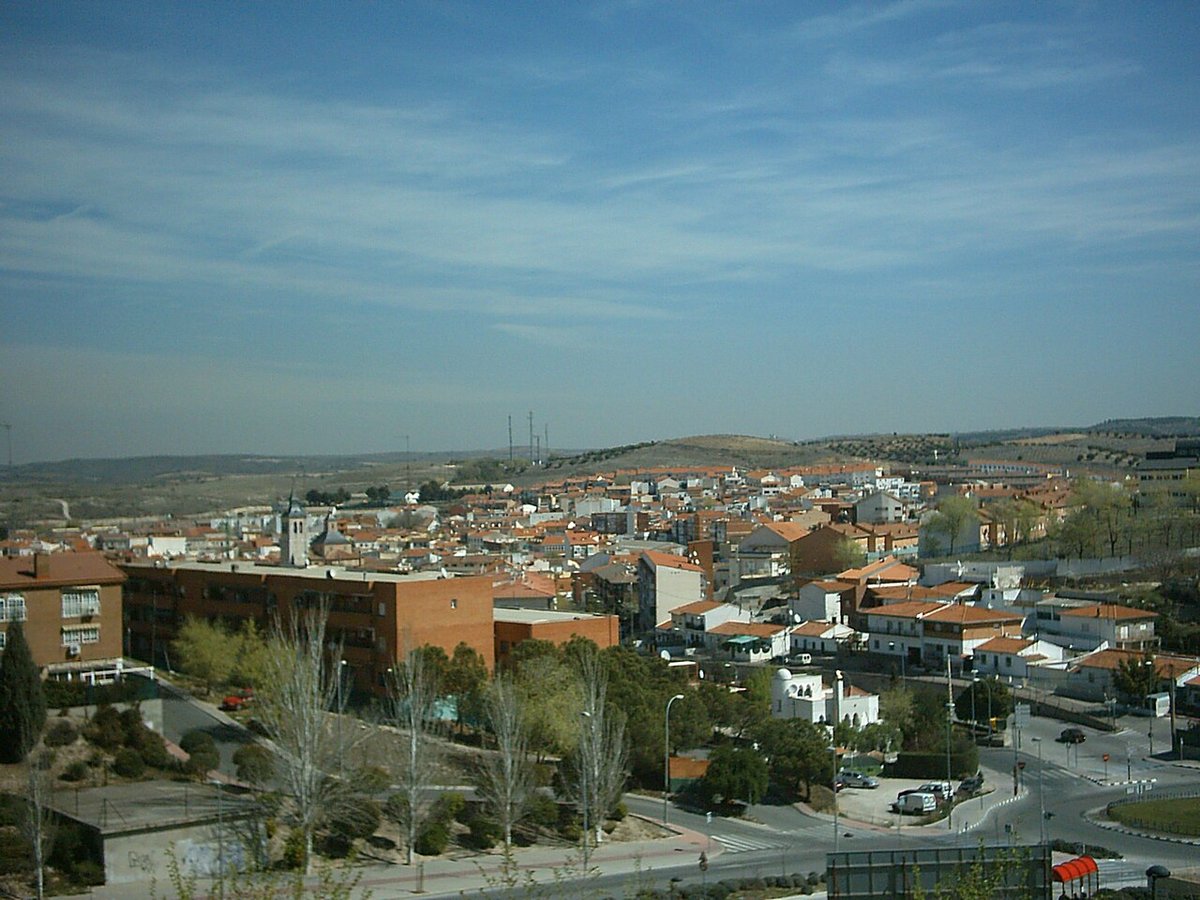
Storks cross the sky above the Parque Regional del Sureste as the bus rolls into Arganda del Rey. It is just after seven in the morning and the light has that pale violet tone that lasts only a few minutes before the sun rises over the flatlands of the Jarama. From the window, the tower of the church of San Juan Bautista comes into view, visible from a distance when approaching across the vega, the fertile riverside plain. At that hour, shutters are still down and the streets carry the sounds of engines starting and the occasional metal blind being pulled open.
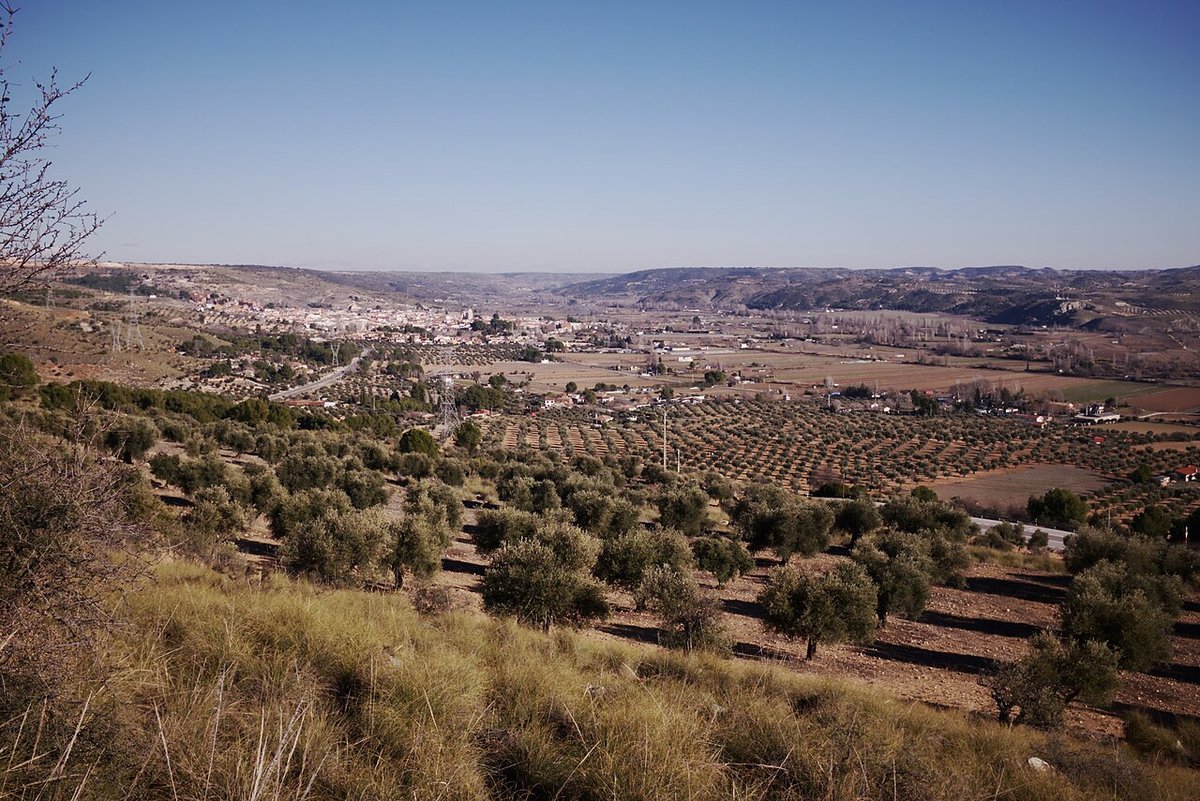
Arganda del Rey sits within the Las Vegas comarca, in the south-east of Madrid. The town has expanded considerably in recent decades, yet it still retains an agricultural edge that becomes clear as soon as you step beyond the urban centre. Low vineyards, open fields and dirt tracks define the surroundings. In summer, those tracks lift a fine dust that hangs briefly in the air.
Wines shaped by a dry landscape
Wine here is not a recent addition. Arganda gives its name to one of the subzones of the Madrid designation of origin, and vineyards still appear between rural tracks, agricultural buildings and gentle rises of pale soil. During the grape harvest, which usually falls between late summer and early autumn depending on the year, the air carries a faint sweetness, like ripe fruit.
Local wineries tend to work with grape varieties that cope well with the dry conditions of the vega. White wines often come out fresh, with a slightly herbaceous note. Reds are softer than the rugged landscape might suggest.
In September, during the local festivities, there is still a tradition of treading grapes in the town square. It is not staged as a show for visitors. It continues because it has always been done. Grape juice runs over wooden boards, and more than one participant ends up with sticky socks by the end.
Water, reeds and open sky
The landscape shifts as you move closer to the river. The Jarama flows slowly through this stretch of the plain, forming wide meanders between former gravel pits and wetland areas now protected within the Parque Regional del Sureste.
One of the most common walks in the area is around the Lagunas de Las Madres. The path passes through reeds, pale soil and patches of thyme that release their scent as you brush past them as the day warms. In some sections, the ground darkens and becomes damp underfoot, a sign that water is close even when it cannot be seen.
Birdwatching spots are scattered along this route. Towards late winter and into spring, it’s common to see storks, herons and other water-associated birds. In summer, start early. The heat builds quickly across this flat landscape by mid-morning, and shade is limited to what you bring with you.
Traces in red earth
The hills that rise around the plain hold a more recent layer of history. In several parts of the municipality, remains of trenches and defensive positions linked to the Battle of the Jarama during the Spanish Civil War can still be made out.
The terrain is dry, with reddish soil and loose stones that shift under your boots. Walking across these hills in autumn, when poplars by distant streams turn yellow, creates a strange contrast. The setting feels calm, yet closer inspection reveals hand-dug ditches and shallow depressions that do not belong to this landscape.
There are no extensive signposted routes or open-air museums in every location here; it’s worth seeking information beforehand or joining one of the guided walks occasionally organised by local associations. These routes help place what you’re seeing in context without altering the quiet character of these hills.
September traditions and shared memory
Arganda del Rey also preserves memory of a local uprising in 1656 against an attempt by a powerful court figure to take control of its wine trade. This episode is recreated during September’s patron saint festivities. Locals dress in period clothing and perform scenes rehearsed over weeks—a process you might see underway on weekday evenings in late August if you’re passing through.
Another long-standing tradition is a romería that climbs to a hermitage on one of nearby hills. The path winds through low scrub and pale earth, filling with groups walking together, some accompanied by decorated carts pulled by tractors or mules. The scent of crushed rosemary from underfoot mixes with that of shared wine along much of route.
Between farmland and large event spaces
On outskirts lies large venue for concerts mass events built some years ago When not use space feels quiet wide open esplanades metal structures rising above flat land like geometric sculpture
On concert days atmosphere shifts completely Traffic builds on access roads black T-shirts become common sight people walk towards venue from informal parking areas set up on fallow fields Residents tend notice change most general mood town which becomes livelier than usual for day or two
Back centre neighbourhood bars continue serve food rooted Castilian cooking Dishes often come hearty stews thick sauces River fish appears when season Pastry shops display traditional sweets made puff pastry almonds familiar sight local bakeries where they’re called mostachones or rosquillas de vino
Arganda del Rey balances these different rhythms without trying smooth them into single identity Vineyards wetlands memory modern events all sit side by side shaped same wide dry plain defines this corner Madrid