Full Article
about Belmonte de Tajo
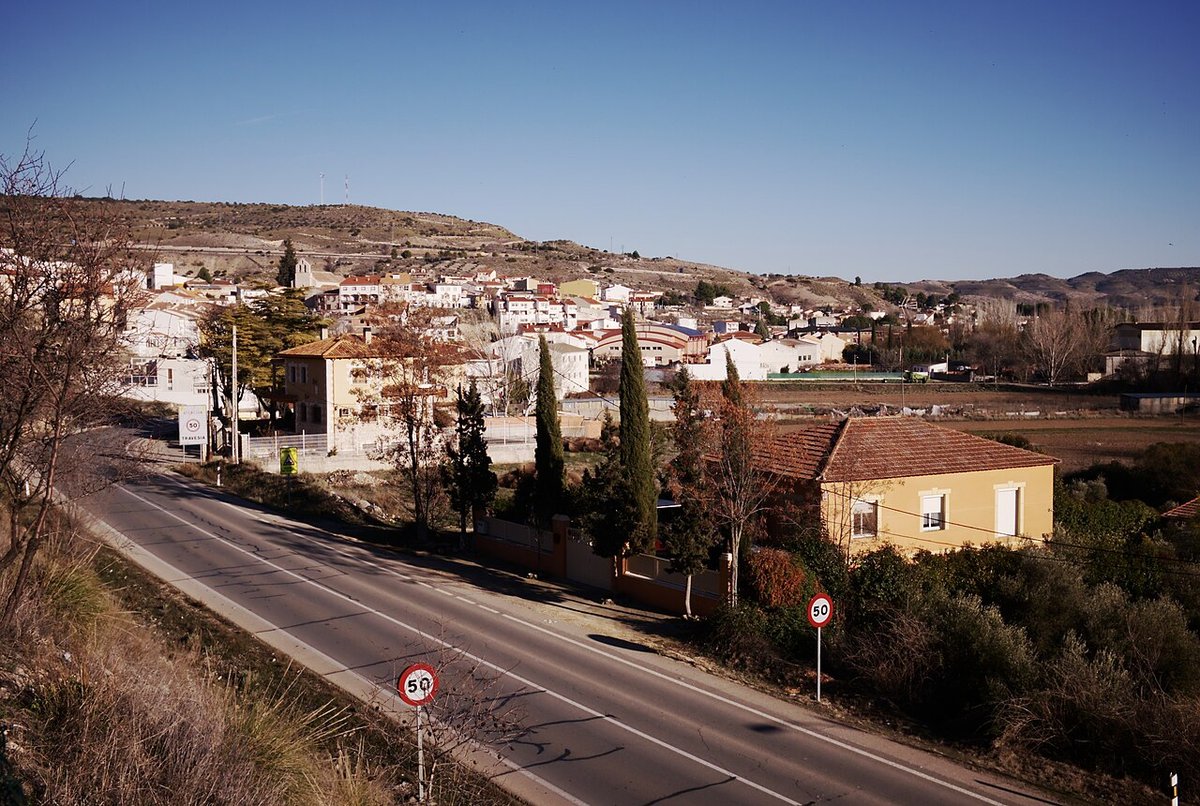
A wine-making town with a picturesque main square; it keeps the rural charm of the Vegas region.
Hide article Read full article
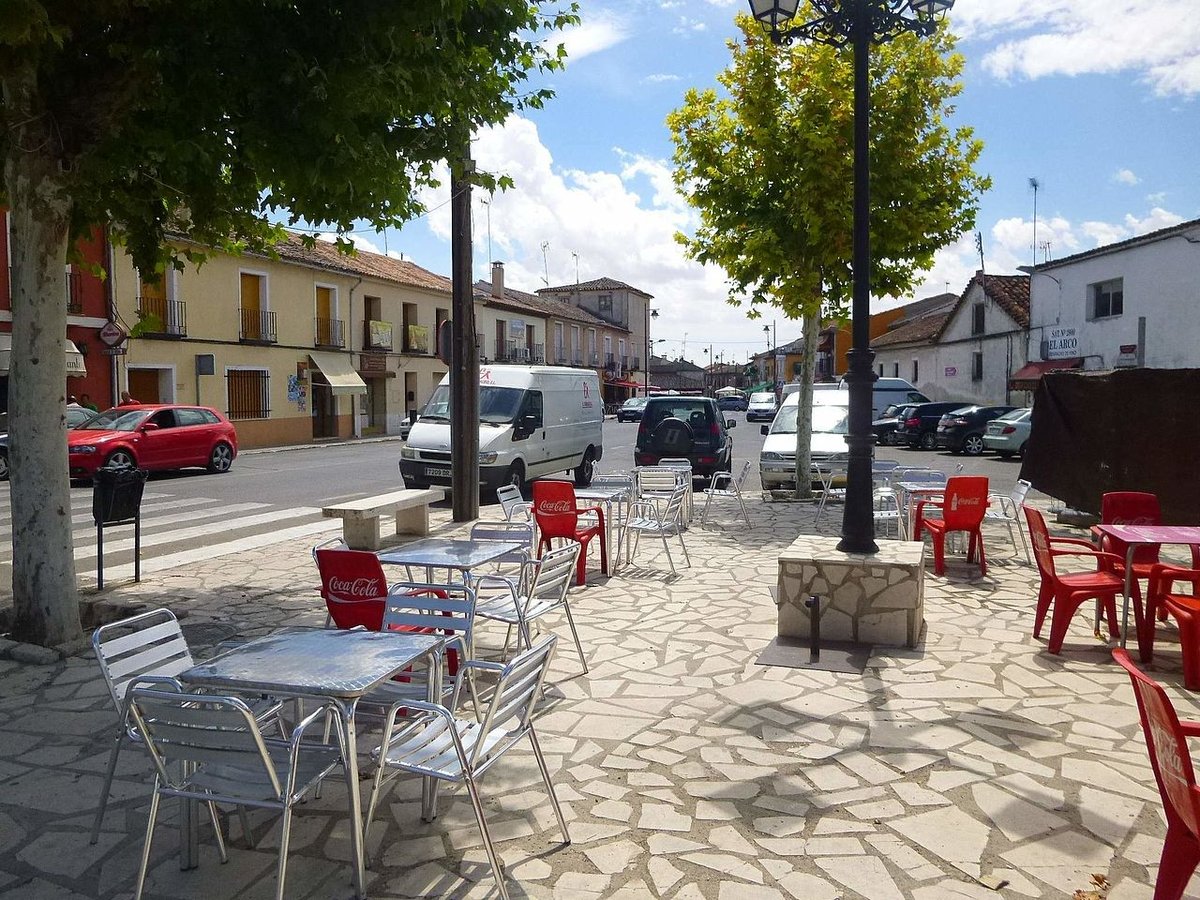
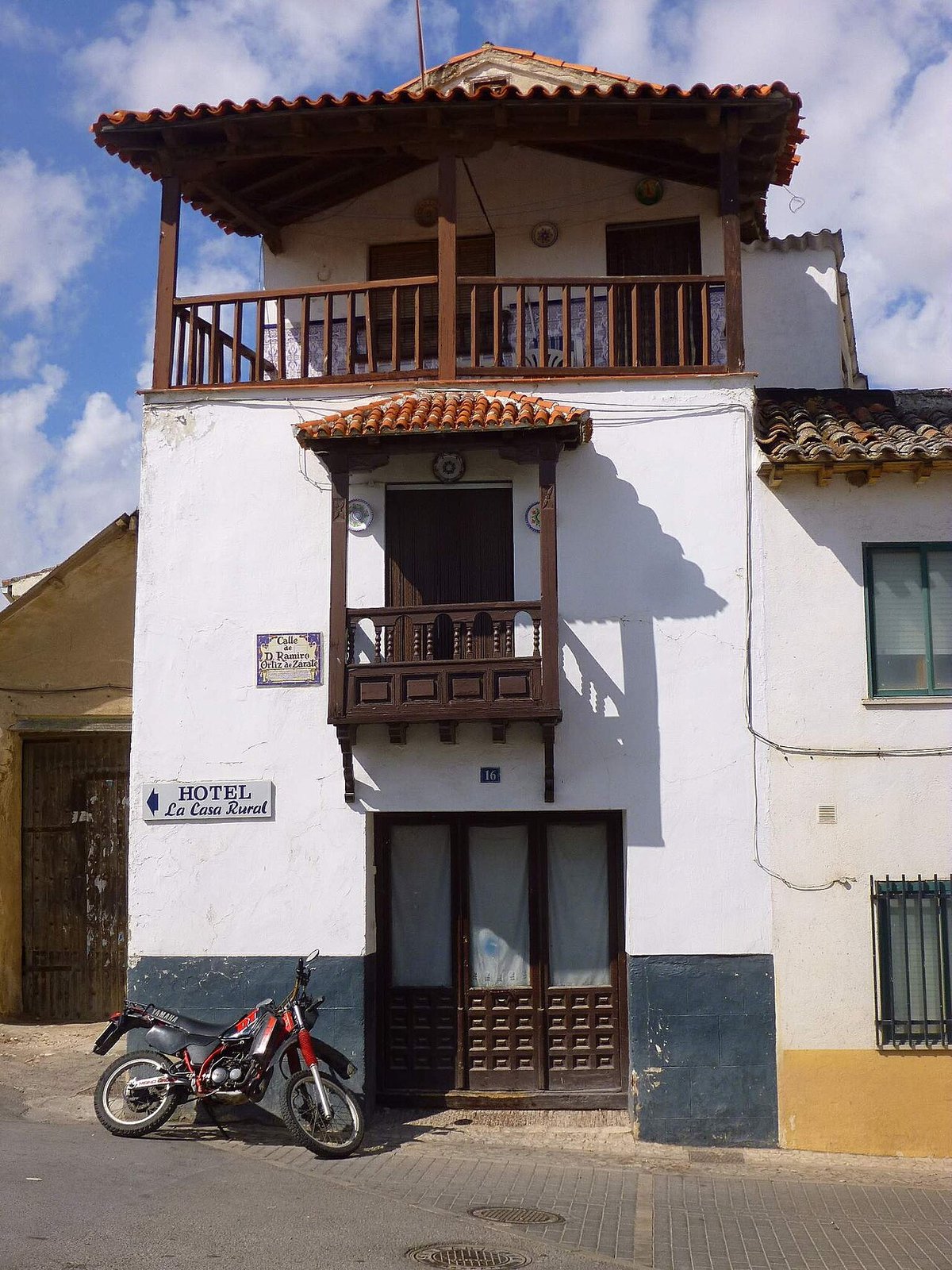
By mid-morning, when the sun has started to warm the whitewashed façades, the square in Belmonte de Tajo settles into a steady murmur. This is a place that still moves at its own pace. The church tower anchors the scene, and its clock, heard before it is seen, drops the hours gently over the nearby streets. Anyone arriving in search of Belmonte de Tajo usually meets this first: a simple square, worn stone benches, and a handful of houses that still show wooden eaves, iron balconies and lime-coated walls.
The streets are short and slightly irregular, the kind that invite an unhurried walk because something always draws attention. An old doorway with wood darkened by time, a hand-forged grille, or a neighbour sweeping the entrance while chatting with someone across the street. The most familiar sounds are those of brooms brushing the ground or shutters being lifted partway through the morning.
The square and the pulse of daily life
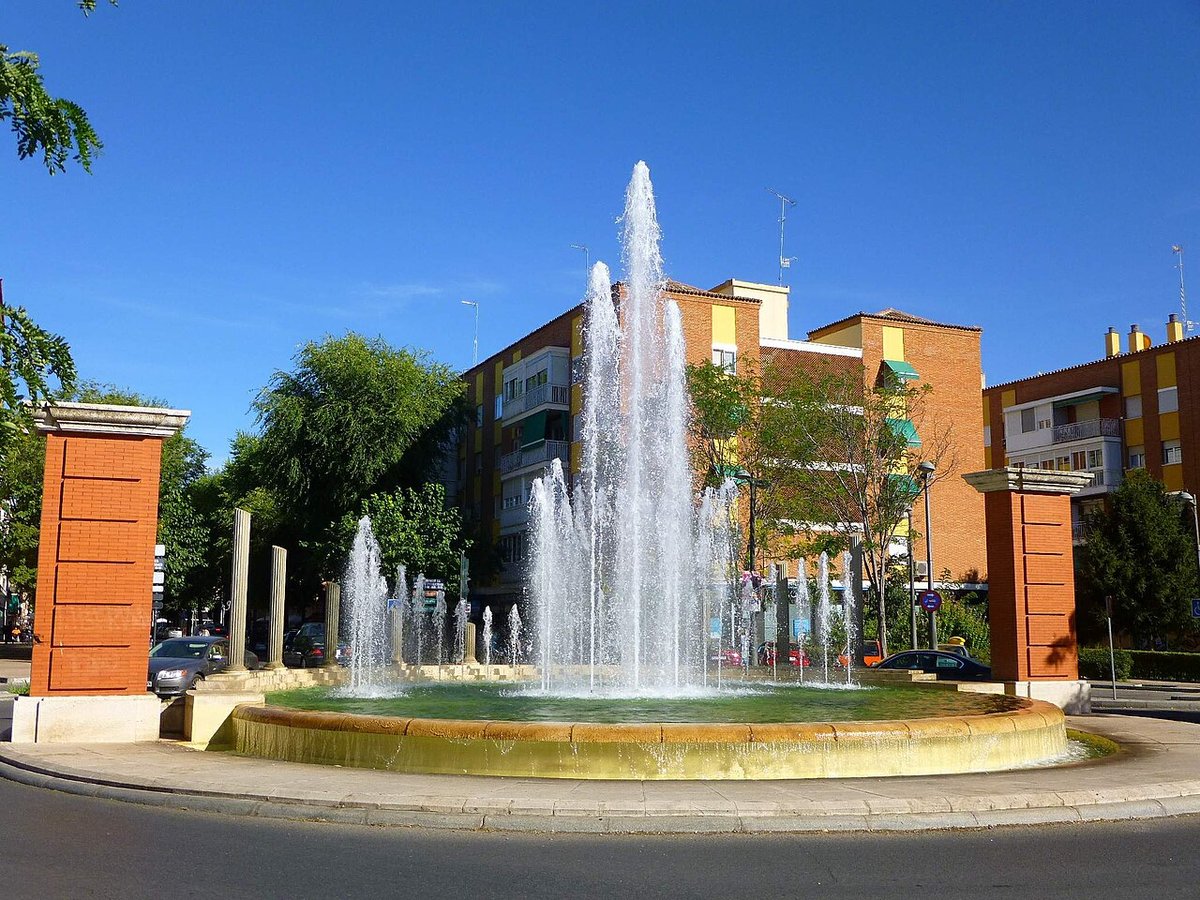
The plaza mayor acts as a meeting point. At certain times of day there is always someone sitting on the stone benches, watching cars pass or talking about how the weather might affect the fields. In the centre, a fountain lets water run slowly. In the afternoon, when the light slants through the trees, reflections shift across the pale stone.
It is not a large or grand space. It is the sort of place where the rhythm of daily life becomes clear quite quickly. People move in and out of the town hall, children cross on bicycles, and conversations begin standing up and end seated, without any rush to leave.
Fields stretching beyond the village
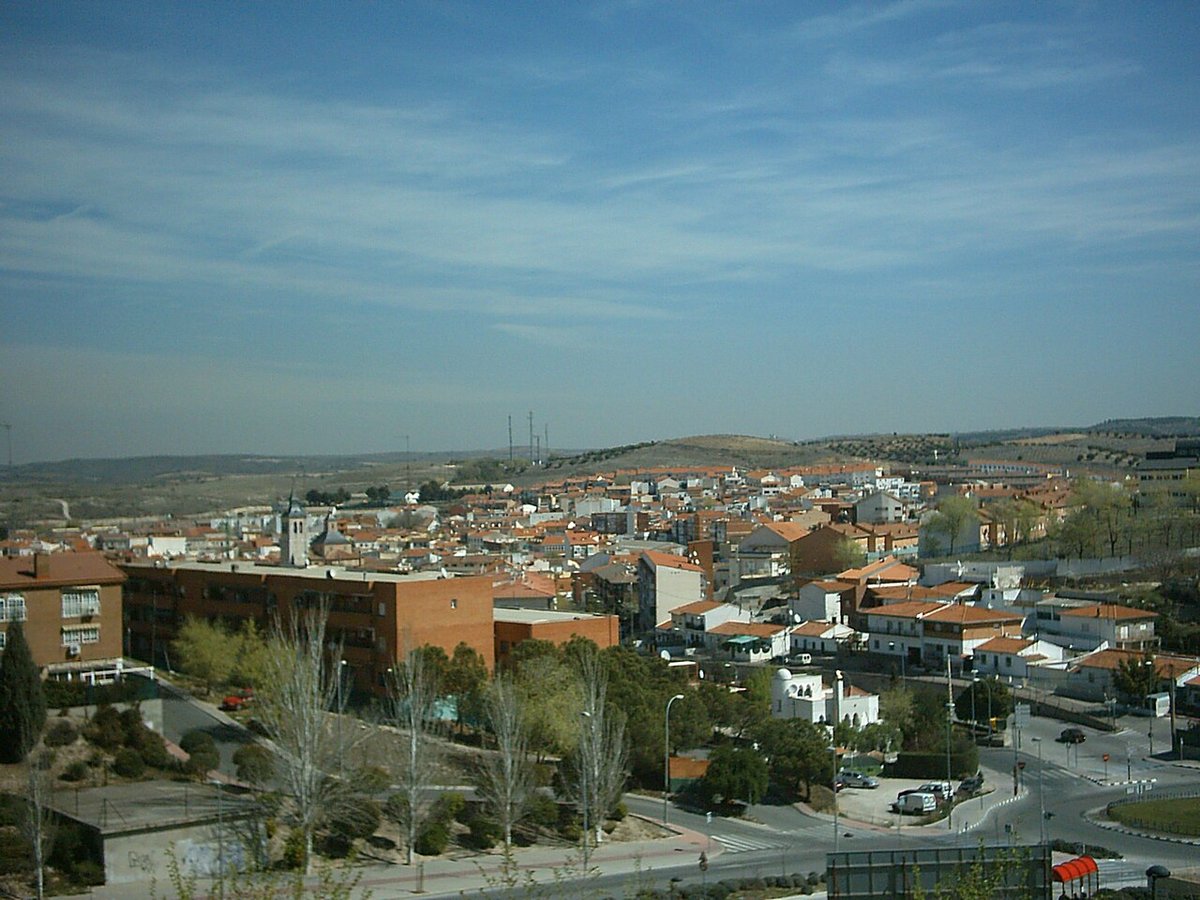
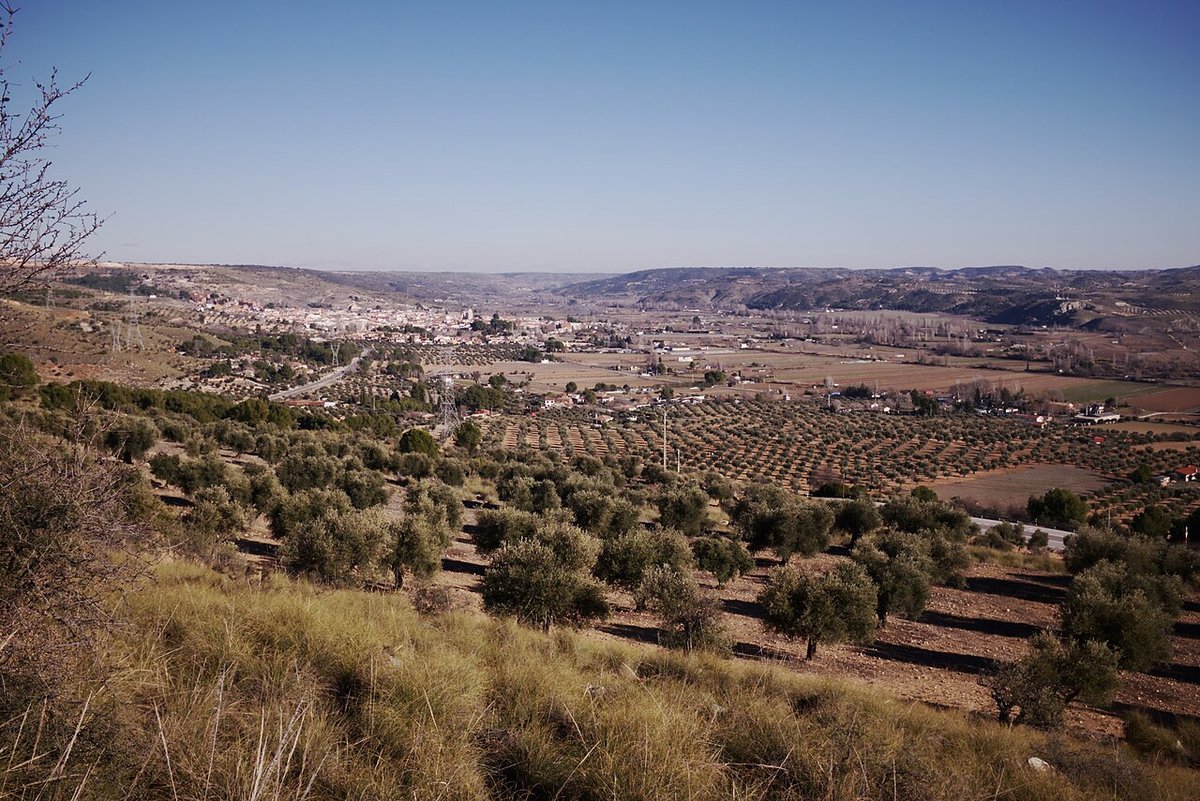
A short walk is enough to leave the built-up area behind. Dirt tracks appear almost immediately, cutting through the farmland of the Las Vegas region. The land opens into a wide plain where colours change noticeably with the seasons.
In spring the fields turn green, though in a muted tone, mixed with freshly worked plots. Summer brings the gold of cereal crops, and the heat lifts dust from the paths. Winter leaves a harsher landscape, with darker soil and wind moving freely across the open ground.
There are no designated viewpoints or railings. The views come simply by walking. Within half an hour from the village centre, the scale of the place becomes clear: crossing paths, an occasional isolated farm building, and a clean horizon in almost every direction.
For those interested in birdwatching, these dry fields tend to attract species typical of open plains. Early morning is the best moment, when the silence is deeper and birdsong carries more easily among stubble and scattered shrubs. Binoculars are useful here.
A place still tied to the land
Agriculture remains part of both the landscape and everyday conversation. It no longer carries the same weight it once did, yet tractors can still be seen coming and going, and trailers loaded during the working season.
From time to time, small stalls or informal sales appear with seasonal vegetables such as tomatoes, beans or courgettes, often coming straight from nearby plots. Local cooking follows that same straightforward base. Dishes are hearty: migas, gachas in the colder months, or lamb prepared with herbs.
Dates that shape the year
The main celebrations tend to gather in summer, around August, when the streets become livelier than usual and processions move through the centre of the village. In winter, the feast of San Antón keeps the tradition of blessing animals, a simple event where many residents bring dogs or other pets.
Easter here is more restrained than in other towns in the region. The processions are smaller, and the atmosphere leans more towards family gatherings than large-scale displays.
When to come and getting there
Spring and autumn are the most comfortable times to explore the surroundings on foot. The light is softer and temperatures make walking along the tracks easier. In summer, the middle of the day is best avoided, as the sun is strong and there is little shade outside the village. Carrying water and wearing comfortable shoes is a sensible choice when heading out among the fields.
In winter, the wind can be noticeable across the plain, especially on clear days. With suitable clothing, walking still has its appeal, though the landscape becomes drier and quieter.
From Madrid, Belmonte de Tajo can be reached by car in under an hour, usually taking the A‑4 towards the area of Fuentidueña de Tajo and then continuing along local roads. Public transport does exist, though services are not always frequent, so checking in advance is advisable if travelling without a car.
Once in Belmonte de Tajo, everything is within easy walking distance. In just a few minutes, it is possible to move from the square to the tracks that lead out into the open fields.