Full Article
about Brea de Tajo
Madrid’s easternmost municipality; it keeps a La Mancha feel and farming traditions in a quiet setting.
Hide article Read full article
The quiet here is a dry, granular thing. It settles in the hour after dawn on Calle Mayor, before the first car rolls over the asphalt still dark from the night’s damp. The light is thin and clear, catching on brickwork and rough masonry, on the deep green of a painted shutter left ajar. It’s a silence you can measure by sounds: the scrape of a chair inside a kitchen, the distant metallic rattle of a gate.
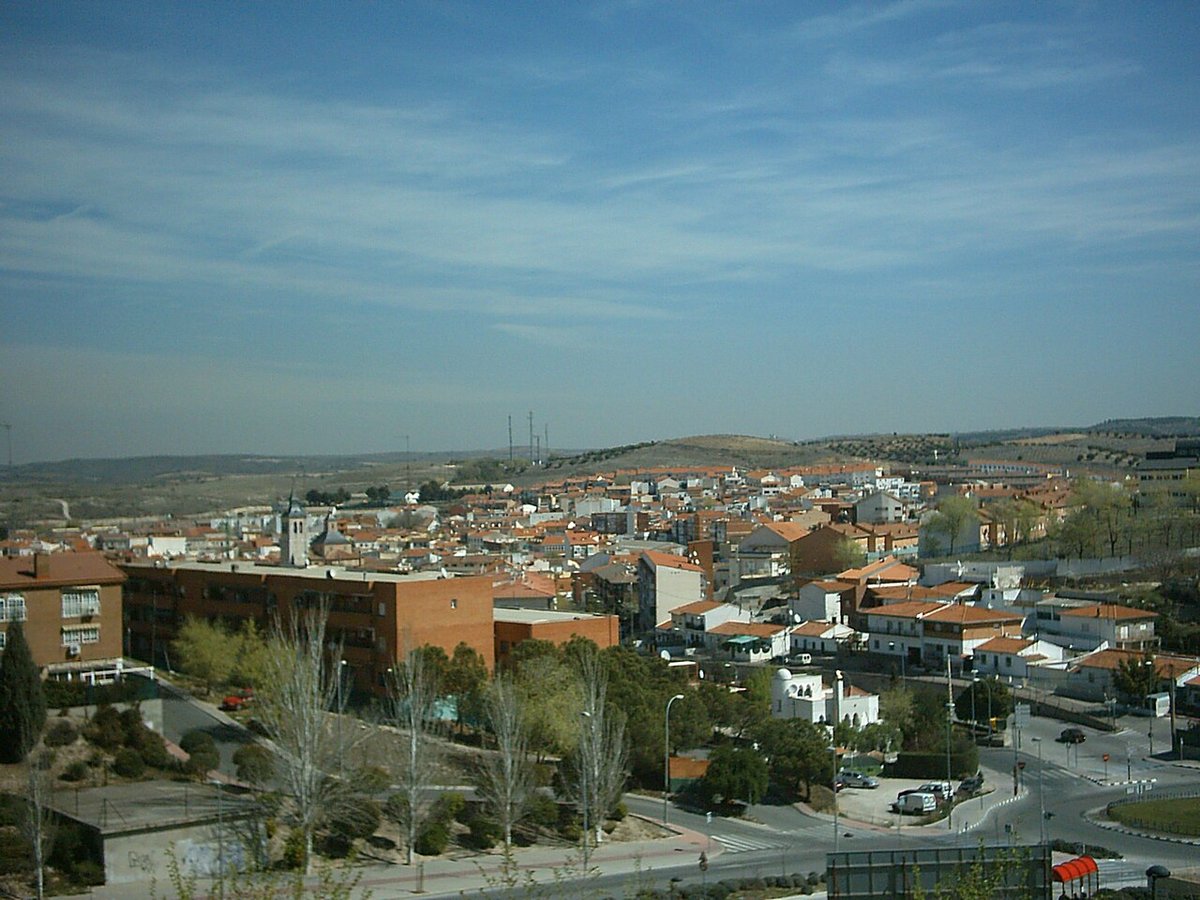
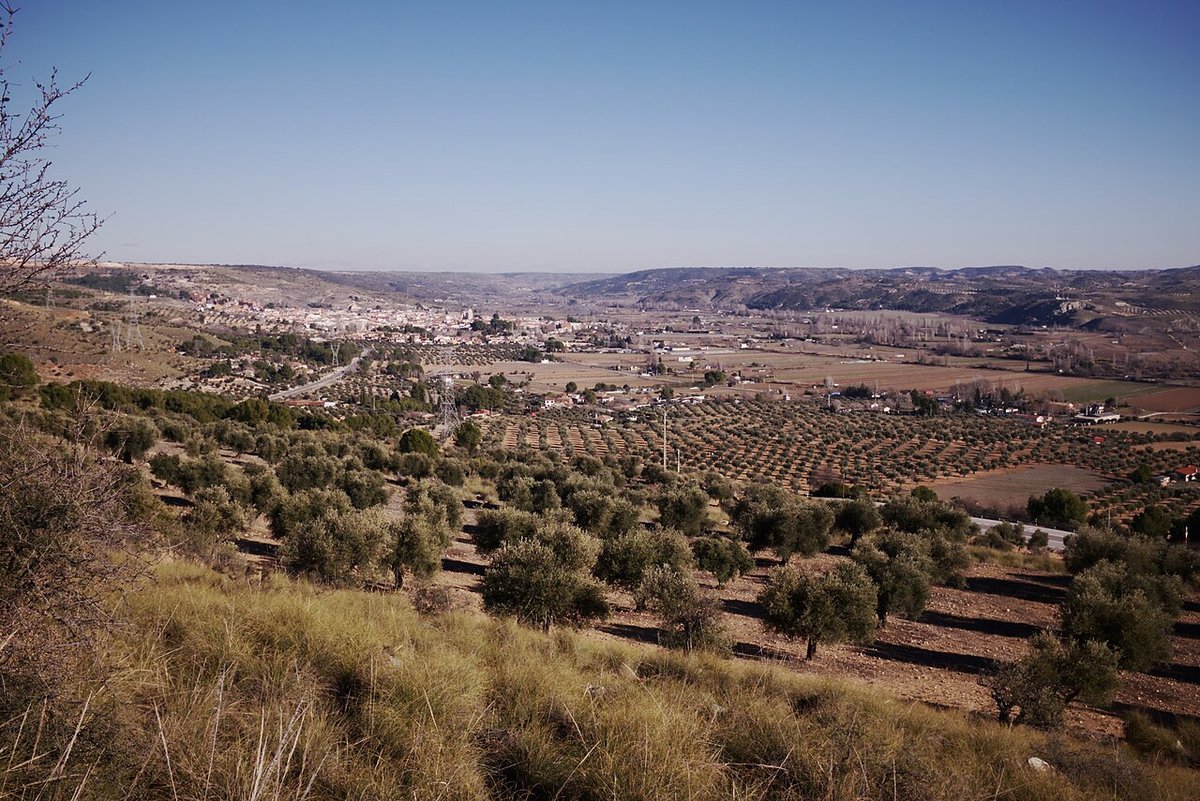
Brea de Tajo sits in the open. From any edge of the village, the view is of fields—a geometry of cereal plots and fallow land that runs to a soft, hazy horizon. The name comes from brea, the pitch once boiled for caulking boats, a reminder of a different scale of life. Now, the rhythm is set by the land. In summer, the earth cracks and turns the colour of baked clay; in late spring, after rain, the green is so intense it seems to vibrate under the sky.
A centre that draws you back
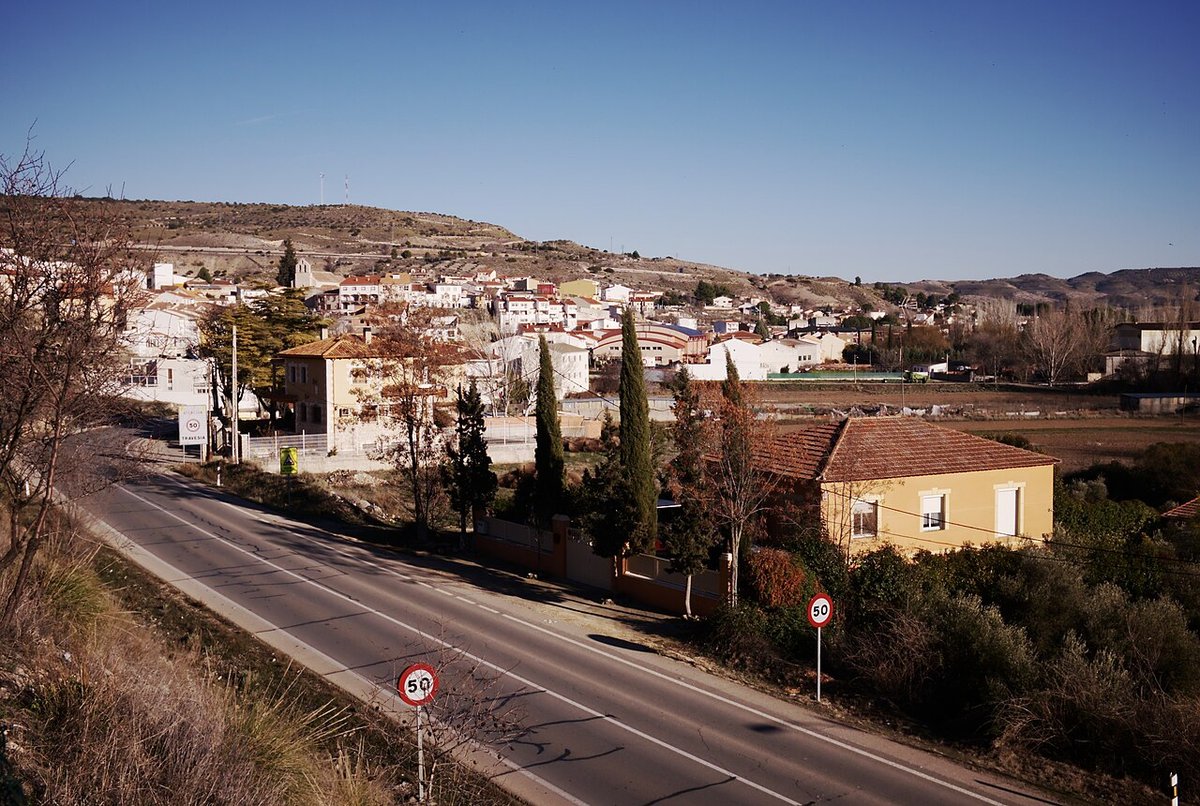
You’ll likely circle back to the church without meaning to. The streets, narrow and sloping gently, tend to lead there. The parish church of La Asunción has a solid, square tower you can use to orient yourself. Its stone has weathered to a warm grey. Around it, in small plazas, you see the practical architecture of this place: thick walls whitewashed to reflect the heat, doorways of worn stone, iron grilles on windows that have turned a flaky black with age.
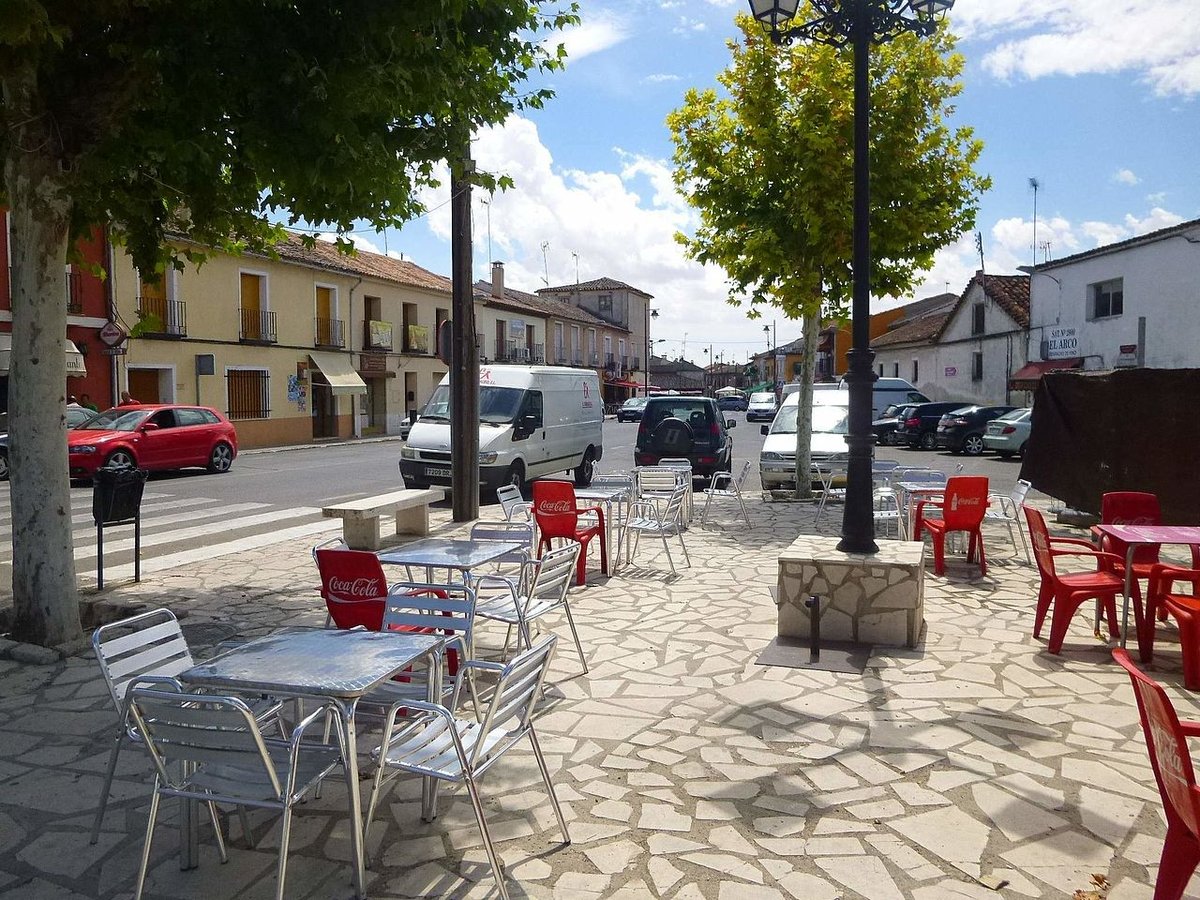
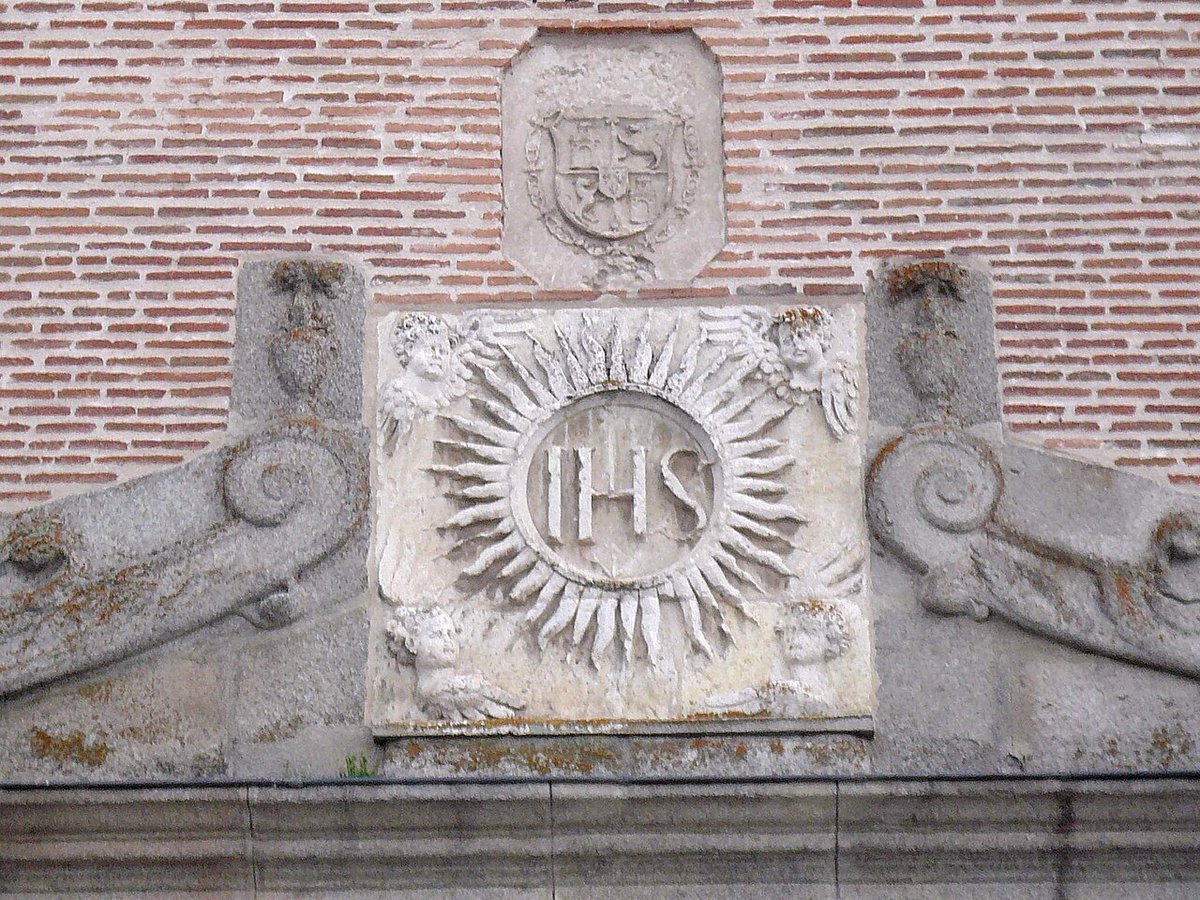
A few minutes’ walk brings you to Plaza Mayor. It’s not grand, but it’s where things happen. The old Casa del Concejo stands with a coat of arms fading into its façade. People cross from one side to the other with bags from the grocer; conversations start and stop at benches. There’s always someone watching from a balcony.
The tracks that lead out
Walk past the last house and you’re on an earth track within twenty paces. These aren’t waymarked trails but working paths for tractors, packed hard and pale with dust. You can follow them for miles. The rule is simple: if a gate is closed or a track narrows towards a farmstead, turn back.
The space is what stays with you. The land rolls in long, slow waves. There are islands of holm oaks where the shade is sparse but welcome. You hear your own footsteps, the wind combing through barley, maybe a tractor working a far-off slope. For cycling, these tracks are good ground—wide, with manageable gradients and hardly any traffic. Carry all your water. You won’t find shade or a fountain until you return.
When to walk here
Come in spring, but be ready for mud on those farm tracks if it’s rained. The transformation is swift; one week the fields are bare earth, the next they’re covered in a low, brilliant carpet. Autumn is better for light. The sun hangs lower, casting long shadows that define every dip and rise in the land, turning everything gold and umber by late afternoon.
Summer demands respect. By ten in the morning, the heat is pressing and direct. If you’re walking then, you’re done by midday. Winter has its own clarity—cold, bright days where you can see for leagues, interrupted by spells of a wind that cuts across the open plains with nothing to slow it.
A practical sort of pause
This isn’t a village of grand sights. It’s one for slowing down. For noticing how the light abandons a certain wall by mid-morning, or how the smell shifts from damp earth to dry thyme as you leave the houses behind. The character is in the work visible on the land: the straight furrows, the grain stores sitting low and solitary in the fields.
The drive from Madrid means leaving the motorway for regional roads that twist through other small towns like La Puebla de la Mujer Muerta or Estremera. The turns aren’t always well-signed; have your map ready. Wear shoes that don’t mind dust or mud. And look without trespassing—from the path, you see enough to understand the quiet rhythm of this place