Carabaña - Flickr
Madrid · Mountains & Heritage

Carabaña

The mineral water bottled in Carabana once travelled further than most of its residents ever will. In the early 1900s, trainloads of it clanked 40 ...

2,451 inhabitants · INE 2025
625m Altitude

Why Visit

Church of the Assumption Walks along the Vía Verde

Best Time to Visit

spring

Virgin of the Light (September) septiembre

Things to See & Do
in Carabaña

Heritage

  • Church of the Assumption
  • Hermitage of Santa Lucía
  • Historic spa

Activities

  • Walks along the Vía Verde
  • cycle touring
  • visit to the olive-oil mill

Festivals
& & Traditions

Fecha septiembre

Virgen de la Luz (septiembre)

Las fiestas locales son el momento perfecto para vivir la autenticidad de Carabaña.

Full Article
about Carabaña

Known worldwide for its medicinal waters; a quiet village on the banks of the Tajuña river.

Ocultar artículo Leer artículo completo

The mineral water bottled in Carabana once travelled further than most of its residents ever will. In the early 1900s, trainloads of it clanked 40 kilometres northeast to Madrid's cafés and pharmacies, where doctors prescribed it for everything from indigestion to melancholy. The railway line closed decades ago, but the springs still bubble up beside the Tajuña river, now serving mainly local day-trippers who fill plastic carboys rather than crystal bottles.

The Town That Water Built

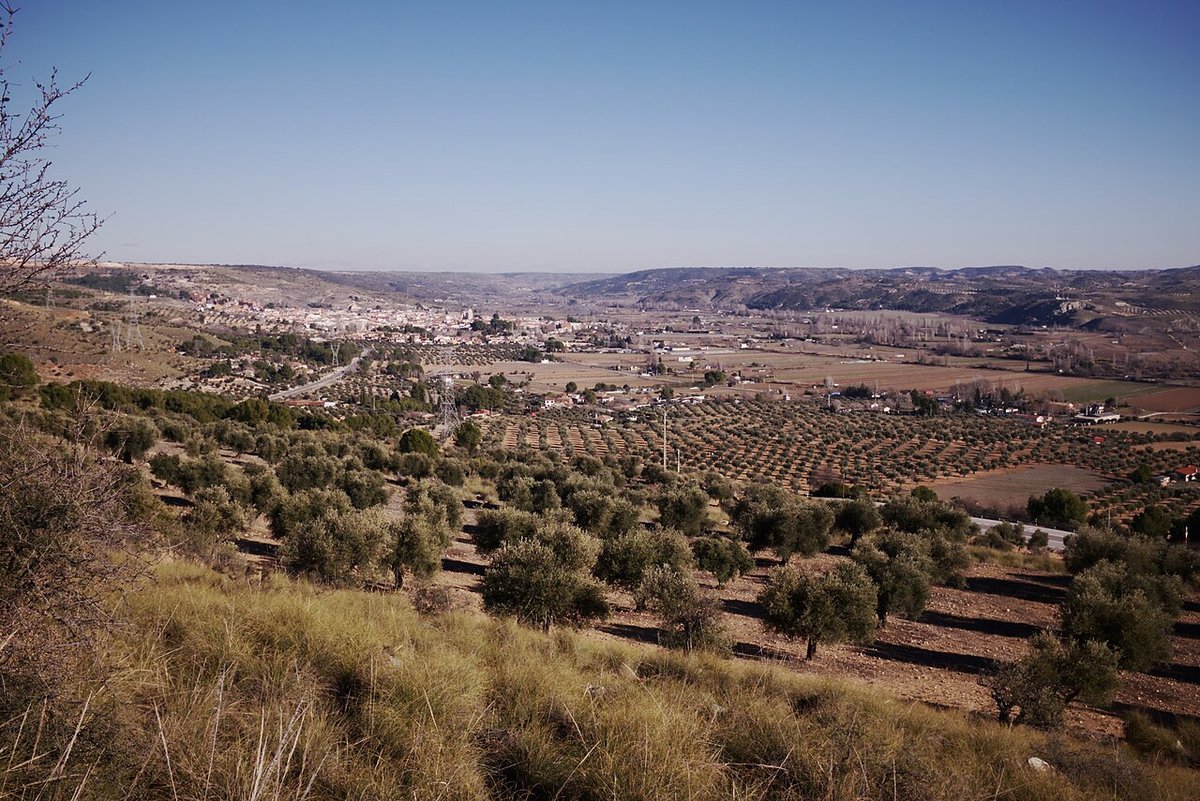
Carabana sits at 625 metres in the Las Vegas region, a belt of fertile floodplain that Madrid's motorway builders couldn't resist slicing through. Take exit 50 off the A-3 and the city dissolves into vegetable plots within twenty minutes. The approach road passes polyethylene greenhouses, then older irrigation channels that still divide the land into medieval strips. It's all surprisingly green for an area technically inside the capital's commuter belt.

The town's population hovers around 2,300, though weekend numbers swell when Madrid families return to ancestral houses. They come for proper cocido madrileño at Restaurante La Vega or Casa Blas, where the chickpea stew arrives in three acts: soup first, then pulses and cabbage, finally the meat that's been simmering since dawn. Expect to pay €12-15 for the full portion; half-rations are available if you're not prepared for the full carbohydrate assault.

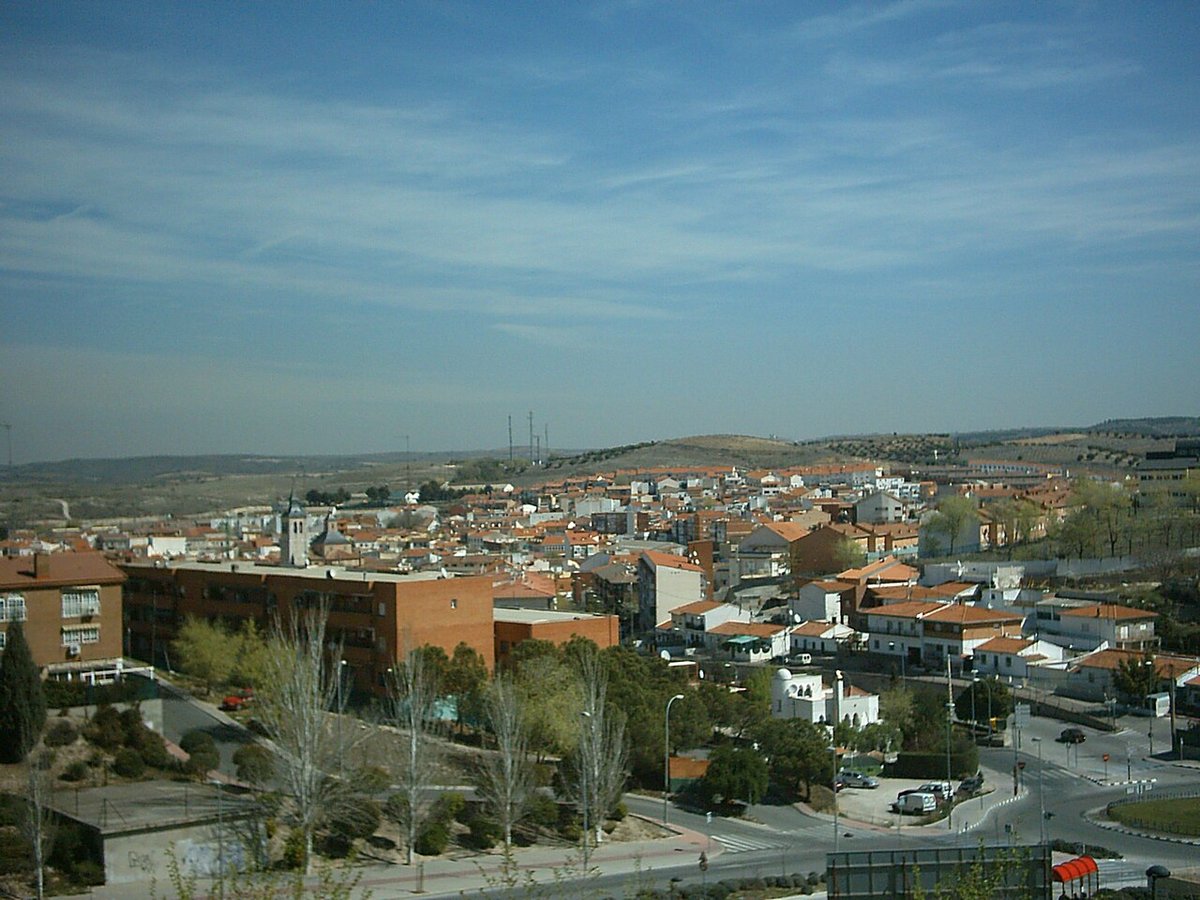
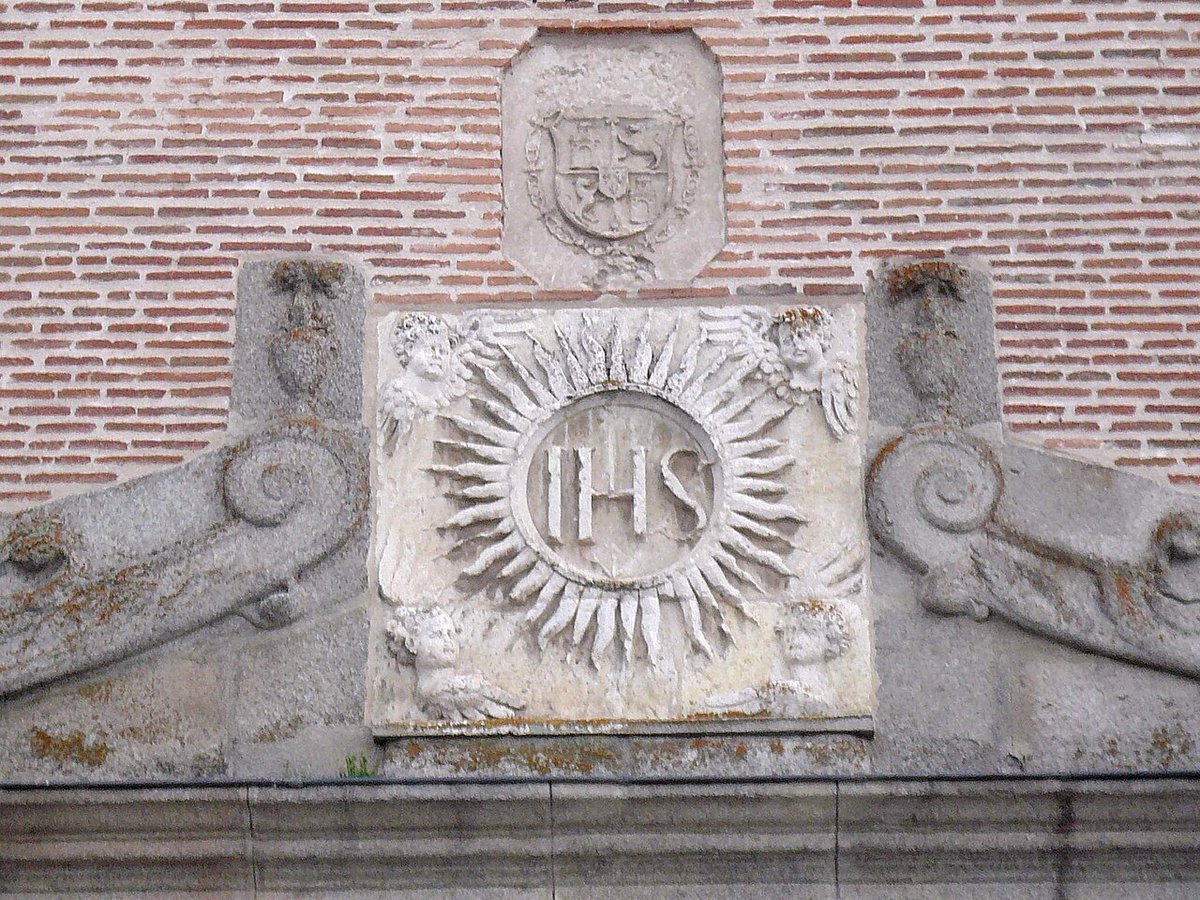
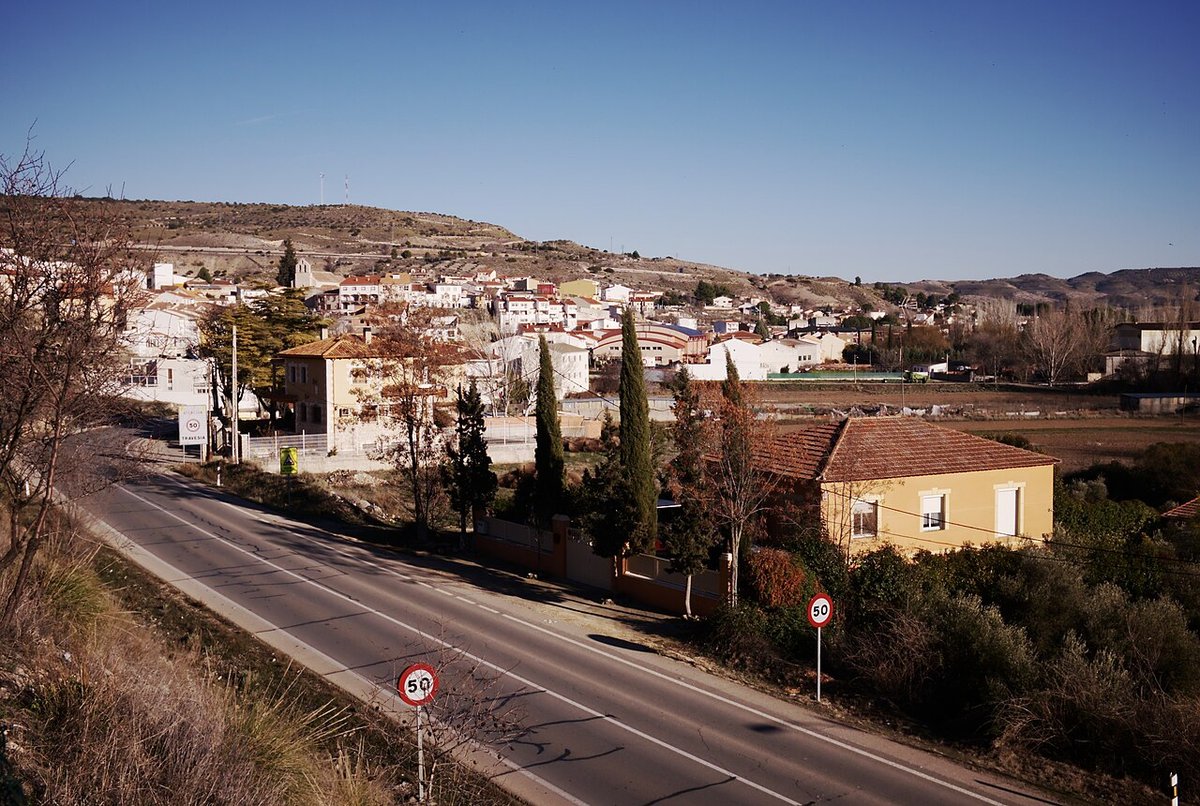
San Pedro Apóstol church dominates the compact centre, its brick and stone tower visible from anywhere in town. Step inside during opening hours (mornings except Monday, evenings Friday-Sunday) to see a surprisingly elaborate baroque altarpiece funded by those water fortunes. The surrounding streets repay wandering: look for the house on Calle Real with 19th-century ironwork spelling out the owner's initials, or the former spa director's mansion, now subdivided into flats but retaining its balconied façade.

Where the River Still Rules

The Tajuña moves slowly here, having already wound past olive groves and the ruined Azuqueque aqueduct upstream. Poplars line the banks, their leaves silvering in the breeze that offers relief during summer's fierce afternoons. A 3-kilometre path follows the river south to an old watermill; morning walkers share it with cyclists heading towards the neighbouring village of Ambite. The route passes allotments where pensioners grow cardoons and broad beans using techniques their grandparents employed on the same soil.

Fishing permits cost €8 daily from the town hall, but most visitors content themselves with watching kingfishers dive from overhanging branches. The river supports a healthy population of carp and barbel; local anglers gather at dusk, trading tips about which spots the cormorants haven't cleaned out. Bring insect repellent in summer - the standing water breeds mosquitoes that haven't read the tourism brochures.

The Spa That Isn't There Anymore

Carabana's mineral water made headlines in 1902 when laboratory analysis declared it chemically identical to Vichy's famous springs. The Balneario de Carabana opened shortly after, a grand complex with marble baths, billiard rooms, and a casino that hosted Madrid's literary set. The main building still stands beside the springs, its neoclassical columns now supporting nothing more than ivy and nesting swallows. Through broken windows you can glimpse the remains of Turkish baths, their turquoise tiles gradually succumbing to frost and neglect.

The water itself remains potable - a small fountain outside the gates lets visitors taste the slightly sulphurous brew that supposedly cured everything from anaemia to rheumatism. Bring a bottle; the locals do. The town tried reviving the spa in the 1990s, but EU regulations about bottling plants and accessibility proved too expensive for a village this size. Plans for a boutique hotel came to nothing when the 2008 crisis hit. Now the site serves as a melancholic reminder of how quickly health fads fade and fortunes reverse.

Walking Off the Cocido

Three marked trails start from the town centre, varying from 45 minutes to three hours. The shortest climbs Cerro de la Ermita, topping out at 720 metres with views across the vega to the Guadarrama mountains. Spring brings wild asparagus and thyme; autumn offers wild mushrooms that locals guard jealously. The longer routes circle through olive groves and past abandoned farmhouses whose stone walls slowly dissolve back into the earth.

Serious hikers can link up with the GR-124 long-distance path, which follows the Tajuña valley for 60 kilometres through agricultural landscapes unchanged since medieval times. The section between Carabana and Tielmes passes three river crossings; after heavy rain you'll need boots. Summer walking starts early - by 11 am the sun makes exposed sections unpleasant, though the riverside paths stay cooler.

When to Come (and When Not To)

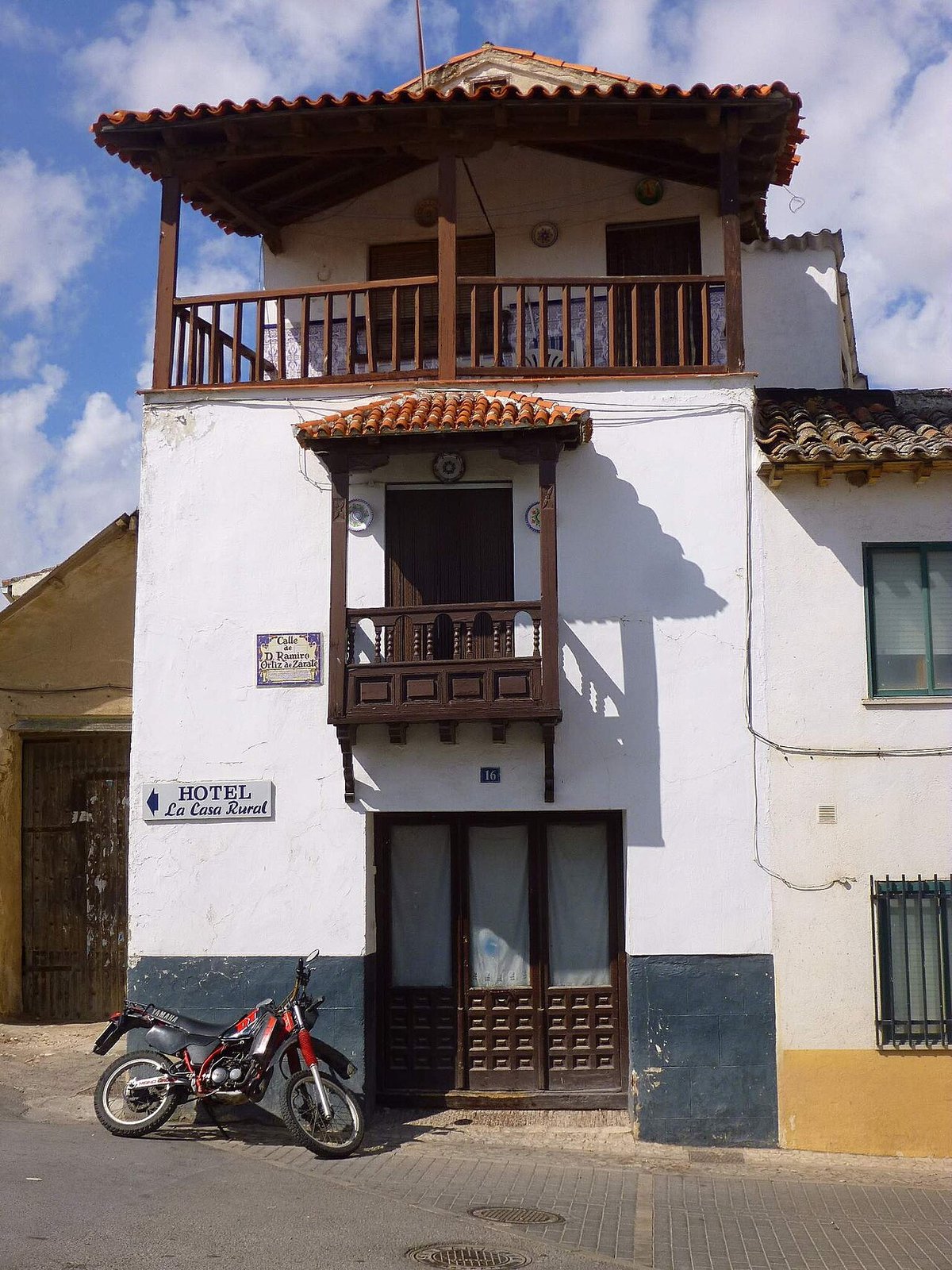
Spring works best, when the vega turns emerald and temperatures hover around 20°C. The local fiesta in late June brings processions and outdoor dancing, but also crowds that double the population. Accommodation options remain limited: two rural houses in the village itself, plus several more scattered across the countryside. Book ahead for festival weekends; otherwise you risk a 20-kilometre drive to the nearest hotel in Chinchón.

Avoid August afternoons when temperatures regularly exceed 35°C and the town empties except for British expats who haven't learned the siesta ritual yet. Winter brings its own challenges - the M-204 becomes treacherous during the occasional snow shower, though the whitewashed houses look fetching against the Sierra Nevada backdrop. Most restaurants close Monday and Tuesday outside peak season; call ahead rather than trust Google opening hours.

Getting Here Without a Car

Buses run twice daily from Madrid's Conde de Casal station, taking 75 minutes through industrial estates and new housing developments that sprawl ever further from the capital. The service reduces to once daily on weekends, departing Madrid at 2 pm and returning at 7 am - timing that only works if you're staying overnight. A taxi from the A-3 exit costs €25 if you can persuade one to come out from Arganda del Rey; ride-sharing apps rarely work this far from the city.

Car hire makes more sense for combining Carabana with nearby Chinchón and its famous plaza, or Aranjuez's royal palace. Parking in Carabana remains free everywhere except during fiestas, when the main square becomes a fairground. The town takes twenty minutes to walk across; leave the car by the river and explore on foot.

Carabana won't change your life. It's a place for tasting mineral water that once graced royal tables, for walking river paths that farmers have used for eight centuries, for eating stews that taste of firewood and patience. Come for half a day, perhaps combining it with wine tasting in Chinchón. Expect gentle rather than spectacular, authentic rather than polished. The water still flows, even if nobody's bottling it anymore.

Key Facts

Region
Madrid
District
Comarca de Las Vegas
INE Code
28035
Coast
No
Mountain
No
Season
spring

Livability & Services

Key data for living or remote work

2024
ConnectivityFiber + 5G
HealthcareHospital 20 km away
EducationElementary school
Housing~5€/m² rent · Affordable
Sources: INE, CNMC, Ministry of Health, AEMET

Planning Your Visit?

Discover more villages in the Comarca de Las Vegas.

View full region →

More villages in Comarca de Las Vegas

Traveler Reviews