Full Article
about Chinchón
One of the most visited towns; known for its medieval Plaza Mayor and Castilian cuisine.
Hide article Read full article
A place you smell before you grasp
Some towns reveal themselves through their streets and landmarks. Chinchón works differently. The first clue is in the air: warm bread, something sweet, and a steady trace of aniseed that seems to drift through everything. For many visitors, that is where tourism in Chinchón begins, with the nose rather than the eyes.
That scent is not decorative. It belongs to everyday life. It turns up early in the day and doesn’t raise eyebrows. In local bars, alongside coffee and toast, a bottle of anís may already be open. No fuss, no ceremony. That quiet normality says quite a lot about how things run here.
A square that pulls everything in
Plaza Mayor is the centre of gravity in Chinchón. It is not grand in a classical sense, yet stepping into it makes its role immediately clear: the town revolves around this space.
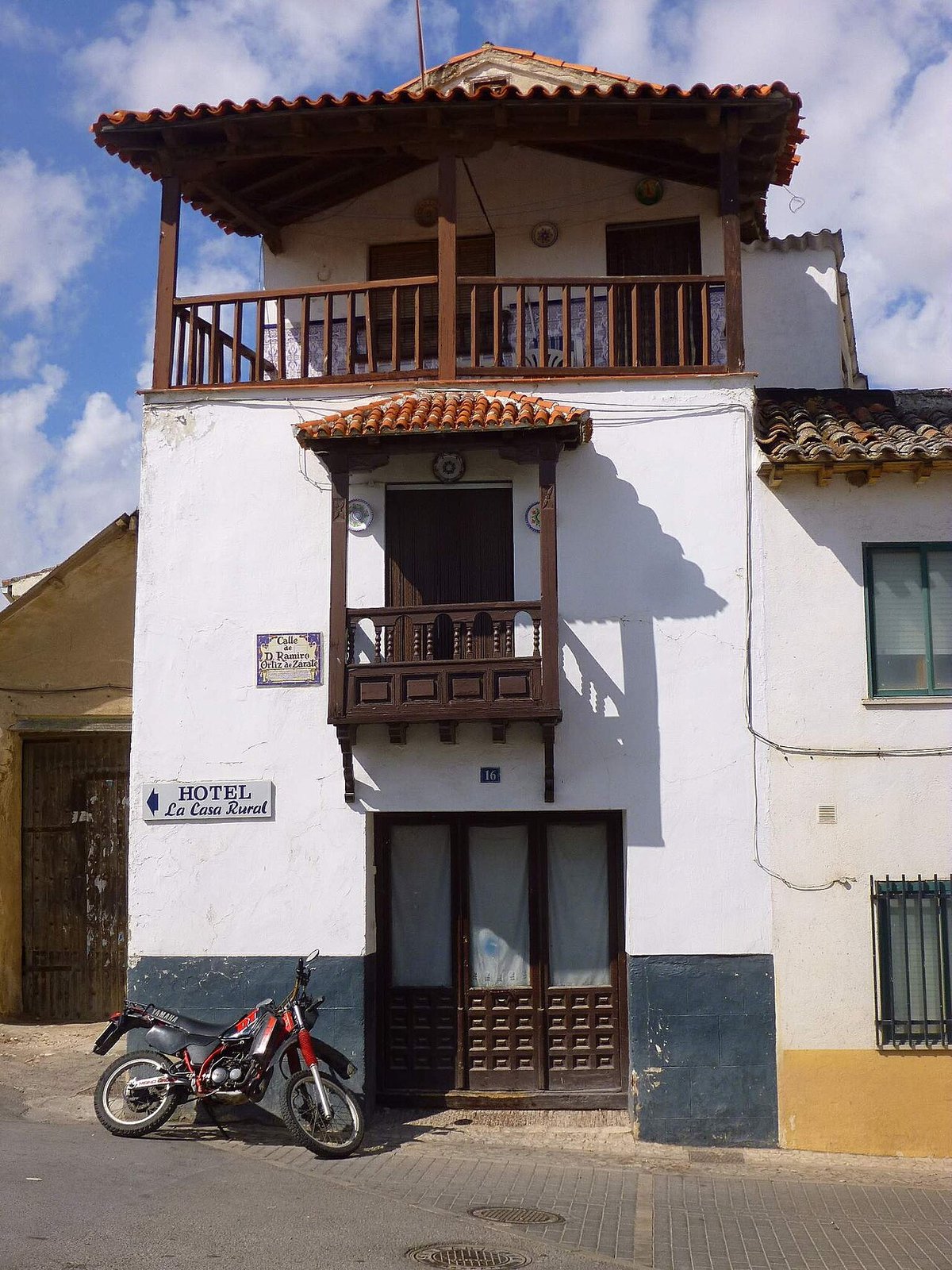
The square is almost circular, enclosed by three-storey buildings with wooden balconies. People often say there are more than two hundred of them. All face inward, as if waiting for something to unfold in the middle.
Its character shifts depending on the moment. When empty, it feels wide and calm. During fiestas or traditional bull-running events, it turns into an improvised amphitheatre filled with people. Balconies fill quickly, and the whole place takes on a completely different energy.
Quiet suits it well. Sitting for a while, looking at the slightly uneven façades, and listening to conversations in the background changes the pace of time. Minutes stretch without much effort.
Anís as part of daily rhythm
Anís de Chinchón is not treated as a souvenir. It is part of the routine.
Distilled here for centuries, it appears in everyday habits without any sense of occasion. Some drink it after a meal, others order it alongside a morning coffee. It may seem unusual at first, but in Chinchón it fits naturally into the rhythm of the day.
Locals often speak of three styles: seco, dulce, and a stronger version sometimes called “especial”. Each has its followers. The seco has a sharper edge, while the dulce goes down more easily than expected.
It is common to see older residents asking for a small glass of anís at the bar in the same casual way someone might ask for water. The surprise fades quickly. Before long, it feels like just another local custom.
Food that leans on the oven and the pot
Cooking in Chinchón keeps things straightforward. It relies on the oven and slow, comforting dishes.
Roast lamb or kid goat appears frequently on menus across the town. Prepared in wood-fired ovens, with crisp skin and generous portions, it is the kind of food that invites a long, unhurried meal.
Sopa chinchonera is another staple. Made with bread, garlic, paprika, and egg, it sits close to a classic garlic soup but with more substance. In colder weather, it is exactly what the body asks for.
Then come the torrijas, prepared at certain times of year. Some versions use wine instead of milk, which may sound unexpected until the first bite. The result is richer, a more robust take on a familiar sweet.
Up to the castle, down to the point
The castle stands on a hill above the town, overlooking the urban centre. What remains today is largely its structure, with plenty of exposed stone. It is not a place of furnished rooms or curated exhibits.
Even so, the walk up is worth it.
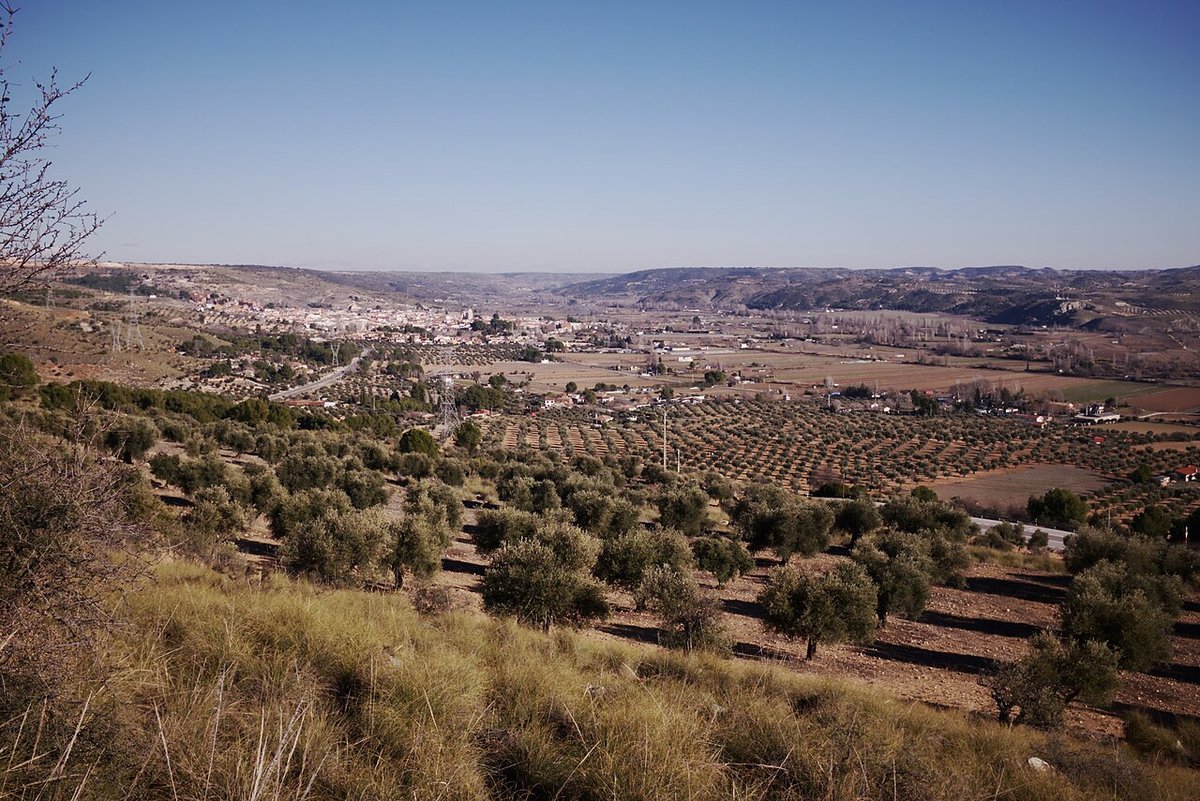
From the top, the layout of Chinchón becomes clear. Streets slope down towards the Plaza Mayor, as though everything has been designed to lead there. Low houses, reddish roofs, and open countryside frame the view.
The climb is short, with a steady incline. It is the sort of walk taken without hurry, useful for easing into the landscape or simply settling after a meal.
Details that appear if you linger
Chinchón reveals small stories to those who stay a little longer, details that do not appear on information boards.
Some locals talk about an old passage said to connect the castle and the church. Others consider it more legend than fact. Either way, there is usually someone willing to point out where it might have been.
Inner courtyards in many older houses also draw attention. Several once had wells that supplied water for the household. Today, they remain as traces of another time, from when water did not come with the turn of a tap.
The atmosphere shifts noticeably in summer or during major festivities. The square fills, balconies are taken, and attention focuses on the same central space. On quieter days, especially during the week, the town moves at a different pace. A walk, a relaxed meal, and a return to Madrid later on can be enough.
Chinchón is not the most striking town in the region. Yet it has a pull that is hard to pin down. It might be the square, the presence of anís, or simply the sense that things move a little more slowly here. Sometimes, that is reason enough.