Full Article
about Ciempozuelos
Municipality on the Jarama plain with farming roots; it has notable architecture and historic saltworks.
Hide article Read full article
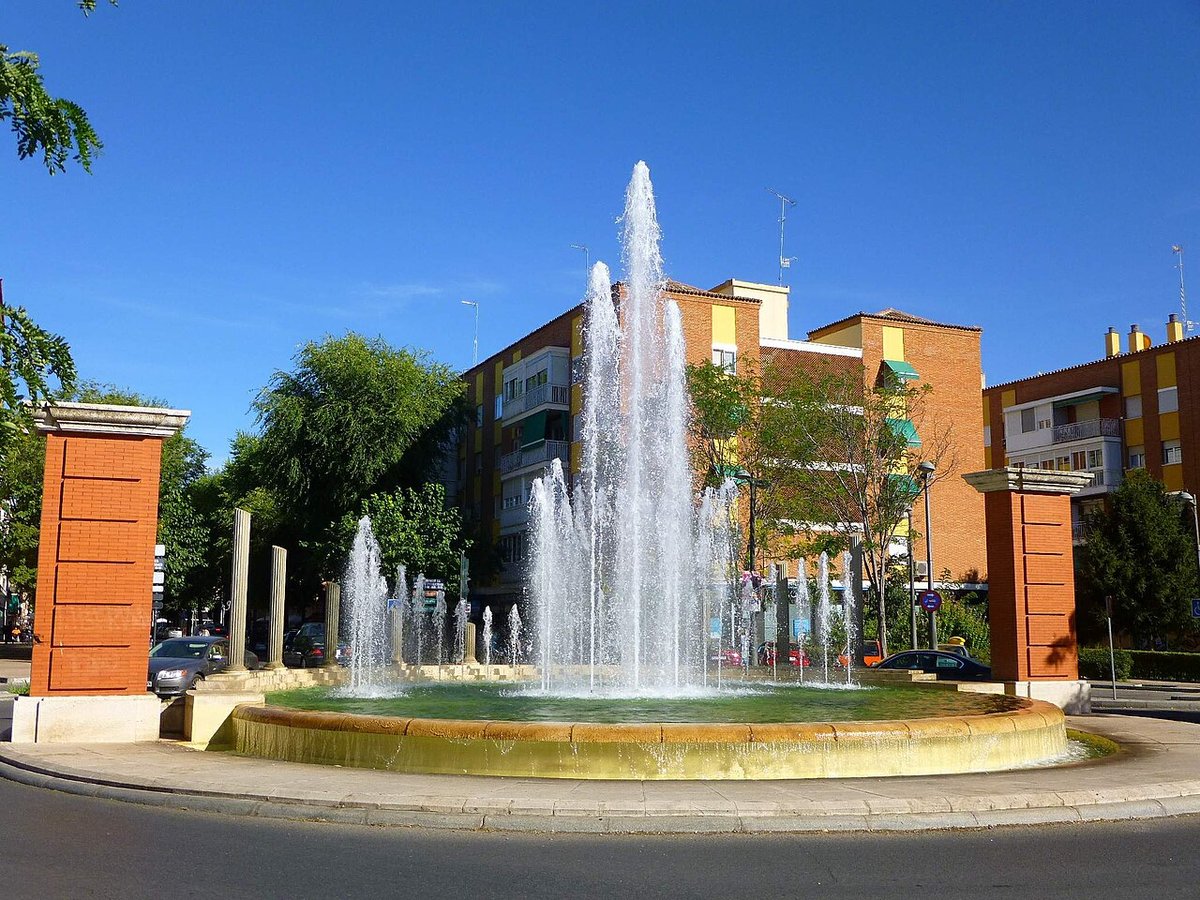
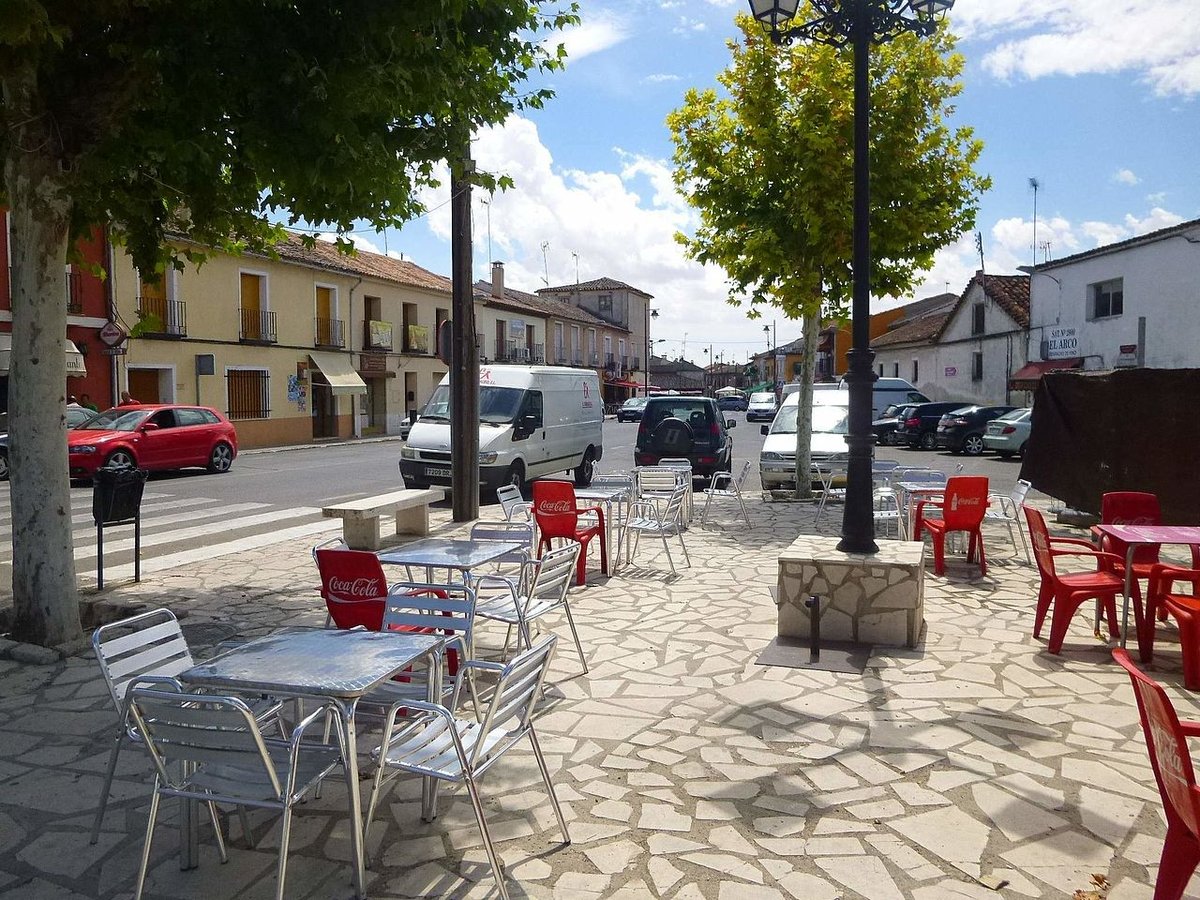
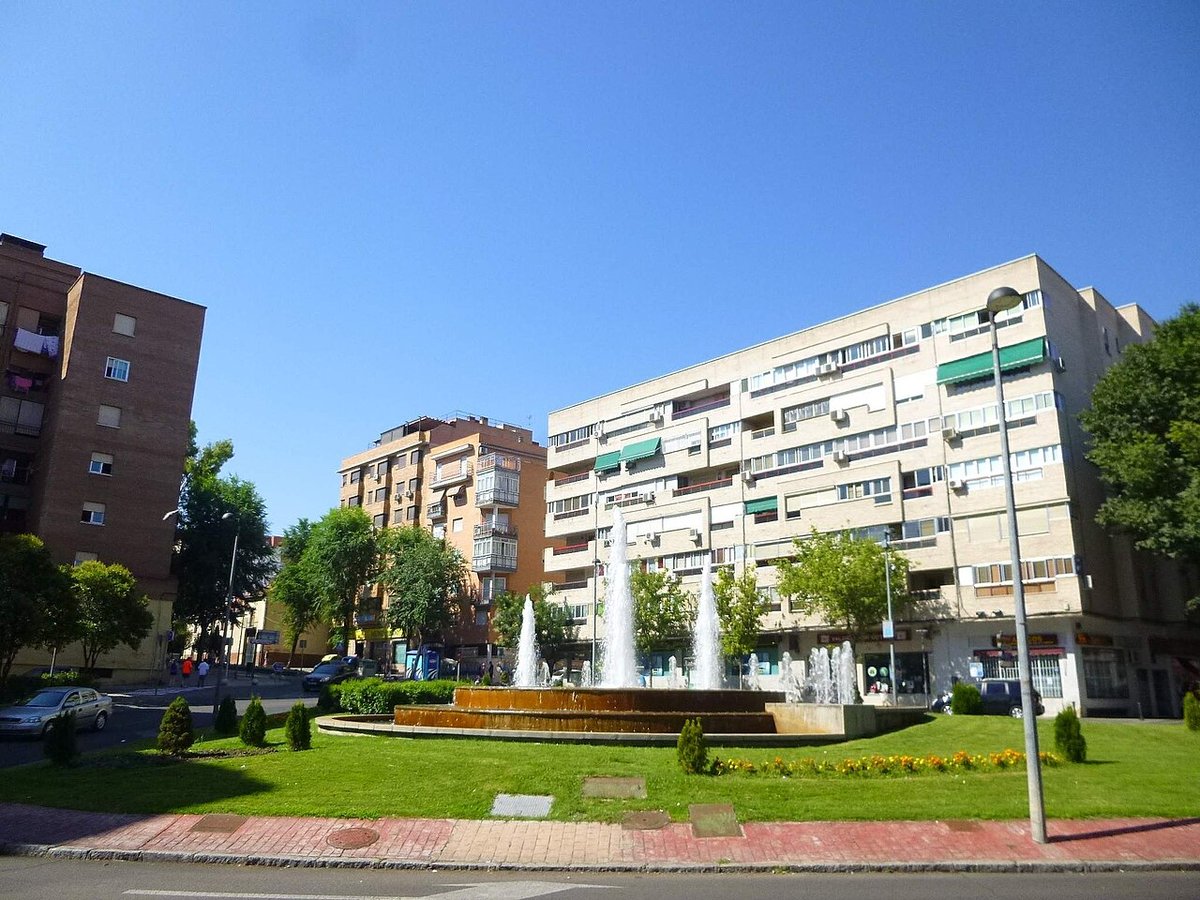
The bells of Santa María Magdalena ring out late in the afternoon, while the sun still falls at an angle across the square. The ground holds onto the day’s warmth, and people drift towards the strips of shade cast by the buildings. Voices carry from terrace tables and the sound of a fountain settles into the background.
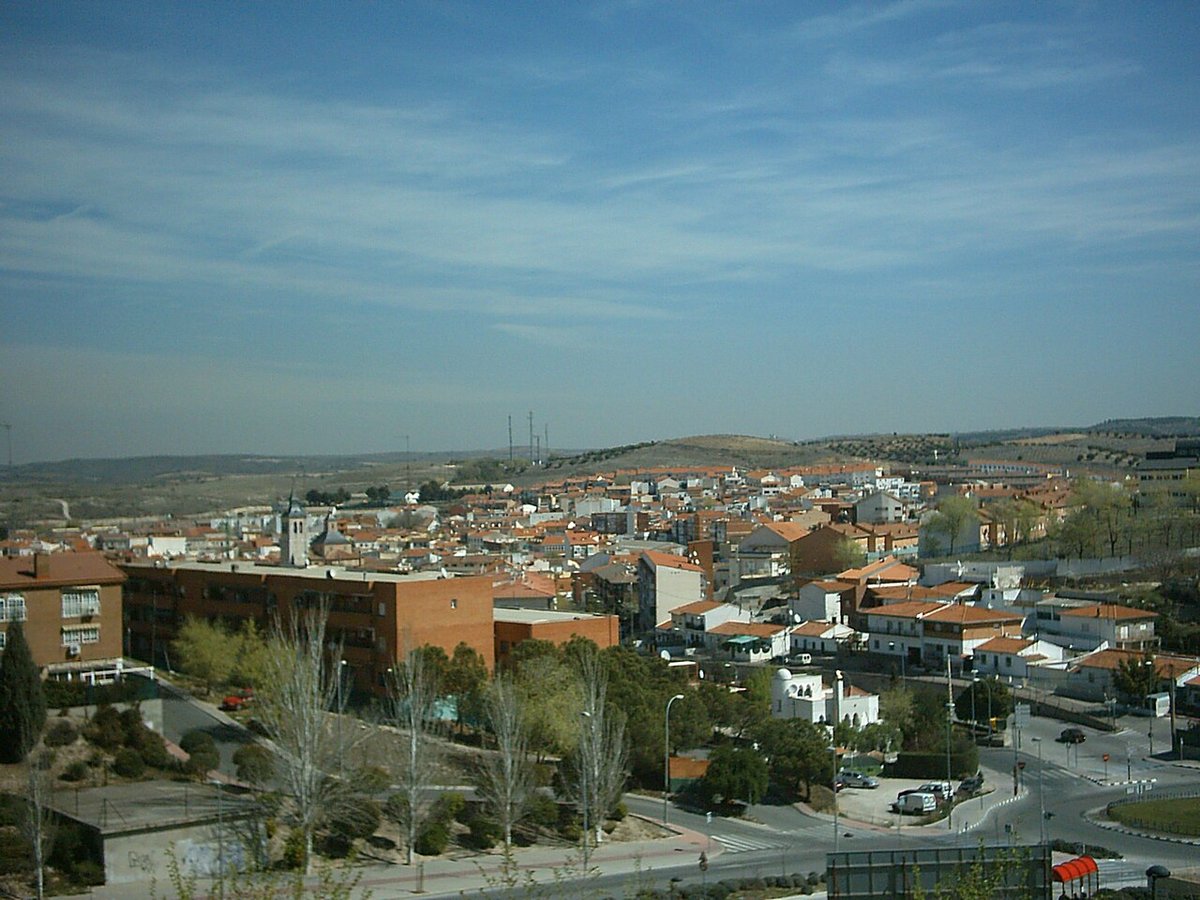
Life moves at an unhurried pace here, in one of the towns south of Madrid where the fertile plain of the Jarama River has long set the tempo. Conversations stretch out, and the light fades slowly over rooftops of brick and tile.
A white gazpacho, thick with bread and memory
Across the towns of the vega, there are many ways to make use of stale bread. In Ciempozuelos, one recipe still comes up in conversation: a white gazpacho. It is thick, made with bread, garlic, oil and vinegar, and notably contains no tomato. It has more in common with older Castilian versions than with the better-known Andalusian one.
Each household prepares it differently. In summer it can be lighter, almost drinkable, while in colder months it becomes closer to a cream. The variation depends on taste, habit and the season. In winter, that same gazpacho might be finished with a generous drizzle of oil and served as an evening meal. It is a simple dish, shaped by necessity, that still lingers in local memory.
The damp air of the Minas de Agua
Below the urban centre lies a network of underground galleries dug to capture water. In Ciempozuelos they are known as the Minas de Agua.
Stepping down into them brings an immediate change. The air turns damp, carrying the smell of cool earth and lime. The corridors are narrow, and the walls still show marks left by tools. These passages once channelled water towards nearby market gardens. At times, guided visits are organised to explore parts of these galleries; availability varies, so it is worth checking in advance with the town hall.
The dry taste of the Salinas de Espartinas
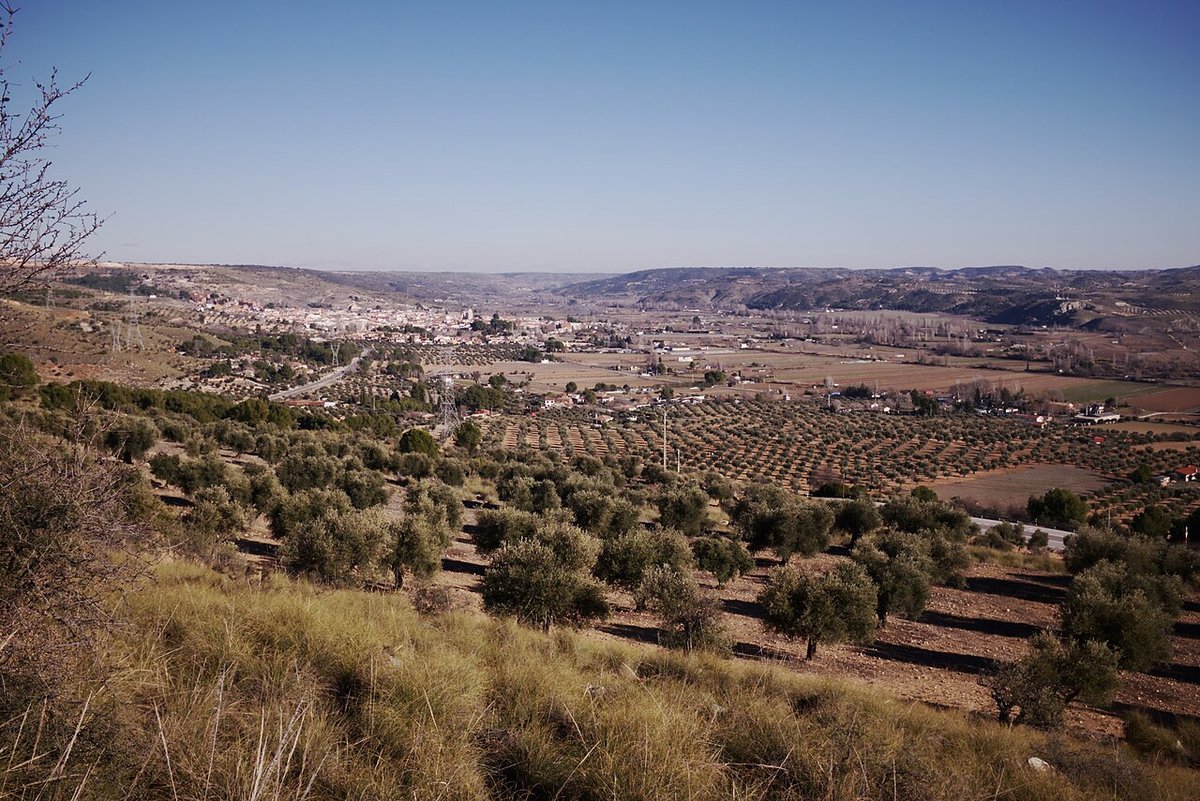
A few kilometres from the centre, heading out towards open fields, lie the Salinas de Espartinas. The site has the feel of a landscape paused in time: shallow pools, pale soil and the remains of low structures.
For centuries, these inland saltworks operated far from the sea. Brackish water was left to evaporate in the pools, forming a white crust that was then collected by hand. The activity ceased decades ago. On windy spring days, the dry ground lifts into a fine dust that carries a faint salty taste on your lips. The surroundings are open, with very little shade; that sense of exposure is part of what defines it.
The rhythm of the Cercanías platform
The railway line connecting Madrid with Aranjuez has passed through Ciempozuelos since the mid-19th century. The station remains a simple brick building beside the tracks.
That connection changed things. Many residents now travel to Madrid for work or study and return later in the day. On the platform, backpacks, shopping bags and bicycles mix together in a routine that repeats daily. Looking closely at the paving and certain elements of the building, there are still signs of the earlier station. Those details sit quietly alongside the present-day flow of passengers.
Light and heat: a practical note
The main local festivities usually take place at the beginning of September, when the intense summer heat begins to ease. During those days, the streets fill with peñas, informal social groups that organise activities, along with music and food stalls.
In contrast, August can be harsh in the middle of the day. Early morning and late afternoon are when you’ll see more life on the streets—people doing their shopping, moving slowly under awnings. For those arriving by car, it is generally more practical to leave it near the station area and continue on foot. As night falls, it is still possible to hear neighbours talking from balcony to balcony, their voices carrying through air that has finally begun to cool.