Full Article
about Colmenar de Oreja
Historic town with rich heritage and wine-making tradition; noted for its Castilian main square and the Ulpiano Checa Museum.
Hide article Read full article
A village that fills up, then empties again
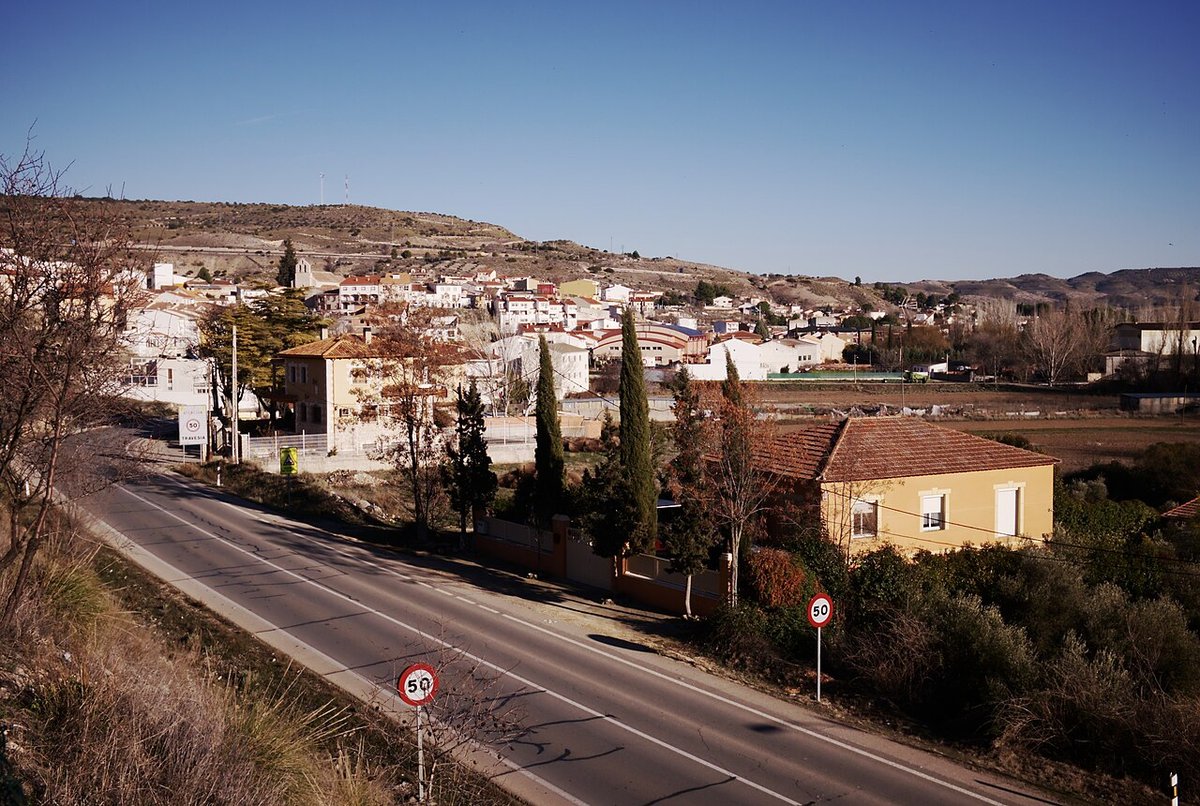
The bus gradually empties as it reaches Colmenar de Oreja. This is not a place overrun with backpackers and cameras. Most of the people getting off are from Madrid, arriving with a simple plan: eat well, have a couple of glasses of wine, then head home again. It works almost like a tapas bar, just stretched out across an entire village.
That rhythm shapes the place. There is movement, but it comes in waves rather than crowds. People arrive, linger for a while, then disappear again, leaving the streets to settle back into their usual pace.
A square with something hidden underneath
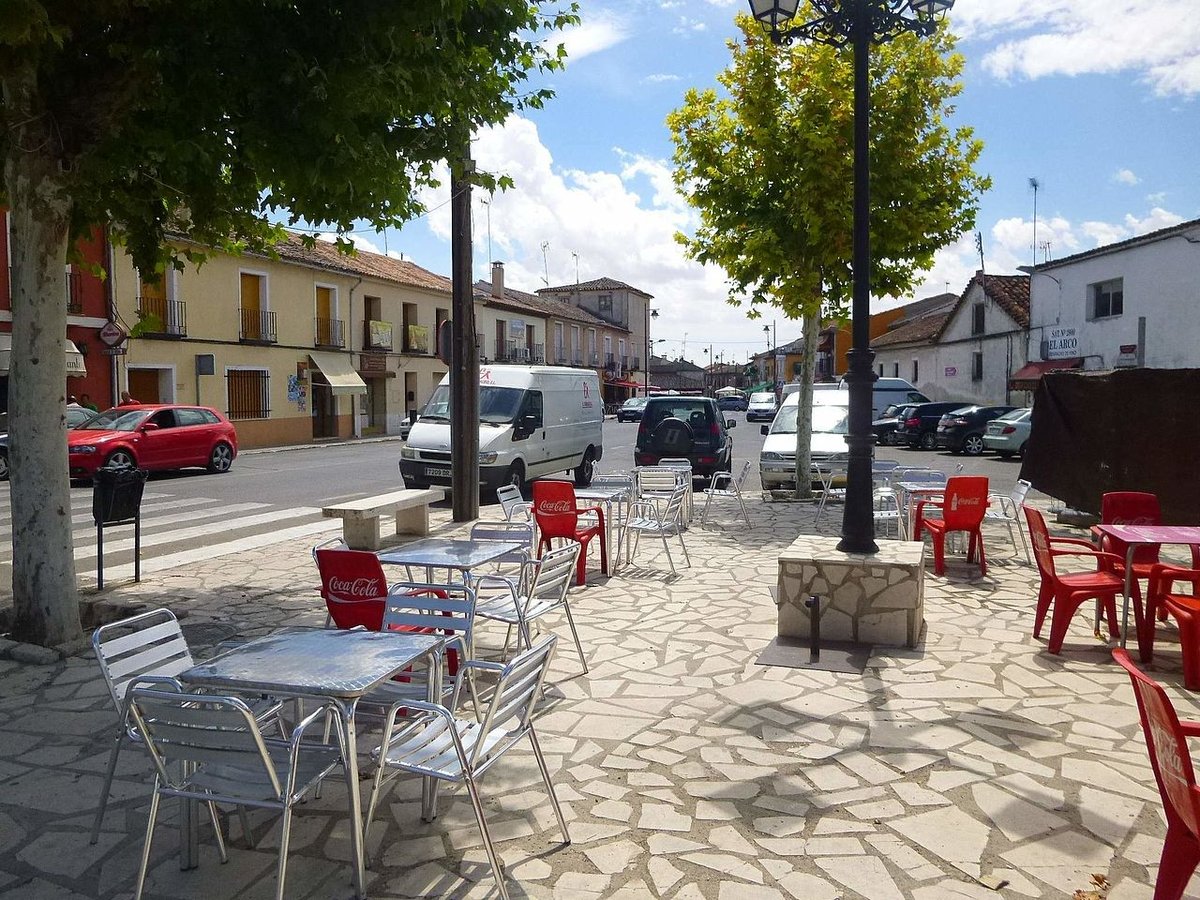
The Plaza Mayor is the centre of everything, although it does not always look the part. For most of the year it feels practical and lived-in, with parked cars and people sitting out on terraces. Then September arrives and the space transforms into an improvised bullring for the local fiestas.
Beneath the square, something less visible is always present. The Zacatín stream runs under the paving stones, channelled through a tunnel. You do not see it, but it is there all the same. It is the sort of detail that fits the place: what matters is often just out of sight.
The square itself took shape slowly, over more than a century. That long construction period was common for large projects at the time. Meanwhile, daily life continued around it, centred on farming, livestock and vineyards.
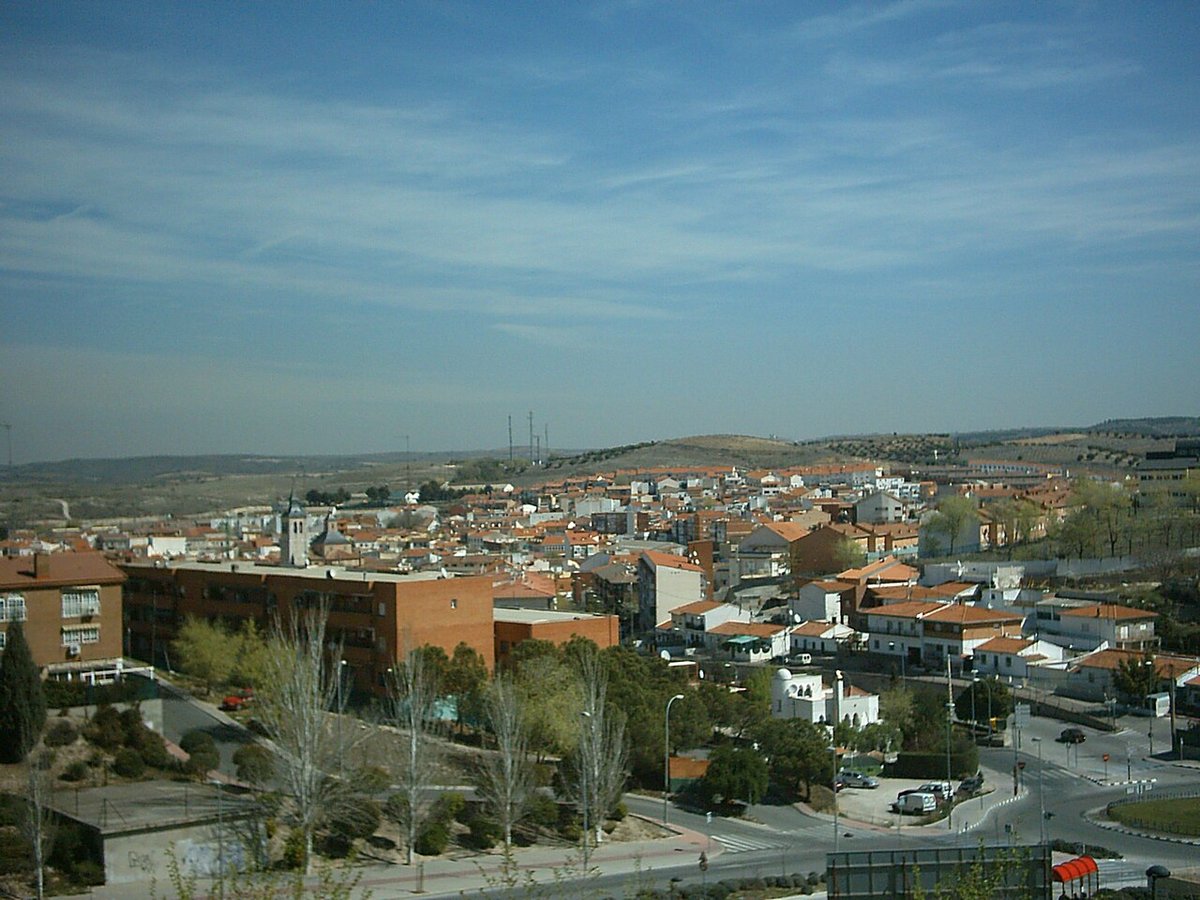
Above the rooftops, the church tower rises clearly and can be spotted from a distance when approaching by road. The name of Juan de Herrera is often linked to its design. Some treat that as fact, others see it as part of local tradition rather than something firmly documented.
The stone that helped build Madrid
Stone defines Colmenar de Oreja in a very literal way. The local limestone was used for centuries in major buildings in Madrid, including the Palacio Real, the Puerta de Alcalá and the Prado. Material extracted here ended up shaping some of the capital’s most recognisable landmarks.
Walking through the village makes that connection obvious. The same pale stone appears everywhere: in walls, steps, cellars and even simple benches. It creates a visual continuity between the village and the city it helped build.
The quarries no longer operate as they once did, but the surrounding landscape still shows the marks left behind. Cuts in the rock remain visible, a reminder of how important this material once was.
Stories also surface when talking about the area. One in particular comes up again and again: that Hannibal’s elephants crossed the nearby ford of the River Tajo on their way towards the central plateau. There is no clear way to prove it, yet it continues to be told with the same ease as everyday conversation.
Wine, and what comes with it
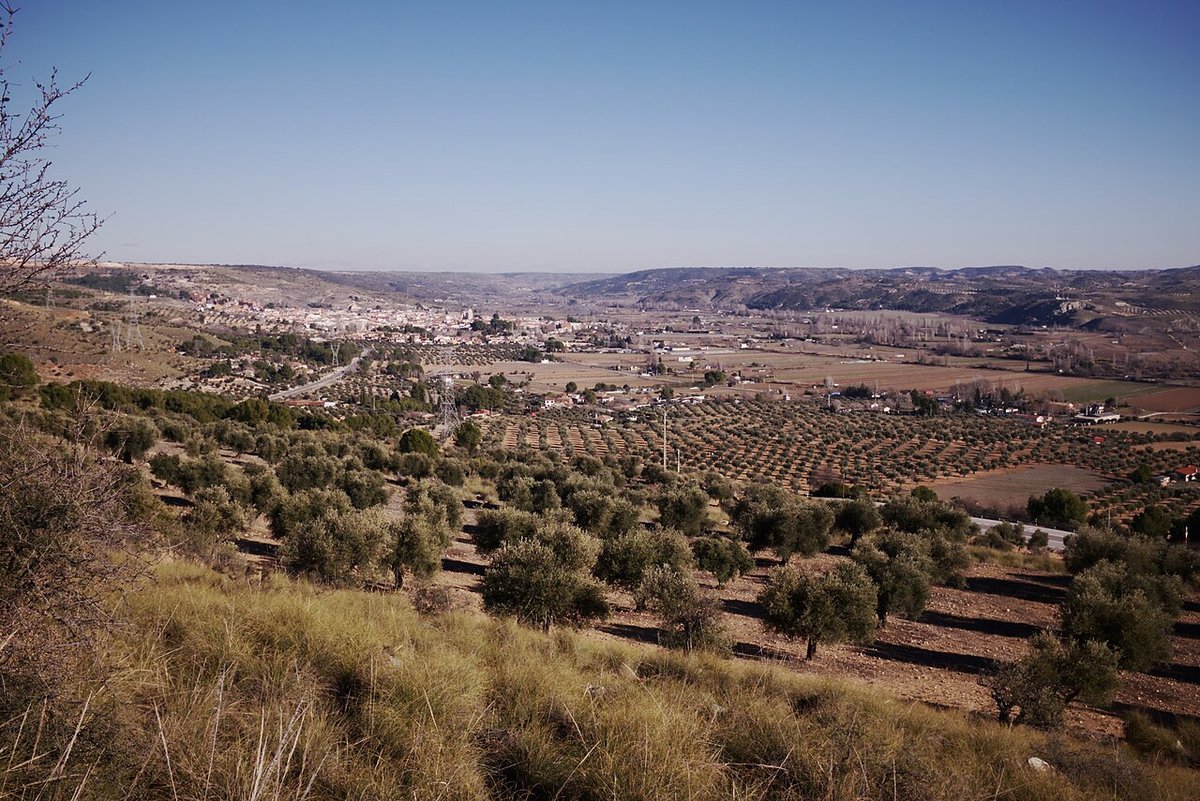
Wine remains part of daily life in Colmenar de Oreja. Several wineries in the municipality are linked to the Denominación de Origen Vinos de Madrid, and vineyards have been part of the landscape for centuries.
Some wineries can be visited, offering an insight into how grapes are grown and processed in this environment. The conditions are quite specific: a few hundred metres above sea level, with dry summers and firm soils that shape the character of the vines.
Alongside wine, there is also limoncillo. This is an aniseed-based spirit flavoured with lemon peel. It goes down easily at first, served in small glasses, though its strength becomes clear soon enough.
One is usually enough. After two, conversations tend to shift.
Hearty dishes with curious names
Food here leans towards the substantial. Patatas chulas might sound playful, but the dish itself is anything but light. It is a proper stew built around potatoes, with chorizo and pancetta adding depth. It is the kind of meal that feels particularly welcome in colder weather.
Pisto vaquero includes local beef, giving a familiar dish a more robust edge. Then there is ternera al desarreglo, a traditional preparation where each household has its own version. The name suggests improvisation, yet the result is typically rich and filling.
Sweets have their place too. Pelotas de fraile are fried pastries with hints of anise and lemon. They are best eaten fresh, without thinking too much about balance or restraint.
Sheep’s cheese has also been part of the local tradition. A well-known dairy once operated here but closed some years ago. Even so, small-scale producers remain, and some people continue to work with milk in the area. It is not always easy to find on display, so asking around can still be part of the experience.
When the village changes pace
There are two periods when Colmenar de Oreja becomes noticeably busier. In May, religious celebrations and romerías draw visitors from across the surrounding area. In September, the patron saint festivities bring encierros and turn the Plaza Mayor into the centre of attention.
Outside those moments, the atmosphere is calmer. A spring weekend works well for seeing the village at an easier pace. The surrounding countryside turns green, and daily life unfolds without much urgency.
Several paths lead out from the urban centre into the landscape. One of the best known routes heads towards the Castillo de Oreja, a set of medieval ruins on a hill above the River Tajo. The remains themselves are modest rather than dramatic, but the setting gives the walk its appeal. It is a simple outing through open countryside, with little in the way of facilities along the route.
Other shorter trails link a number of hermitages scattered around the area. They come with their share of climbs, enough to justify a substantial meal at the end of the day.
An artist with a wider reach
Colmenar de Oreja is also the birthplace of Ulpiano Checa, a 19th-century painter known for historical and oriental scenes that attracted attention in his time. A museum in the village is dedicated to his work.
It is not a large space, yet it offers a clear sense of how someone from a town of around nine thousand people could go on to exhibit beyond it.
Colmenar de Oreja works in much the same way overall. At first glance it feels straightforward, even quiet. Then, piece by piece, its layers become more visible: the stone beneath Madrid, the stream under the square, the stories that may or may not be true.