Full Article
about Estremera
A farming village on the border with Castilla-La Mancha, known for its church and the cave of Pedro Fernández.
Hide article Read full article
Morning light in a working village
At eight in the morning, the square in Estremera is still only half awake. The clearest sound is often a shop shutter being pulled up. Light arrives from the side and falls across the façade of the church of San Eugenio, sliding over sandstone that shifts in tone depending on the hour. At that time of day, the air tends to drift in cool from the vega, the fertile riverside plain. It carries the smell of damp earth and, in harvest season, the dry scent of freshly turned straw.
Tourism in Estremera begins like this, slowly, while the village is still moving to its usual pace.
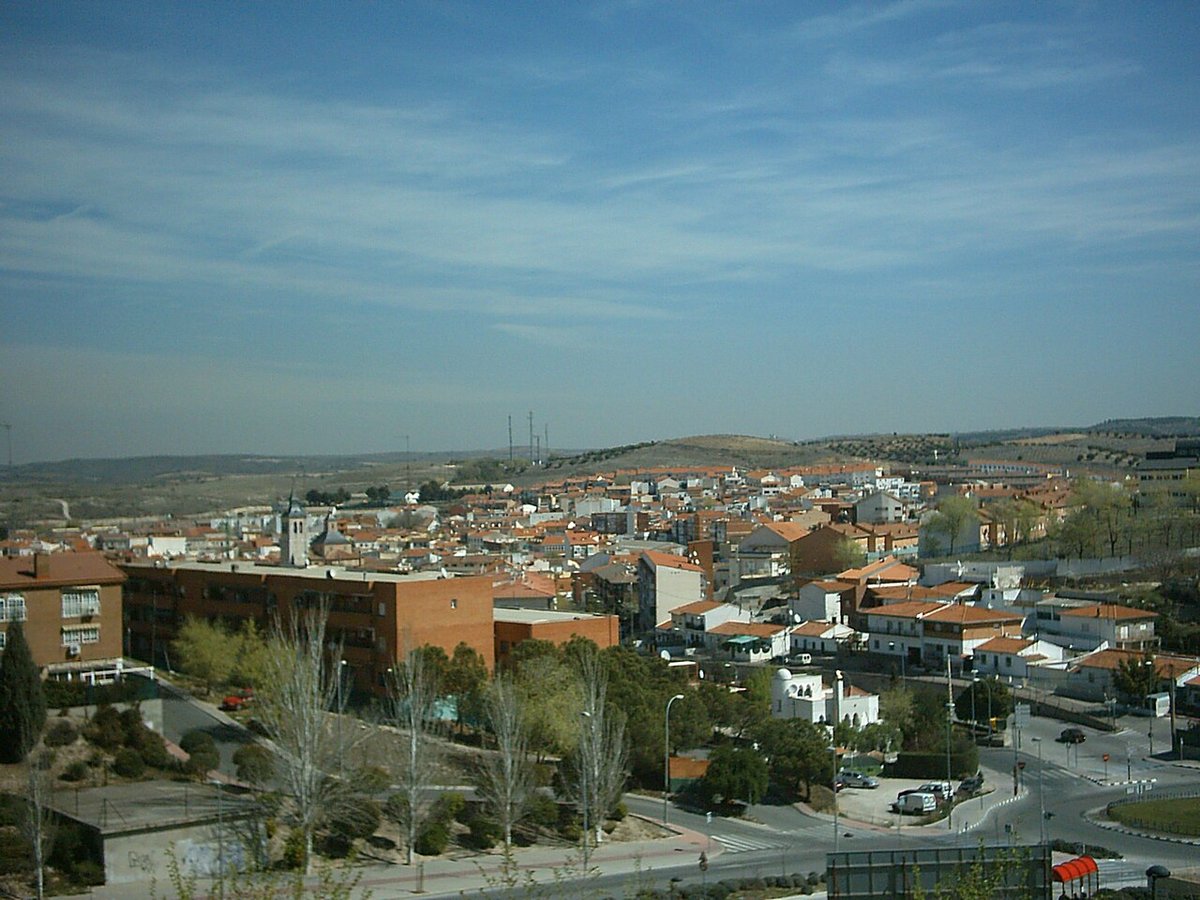
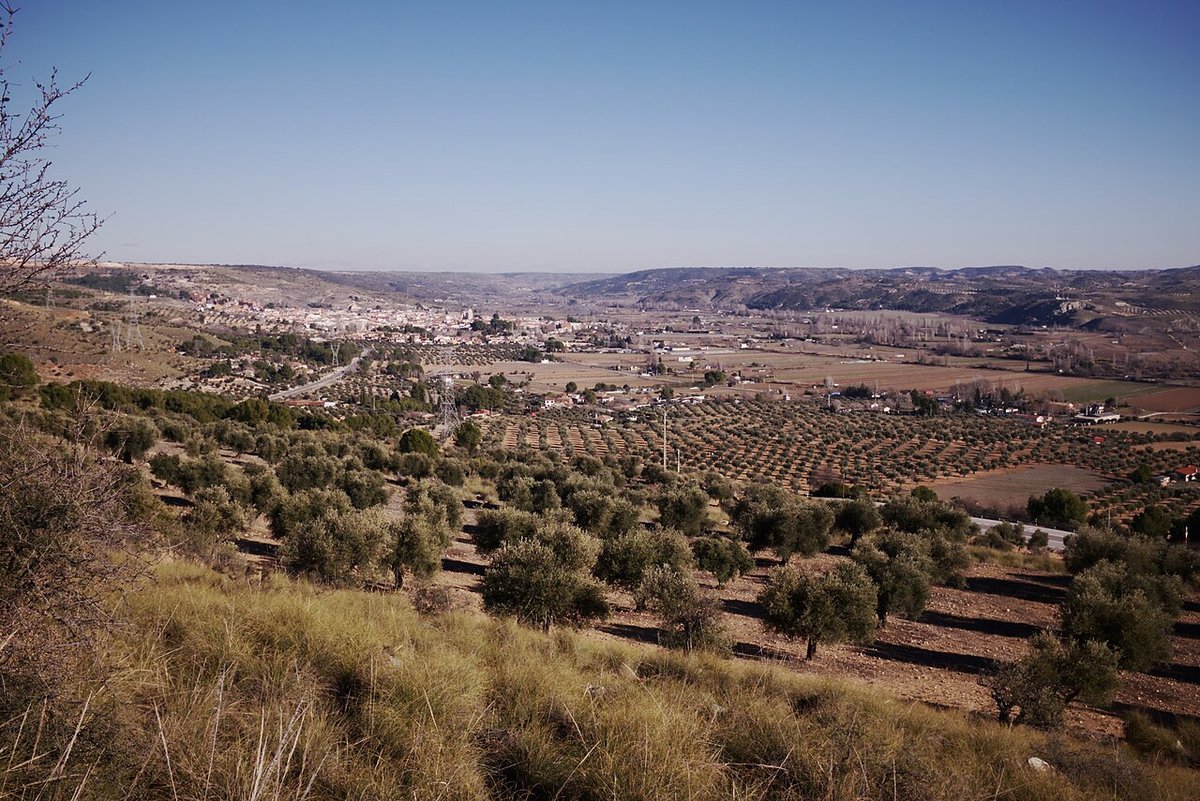
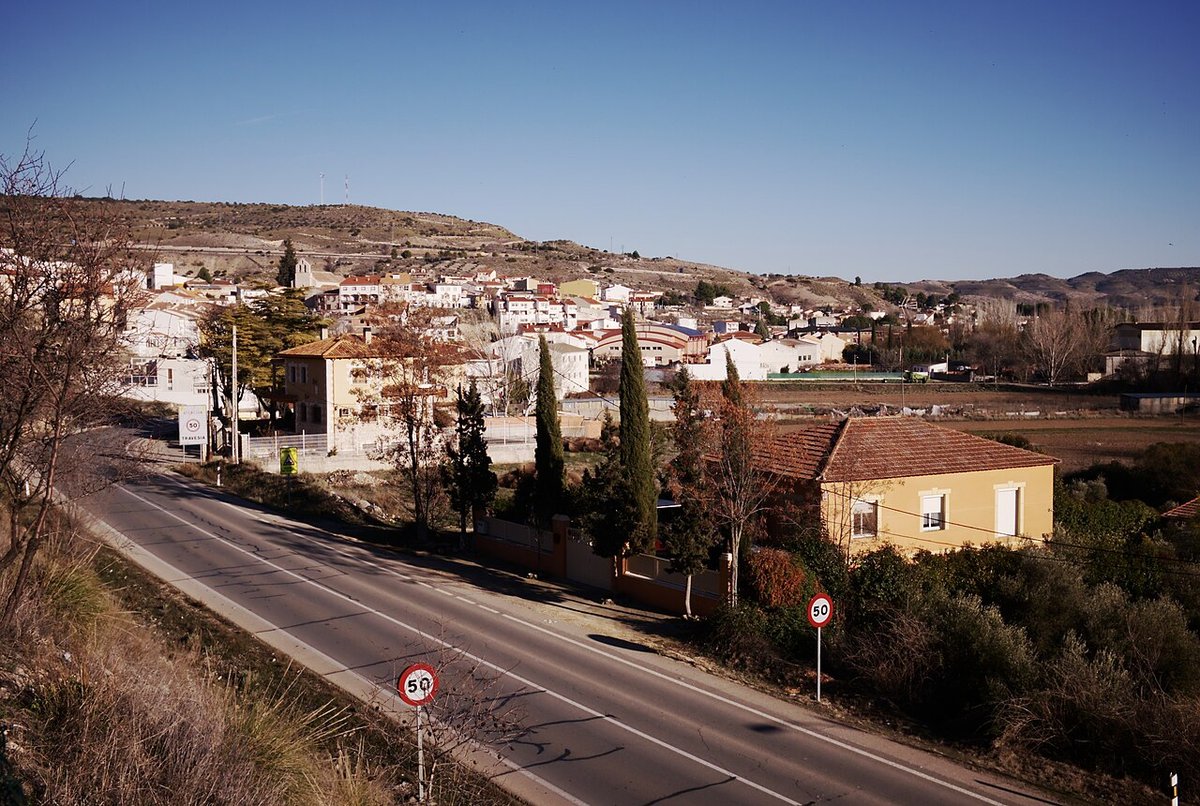
Estremera sits in the comarca of Las Vegas, in the south-east of the Community of Madrid. It is a small municipality, just over a thousand residents, surrounded by open farmland. The landscape sets the tone here: long plots under cultivation, agricultural tracks crossing the flat land, and a very clear light that turns almost white in winter and falls hard across the rooftops in summer.
The square and the church of San Eugenio
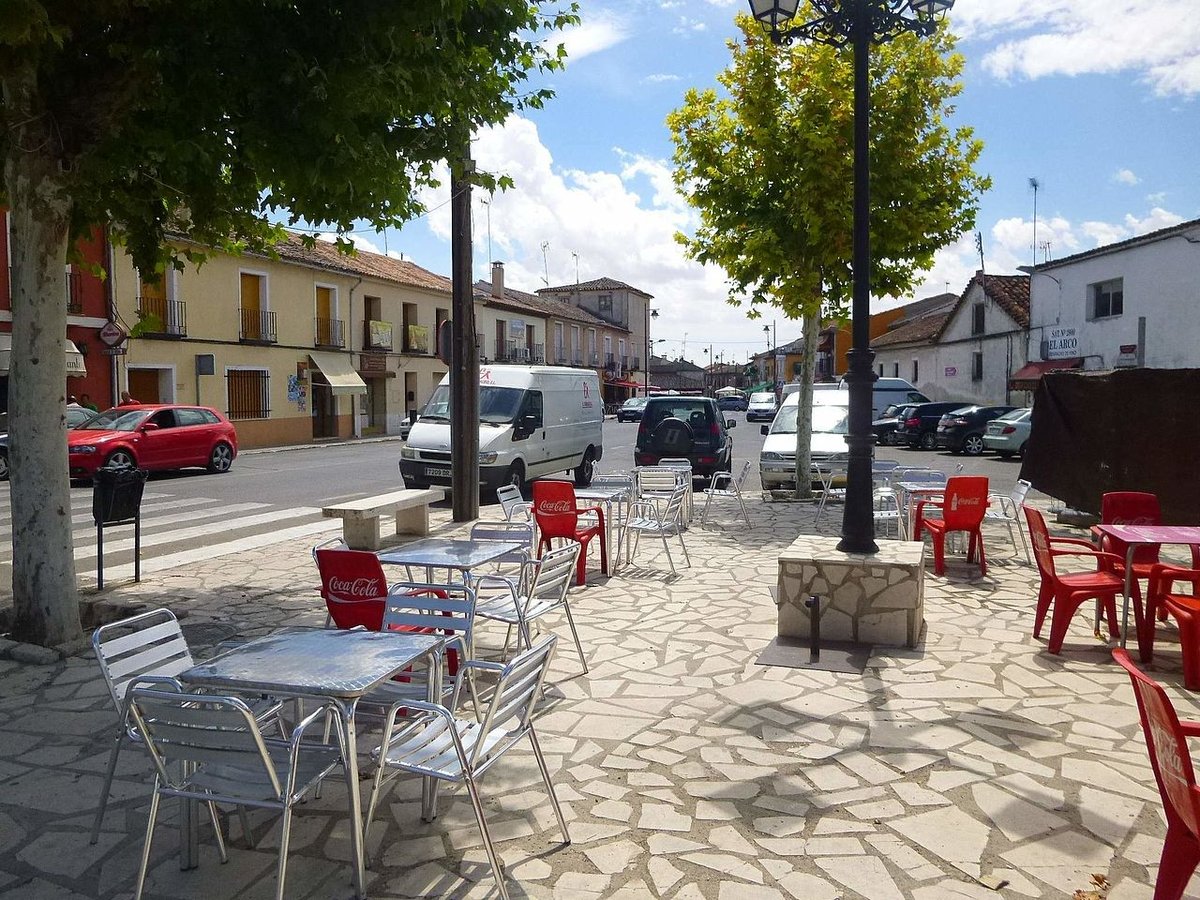
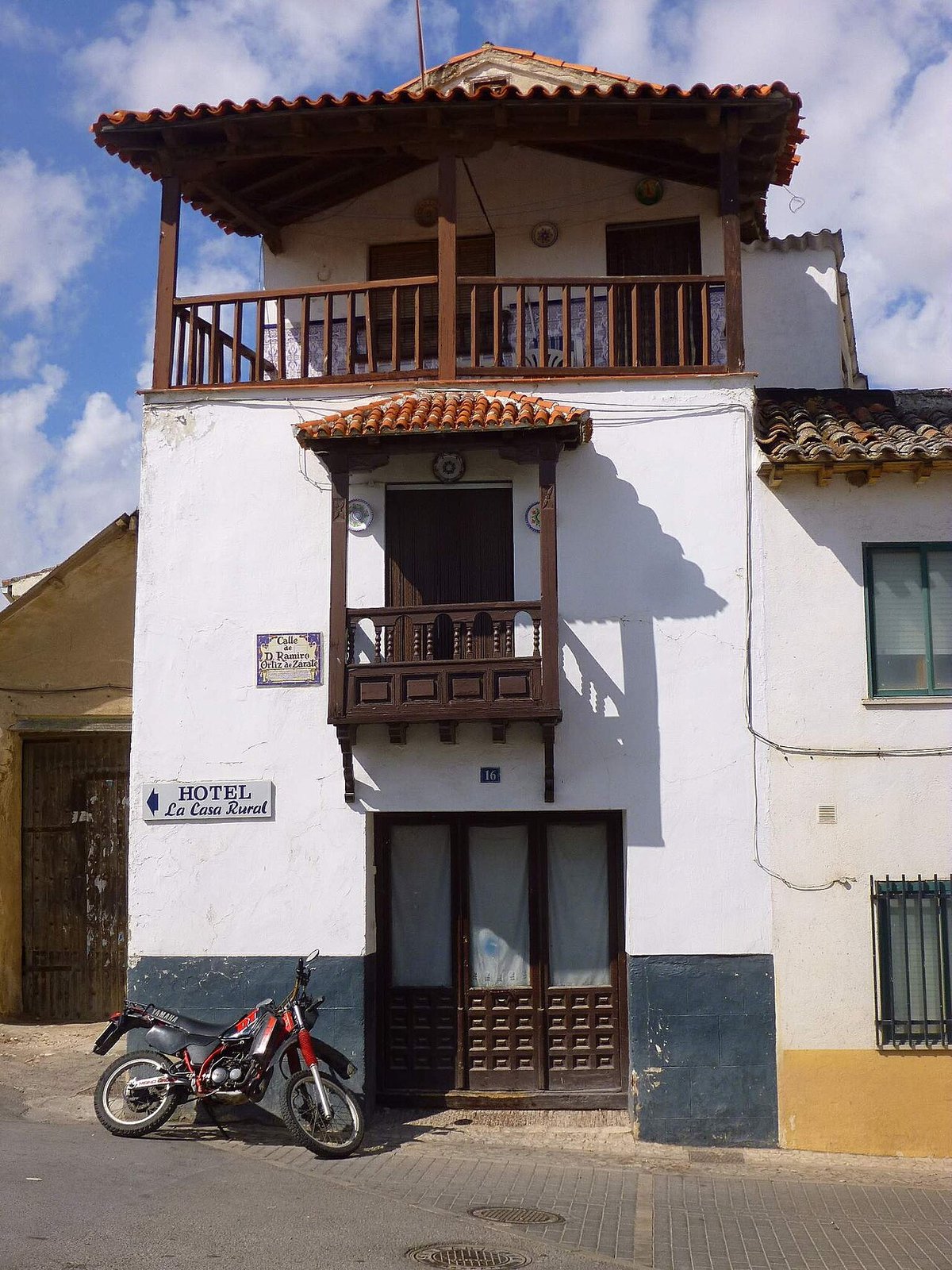
The centre is compact. Short streets, some with a gentle slope, lead back towards the main square. There are no major monuments, but there is a clear sense of an agricultural village: whitewashed façades, wide gates for vehicles, and walls that show repairs from different periods.
The church of San Eugenio anchors the centre. Built in sandstone, its bell tower is not especially tall, yet it can be seen from several points around the village. Early in the morning or towards the end of the day, the stone takes on a deeper reddish tone. It is worth walking around it at an unhurried pace and looking closely at the surfaces of the walls, where the passage of time and later restorations are easy to spot.
During the week, the atmosphere remains calm. A car may pass through the square, someone crosses carrying shopping bags, or a garage door closes with a short, solid thud. This is not a place organised around visitors. Instead, anyone arriving fits into a rhythm that is already there.
Across the vega: tracks and open fields
Step beyond the built-up area and the agricultural tracks begin almost immediately. These are dirt paths used for working the fields, and they can also be followed on foot or by bicycle if approached with care and respect.
The surrounding landscape belongs to the vega of the river Tajo, which runs close to the municipality. There are no grand viewpoints or sweeping scenic platforms. The interest lies in smaller details: freshly cut furrows, wind moving through cereal crops, straight lines of olive groves set against pale soil.
In spring, the green is brief but intense. By summer, everything dries out, and the contrast between a deep blue sky and golden fields becomes striking. Walking early in the day brings a fair amount of sound: insects, the call of a magpie, tractors starting up somewhere in the distance.
The central hours of hot months are best avoided. There is little shade here, and the sun falls directly onto the tracks.
A slow walk through the village
A short visit usually means exactly that: a walk around the square, a look down the streets that branch off from it, and perhaps a short stretch out towards the fields. On the edges of the village, dry stone walls still separate plots and paths, marking boundaries that have been in place for years.
For those who like to observe, late afternoon offers the best moment. The lower light brightens the white façades and gives the dust on the tracks a soft golden tone. At that hour, the village grows noticeably quieter.
When to go and what to keep in mind
Summer can be intense at midday. Anyone planning to walk in the surrounding area will find early morning or late afternoon far more manageable. Carrying water and a hat is sensible during the driest months.
In autumn and winter, the landscape changes considerably. After rain, the soil darkens and the tracks can become muddy. The air, however, is often very clear, and the countryside carries a different scent, more humid and earthy.
In some parts of the municipality there are scattered pine woods. Traditionally, people head there to look for mushrooms when the season arrives. Without a good knowledge of species, it is better to keep to walking and observing.
Getting around Estremera
The easiest way to explore is to leave the car near the entrances to the centre and continue on foot. Several streets are narrow, and manoeuvring is not always straightforward.
From Madrid, the usual route follows the A-3 and then smaller regional roads that cross the vega. The journey typically takes around an hour, depending on traffic when leaving the city.
Estremera works well as a stop on a wider route through south-eastern Madrid. There is no need for detailed planning. A simple walk, a look at the fields, and a sense of how daily life follows the agricultural calendar and the changing light across the plain is enough to understand the place.