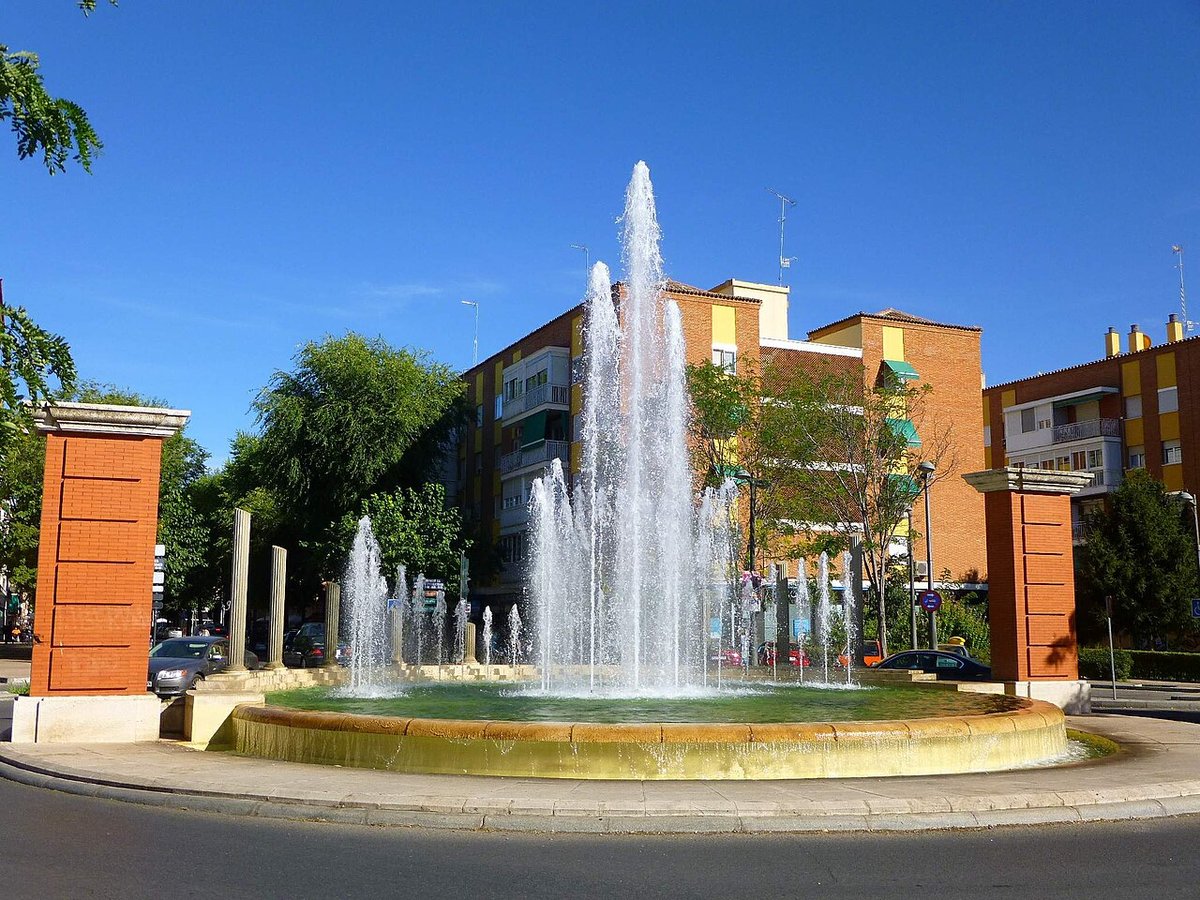
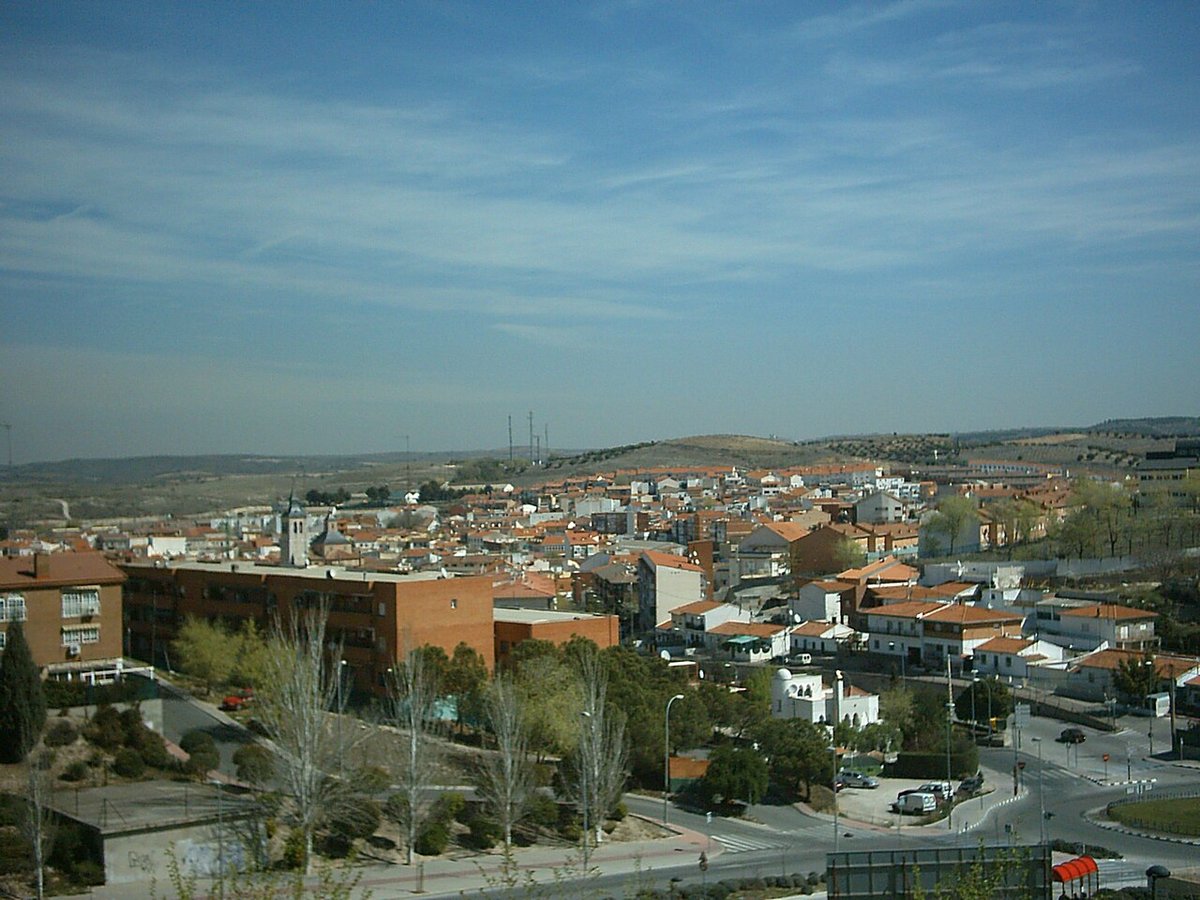
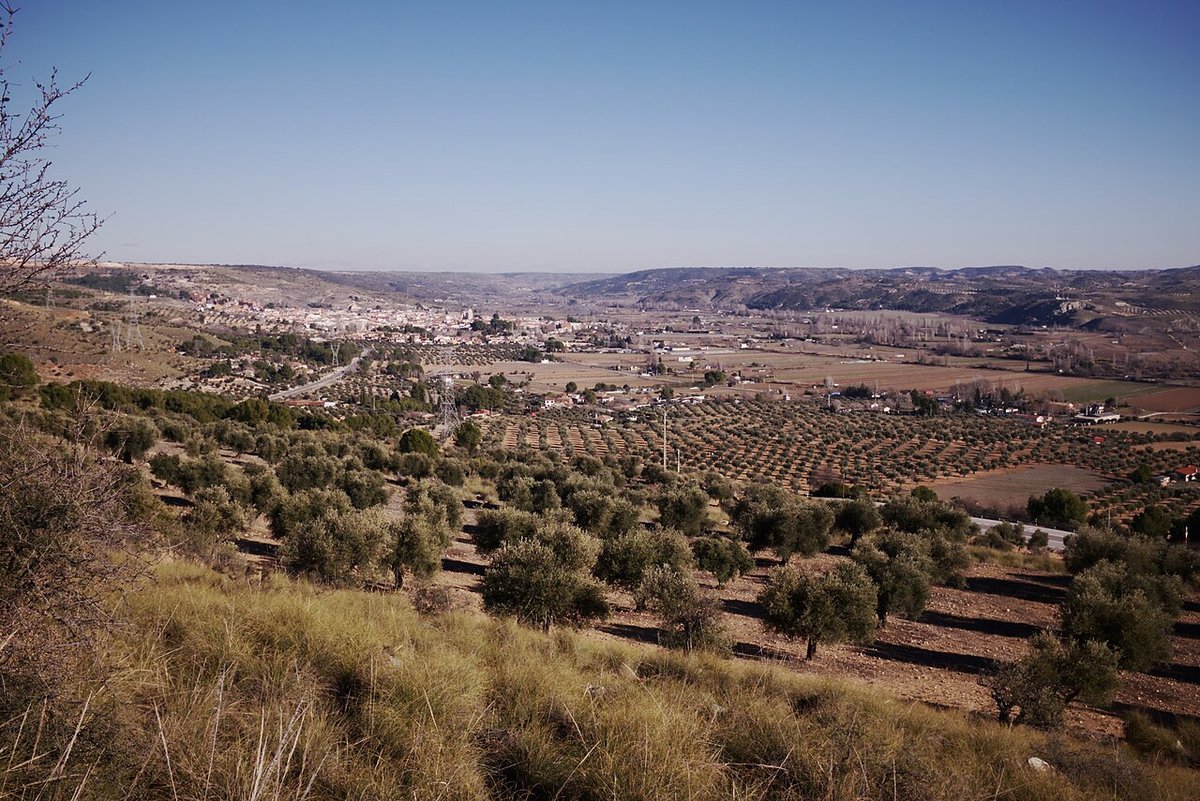
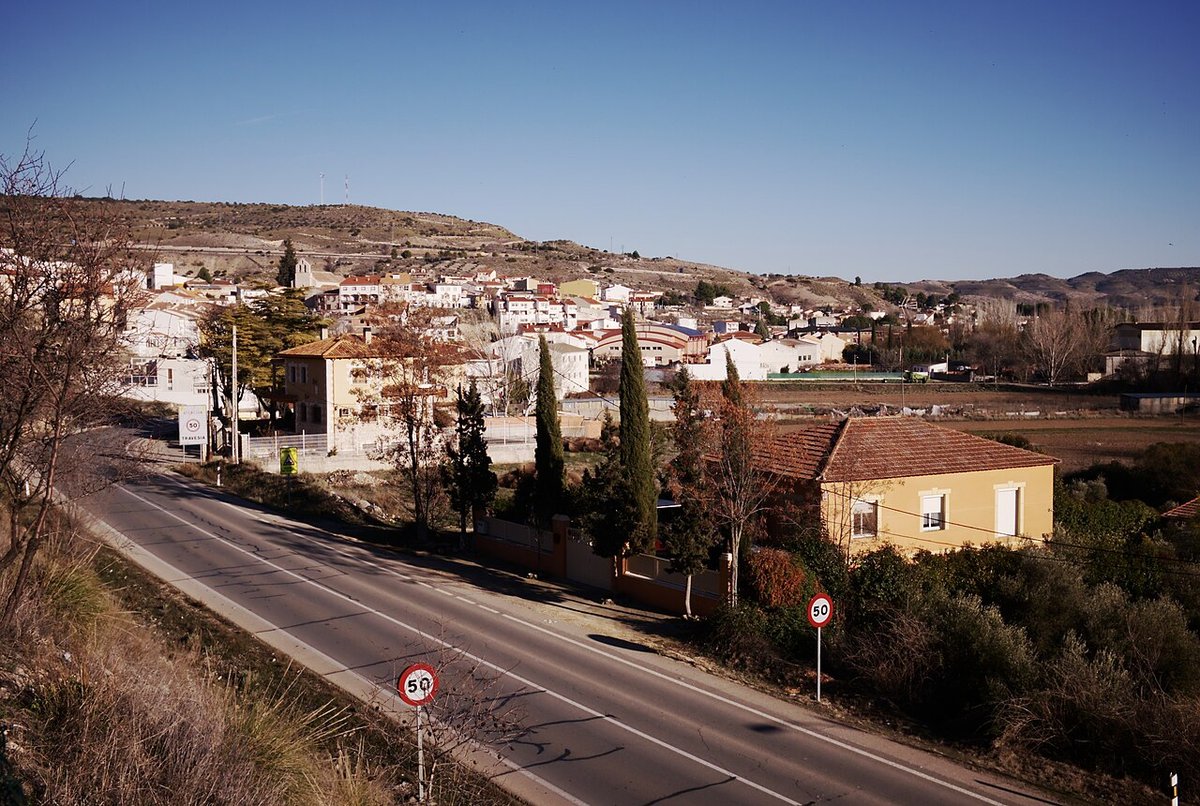
Vista aérea de Fuentidueña de Tajo
Instituto Geográfico Nacional · CC-BY 4.0 scne.es
Madrid · Mountains & Heritage

Fuentidueña de Tajo

The first thing you notice is the absence of sound. Stand on the iron bridge at midday and the Tajo gorge below Fuentiduña de Tajo is so quiet you ...

2,372 inhabitants · INE 2025
562m Altitude

Why Visit

Castle of the Piquillos River procession

Best Time to Visit

summer

Virgin of Alarilla (September) septiembre

Things to See & Do
in Fuentidueña de Tajo

Heritage

  • Castle of the Piquillos
  • Iron Bridge
  • Church of Saint Andrew

Activities

  • River procession
  • Riverside hiking
  • Castle visit

Festivals
& & Traditions

Fecha septiembre

Virgen de Alarilla (septiembre)

Las fiestas locales son el momento perfecto para vivir la autenticidad de Fuentidueña de Tajo.

Full Article
about Fuentidueña de Tajo

Town dominated by the ruins of its castle above the Tajo; it stages a famous river procession of the Virgin.

Ocultar artículo Leer artículo completo

The first thing you notice is the absence of sound. Stand on the iron bridge at midday and the Tajo gorge below Fuentiduña de Tajo is so quiet you can hear lettuce growing in the riverside plots—quite literally, since the village supplies most of Madrid’s spring greens. Then a carp breaks the surface, a cormorant rattles its wings, and the hush reassembles itself.

A village that refuses to pose for photos

Stone houses line the main street, but they are interspersed with 1970s brick garages and a single, half-finished block of flats whose concrete ribs have been catching the same sunset for fifteen years. Nobody apologises for the mix; this is a working parish, not a film set. Walk Calle Real at dawn and you’ll share the pavement with tractors heading to the cooperative, the drivers lifting a hand from the wheel in the same greeting they give their cousins. The parish church of San Andrés keeps watch from the top of the ridge, its tower visible from every approach road, yet the doors stay locked unless mass is imminent—turn up at random and the key is kept by the baker two doors down, provided you catch her between the first and second batch.

Inside, the nave is cool and smells of river damp rather than incense. Retablos from the 1600s sit awkwardly next to electric candles that flicker orange LEDs. There is no ticket desk, no postcard stand, only a printed A4 sheet asking for one-euro coins towards roof repairs. Drop in a two-euro piece and you’ll hear the echo clatter like a dropped spanner.

Down the old mule track

A narrow lane beside the church becomes a cobbled path that drops 120 metres in less than a kilometre. This is the original access to the watermills—twelve of them once, only three walls still standing. The stone is polished smooth by centuries of iron-shod hooves; British walking boots find grip only where moss has been allowed to colonise the cracks. Handrails are non-existent; if you suffer from vertigo, walk on the uphill side and resist the temptation to photograph every turn—one wobble and the gorge has you.

Reach the bottom and the river opens into a broad pool favoured by carp anglers. A small sign lists the required permits: regional licence (€22 online), catch-and-release only, no ground baiting between 1 May and 30 June. The guard occasionally patrols on a mud-spattered quad bike; argue and he’ll demand to see paperwork in rapid Castilian. Smile, show the PDF on your phone, and he’ll point out where the barbel are biting.

Across the water, allotments form a green chessboard. Irrigation channels built by the Moors still work on a rota system: Mondays and Thursdays upstream, Tuesdays and Fridays down. The low stone huts with terracotta roofs are not weekend retreats but tool stores. If a gate is open you may be invited in for a handful of cherries in late May—accept, but don’t offer money; instead, ask who grew the apricots and you’ll leave with directions to their cousin’s bar.

When the gorge echoes with cutlery

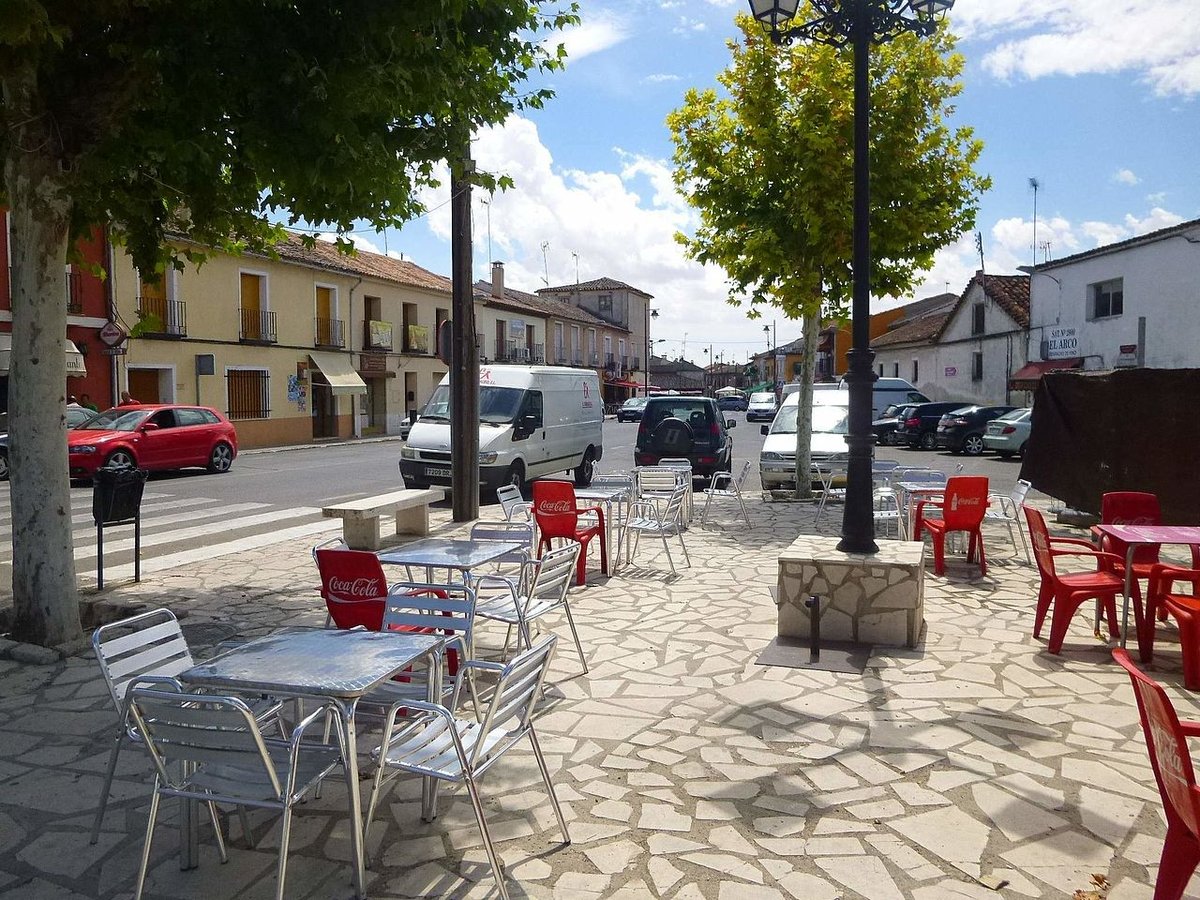
Mid-afternoon smells of roast lamb drift upwards. Bar la Plaza, on the wedge-shaped square, serves a set lunch that changes with the orchard calendar. In March expect artichoke hearts sautéed in olive oil and ajo blanco, the chilled almond-garlic soup that tastes like liquid marzipan. By late October the menu board lists judiones—butter beans the size of a fifty-pence piece stewed with chorizo. Portions are calibrated for field hands; ask for media ración if you want space for the almond-honey tart. The owners speak slow, deliberate English learned while picking strawberries in Kent; they will halve the chilli, swap chips for salad, and bring tap water without a lecture on profit margins.

Prices feel stuck in the last decade: three courses with a quarter-litre of house wine is €12.50, coffee included. Card payments are accepted, but the terminal sometimes refuses foreign chips—keep a €20 note handy. The bar shuts at 17:30 sharp so Conchi can collect her children from the school bus; return at 18:05 and the metal shutter will already be half lowered.

Starlight and logistics

Stay overnight and the village belongs to you. There are no hotels, only three rooms above the bakery rented through the regional platform. Ceilings are high, wi-fi patchy, and the bathroom windows look straight onto the square—draw the curtain if you’re shy. At 22:00 the streetlights dim to amber specks, revealing a sky still bright enough to cast shadows from the castle ruins on the opposite bluff. The fortress is fifteenth-century, free to enter, and entirely unfenced. Climb the spiral for a view down the valley: the river appears as a strip of beaten pewter, the A4 a distant ribbon of sodium. Take the selfie, but descend before the steps ice over; there are no emergency services nearer than Villamanrique, twelve kilometres away.

Getting here without a car demands planning. Catch a Cercanías train from Madrid Atocha to Aranjuez (45 minutes, €3.90), then bus line 427 which covers the final 28 km in fifty minutes. Only four services run each way; miss the 14:15 departure and you wait until 19:20. Drivers leave the M-50 at Exit 26, follow the A-4 past olive-oil warehouses and endless polytunnels, then swing onto the M-305 for the last ten minutes. Petrol is cheaper in Chinchón—fill up if you’re touring the wine belt.

What the brochures leave out

Summer midday heat can hit 42°C in the gorge; the shade-to-sun ratio is one to three, and the only fountain is back at village level. Carry more water than you think you need. After heavy rain the mule track turns greasy; trainers suffice in May, but boots are safer in November. Mobile coverage drops to emergency-only beside the river—download an offline map before descending. There is no cash machine; the nearest is a roadside Santander in Villamanrique with a €500 daily withdrawal cap. The village shop closes for siesta 14:00-17:30 and all day Sunday; if you need lactose-free milk or gluten-free bread, shop in Arganda del Rey on the way in.

Fiestas are low-key: the orchard open day on the first Saturday of April, a raft race constructed from tractor tyres in July, and the patron-saint procession in November where locals carry San Andrés down to the watermills and back, stopping for aniseed liqueur at every corner. Visitors are welcome to join the walk; refusal of the shot is taken politely, but you will still be offered the chaser.

Leave the car, take the lettuce

Two hours suffice to see the church, descend to the mills, and photograph the gorge. Stay for lunch, add a riverside circuit, and you have stretched the visit to half a day—ample, unless you fish or paint. Fuentidueña works best as a comma in a longer sentence: combine it with Aranjuez’ royal palace in the morning, or with a wine-tasting in Chinchón on the return. Come expecting grand monuments and you will drive away disappointed; arrive hungry for silence, river smell, and a plate of beans that were in the soil that morning, and the village repays the detour. Just remember to bring cash, keep one eye on the clock for the bus, and don’t trust the map once the signal dies—ask the nearest gardener instead; he’s probably the man who grew your lunch.

Key Facts

Region
Madrid
District
Comarca de Las Vegas
INE Code
28060
Coast
No
Mountain
No
Season
summer

Livability & Services

Key data for living or remote work

2024
ConnectivityFiber + 5G
EducationElementary school
Housing~5€/m² rent · Affordable
Sources: INE, CNMC, Ministry of Health, AEMET

Planning Your Visit?

Discover more villages in the Comarca de Las Vegas.

View full region →

More villages in Comarca de Las Vegas

Traveler Reviews