Full Article
about Morata de Tajuña
Town on the plain known for its chocolate palmeritas and the Battle of Jarama museum.
Hide article Read full article
The smell of palmeritas in the morning
Morata de Tajuña announces itself with sugar.
On certain mornings, the air carries the scent of hot syrup drifting out from several local bakeries as they take trays of the town’s famous palmeritas out of the oven. These are small, round pastries generously coated in sugar syrup. You can find them all over Madrid, but here the pace is different. Trays appear almost straight away, the glaze still sticky. One bite makes it clear why so many people from the capital end up travelling here to buy them by the box.
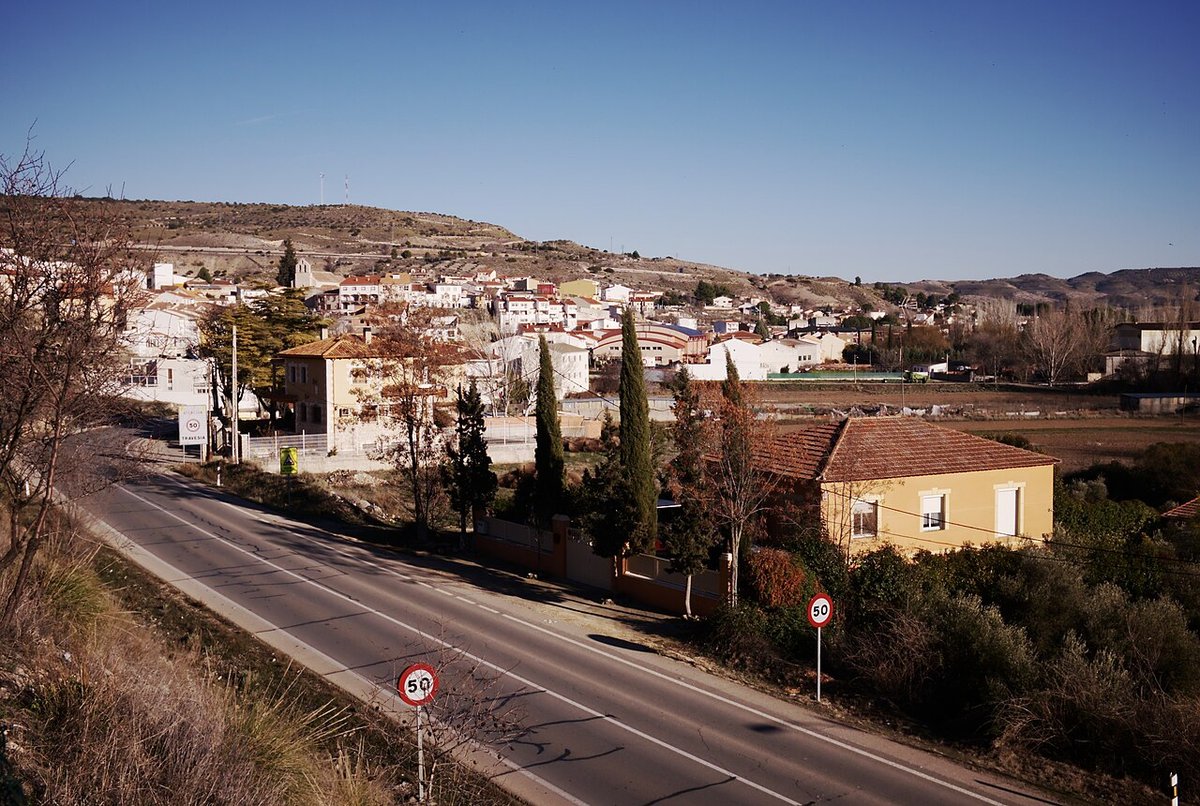
Morata de Tajuña sits around 35 kilometres from Madrid. By car, the journey is under an hour, depending on traffic at the city entrance. That short distance explains why the town has become a regular stop for day-trippers in search of something sweet and simple.
Yet there is more to Morata than pastries.
A mill that still turns with the river
Close to the centre stands one of the town’s most distinctive places: its working mill. This is not a static exhibit behind glass. The machinery still moves.
The mill of Morata continues to operate using the waters of the River Tajuña. According to those who run it, it is one of the few traditional hydraulic mills still functioning in the Community of Madrid. As the river pushes the wheel, a steady grinding sound fills the interior, stone against stone, constant and mechanical.
Visitors are often told how farmers once arrived with sacks of grain, waiting their turn while catching up on local news. Today many of those who come through the door travel from Madrid, curious to see a piece of working rural heritage still doing its job.
The setting beside the Tajuña helps explain why it survived. Water was once the essential source of power here, and in Morata that link between river and machinery remains visible and audible.
Walking the Vía Verde del Tajuña
Morata lies along the Vía Verde del Tajuña. This route used to be a railway line. Now it has been converted into a long, relatively easy path for walking or cycling.
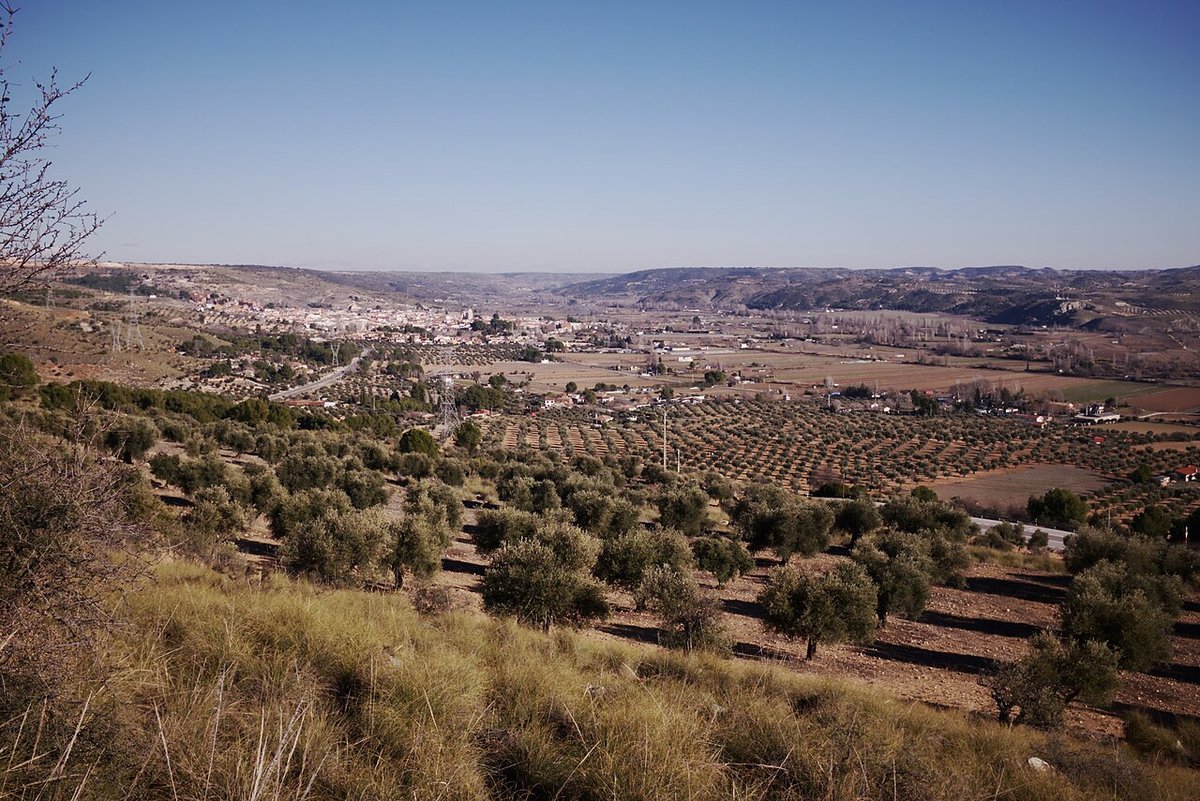
The trail runs past market gardens, olive groves and stretches of riverside vegetation. The river itself appears and disappears beside you, as if keeping pace for a while before slipping out of view. Some people choose short sections and turn back. Others use it to reach neighbouring villages on longer outings.
Information panels along certain parts of the route recall a more turbulent period. This area lay close to the front during the Battle of Jarama in 1937, a key episode of the Spanish Civil War. Today the landscape feels calm, with thyme and rosemary growing on the slopes, and it takes an effort to picture what happened here during the fighting.
The Vía Verde offers a straightforward way to experience the countryside around Morata. There is no need for special equipment or planning. It works equally well as a brief stroll or as part of a longer route linking towns in the Tajuña valley.
Caves carved into the earth
On the outskirts of Morata several caves remain carved into the soil. They are not vast or elaborate, yet stepping inside gives a clear idea of how the land was used in practical ways. Some are shaped like small rooms, complete with a fireplace and just enough space for basic shelter.
Stories circulate that in the 19th century these caves were used as hiding places by bandits who moved through the Tajuña valley. Similar tales appear in many villages in the area, a mixture of legend and shared memory. Standing at the entrance of one of these hollowed spaces, it is easy to see why such stories took hold.
Whatever their exact past, the caves show how people adapted to their surroundings. The soft earth made excavation possible, and the result was a series of modest, functional interiors on the edge of town.
Wine and hearty cooking
Morata de Tajuña falls within the wine-producing zone of south-eastern Madrid. Vineyards and wineries in the surrounding area work with grape varieties suited to the dry climate of this part of the region.
These are straightforward wines, well suited to accompanying a long meal. When asking about local cooking, one dish appears frequently: cordero guisado a la pastora. It is a shepherd-style lamb stew made with meat, potatoes and peppers in a rich broth that calls for bread on the side.
This is food designed for unhurried lunches, the kind where the conversation lasts as long as the pot. There is no need for elaborate presentation. The appeal lies in warmth and substance.
When Morata celebrates
Throughout the year Morata hosts several celebrations that bring more people into the streets. In spring the Mayos are usually held, with participants making their way up to the hermitage of the Virgen de la Antigua. The event combines local devotion with a communal atmosphere that draws residents together.
During Holy Week, the town is known for its representation of the Passion. Many local people take part in this staging of the final days of Christ, a tradition found in various parts of Spain but here involving a significant portion of the community.
The patron saint festivities take place towards the end of summer or the beginning of autumn. At that time the mood shifts noticeably. Social clubs known as peñas organise activities, music fills the air, and many who no longer live in Morata return for a few days.
These events mark the rhythm of the year and offer moments when the town feels busier than usual.
A straightforward escape from Madrid
Morata de Tajuña does not overwhelm on arrival. There are no medieval walls or monumental squares waiting at the entrance. Its appeal is more measured.
It works well as a short escape from Madrid. The plan can be simple: buy palmeritas, visit the mill, take a walk along the Vía Verde, then sit down for a relaxed meal. In the space of a long morning or an easy afternoon, much of the town can be seen without rushing.
Morata’s scale makes it manageable. The River Tajuña provides a steady presence, sometimes visible, sometimes heard. Add something sweet and a stretch of countryside path, and the result is a day that asks for little preparation and offers a change of pace not far from the capital.