Full Article
about Perales de Tajuña
Farming village with Neolithic caves and archaeological remains, set on the Tajuña floodplain.
Hide article Read full article
Arriving Where the Valley Opens
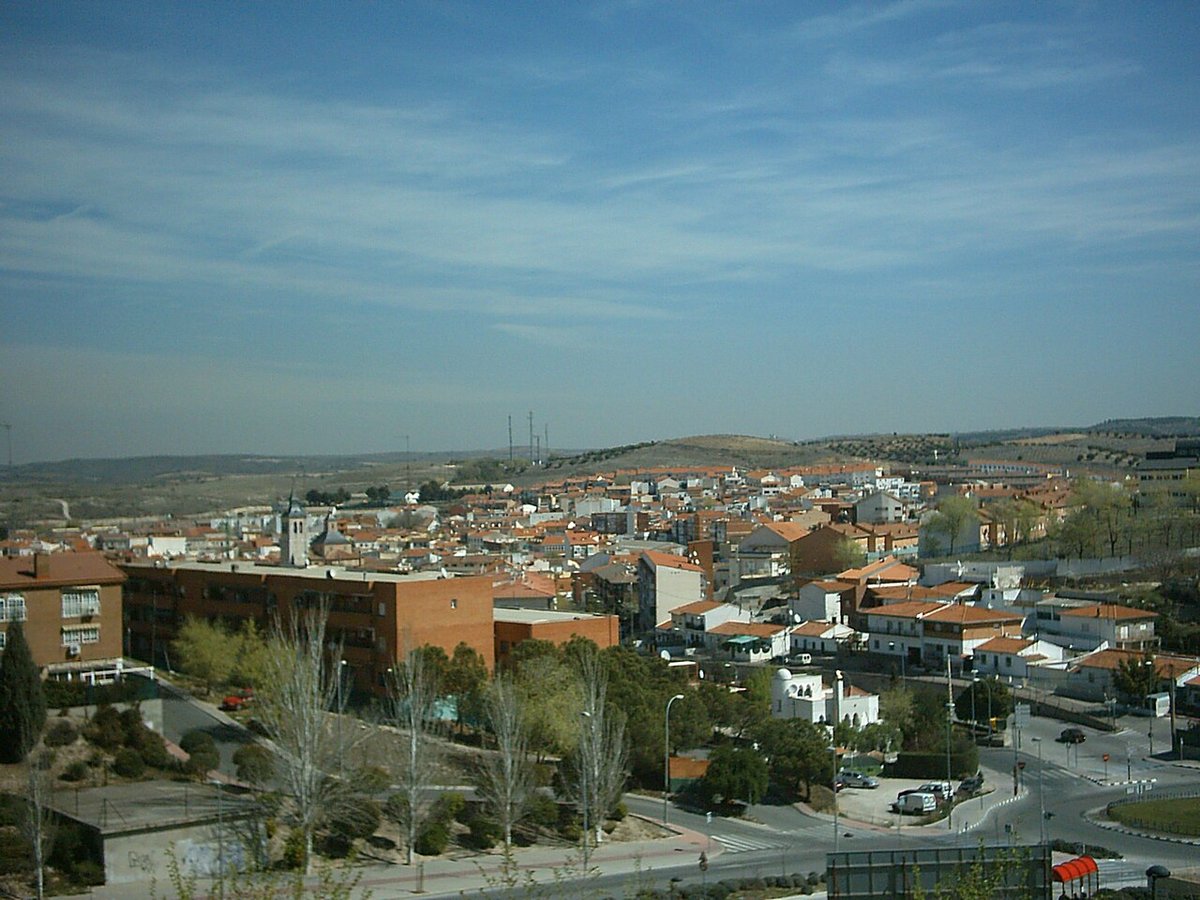
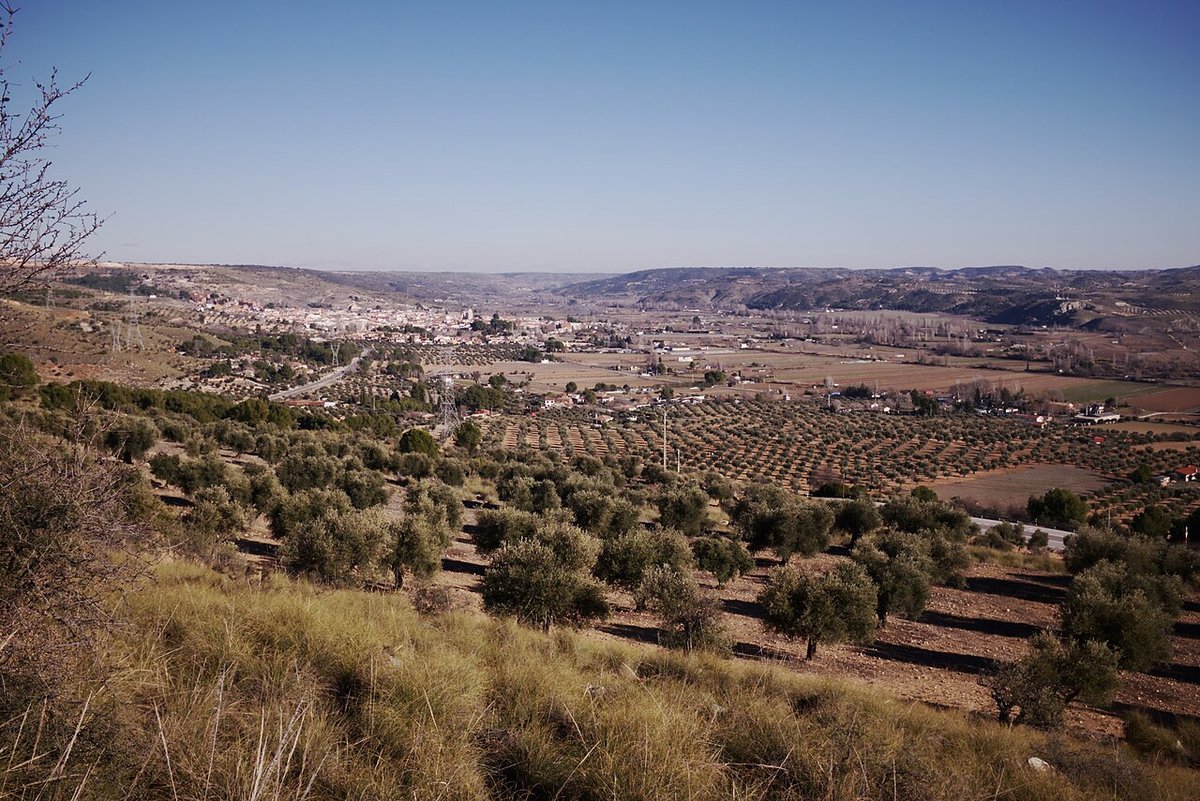
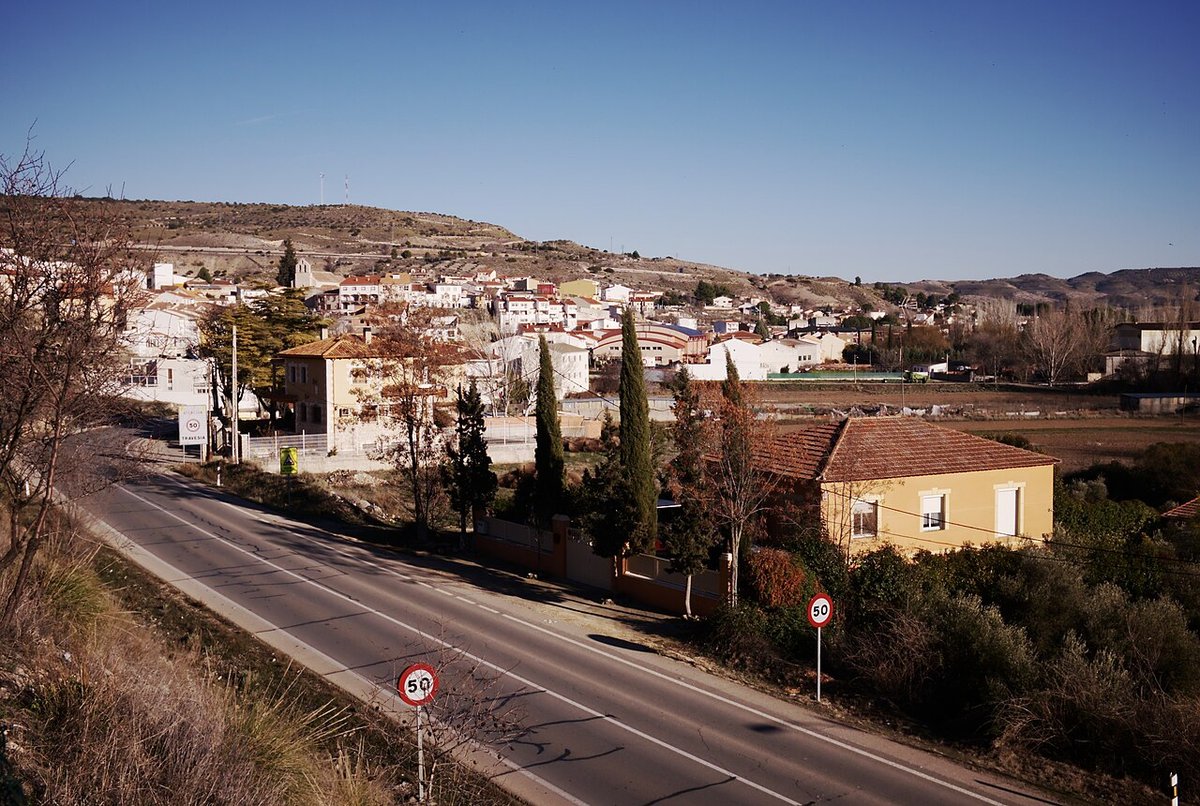
There is a moment on the M‑404 when it feels like something has gone wrong. The road stretches on, the landscape stays quiet, and it seems the turning must have been missed. Then Perales de Tajuña appears almost without warning. It sits in the Tajuña river valley, with the caves in the hillside above looking down as if quietly assessing new arrivals.
Tourism here does not announce itself loudly. It begins in that slightly uncertain way, crossing farmland and open ground before the village comes into view. The setting is simple at first glance, but the ridge above changes that impression quickly.
The Caves in the Cliff
The Risco de las Cuevas is the feature that defines the place. The hillside is cut with dozens of openings, often said to be around forty or so, carved directly into the rock. They were excavated a very long time ago, probably dating back to early periods, although exact origins are not clearly pinned down.
The caves vary in size. Some are small, almost like compact living spaces, while others feel much larger when seen up close. Over time they have served different purposes. During the twentieth century they were used as homes and storage spaces. They also became a natural backdrop for films, particularly in the 1960s, when crews chose the site rather than building sets from scratch.
Walking the Ruta de las Cuevas is straightforward. The path climbs with a steady incline that is noticeable but manageable. Allow around an hour if stopping to look around and take in the views. From the top, the Tajuña valley spreads out below, with cultivated fields forming a wide green patchwork.
In summer, the sun hits the rock directly and the heat builds quickly, so earlier visits tend to be more comfortable.
A Story Behind the Settlement
There is a story often told about how Perales de Tajuña began. It goes back to Roman times, after a military defeat. According to the tale, the general Sertorio forbade the defeated population from continuing to live in caves. As a result, many moved down into the valley and built homes away from the hillside.
It is not entirely clear how much of this account is historical fact and how much belongs to local legend. Even so, it offers a way of understanding why the caves and the village below are so closely linked.
At the top of the hill there are remains of a medieval castle that once overlooked the Tajuña valley. What stands today are genuine ruins, worn walls and aged stone with little modern restoration. The walk up from the village takes a little over half an hour at a relaxed pace.
Nearby is the church of Santa María. The building reflects different periods of construction, having been extended and modified over time. That mix of styles gives it a distinct character without feeling overly polished.
Food That Feels Like the Weekend
Perales has the atmosphere of a place where people gather at weekends, often with family. It shows in the rhythm of long meals and the kind of dishes that appear on tables.
Cocido madrileño is common here, a traditional stew associated with Madrid. It follows a familiar structure: soup first, then chickpeas and the rest of the ingredients. It is the sort of meal that naturally leads to a walk afterwards.
Traditional sweets also have a place. Gachas de almendra are simple and sweet, with a clear almond flavour. Tortas de chicharrones are more robust, made with dough and pork fat, with a strong, unmistakable taste.
The food reflects habits rather than trends. It fits the pace of a village where meals are part of the day’s structure rather than a quick stop.
When the Pace Changes
For much of the year, Perales de Tajuña remains calm. There are periods, though, when the atmosphere shifts.
The patron saint festivities usually take place in August. At that time, many people return, either because they have family connections or because they spent summers here when younger. The village becomes busier, and the sense of familiarity between people stands out.
In spring, celebrations linked to San Isidro appear, tied closely to farming traditions in the area. These events reflect the agricultural roots of the valley.
Autumn sometimes brings fairs or craft markets. These are the kind of gatherings where local products take centre stage and the experience is as much about wandering as it is about buying anything.
The calendar is not designed to attract large numbers of visitors from outside. These are traditional village festivities, with music, local groups and people who have known each other for years.
Along the Tajuña
The Tajuña river runs near the village with the quiet presence typical of smaller rivers. The landscape here is not dramatic, but it has a steady appeal: vegetable gardens, paths and a sense of stillness.
Following the river is the Vía Verde del Tajuña. This route traces the path of a railway line that was never fully completed. Today it forms a long, flat track suitable for walking or cycling without much concern for traffic.
Spring brings noticeable changes to the valley. The fields turn green, yellow flowers appear among the crops, and the air carries the scent of damp earth and wild plants.
A Place That Reveals Itself Slowly
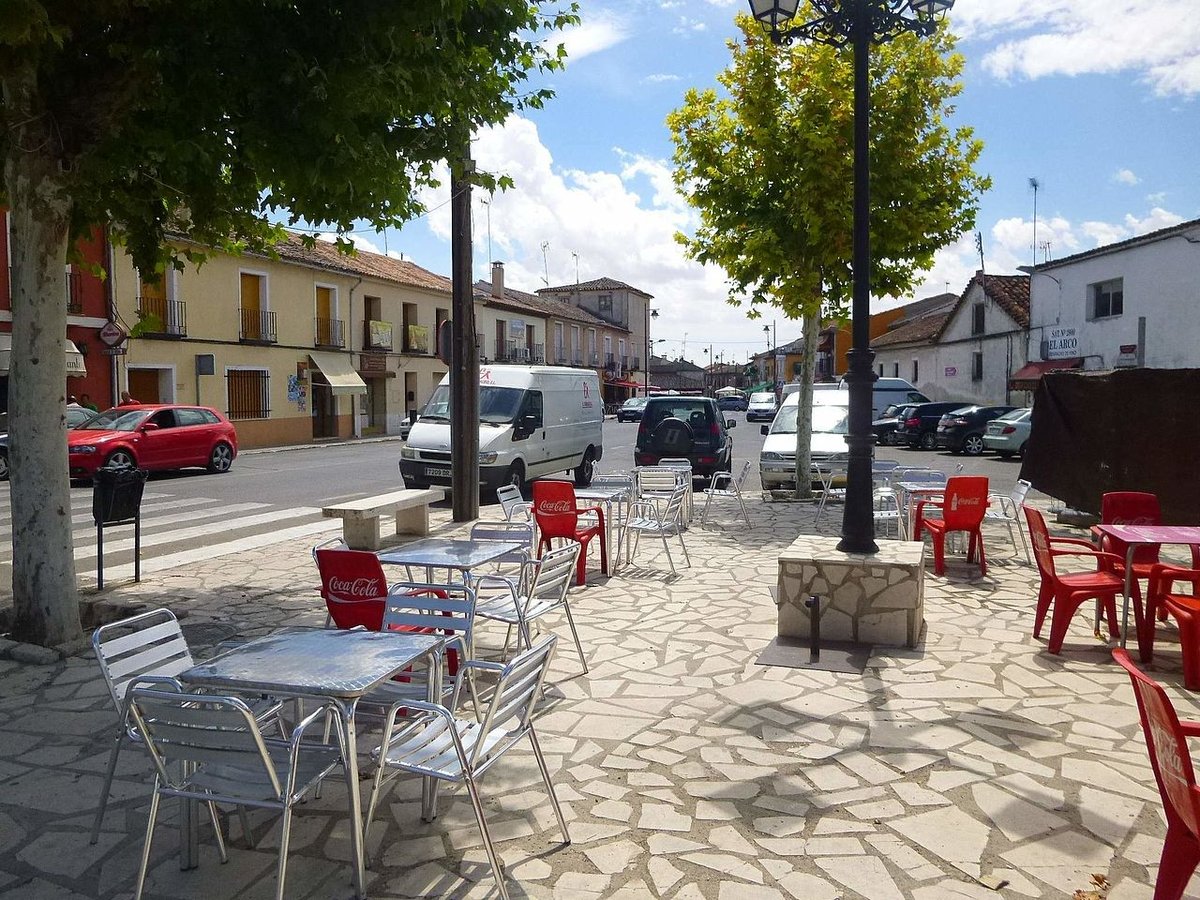
Perales de Tajuña does not make a strong first impression in the usual sense. It lacks the dramatic layouts or well-known landmarks associated with other destinations in the Madrid region.
What it offers instead becomes clear with a bit of time. The village feels ordinary at first glance, then the eye lifts towards the ridge and the caves come back into view.
A visit works best at an unhurried pace. A walk through the village, the climb up to the hill, some time along the Vía Verde, and a substantial meal to round things off. It is a place that settles into its own rhythm rather than trying to impress quickly.