Full Article
about San Martín de la Vega
Known for hosting Parque Warner; set in the fertile plain of the Jarama
Hide article Read full article
Where the village slows down
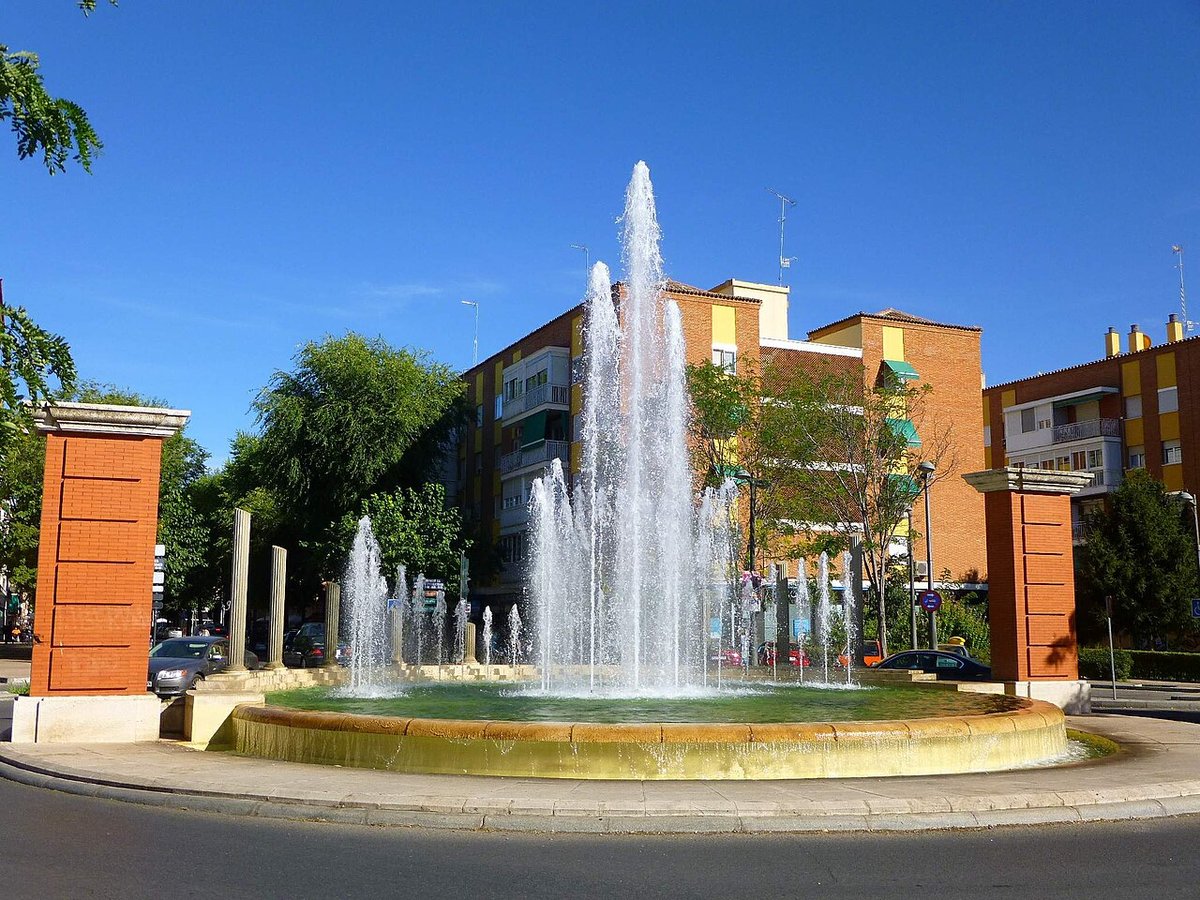
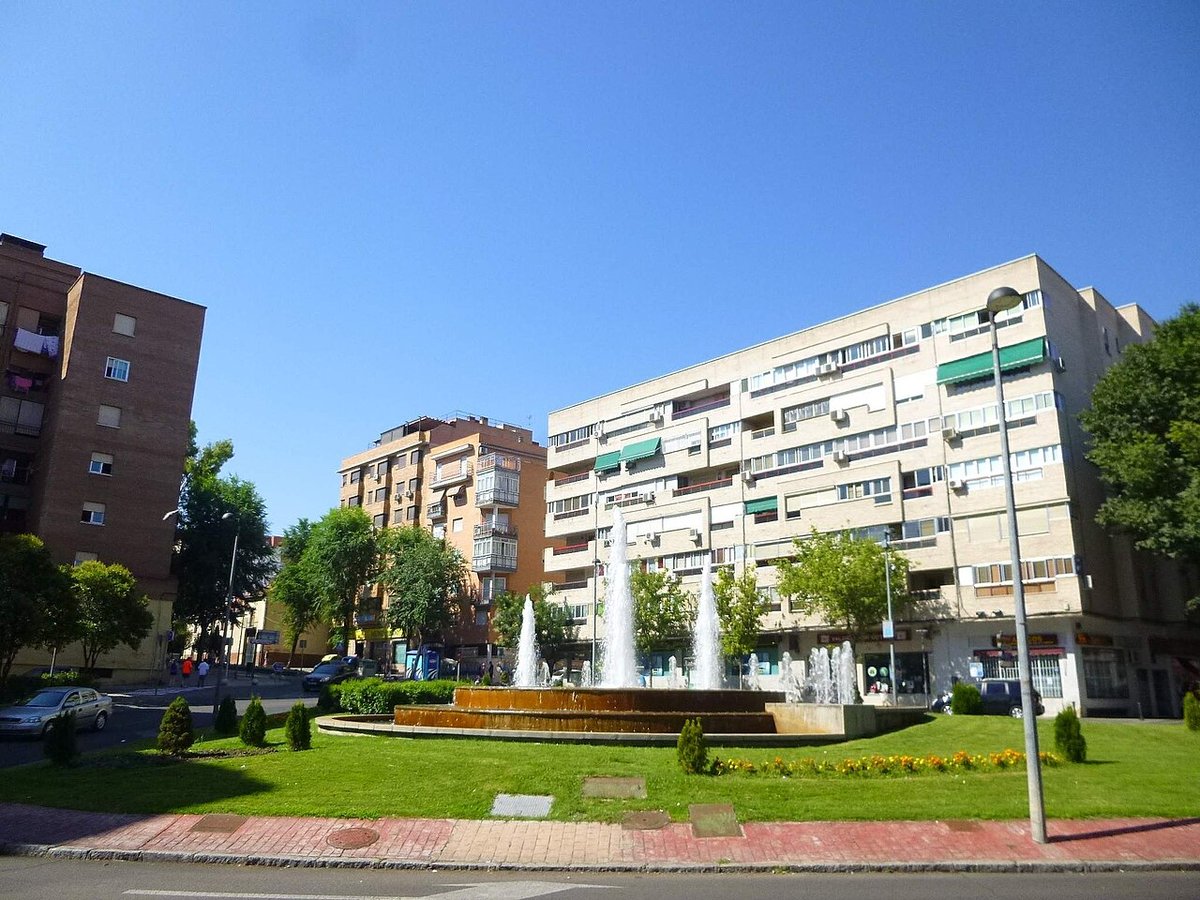
The smell of damp sawdust arrives before the water itself. It drifts around the Fuente del Martín Pescador in San Martín de la Vega, where on Sundays children throw stones into the circular basin while parents sit along the steps that frame it. In March, light filters through the poplars and lands in pale patches across the still surface. This is where much of the town tends to gather when it needs to ease its pace after the bustle brought by the theme park on the outskirts, even if few people mention it outright.
San Martín de la Vega sits within easy reach of Madrid, yet moments like this feel separate from the capital’s rhythm. Life gathers quietly around familiar corners, and the fountain becomes a small centre of gravity at the end of the week.
A plain that keeps its character
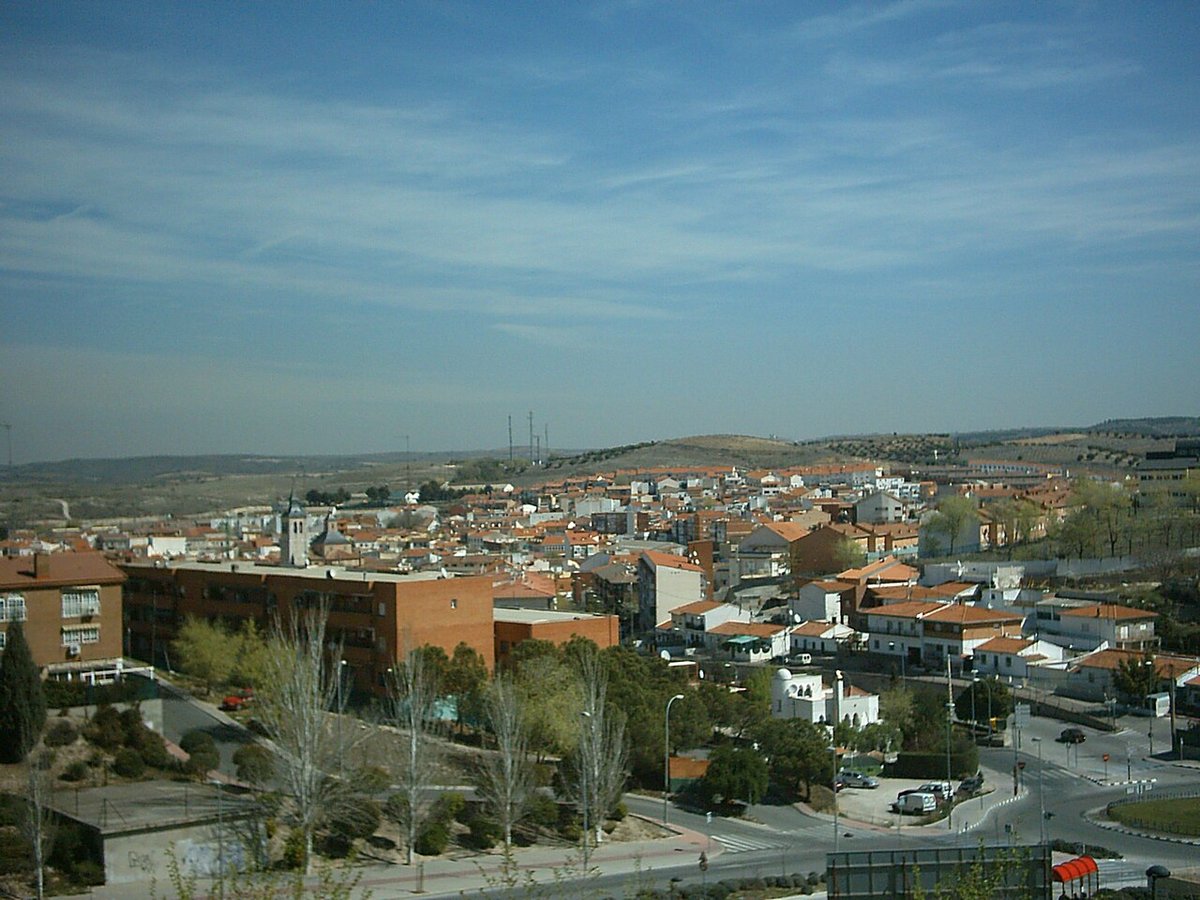
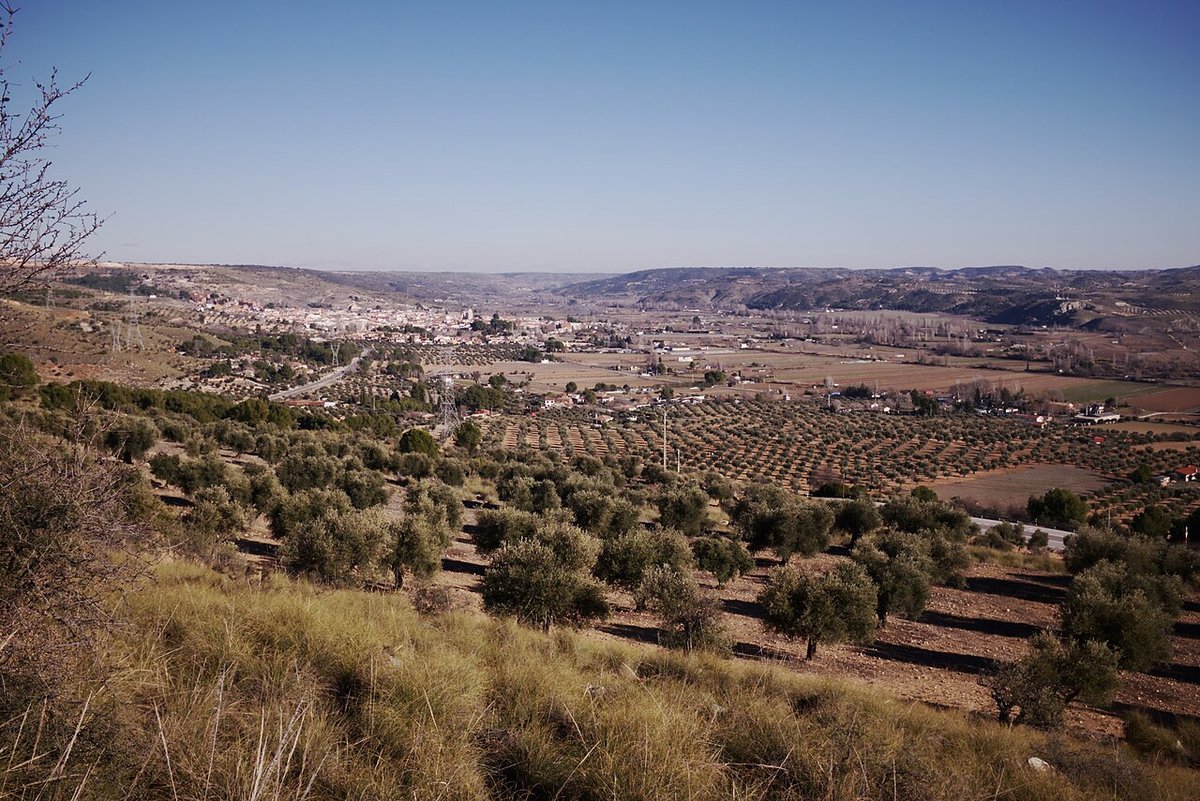
The town stretches across the flatlands of the Jarama river basin, an agricultural area long before Madrid began expanding southwards. Fields of cereal crops still ripple between newer housing developments, and towards dusk, flocks of starlings form dark, shifting clouds above the poplar groves that trace the river’s path.
In spring, the air carries the scent of turned soil and freshly cut grass. It is a simple smell, one that many people from Madrid only notice again when they return to this part of the vega.
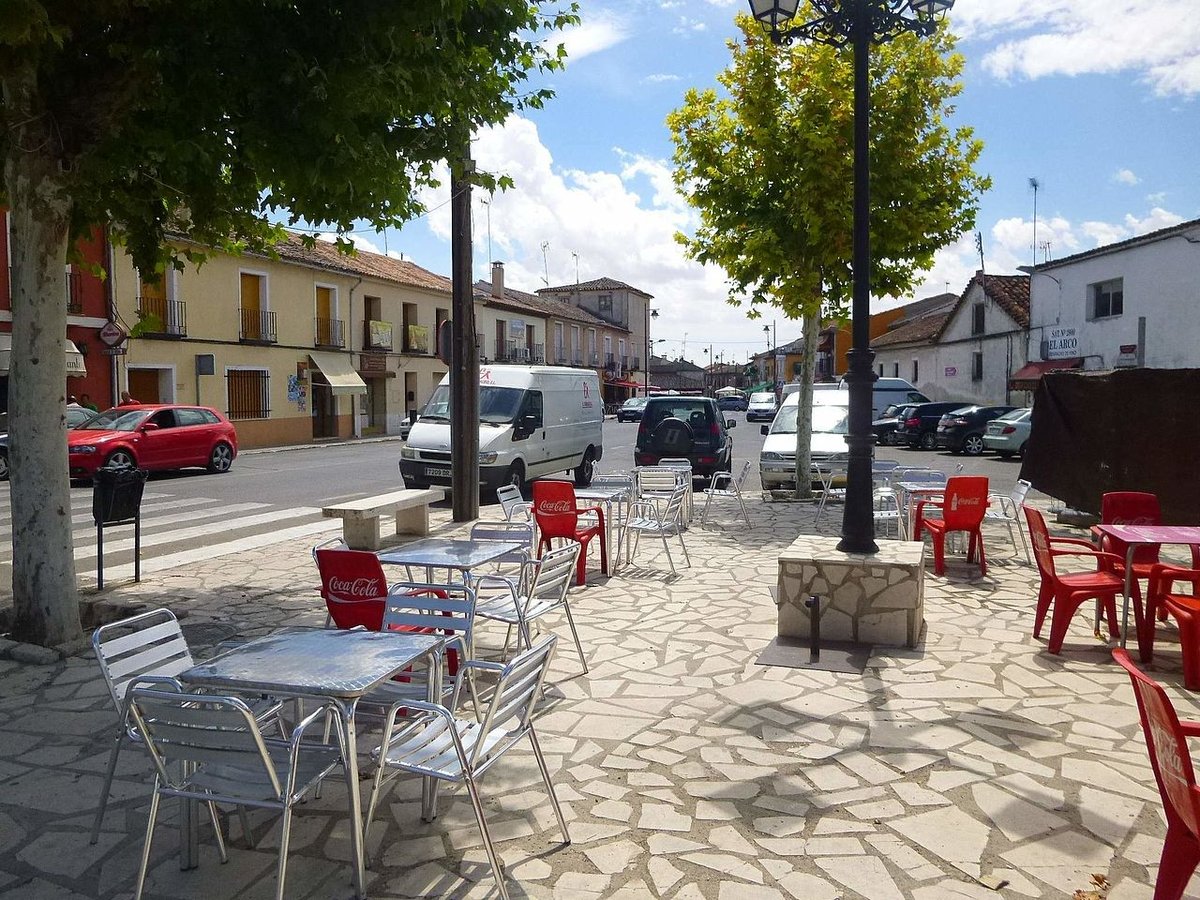
April brings the fiestas of San Marcos. During those days, Calle Mayor fills early in the morning. Shutters are raised, chairs scrape across the ground, and the steady murmur of the peñas takes over. These are social groups, often formed in adolescence, that gather around long shared tables in the square. In many homes, rabbit with potatoes cooks slowly over a low heat. The smell drifts out of open windows and mixes with that of freshly baked bread from the first batches of the day.
Arriving early during the festivities makes a difference. By mid-morning, the centre shifts into a faster rhythm, and moving around calmly becomes more difficult as the streets fill.
The tower that guides the way
There is a moment in the day, especially towards late afternoon, when the church tower turns almost orange. The brick catches the light and reflects it warmly across the low rooftops of the old town.
It was built in the 17th century, when this area was still a scattered agricultural landscape around the river. Today, the tower is visible from most open streets and serves as a point of reference. If the newer housing developments blur together, looking for the tower is enough to find the centre again.
Inside, the light is dim, and the air holds a mix of wax, cold stone and lingering incense. Some walls still bear marks from the Spanish Civil War, small scars that time has not entirely erased.
In September, the image of the Virgin is carried in procession from the hermitage. Families gather in the square, homemade lemonade is shared, and children sit on shoulders to catch a glimpse as the figure passes beneath branches of rosemary. The atmosphere is both communal and familiar, shaped by repetition over generations.
Along the Jarama and traces of the past
On the outskirts, the presence of the theme park shifts the landscape abruptly. Wide roads, vast car parks, and the distant sound of rides carried by the wind mark a clear contrast with the town itself.
Yet only a few minutes away, by car or bicycle, the vega returns. Dirt paths follow the course of the Jarama, weaving through reeds, small market gardens and open plots of land. In winter, the ground can turn muddy, and after several days of rain, sturdy footwear becomes a practical choice.
To the north-east lie the remains of Gózquez de Arriba, an old settlement where scattered walls and a few stone structures still stand. Local tradition holds that routes once passed through here connecting Madrid with Aranjuez, and that even a king may have stopped in the area along the way. Today, it is a quiet spot more likely to be reached by cyclists from the capital in search of long, flat roads.
Evenings in the square
As the sun drops behind the tower, the sound of the square begins to shift. Swallows arrive first, crossing the sky low and fast. Then come the older residents, taking their places on the stone benches as the light turns bluish.
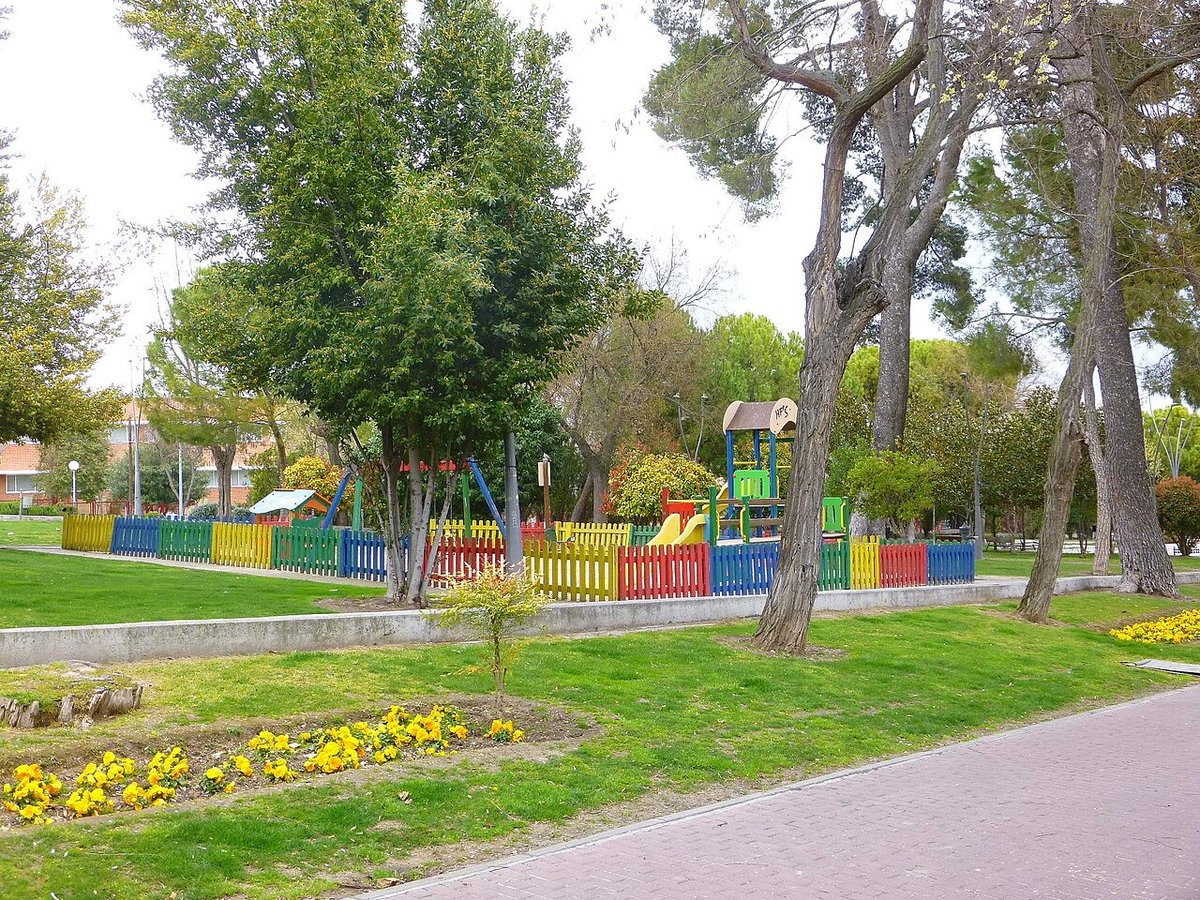
Teenagers gather in a nearby park, where a summer cinema once stood decades ago. At that hour, the air often carries the scent of jasmine from a nearby courtyard along with the smell of fried food from local bars.
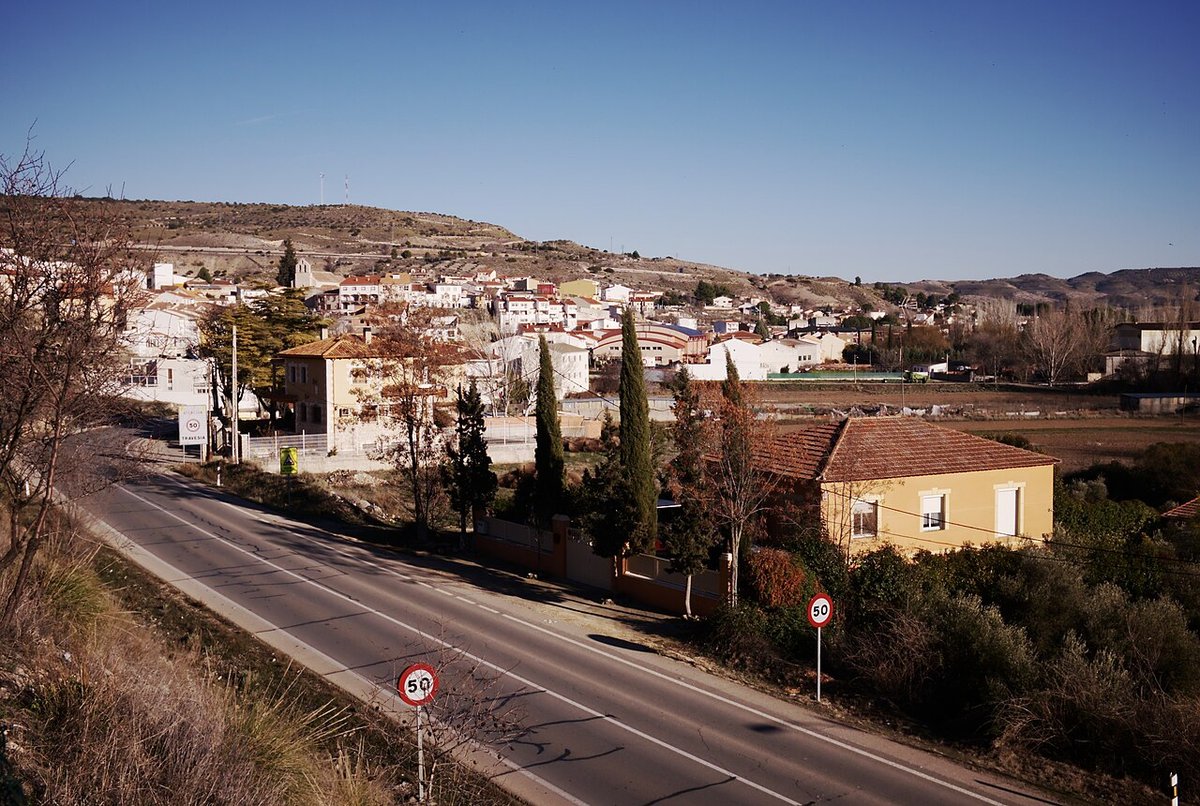
San Martín de la Vega sits in a curious balance between its agricultural roots and its role as part of Madrid’s wider orbit. Many residents work elsewhere and return in the evening. Others moved away years ago but come back on some weekends, when the square fills again with familiar voices.
Practical notes
Spring and early autumn tend to be the most pleasant times to visit. In high summer, the heat in this part of the vega can be intense, and the middle of the day stretches out under the sun.
San Martín de la Vega can be reached by car from Madrid via the southern roads of the region. There are also interurban buses connecting the town with the capital, though it is worth checking the latest timetables before setting out.