Full Article
about Tielmes
Town on the Tajuña plain; known for its cave-museum and farmland setting.
Hide article Read full article
A village that smells like bread and rain
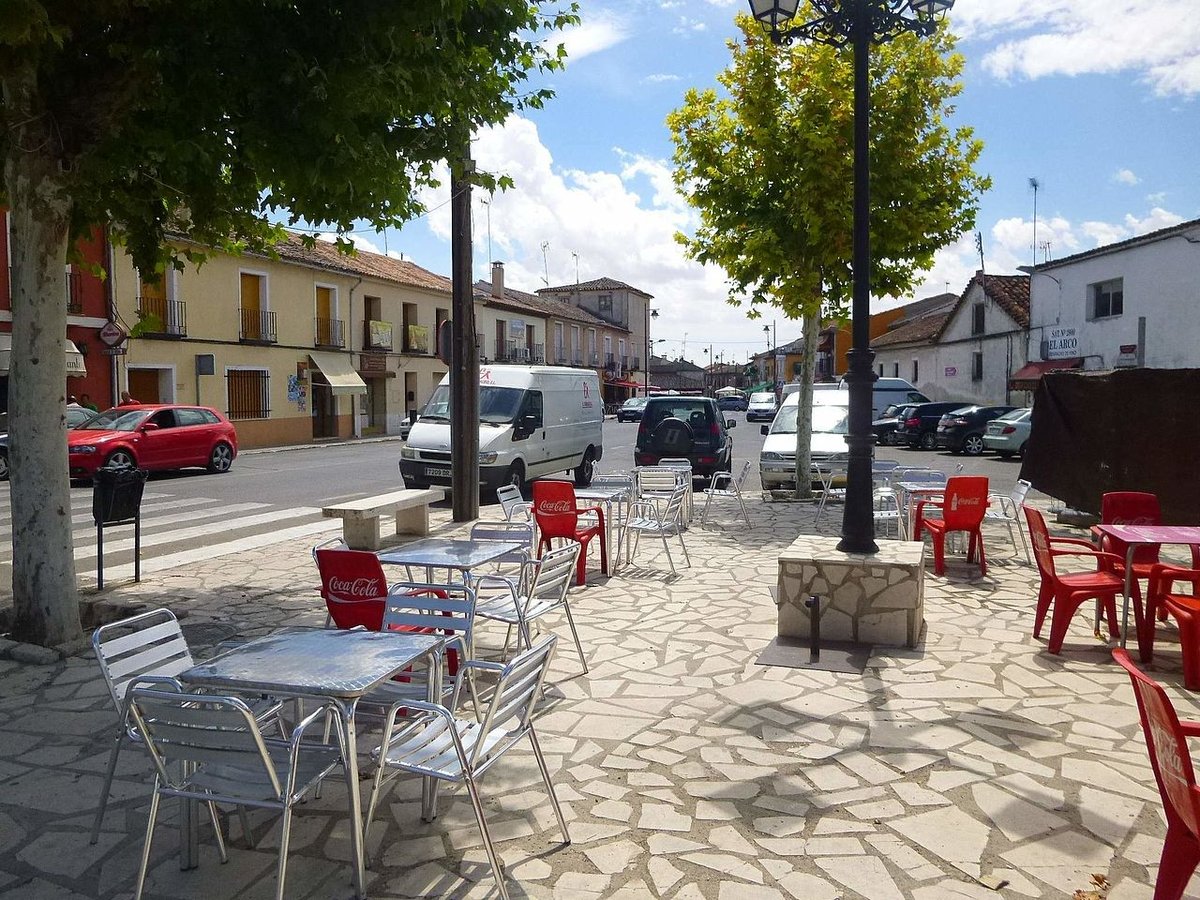
Getting into Tielmes around ten in the morning, your nose usually figures it out first. That’s the smell of bread, still warm from the oven that opens right onto the plaza. And rain, the kind that just finished and left the streets looking polished. It’s a basic combo, but it works. It makes you think about parking the car and not rushing off.
This isn't a town that tries to impress you with a big monument or a complicated legend. It operates on simpler terms. If a place can make you slow down, feel a bit peckish, and decide to hang around for no particular reason, then it’s done its job.
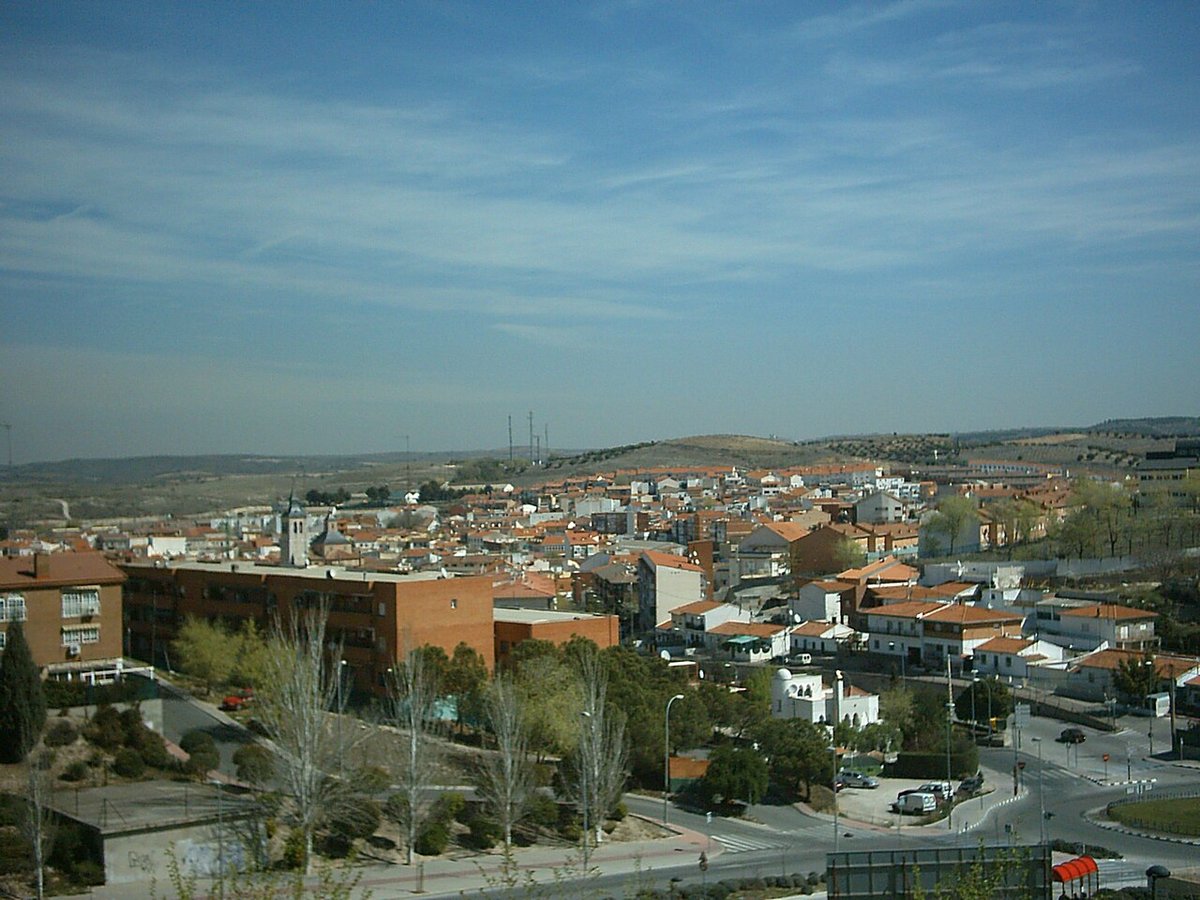
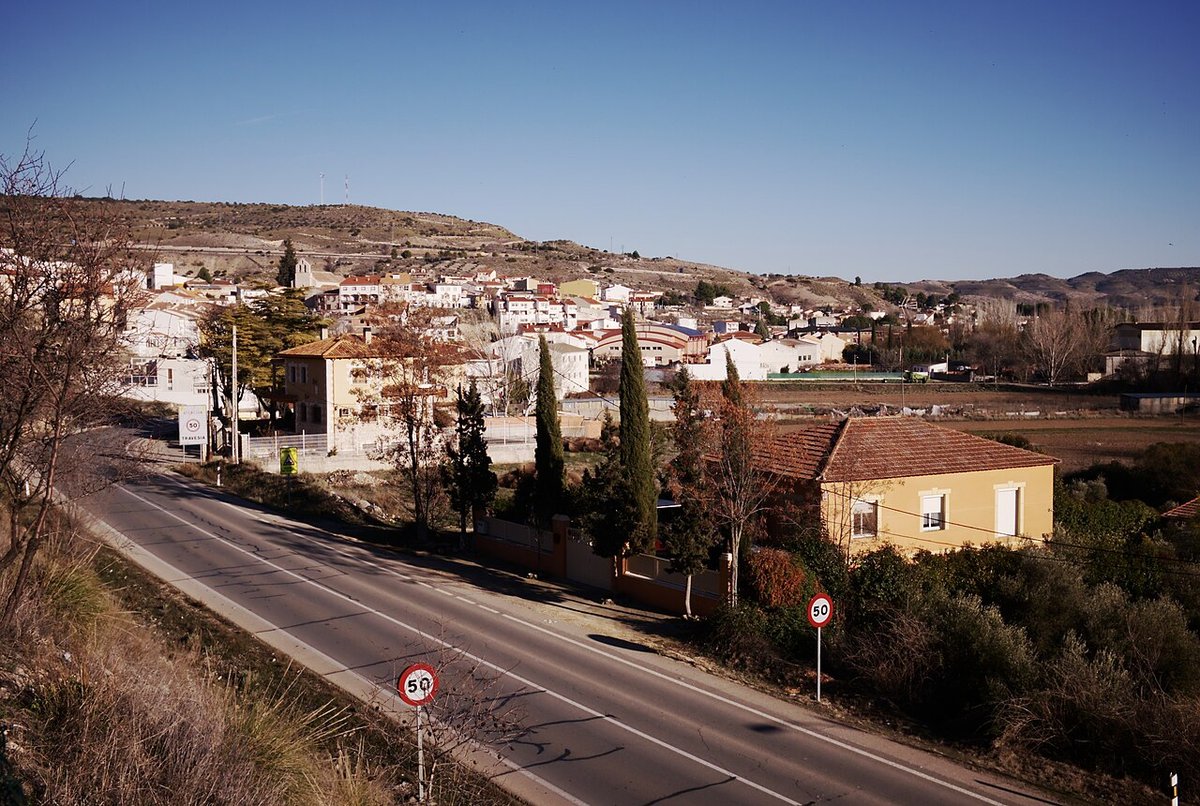
Tielmes sits in the Tajuña valley, southeast of Madrid. Life here isn't put on display; it's just happening. The plaza isn't set-dressed for tourists. People cross it on errands, bread comes out of that oven, and everything feels like it doesn't need to prove anything to you.
The bridge with a kink in it
The Pontón bridge is supposedly from the 17th century. In pictures, it looks like any other old bridge over a river. You have to walk across it to get the point.
About halfway, the whole thing takes a slight bend. It’s not dramatic, but you can feel it under your feet—the path isn’t straight. The story goes that after a bad flood washed away the original, they rebuilt it with this curve on purpose, thinking it would stand up better to the current next time.
From the town side, you'd never guess. The trick is to cross it and then look back. That's when you see the shape properly.
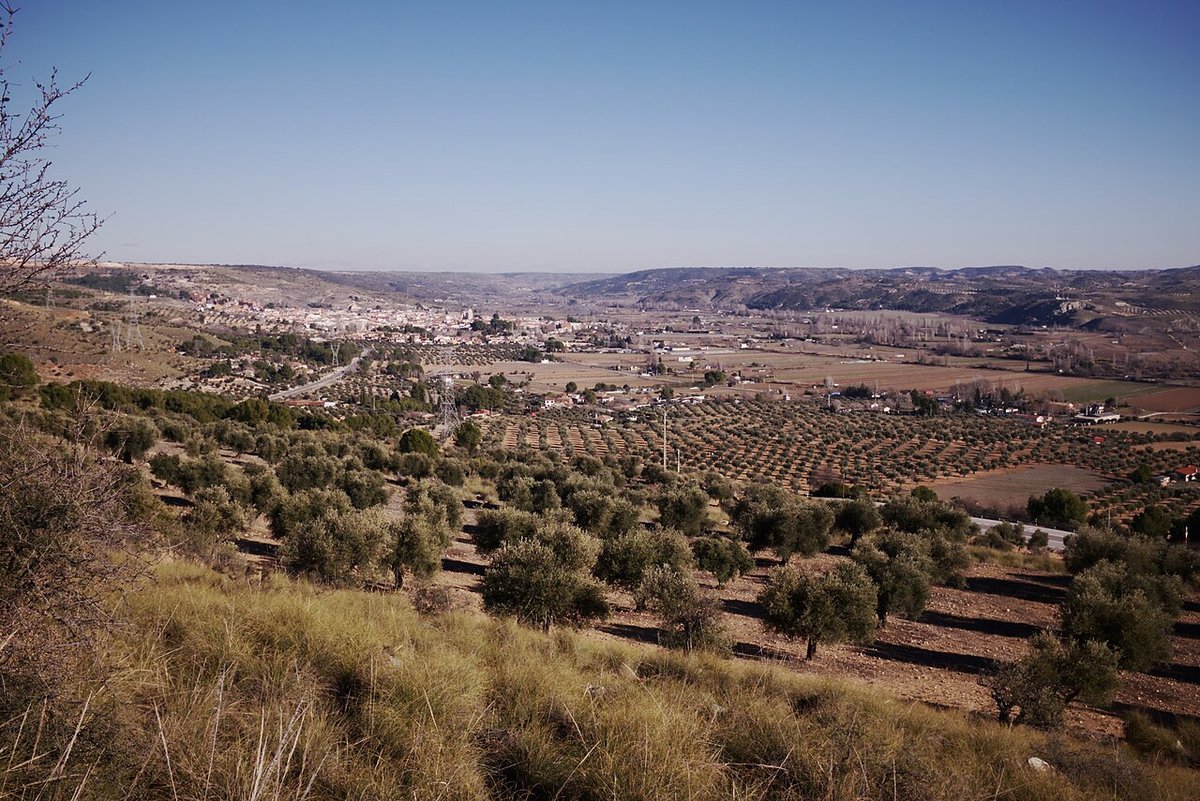
Down below, the Tajuña moves slowly. Around it are the huertas, those tidy irrigated plots of green that define these valleys. The bridge stops being just something to cross and becomes more about seeing how the village fits with the river that runs beside it.
Wine by the jug
Tielmes falls within the Arganda subzone of D.O. Vinos de Madrid. The idea of Madrid having proper wine country still throws some people off, but out here in the southeast, it's just normal.
The wine here doesn't always come with a fancy label. There are still folks who buy it a granel. You bring your own bottle or jug, they fill it straight from the tank for you, and that's that. No tasting notes about oak ageing, just wine meant for a regular Tuesday dinner.
If you ask around locally, they'll often point you toward the white made from malvar grapes. They describe it as fresh, straightforward, the kind you drink during a long lunch where talking is more important than analyzing each sip.
There's an unspoken rule attached to it too: if you're driving back to Madrid later, maybe save that jug for another day. It's all part of how things work—informal but understood.
Migas and how things get done
The food follows a similar logic as the wine: practical and based on what's around. Migas, made from stale bread fried up with green pepper, chorizo and whatever else needs using, is typical of this vega area.
It’s not really a dish that needs explaining or plating up fancy. You see clouds gathering over the fields outside town and suddenly frying up some migas makes perfect sense.
Some Sunday mornings there might be activity in one corner of the plaza—a brazier set up with someone stirring a big pan while neighbours drift over for a chat and taste what's cooking. It’s not an advertised event; there’s no schedule or fee posted online. It’s just something people do. If you wander over looking curious, you'll probably be handed a spoonful without much ceremony. In Tielmes, these small habits matter more than any official program.
The valley that supplies Madrid
To really see how this area functions, take a walk along the Vía Verde del Tajuña. This flat path follows an old railway line that used to haul produce from these fields into Madrid. Nowadays, it’s perfect for an easy bike ride or stroll, with stone benches placed where views open up over farmland. These aren't decorative gardens; they're working plots. Rows of lettuce, long greenhouses, fruit trees along the riverbank— this is land producing stuff. In spring, you'll see farmers pruning; in autumn, crates full of grapes by the roadside wait for pickup. The connection clicks quickly: a lot of what grows here ends up in markets across Madrid only an hour away. Walking this route feels like seeing step one before anything hits a supermarket shelf— it puts Tielmes firmly inside a bigger system while keeping its own slow pace intact
Early August versus every other day
Things shift noticeably during the romería de los Santos Niños Justo y Pastor at start August Streets fill carts appear almond sweets get passed around groups wear matching shirts Tradition says those saints were born here before dying Alcalá de Henares so devotion stayed put along with yearly party For those few days town feels busy turned outward good time see most activity Week later rhythm resets Plaza returns normal routine Some traces remain ribbons tied lampposts reminders conversation slows everyday settles back
Tielmes isn't built fill weekend itinerary Works better short stop valley Walk cross Pontón maybe pick something local shop sit bit riverbank At some point looking fields might think living appealing Then practical thoughts creep winter fog hangs low over Tajuña steady predictable rhythms small-town life For quiet morning though fresh bread air river nearby fits perfectly Leaves impression place moves own speed no matter close sits capital