Full Article
about Titulcia
Ancient Roman Titulcia; a village steeped in history and mystery (Cueva de la Luna) at the confluence of rivers
Hide article Read full article
Arriving without fuss
Early in the afternoon, when the sun falls sideways across the Jarama plain, silence settles over Titulcia. Now and then a car crosses Calle Mayor, and somewhere in the distance a tractor hums. Tourism in Titulcia often begins like this: with no grand arrival, just open fields on all sides and a small town that can be explored without a map.
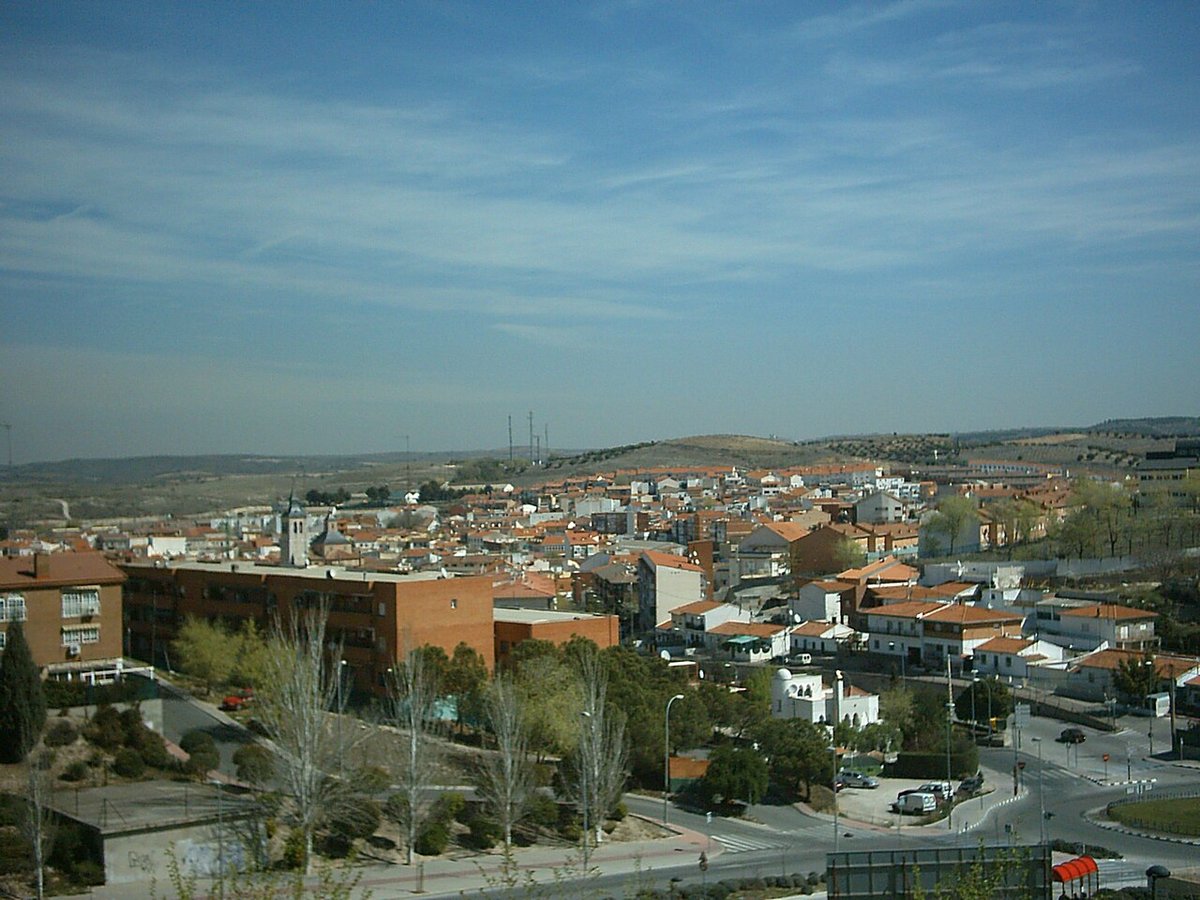
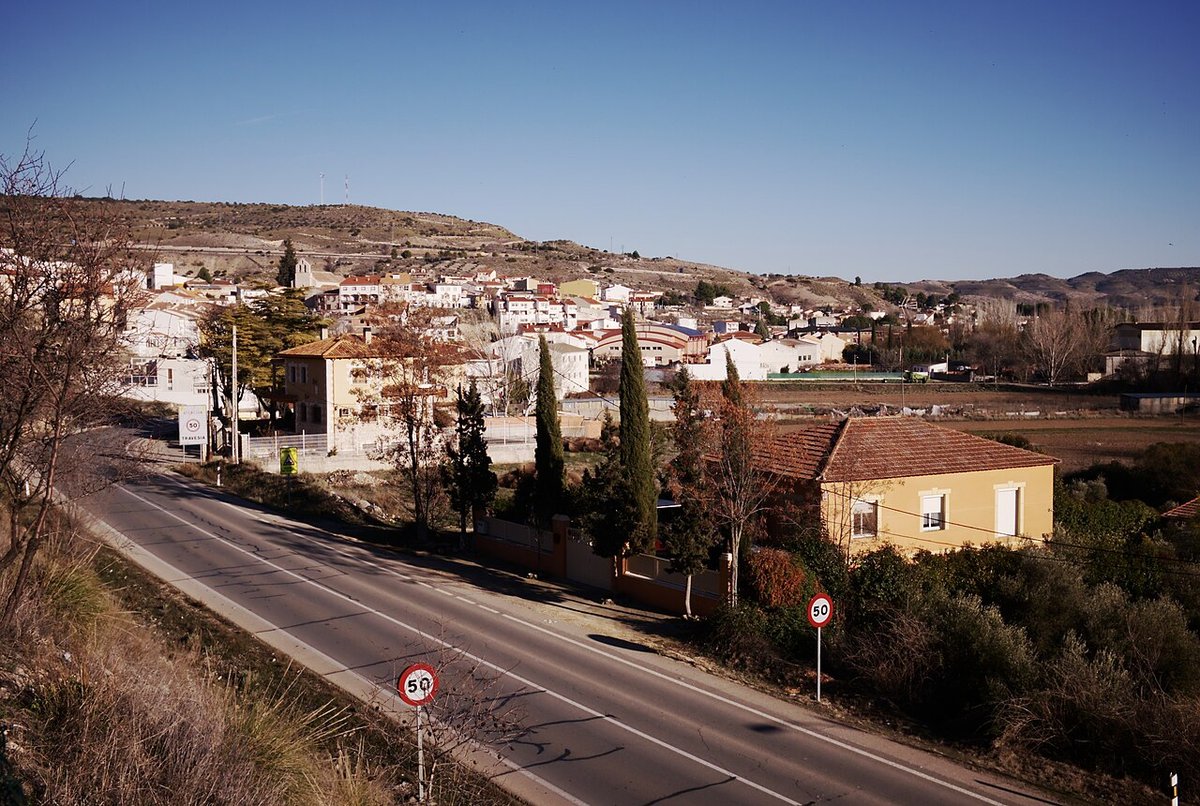
The houses are low, with simple façades. Many have black iron grilles and shutters half closed against the summer heat. Here and there, small courtyards appear behind gates, with pots of plants that endure the dry conditions of the vega. Sometimes they hold bright red geraniums, sometimes hardier greenery that copes as best it can. Above the rooftops rises the tower of the church of San Miguel Arcángel, an easy point of reference. In a place with short streets, a quick glance upward is enough to find the centre again.
Slow streets, familiar rhythms
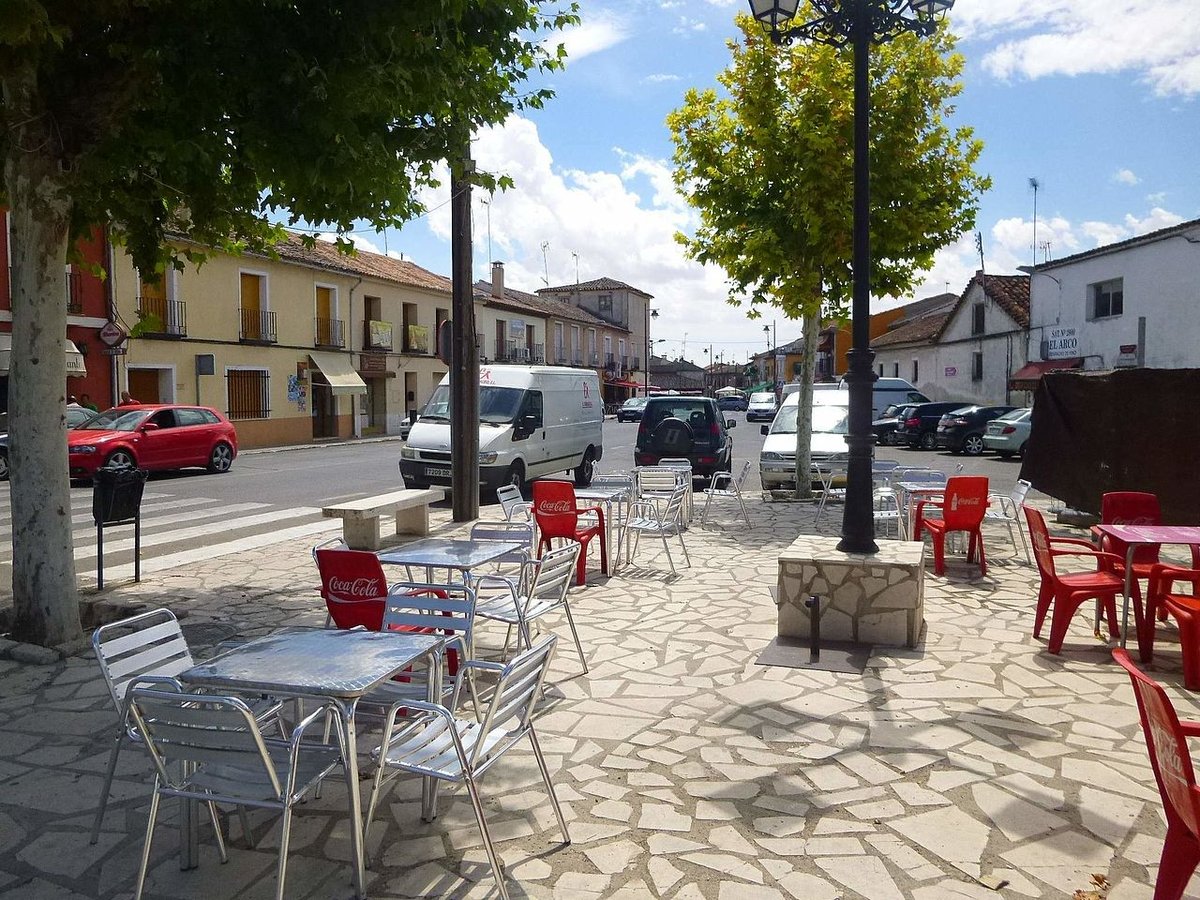
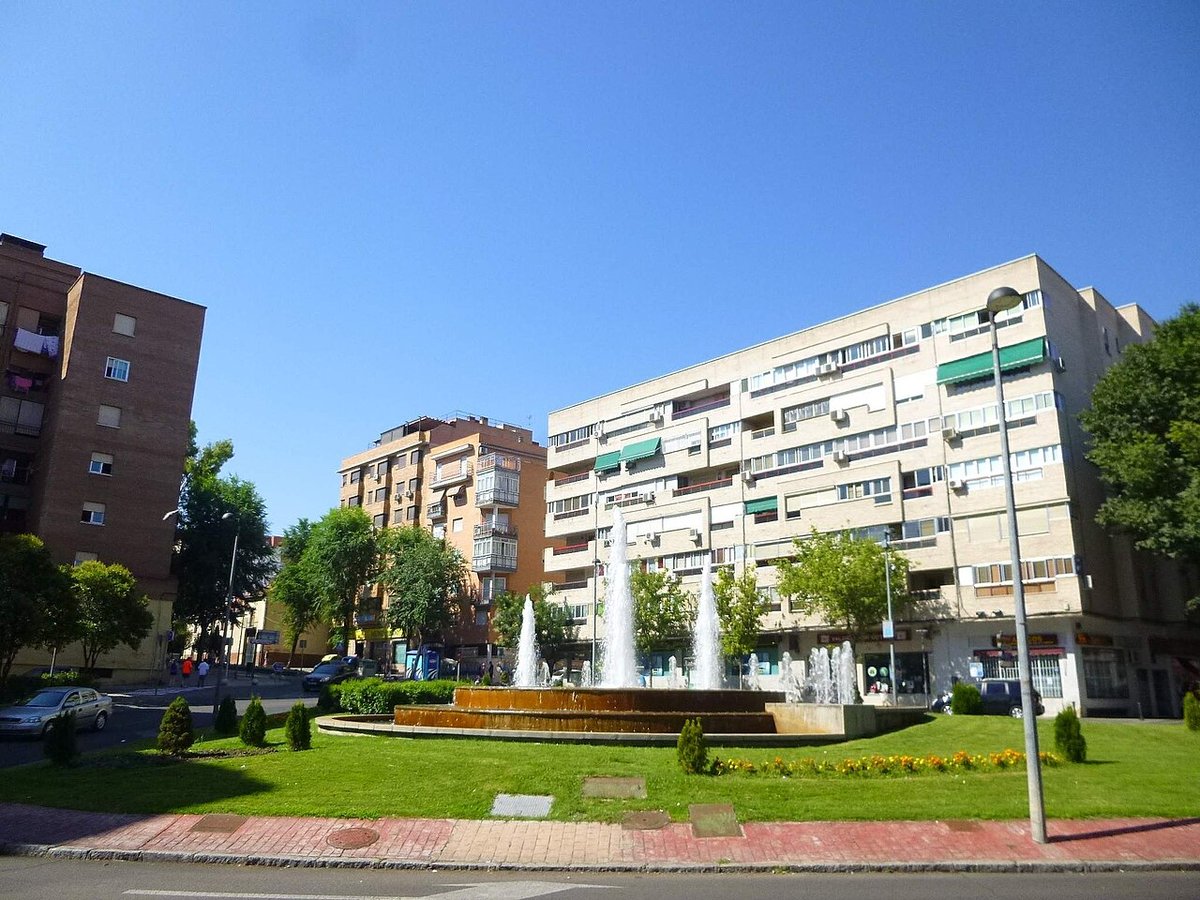
Plaza Mayor is neither large nor imposing. Its appeal lies in something simpler: benches where people sit and talk once the heat fades, wooden doors that have seen many winters, and a pace of life shaped by familiarity. In towns like this, most people know each other, and it shows in the unhurried atmosphere.
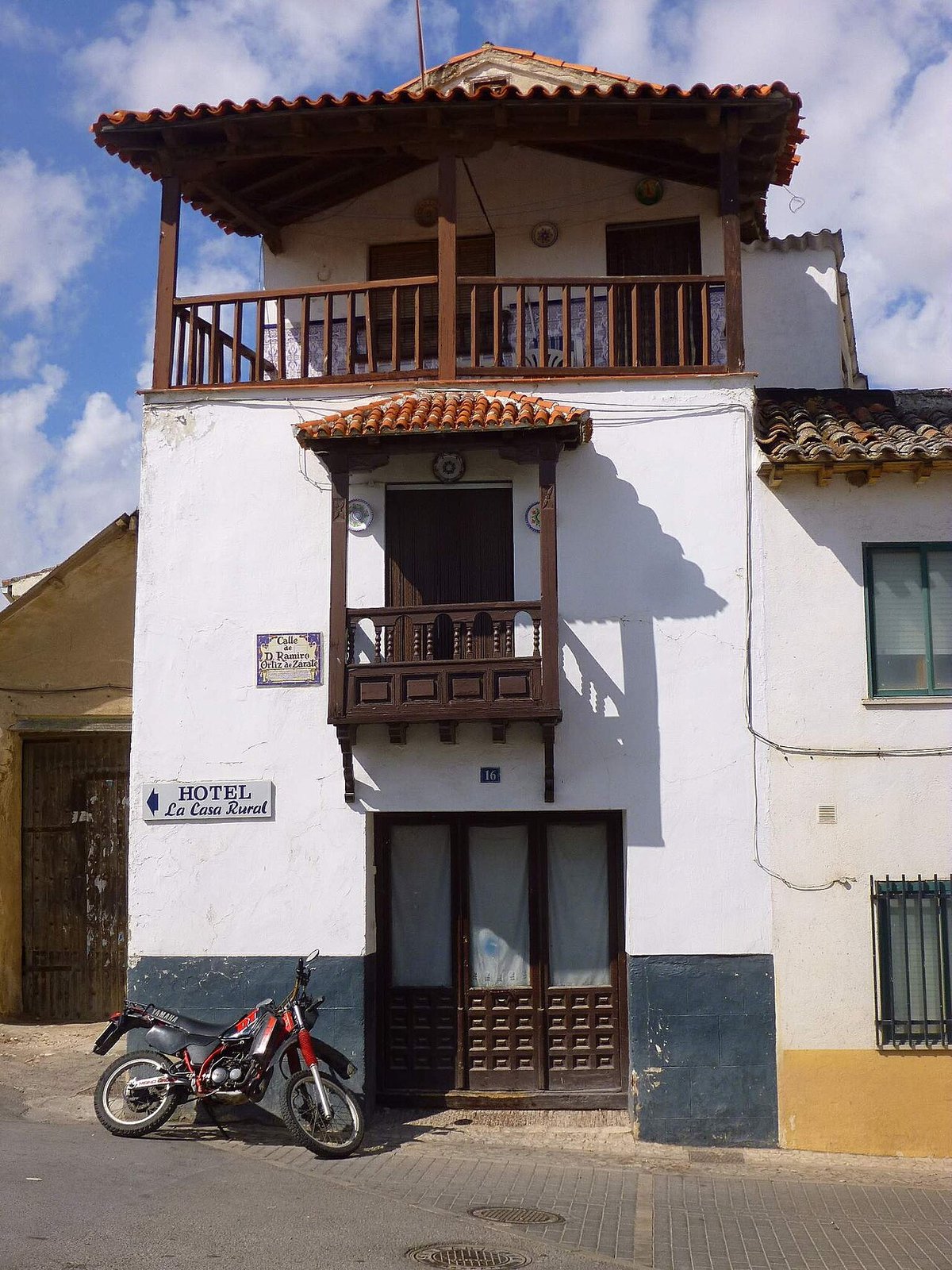
Some houses still hint at their inner courtyards, whitewashed walls and decorative ironwork visible through partially open entrances. These are small details, easy to miss if you rush. A slower walk suits the place better, especially towards the end of the day when the light softens and the streets seem to pause for a while.
Titulcia is easy to cover on foot. In less than an hour, it is possible to cross its main streets without effort. The experience is less about ticking off sights and more about noticing how the town fits together, how the church tower anchors the view, and how daily life unfolds at an even pace.
Out towards the vega
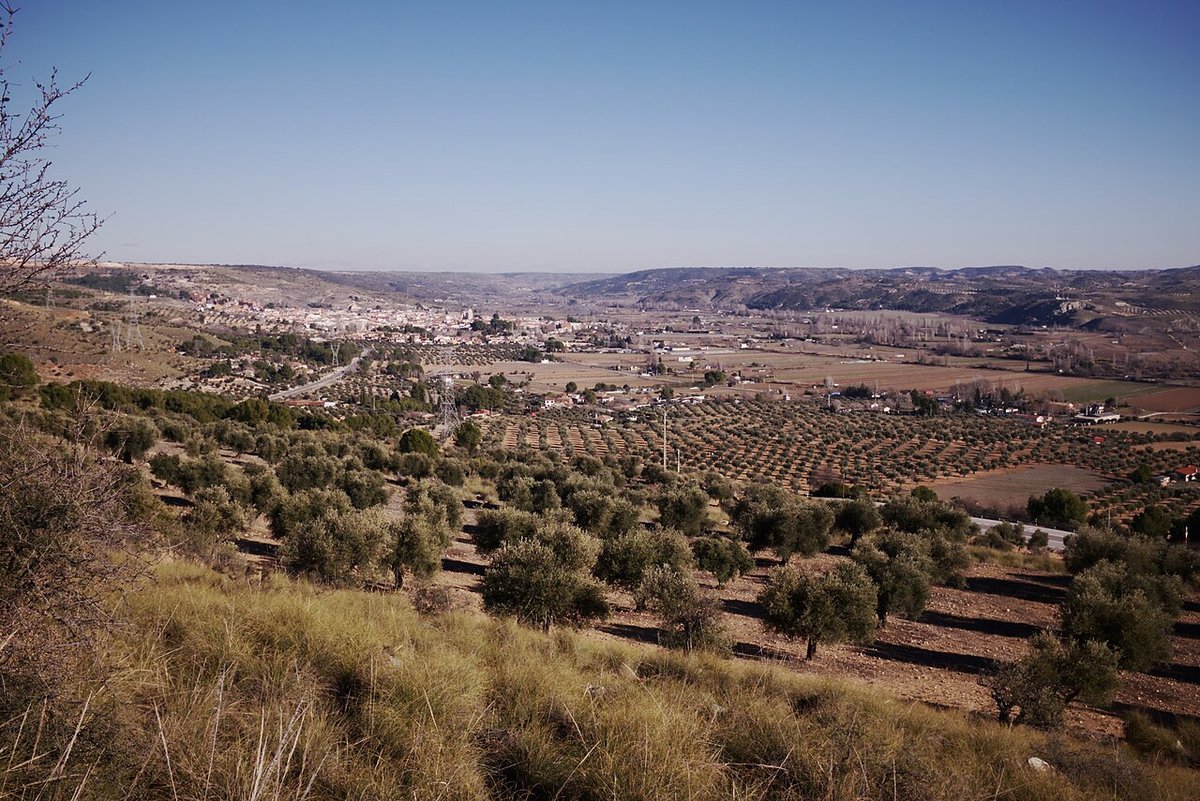
The character of Titulcia becomes clearer just beyond the edge of the built-up area. A few steps outside the town, the vega opens up, a flat agricultural landscape shaped by the Jarama river. Fields of cereal and small market gardens spread out, changing noticeably with the seasons.
Spring brings an intense green, the result of recent rain and damp soil. As summer advances, those greens fade into gold, and the air grows drier. The shift is gradual but unmistakable. The land reflects the agricultural cycle, and the colours follow it closely.
Straight dirt tracks cut across the fields. These are working routes rather than scenic paths, marked by tractor ruts and the occasional irrigation mesh. Their purpose is practical, and that practicality defines the landscape. Walking along them gives a sense of how the land is used day to day, not arranged for visitors but for cultivation.
Anyone heading out along these tracks needs to be prepared. Shade is scarce, and in the height of summer the heat is strong, especially around midday. Water and sun protection make a real difference here. The openness of the plain, which gives the area its character, also leaves it exposed.
Dates that shape the year
Despite its proximity to Madrid, Titulcia still follows rhythms tied to the agricultural calendar. Certain times of year bring a noticeable change in the atmosphere.
May traditionally centres on San Isidro, a figure closely associated with farming in Spain. September is marked by celebrations dedicated to San Miguel. During these periods, the town becomes livelier. Streets fill with more people, music appears in open spaces, and gatherings around the table stretch on longer than usual.
These moments do not transform Titulcia into something else, but they do highlight its identity as a working rural community. The link between daily life and the land remains visible, even during celebrations.
When the landscape feels at its best
Spring and early autumn tend to be the most comfortable times to explore the surrounding area on foot. In April and May, the ground still holds moisture and the landscape feels fresh and active. By September, the sun sets earlier, and the late afternoon light falls clean and golden across the fields.
Winter can bring cold winds across the vega, and summer heat is intense in the middle of the day. Visits during those seasons benefit from adjusting the timing, either earlier in the morning or later in the afternoon, when conditions are less extreme.
Titulcia does not rely on major monuments or dramatic viewpoints. What lingers instead is something quieter: dry air over open fields, the sound of wind moving through the grain, and a sense of stillness that appears when you stop for a moment and look around. Life here remains closely tied to the land, and that connection is easy to notice once you slow down.