Full Article
about Valdaracete
Quiet village in the Alcarria region of Madrid; noted for its church attributed to Juan de Herrera.
Ocultar artículo Leer artículo completo
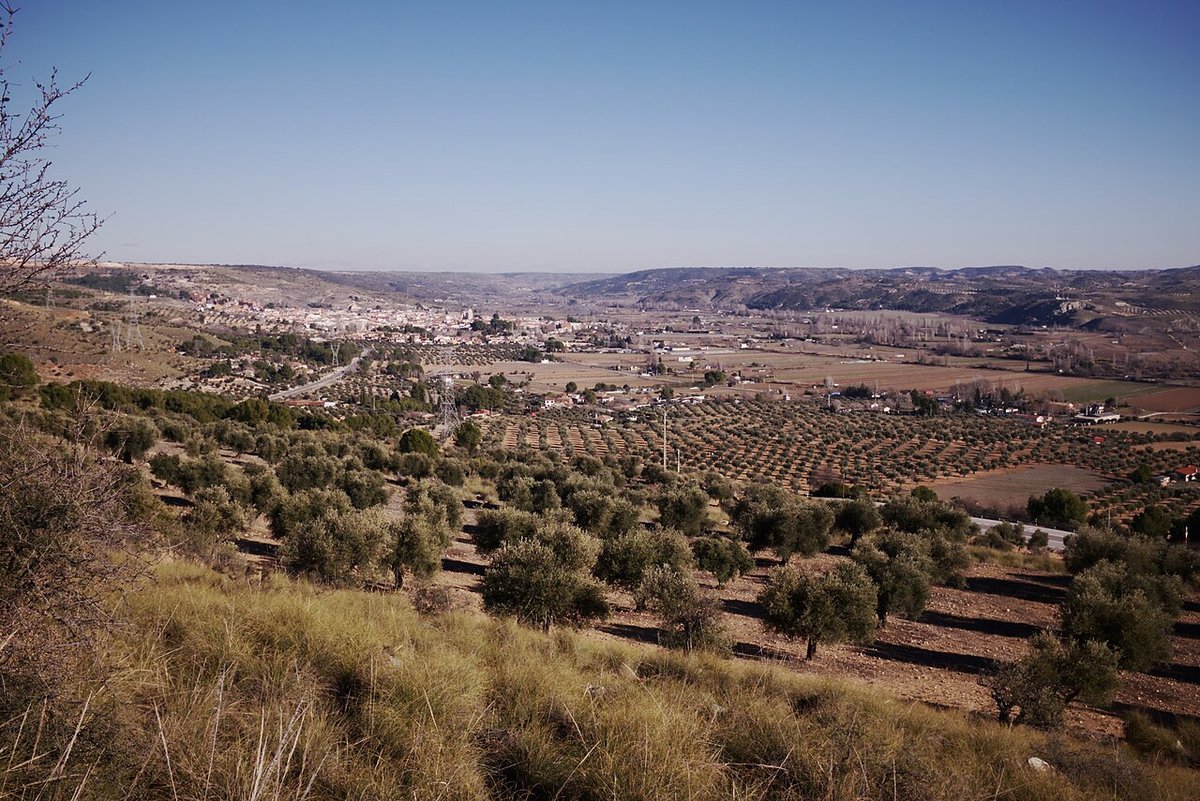
The church bell rings eleven times, and nobody looks up. They're watching the sky instead—specifically, the harrier hawk circling above the wheat fields that start where the pavement ends. At 733 metres above sea level, Valdaracete sits high enough that the air feels different from Madrid's, cleaner somehow, with a dryness that makes every scent carry further. The cereal harvest has finished, and golden stubble stretches towards the horizon, broken only by dark green clumps of holm oak.
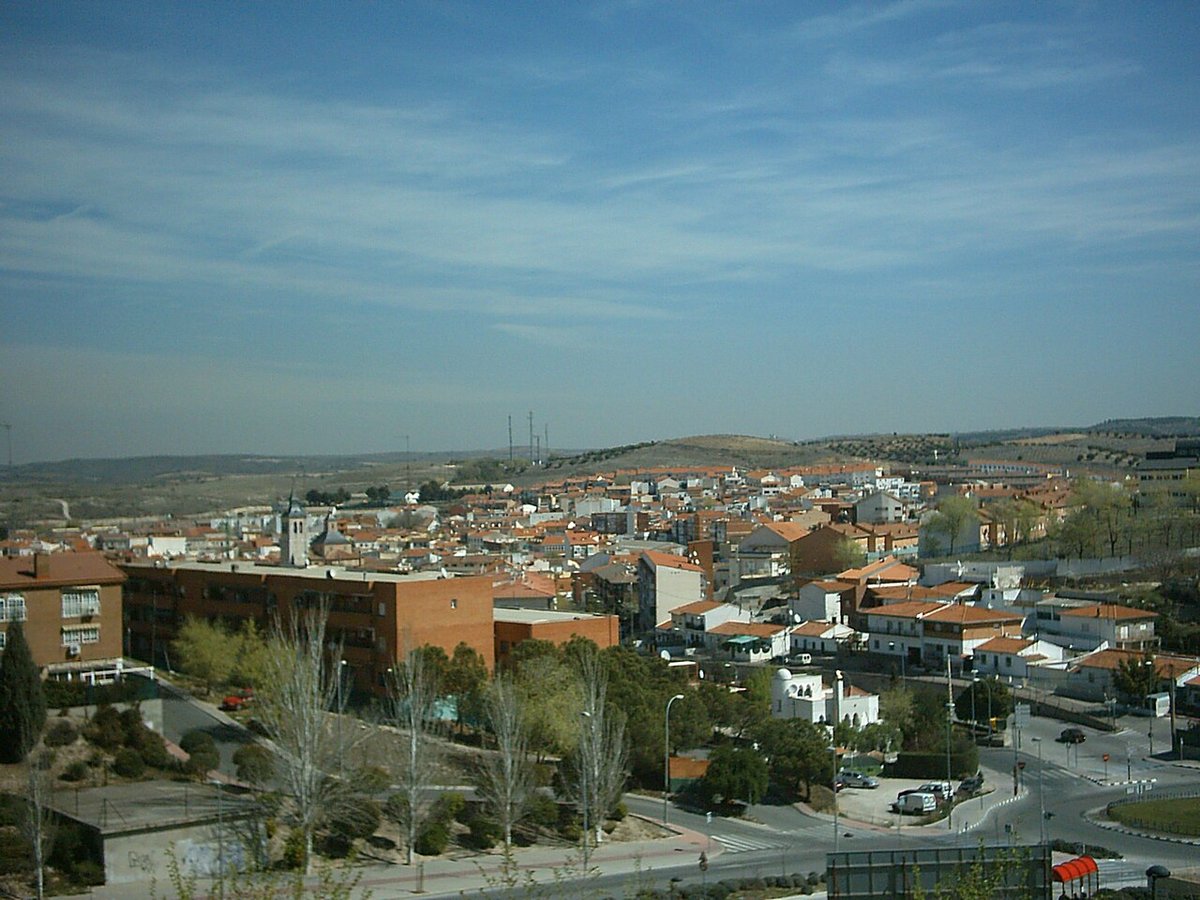
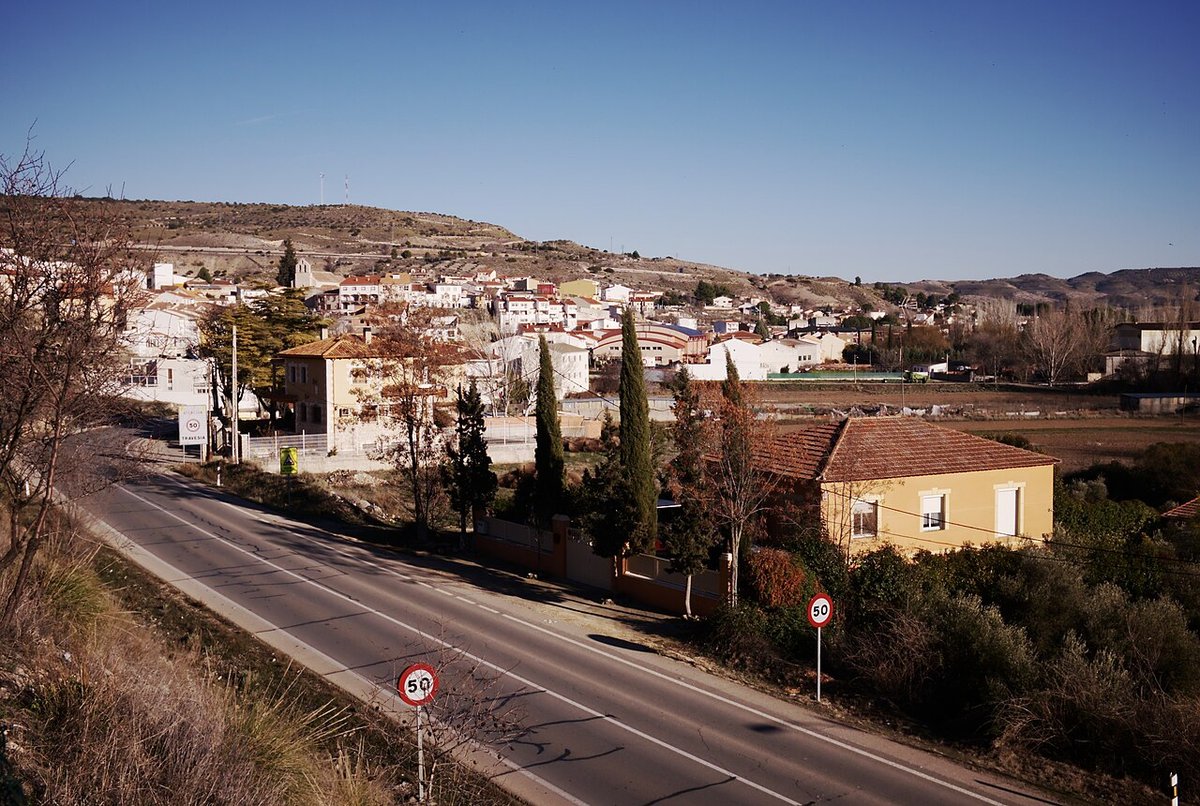
This is the meeting point between Spain's capital and its most famous literary landscape. Fifty kilometres southeast of Madrid, the village marks where the Meseta Central begins its long descent towards La Mancha. The transition is immediate. One minute you're on the A-4 motorway, surrounded by commuters and delivery trucks. Take exit 53, follow the M-404 for ten minutes, and suddenly the traffic thins, the buildings shrink, and the horizon expands until it feels almost circular.
The Village That Measures Time in Harvests
Valdaracete's population—633 at last count—has remained remarkably stable for decades. The elderly men who gather outside the pharmacy on Plaza Mayor have watched the same families grow up, leave for university in Madrid, and often return to raise their own children. The rhythm here follows agricultural rather than urban clocks. When the cereal fields turn from green to gold, activity intensifies. During planting season in autumn, the village wakes to the sound of tractors before sunrise.
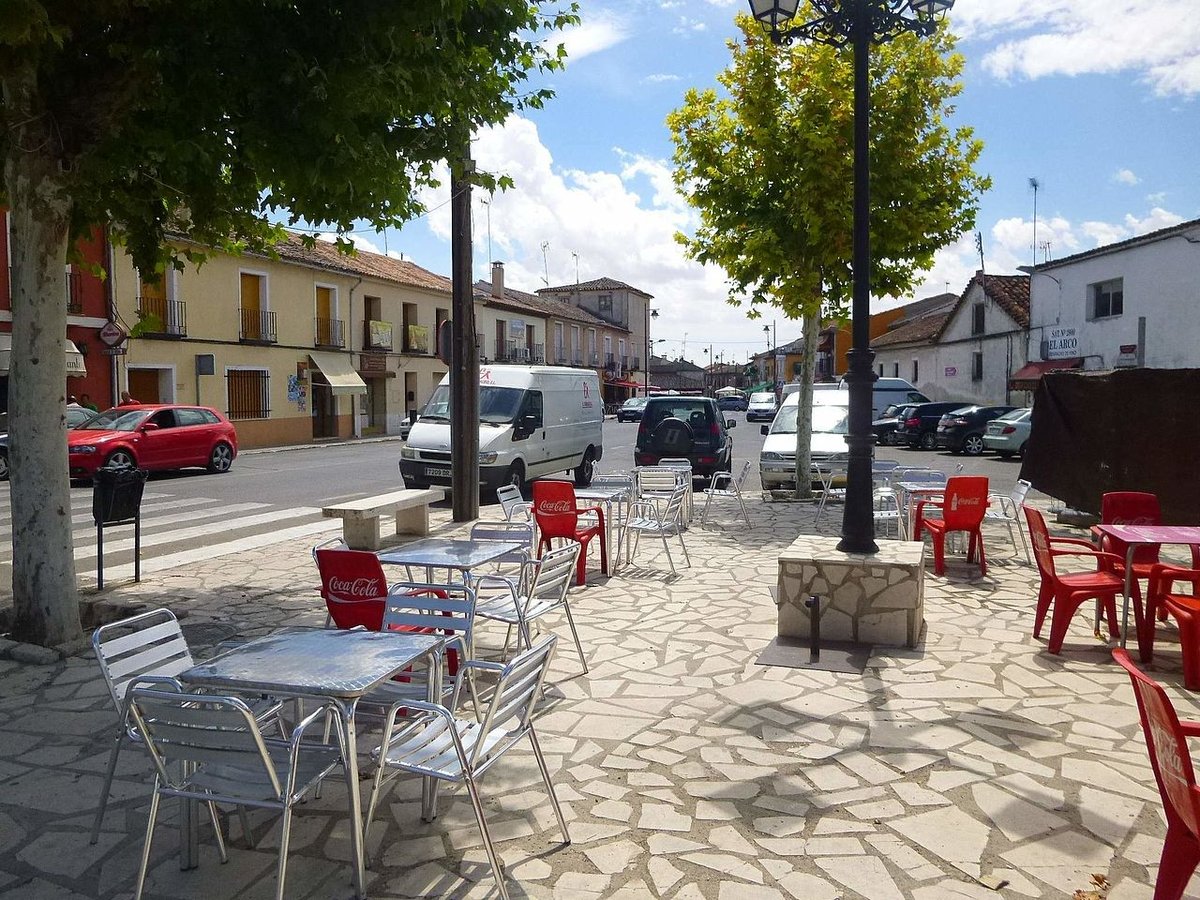
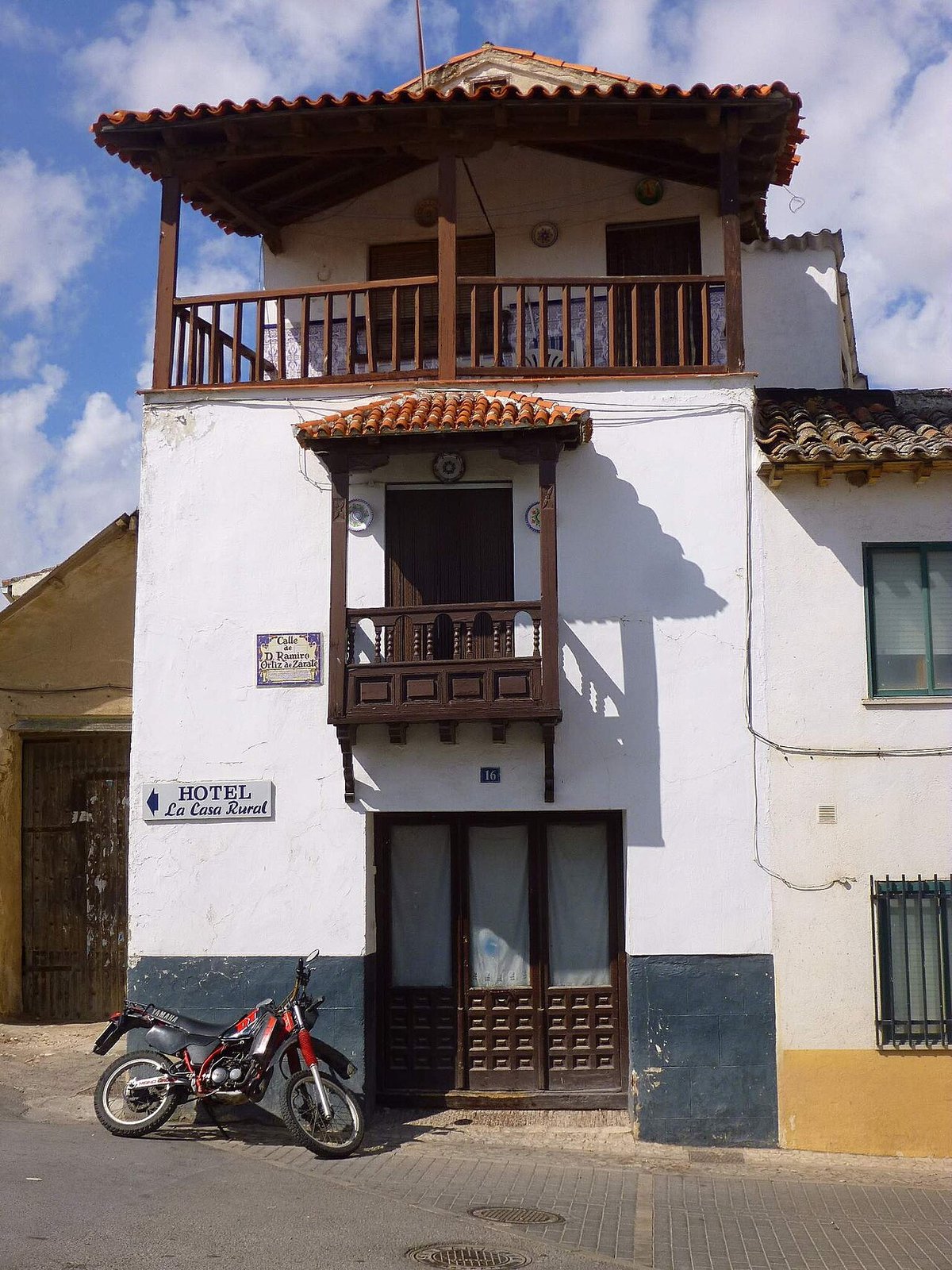
The plaza itself tells this story. Traditional houses with wooden balconies line three sides; the fourth opens onto the 16th-century Church of San Bartolomé. Its tower, rebuilt several times after lightning strikes and the Civil War, still serves as the landmark for farmers navigating home across featureless fields. Under the arcades, Bar Victoria serves coffee at €1.20 and keeps irregular hours that depend more on the proprietor's mood than any posted schedule.
Walk two minutes in any direction and tarmac gives way to dirt tracks. These rural paths, part of the GR-124 long-distance footpath network, offer some of central Spain's most accessible countryside walking. The landscape appears flat but conceals subtle valleys where rainwater collects, creating micro-habitats that support surprising biodiversity. Spring brings purple carpets of Vela de Cid flowers, named after the legendary warrior who supposedly camped nearby during his exile from Castile.
What Grows Beneath the Windmills
The dehesa system—mixed agriculture combining cereal cultivation with holm oak grazing—defines the local ecology. In Valdaracete's Dehesa del Carrascal, ancient oaks survive alongside modern wheat production. This creates a landscape that changes dramatically with seasons. Winter transforms the area into a study of browns and greys, where the few evergreen oaks stand out like punctuation marks. Summer intensifies colours until everything appears bleached by the sun. Only during brief spring and autumn does green dominate.
These seasonal shifts determine what's possible. Summer walking requires early starts and serious sun protection. Temperatures regularly exceed 35°C, and shade exists only where oaks grow. The village sits in a rain shadow; annual precipitation barely reaches 400mm. When rain does fall, usually during abrupt spring storms, dirt tracks become impassable for standard vehicles. Local farmers switch to 4x4s fitted with bull bars—essential for navigating between fields where wild boar appear at dusk.
The wildlife rewards early risers. Beyond the ubiquitous rabbits and partridges, stone curlews haunt the fields with their eerie night calls. Little owls, Spain's smallest raptor, nest in abandoned farm buildings. During migration periods, flocks of cranes pass overhead, their bugling calls audible long before they appear as distant V-shapes against the sky.
Eating What the Land Provides
Gastronomy here means working with what's available rather than importing exotic ingredients. Lamb arrives from flocks that graze the surrounding dehesa; their diet of wild herbs and acorns produces meat with distinct flavour. The local preparation involves slow-roasting in wood-fired ovens, creating crackling so crisp it shatters between teeth. Migas—fried breadcrumbs with garlic and chorizo—started as shepherd's food, designed to use stale bread and provide calories for cold nights outdoors.
Sheep's cheese, made using milk from local breeds, ages in limestone caves where constant temperature and humidity create ideal conditions. The result tastes completely different from mass-produced Manchego—sharper, with earthy undertones that reflect the landscape. Production remains small-scale; buy directly from Quesos La Mancha on Calle Real, where María José sells cheese made using her grandmother's recipe. €12 buys a wheel that will mature for another month in your fridge.
Wine comes from the Madrid Denomination of Origin, specifically the sub-zone of Arganda del Rey. The high altitude and extreme temperature variation—sometimes 20°C between day and night—creates robust reds primarily from Tempranillo grapes. Local restaurants serve Valdaracete Cooperative's house wine in unmarked bottles for €3. It's rough, tannic, and perfect with the local lamb.
When the Village Celebrates
San Bartolomé's festival during the last week of August transforms quiet streets. The population triples as former residents return from Madrid, creating temporary traffic jams that locals find hilarious. The religious procession followed by the blessing of fields maintains serious agricultural significance; farmers still judge optimal planting times using traditional calendars marked by saints' days.
September's Harvest Festival involves practical demonstrations of historical farming techniques. Watch elderly residents compete in manual threshing competitions, using wooden flails with practiced rhythm. Children who've never seen cereal growing beyond school projects participate in wheat-grinding using stone querns. The event culminates in a communal meal where everyone brings dishes made from locally-grown ingredients.
May's pilgrimage to the Virgen de los Remedios chapel, three kilometres outside the village, starts before dawn. Participants walk carrying lanterns, following a route marked by small shrines where previous generations placed offerings for good harvests. The chapel itself, barely larger than a garden shed, sits atop a slight rise offering views across the cereal sea. Modern tractors now do the work that once required entire families, but the blessing ceremony continues unchanged since the 17th century.
The Reality Check
Valdaracete makes no concessions to mass tourism. No souvenir shops sell fridge magnets. The single ATM sometimes runs out of cash during festivals. English isn't widely spoken, though attempts at Spanish receive warm responses. Accommodation options remain limited—two rural houses and occasional room rentals arranged through the town hall.
Winter visits reveal another side. Cold winds from La Mancha sweep unimpeded across the plateau. Temperatures drop below freezing for weeks, and the village appears deserted as residents stay indoors. Snow falls occasionally, transforming the brown landscape into something resembling the American Midwest. Access becomes problematic; the M-404 ices over, and Madrid's ring road represents the practical limit for drivers without winter equipment.
The village suits visitors seeking authentic rural Spain rather than curated experiences. Come for half a day as part of a wider exploration of the Las Vegas region. Combine with nearby Chinchón's medieval plaza or Aranjuez's royal palace. Stay longer only if silence, star-filled skies, and conversations with farmers about rainfall patterns appeal more than museums and Michelin stars.
Bring walking boots, water bottles, and realistic expectations. The landscape's beauty lies in its severity, its refusal to accommodate human comfort. Like the harrier hawk that started this story, Valdaracete requires patience and the right conditions to reveal its particular magic. When it does, the memory of cereal fields stretching towards an impossibly wide horizon lingers long after you've merged back onto the Madrid motorway, searching for the next exit home.