Full Article
about Valdelaguna
A picturesque village of white houses and stone, known for its Living Passion.
Hide article Read full article
An afternoon stillness on the plains
In the early afternoon, when the sun sits almost directly above the fields of Las Vegas, Valdelaguna seems to pause. The air carries the scent of dry earth and cereal crops. A car might pass slowly along the main street, then the quiet returns, wide and unbroken, the kind that belongs to villages surrounded by open land.
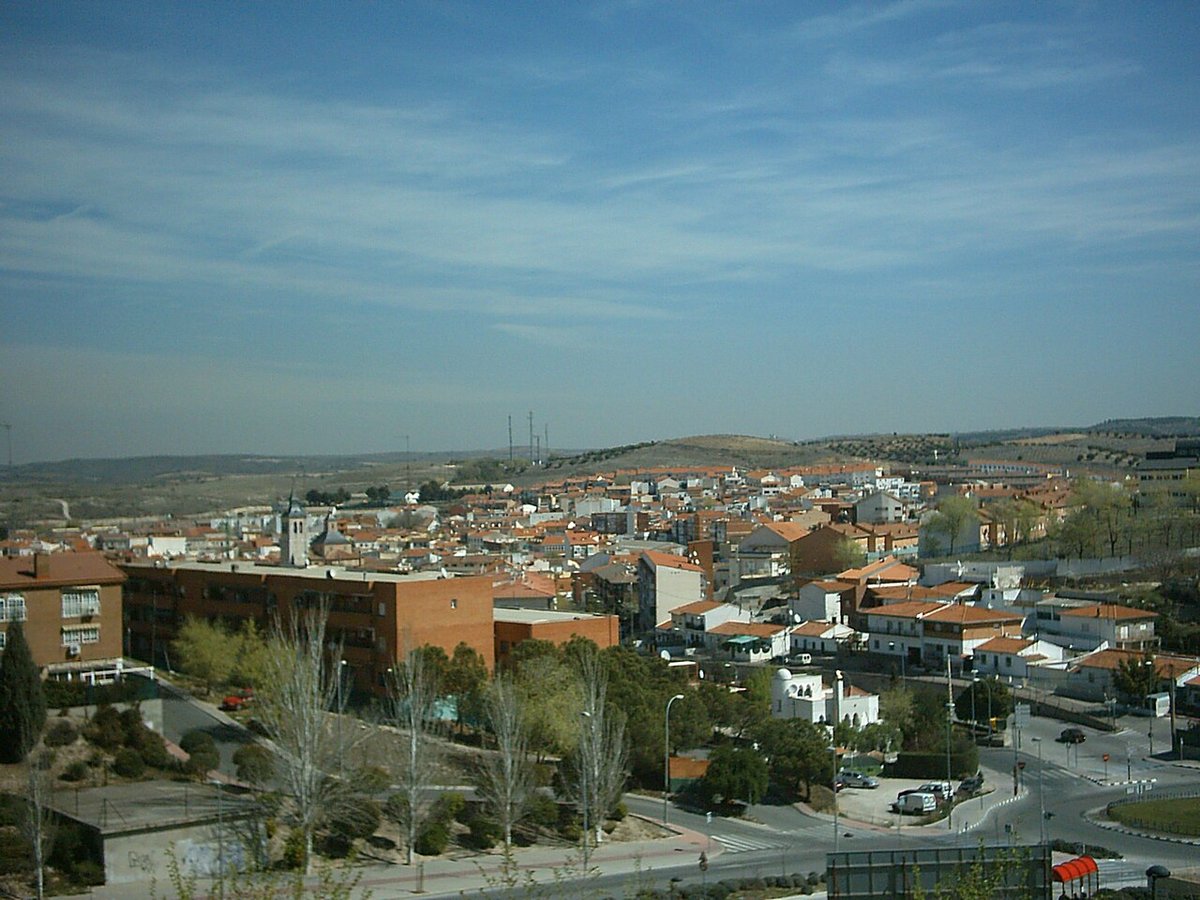
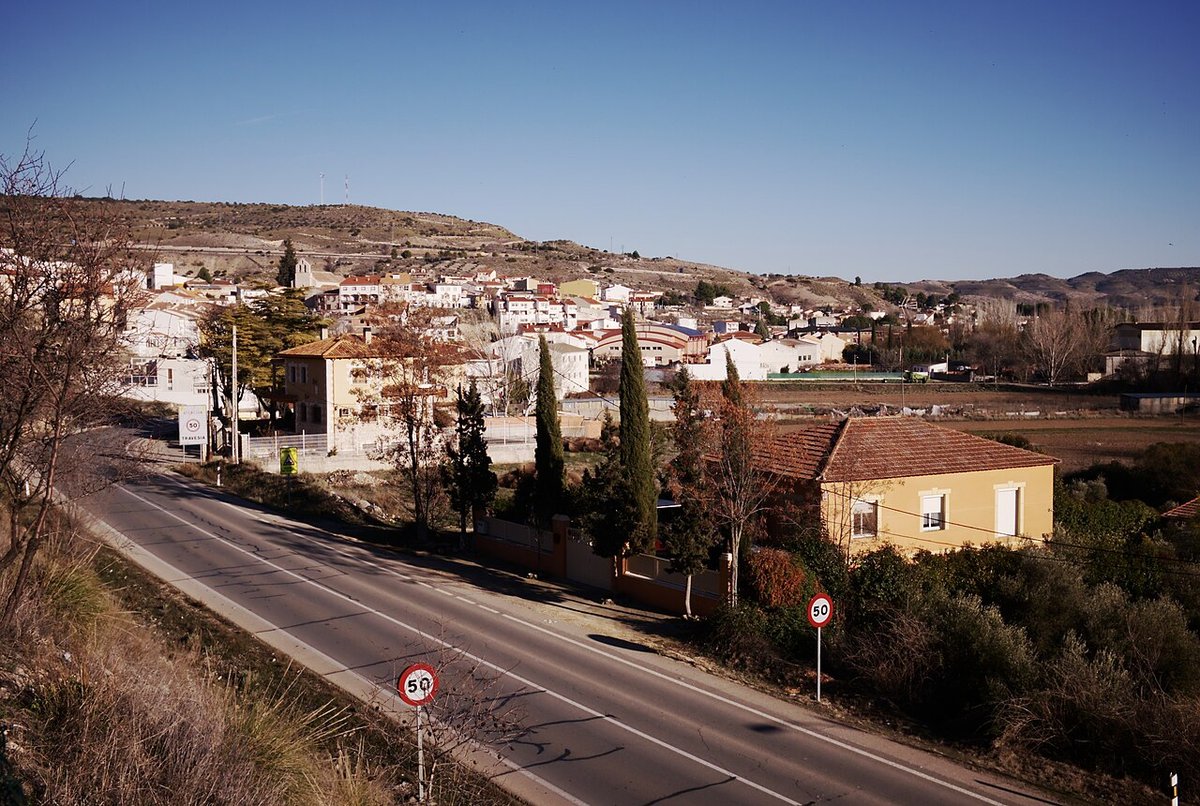
Valdelaguna lies about 45 kilometres from Madrid and has just over a thousand residents. Even so, it feels far more expansive than its size suggests. The sky stretches wide, the horizons stay low, and paths slip out of the built-up area without warning, as if the village simply dissolves into the countryside.
A centre shaped by simplicity
On arrival, attention almost always settles on the church of the Asunción de Nuestra Señora. Its walls reveal different periods of construction, visible in the shifts in stonework and the shapes of the arches. Nothing feels overly refined or polished. The building carries its changes openly.
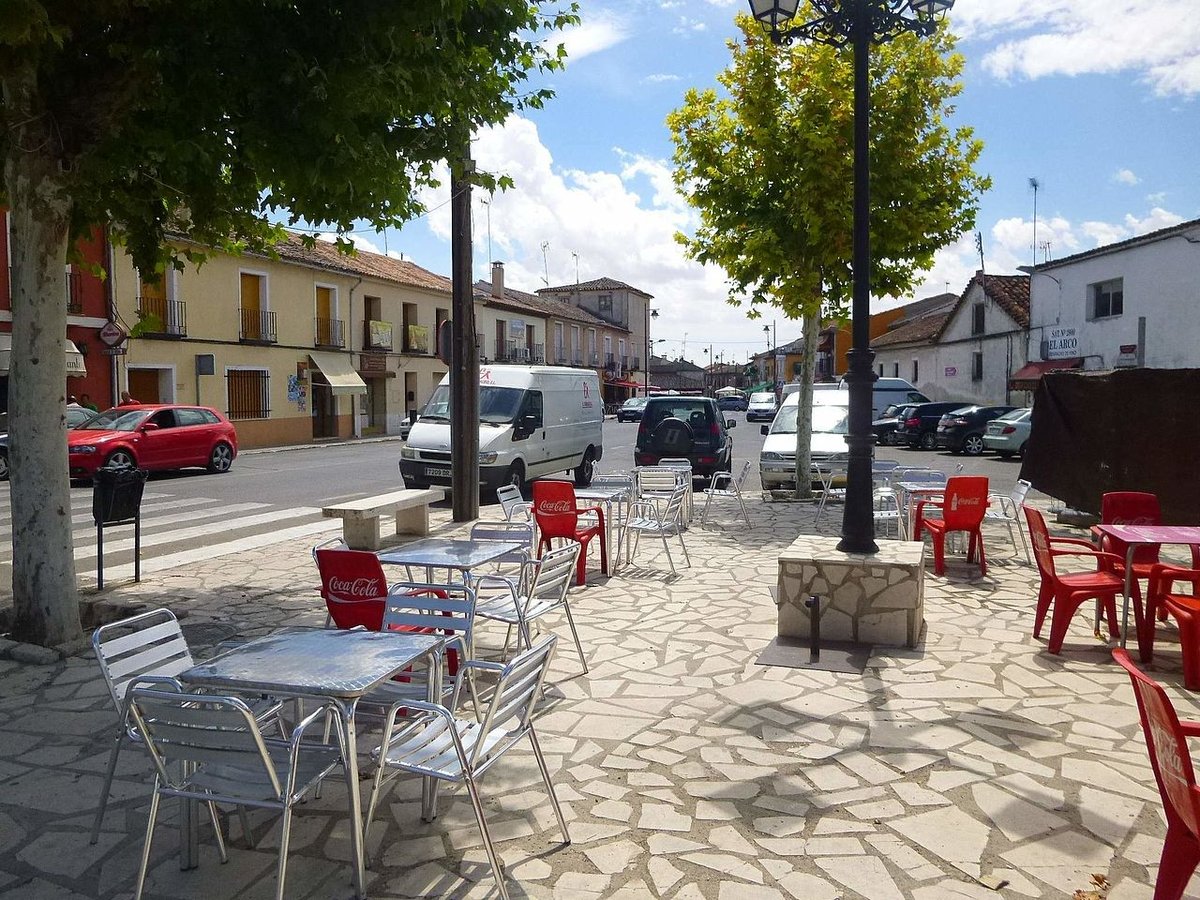
In front of it sits the Plaza Mayor, a plain open square where footsteps echo a little more than expected. The town hall keeps to the same understated tone, with façades in ochre shades and brick. This is not a place people rush through. By mid-morning, residents cross from one side to another, brief conversations unfold, and occasionally a door opens, letting out the smell of cooking.
Move just a couple of streets away and the village begins to thin out. Old animal enclosures appear, along with uneven stone walls and worn wooden gates. Beyond them, the fields begin almost immediately.
Walking out into open land
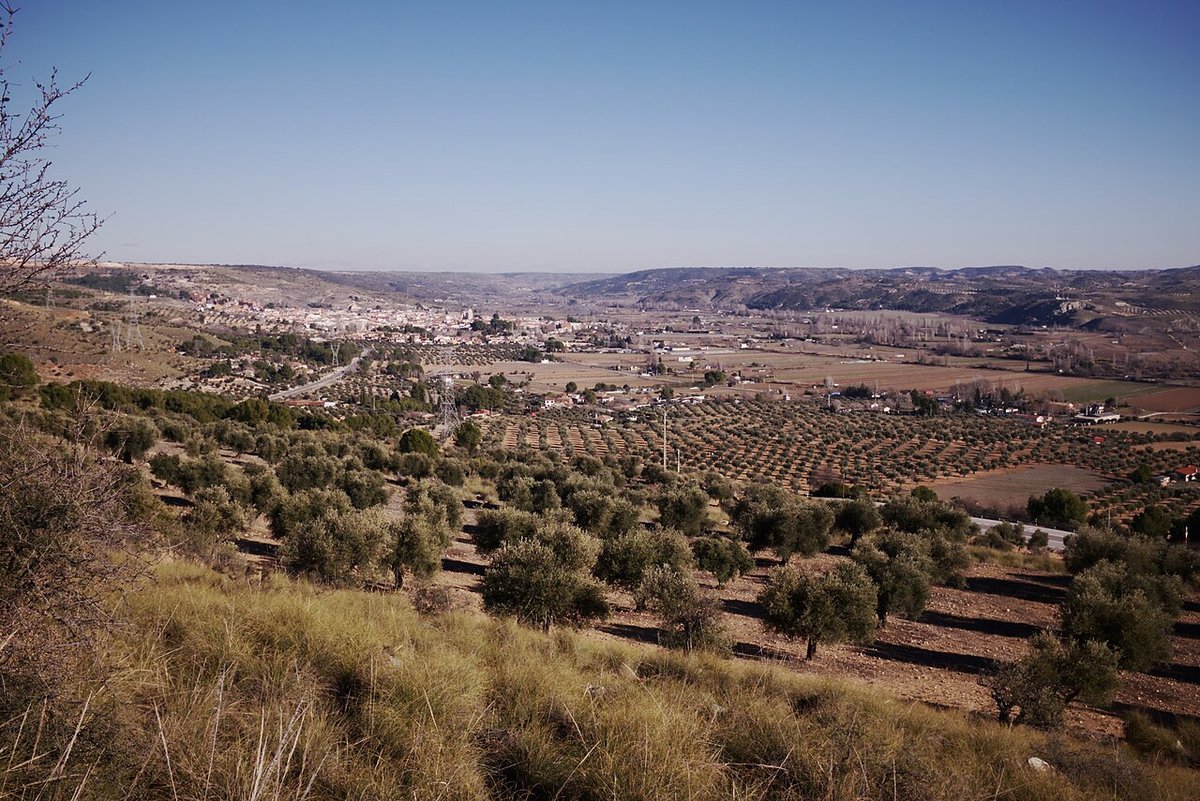
To understand Valdelaguna, it helps to walk towards its edges. Rural tracks start quietly between low houses and within minutes the surroundings turn entirely agricultural. Wheat dominates in winter and spring. Olive groves form dark lines across the land when the light begins to drop.
At sunrise, the terrain takes on a pale grey tone, as though covered by a fine layer of dust. By evening, the colours shift. Furrows turn reddish and shadows stretch long across the ground. This is when birds are most noticeable along the edges of the fields.
At certain times of the year, migrating birds use these open plains as a place to rest or feed. They are not always visible, but sometimes their calls carry across the fields before they come into view above the crops.
Traditions that continue quietly
Local life still follows the rhythm of long-standing traditions. The festivities in honour of the Asunción mark an important moment in the calendar. During these days, processions move through narrow streets where the sound of footsteps and church bells mixes with the scent of incense.
Semana Santa, or Holy Week, also brings a shift in atmosphere. It is not a large-scale event. Much of the participation comes from the village itself, which gives it a slower, more intimate pace, without elaborate staging.
A short wander through the streets
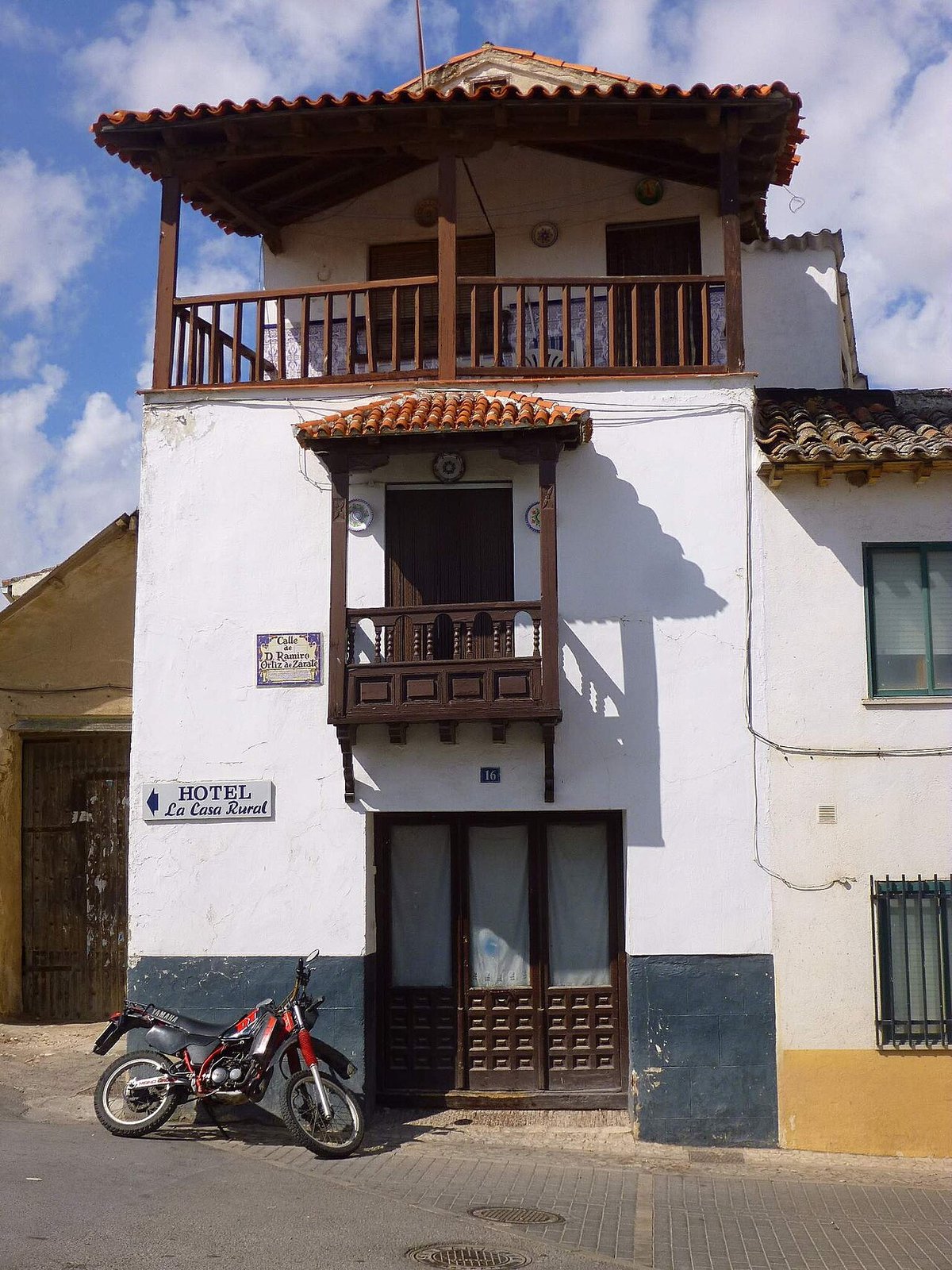
For those with limited time, a simple walk around the Plaza Mayor and into the surrounding streets gives a clear sense of the place. Some houses still retain older doorways and heavy iron window grilles. On several façades, traces of past alterations remain visible, newer brick set against older walls.
The church may be closed outside of religious services, so it is worth keeping that possibility in mind rather than assuming access will be possible.
From there, it is worth heading out along any of the paths that skirt the village. Within minutes, the landscape opens completely. Scattered across it are old agricultural structures: animal pens, small huts, and the remains of threshing floors once used for processing grain.
In summer, the central hours of the day are best avoided. There is very little shade beyond the village itself, and heat builds quickly over the dirt tracks.
What is not immediately obvious
The land around Valdelaguna is more uniform than photographs might suggest. Flat terrain dominates, with only gentle undulations and few tall trees. That simplicity is part of its character.
For this reason, many people visit as part of a wider route through the Las Vegas region, often combining it with nearby villages or a trip towards Aranjuez. Valdelaguna fits naturally into that kind of plan: a calm walk, open horizons, and time to move without hurry.
Getting there and moving around
From Madrid, the usual approach is to head towards the Aranjuez area and continue along local roads until reaching Valdelaguna. There are also typically bus connections with nearby towns, though it is sensible to check timetables in advance.
Getting around once there is straightforward. Comfortable footwear is enough. Some streets are cobbled, and rural tracks can become muddy after several days of rain. The pace here tends to be slow, allowing the landscape to set the rhythm.