Full Article
about Valdilecha
A farming town with one of the oldest Mudéjar churches in the region.
Hide article Read full article
The moment Madrid fades away
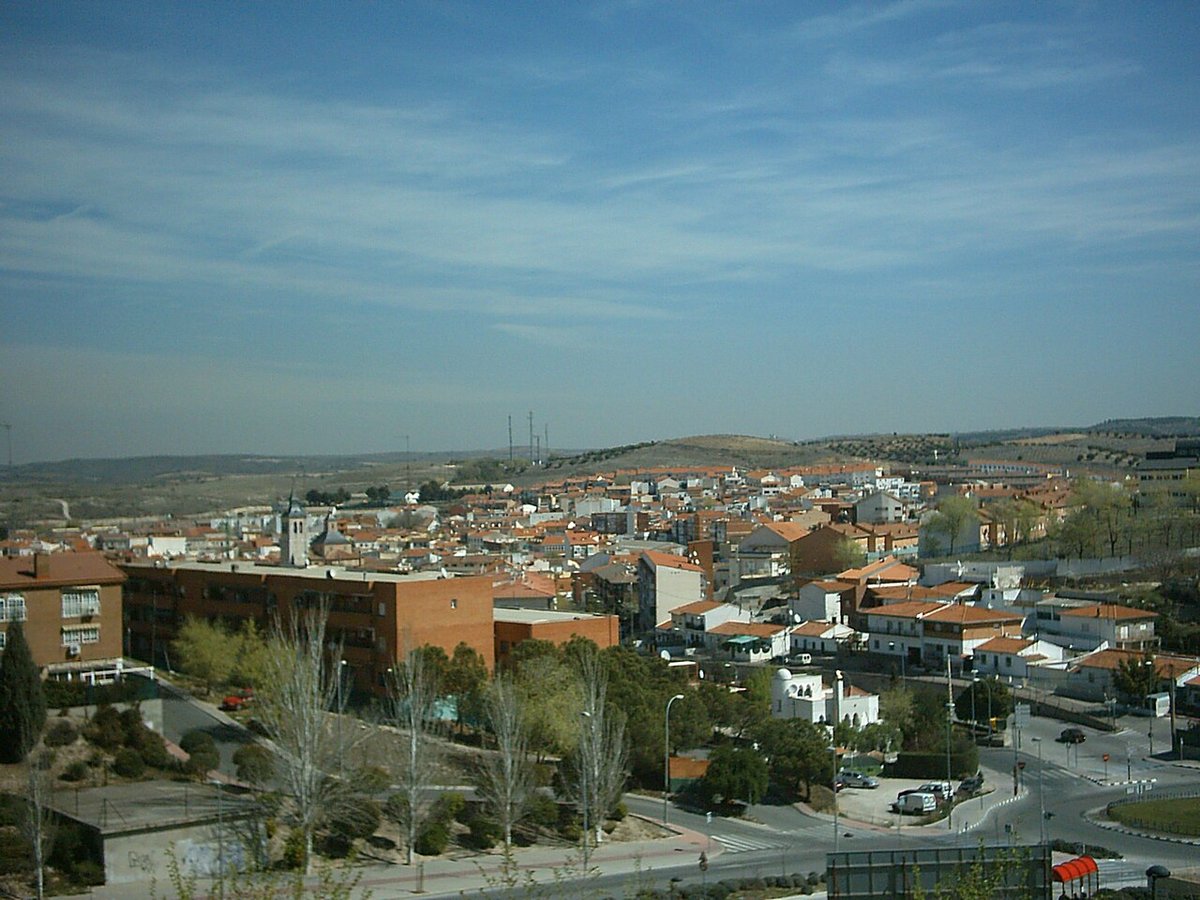
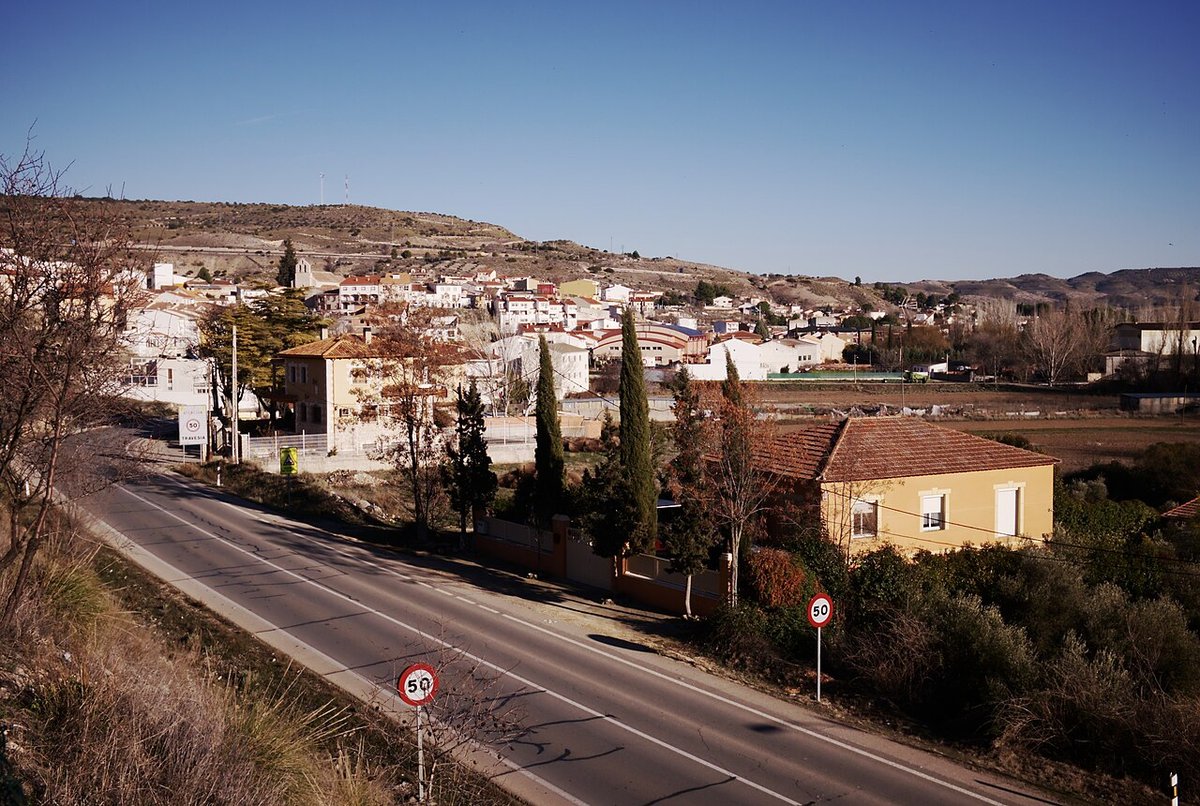
There comes a point when the M‑50 ring road feels distant, your mobile signal starts to weaken, and the houses of Valdilecha appear clinging to the hillside as if they had been scattered from above and simply stayed there, gripping the rock. That moment lasts as long as it takes to round the final bend before reaching the village, just a few seconds, enough to wonder whether this is still Madrid.
Valdilecha sits quietly within the region yet feels removed from its pace. The layout follows the slope, streets rising towards the highest point where the village seems to gather itself. Nothing about the arrival suggests spectacle. It is more a shift in rhythm, a gradual sense that things operate differently here.
The church that took its time
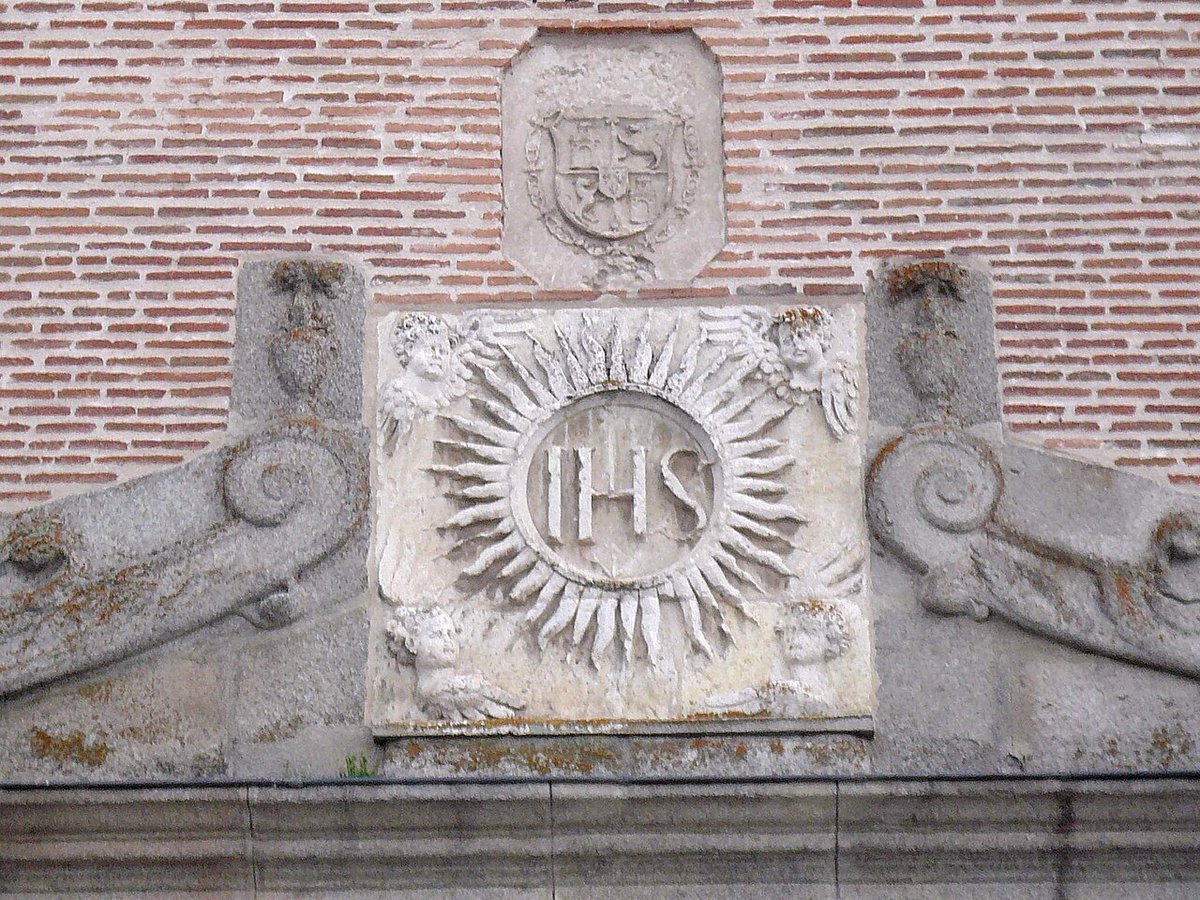
At the top stands the tower of San Martín. At first glance it can seem slightly uneven, almost as if it leans. Then comes the realisation that this is one of the remaining Gothic-Mudéjar churches in the Community of Madrid, and the view changes. The building dominates both the village and the surrounding valley, positioned as though it has spent centuries keeping watch over the vineyards below.
Inside, the atmosphere is striking in a quieter way. Even in the heat of August, there is a faint smell of damp stone. Thick walls hold the temperature and the silence, broken only by the echo that lingers in old churches when few people are around. On a Sunday during mass, the sound of the organ fills the space and shifts the mood entirely. This is not a place that invites a quick visit for a photograph before moving on. It asks for a pause.
The priest with a double life
Stories still circulate among locals about the Capellán Almazán, a figure who seems to sit somewhere between history and legend. He was a priest and also served as mayor, an unusual combination on its own. According to local accounts, there was more to him than that. He preached in the morning, dealt with village matters in the afternoon, and, as the story goes, had his own methods of redistributing wealth at night.
The tale carries that familiar mix of truth and exaggeration often found in small communities. There is also talk of a large wine cellar or cave in a nearby ravine linked to those times. Ask different older residents and the details shift slightly with each version, which often suggests there is at least some truth behind the story.
Vines, الزيت, and a working landscape
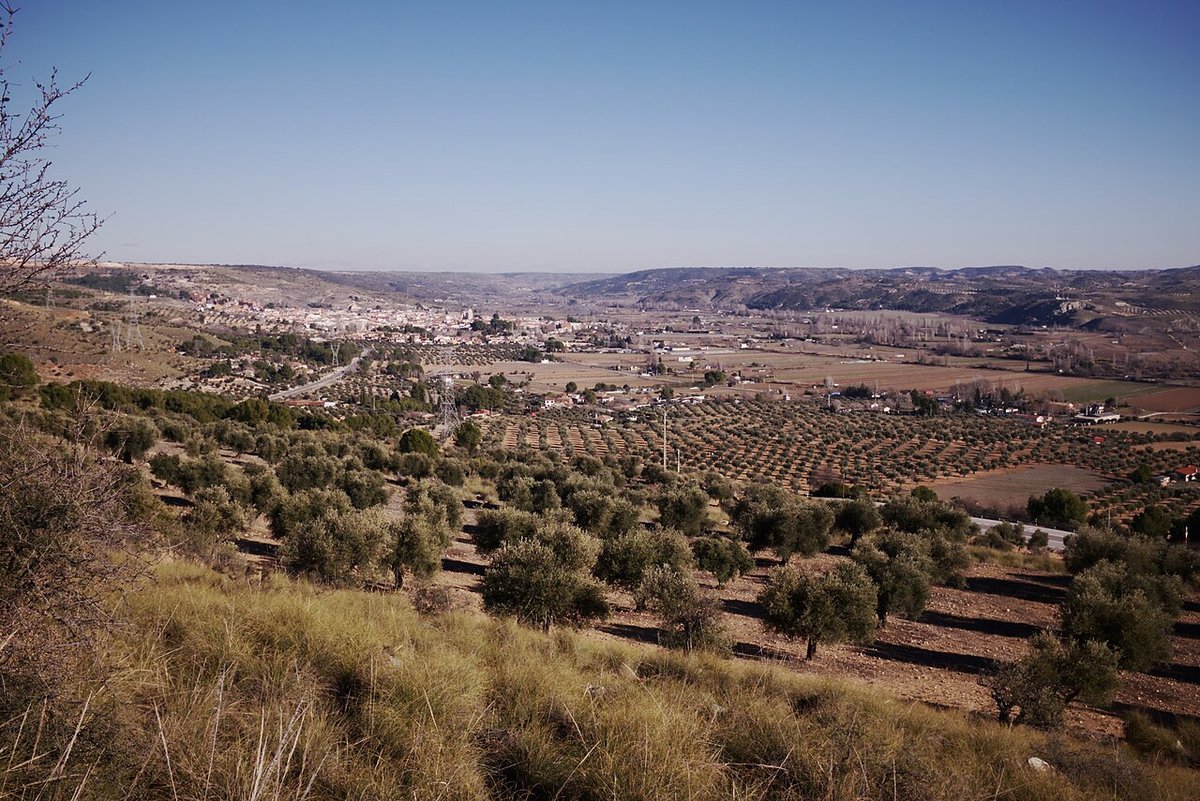
For a long time, life in Valdilecha revolved around vineyards and olive groves. In the 19th century, the village had a notable number of wineries. Fewer remain today, yet the surrounding landscape still reflects that past clearly. Plots of vines stretch across the terrain, alongside olive trees and agricultural tracks leading out from the centre.
The wine produced in the area carries a distinctly rural character that becomes clear on tasting. Olive oil continues to play an important role in the local economy. Walking just beyond the village, it is still possible to spot old mills and structures linked to oil production. Some have been adapted into homes, while others remain partially in ruins.
At the beginning of September, the celebrations for the Virgen de la Oliva change the pace of the village. The streets fill, the smell of food drifts through the air, and long tables appear where neighbours gather together. It is one of those moments when the sense of community becomes especially visible, with everyday routines giving way to shared time outdoors.
Running after the hornazo
Easter brings a tradition that can catch visitors off guard at first: “Correr el Hornazo”. The idea is simple enough, though the reality is far livelier. The village heads out into the streets, and people end up running after the hornazo, a traditional pastry, to claim their share.
The scene leans towards chaos in the best possible way. Children race ahead, older residents keep up with surprising energy, and others cheer from the sidelines. The sweet itself is enjoyable, but the real interest lies in how the whole village becomes involved. It is the kind of tradition that makes more sense when seen in person than when explained.
A short walk with a wide view
From the main square, a path leads up to the hermitage of the Virgen de la Oliva. It is not a demanding walk, just a short uphill stretch of a few hundred metres, enough to loosen the legs after a meal.
At the top, the view opens out over the valley and the agricultural land surrounding Valdilecha. There are no constructed viewpoints or modern railings, only the hermitage and open ground. The simplicity is part of the experience, with nothing to interrupt the sense of space.
For those who want to continue, paths extend from this point towards nearby fields and other villages in the Tajuña area. They are not always clearly marked, but they are long-established routes that have been used for generations.
Is it worth the detour?
That depends on expectations. Anyone looking for souvenir shops or streets designed with tourism in mind may find little here.
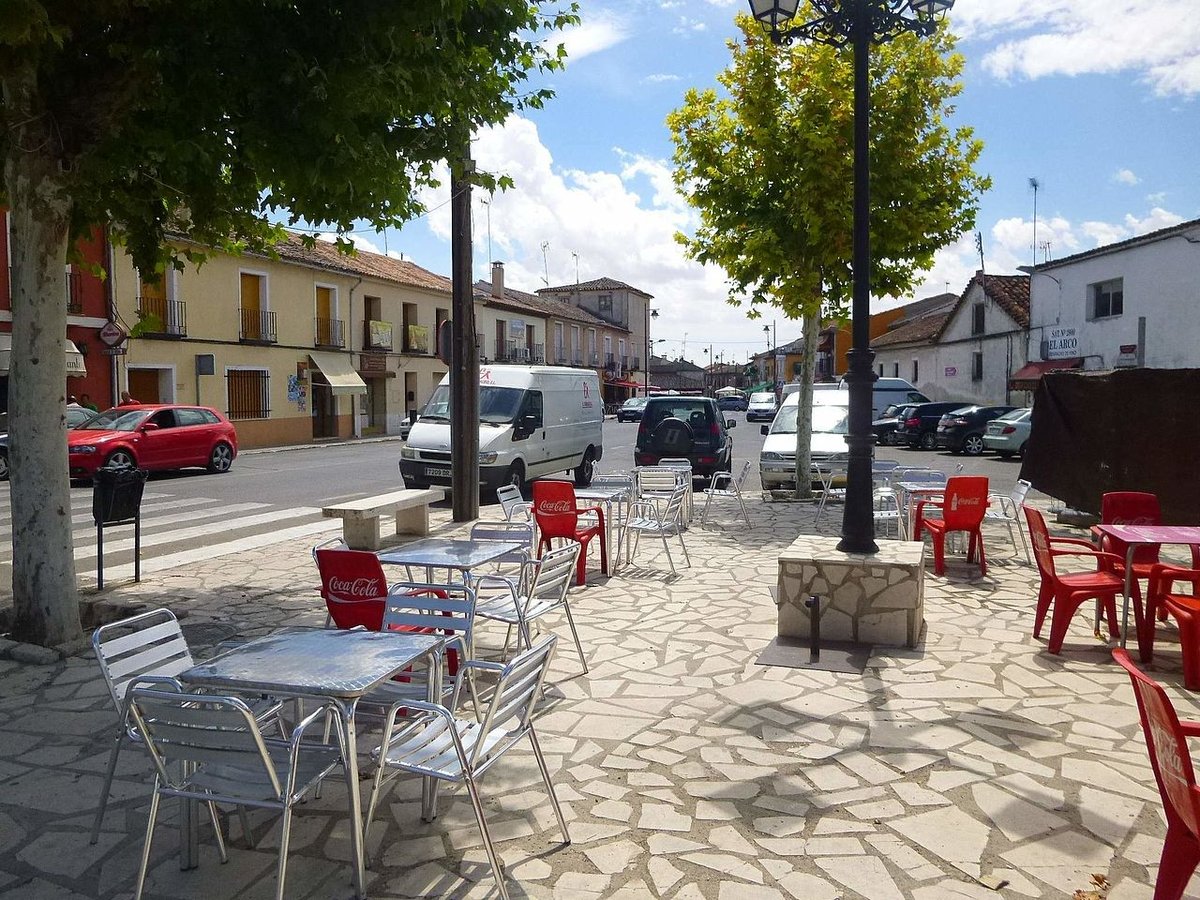
Valdilecha works better with a different approach. Arrive without rushing, wander along the streets that climb towards the church, sit for a while in the square, and let the afternoon unfold at its own pace. It is the kind of place where time moves more slowly, and where the most interesting moments often come from simply observing and listening.
Being less than an hour from Madrid makes that contrast stand out even more.