Full Article
about Villaconejos
World-famous for its melons; farming town with a museum devoted to the fruit
Hide article Read full article
A Town Defined by the Melon
Tourism in Villaconejos revolves around one very specific thing: the melon. In this small town in the Las Vegas district, south of the Community of Madrid, the fruit is neither a decorative emblem nor a simple culinary reference. For generations it has structured work, the calendar and the landscape itself. Step beyond the town centre in summer and the reason becomes clear. Low, open plots stretch across the fertile plain, much of it given over to melon fields.
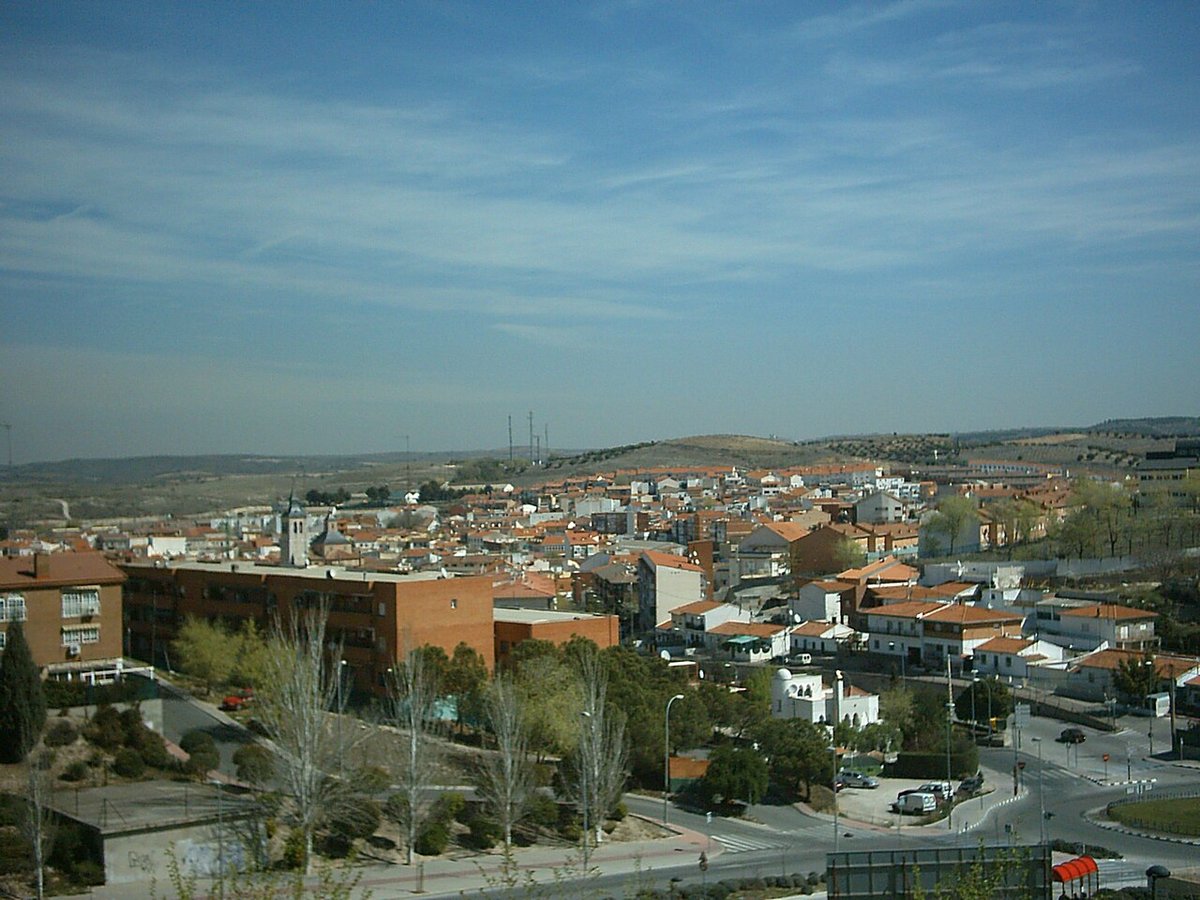
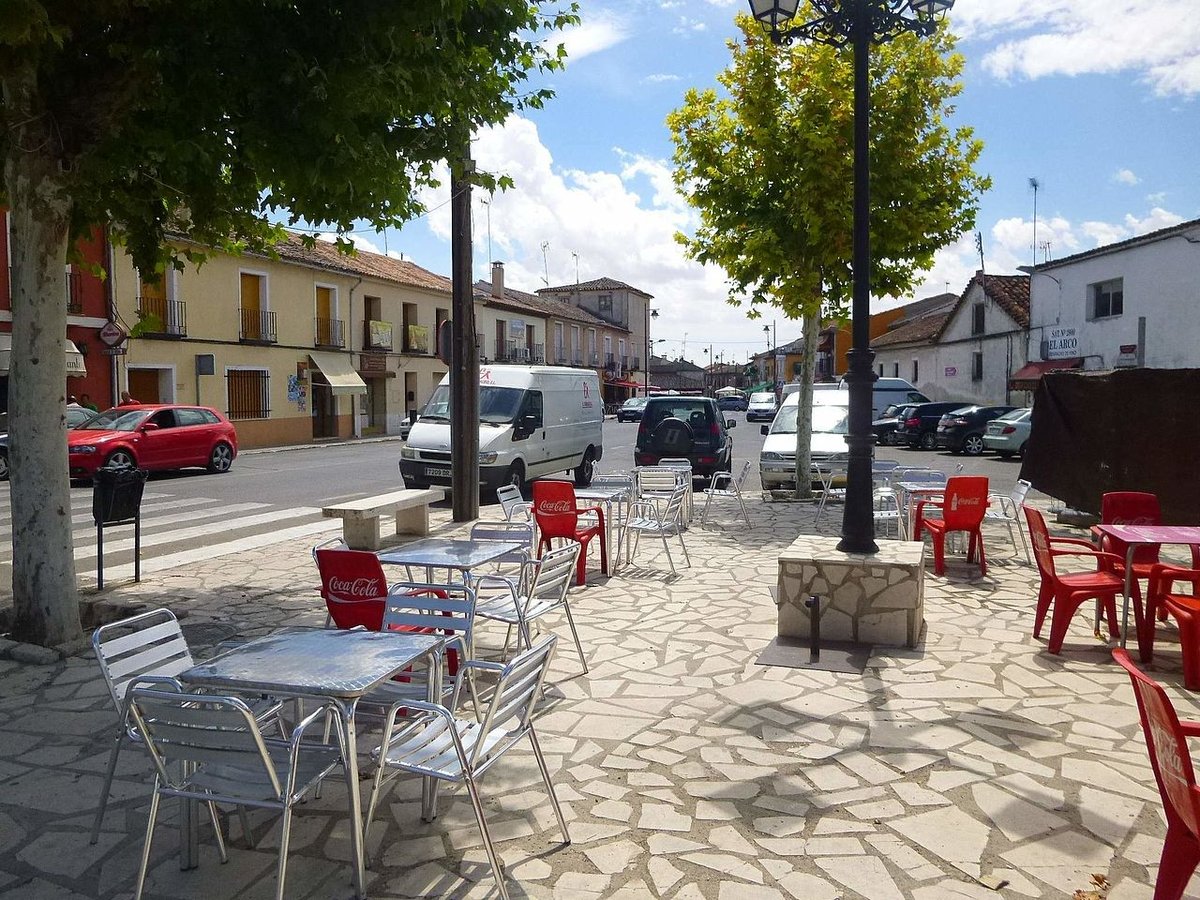
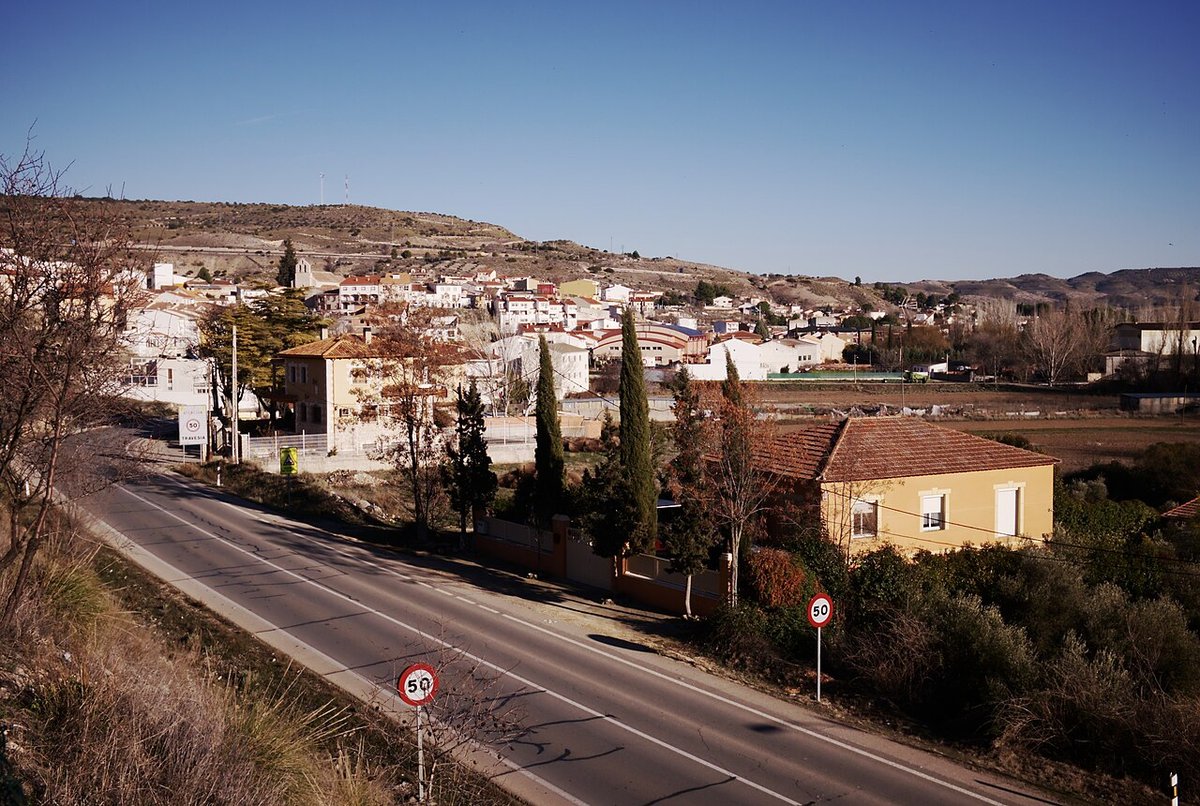
With just over three thousand inhabitants, Villaconejos lies around 50 kilometres from Madrid. It is not a commuter settlement and it does not attract heavy tourist traffic. Daily life still follows the rhythm of the countryside and the agricultural seasons.
The setting helps explain that continuity. The surrounding land is flat and productive, part of the wider comarca known as Las Vegas, an area characterised by fertile plains and open horizons. Here, agriculture remains the backbone of the local economy.
From Mixed Farming to Melon Specialisation
The M‑404 road crosses an agricultural plain that tells much of the town’s economic story. Before the melon became the main crop, the municipality focused largely on cereals and vines, with some livestock. This combination was typical across the area.
Specialisation did not happen overnight. Many local families still recall stories from their grandparents, who would spend seasons working in other regions where the climate was more favourable for cultivation. That mobility provided extra income when local conditions were less reliable.
Over time, improvements in transport and farming techniques changed the equation. Production could concentrate in the municipality’s own fields. As these changes took hold, Villaconejos became closely associated with the piel de sapo melon, a variety widely grown across the Iberian Peninsula. The name of the town gradually turned into a reference point for this particular fruit.
The melon is therefore not just a crop but a defining feature of identity. Fields, storage spaces and cooperative structures all developed around its cultivation and sale, shaping both the economy and the appearance of the surrounding countryside.
San Nicolás de Bari: Faith at the Centre
The parish church of San Nicolás de Bari stands at the heart of the town. Its design follows a model common to many churches built across the Madrid countryside between the sixteenth and seventeenth centuries. The building is spacious, with three naves, and it was constructed in several phases before undergoing later alterations.
Its importance lies less in elaborate decoration than in its role within the community. For centuries it served as the main gathering point for a population scattered across nearby fields. In an agricultural setting where homes and plots were dispersed, the church offered a shared centre.
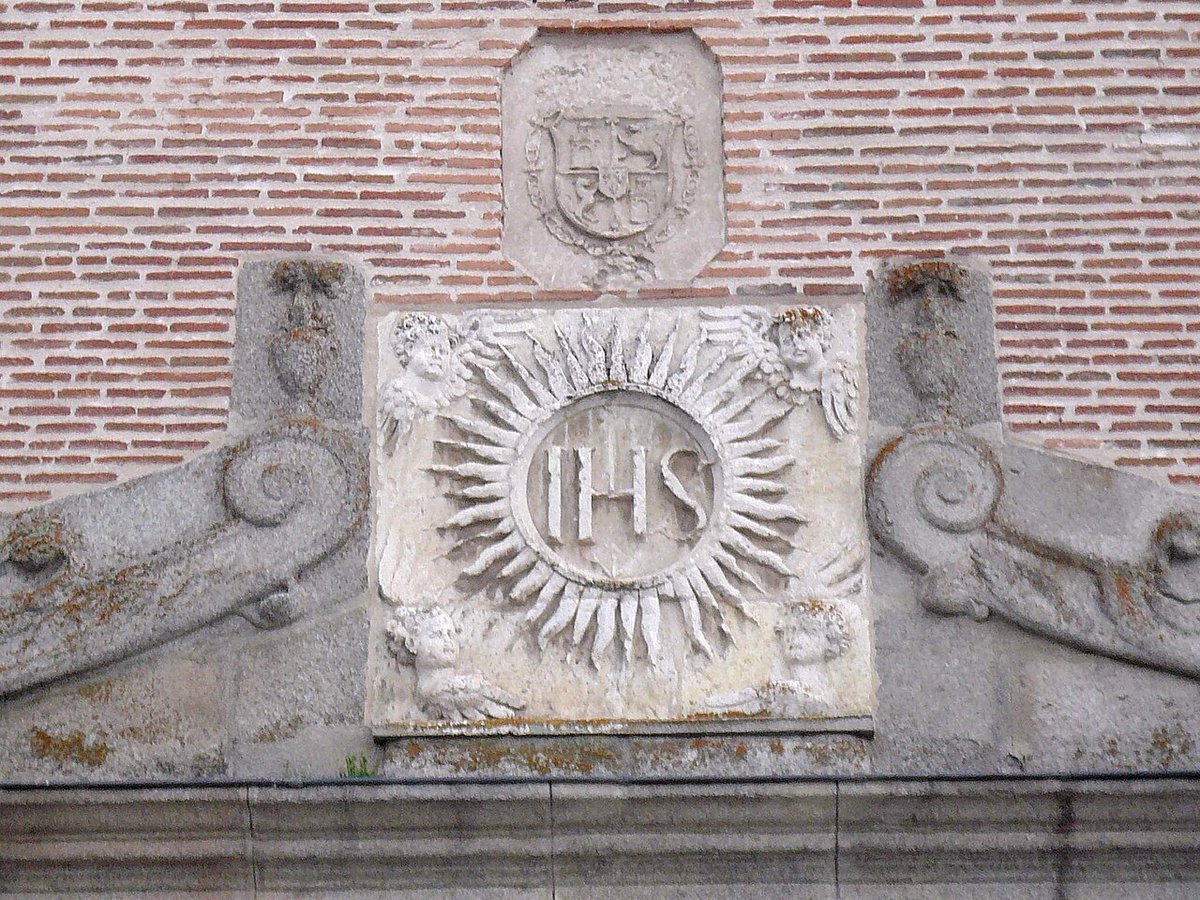
Inside, Baroque elements added during later renovations remain visible. Even so, the overall impression is one of sobriety, characteristic of rural religious architecture in this part of central Spain. On the main façade, coats of arms appear that are linked to former lords of the town, including members of the Enríquez family, who held jurisdiction over the territory in the early modern period. These heraldic details provide a reminder of the layers of authority that once shaped local life.
Santa Ana and the Hilltop View
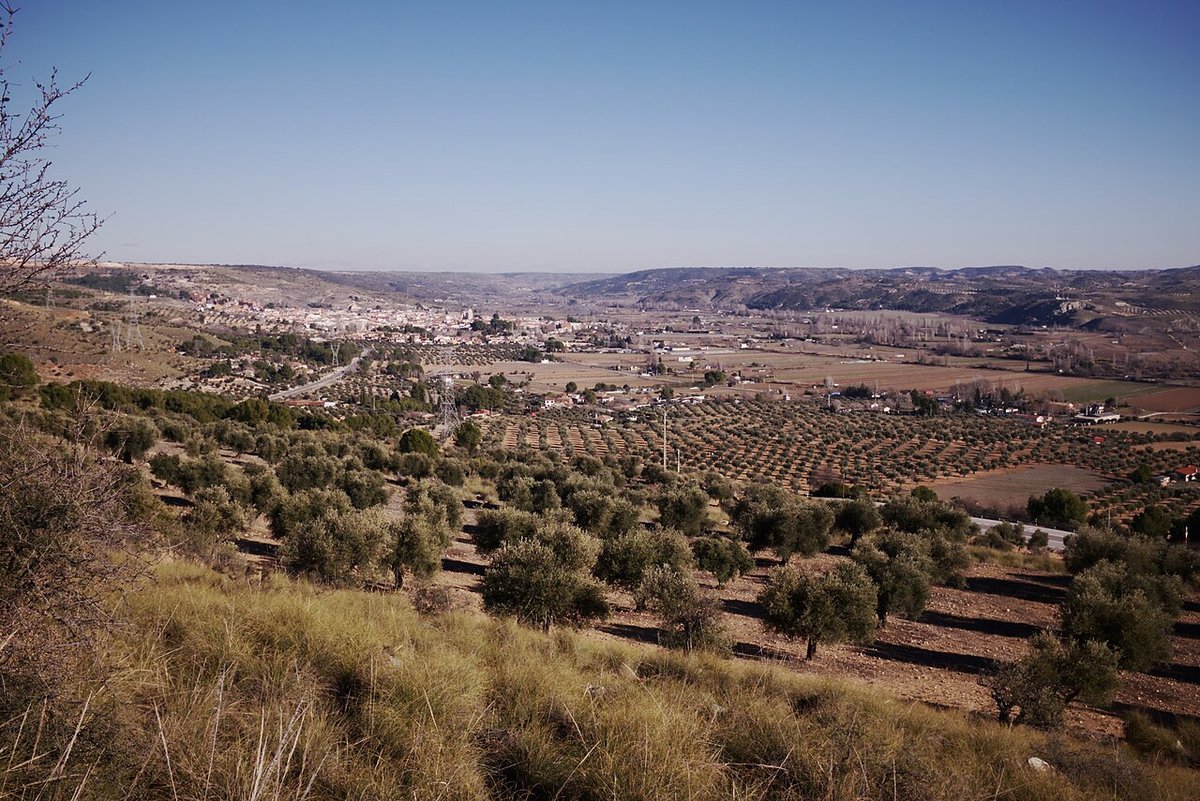
On a small rise just outside the urban area stands the hermitage of Santa Ana. As with many rural sanctuaries, the location is as significant as the building itself. From the hilltop, the agricultural plain spreads out in all directions, revealing the same fields that sustain the town’s economy.
Construction began in the sixteenth century and continued over a long period, with later extensions and additions. That extended process explains why features from different periods coexist within what remains a relatively simple structure. The building reflects gradual adaptation rather than a single, unified design.
Very close by lies the Cueva del Fraile. This cavity, excavated in the earth, has traditionally served as a storage space. In the past it was associated with uses linked to religious communities. Today it is more often used for local gatherings and celebrations. Its continued presence near the hermitage reinforces the sense that this hill has long functioned as a meeting place as well as a lookout point.
The Museo del Melón
The Museo del Melón occupies a historic house in the town centre, a building that has fulfilled various municipal roles over time. The museum is devoted to explaining how melon cultivation and trade developed in Villaconejos.
Displays focus on agricultural tools, seed varieties and old photographs. Material related to the cooperatives that organised production during the twentieth century also forms part of the exhibition. The museum is neither large nor especially high‑tech, yet it provides useful context for understanding how one crop came to shape the municipality’s economic identity.
It also sets out the commercial dimension. Traditionally, the melons grown here travelled onwards to Madrid’s major wholesale markets. That link with the capital helps explain how a relatively small town became known more widely through a single agricultural product.
Walking the Vega
The landscape around Villaconejos is flat and agricultural. There are no major elevation changes and no mountain routes. Instead, a network of rural tracks crosses fields of cereals, olive groves and melon plots.
Some of these routes follow old agricultural paths once used to connect plots or reach neighbouring municipalities. They are straightforward walks that reveal the character of the Las Vegas district: fertile plains, gentle ravines and long open stretches where the horizon remains clear.
In certain spots, small agricultural buildings appear along the way. These huts and older constructions were linked to the supervision of fields and to hunting activities. They form part of the working landscape rather than separate monuments.
The absence of dramatic scenery is part of the point. Here the interest lies in understanding how land use shapes space, and how generations of farming have defined what visitors see today.
Getting There and When to Go
Villaconejos is about 50 minutes from Madrid by road, generally via the A‑3 followed by regional routes. Interurban buses also connect the town with the capital, although services are limited compared with larger destinations.
The town centre can be explored easily in a short time. Those planning to walk along the agricultural tracks should avoid the hottest hours, especially in summer, when temperatures on the open plain can be intense. The season of the melon harvest offers the clearest sense of how central the crop remains to local life, but the agricultural landscape defines Villaconejos throughout the year.
In Villaconejos, tourism does not revolve around monuments of national fame or dramatic natural features. It centres on a cultivated fruit and the fields that sustain it. That focus provides a direct view of how agriculture continues to shape both identity and territory in this corner of the Community of Madrid.