Full Article
about Villamanrique de Tajo
The southernmost village in Madrid, on the Tajo; riverbank setting and quiet.
Hide article Read full article
Villamanrique de Tajo: el pueblo que no te mira a los ojos
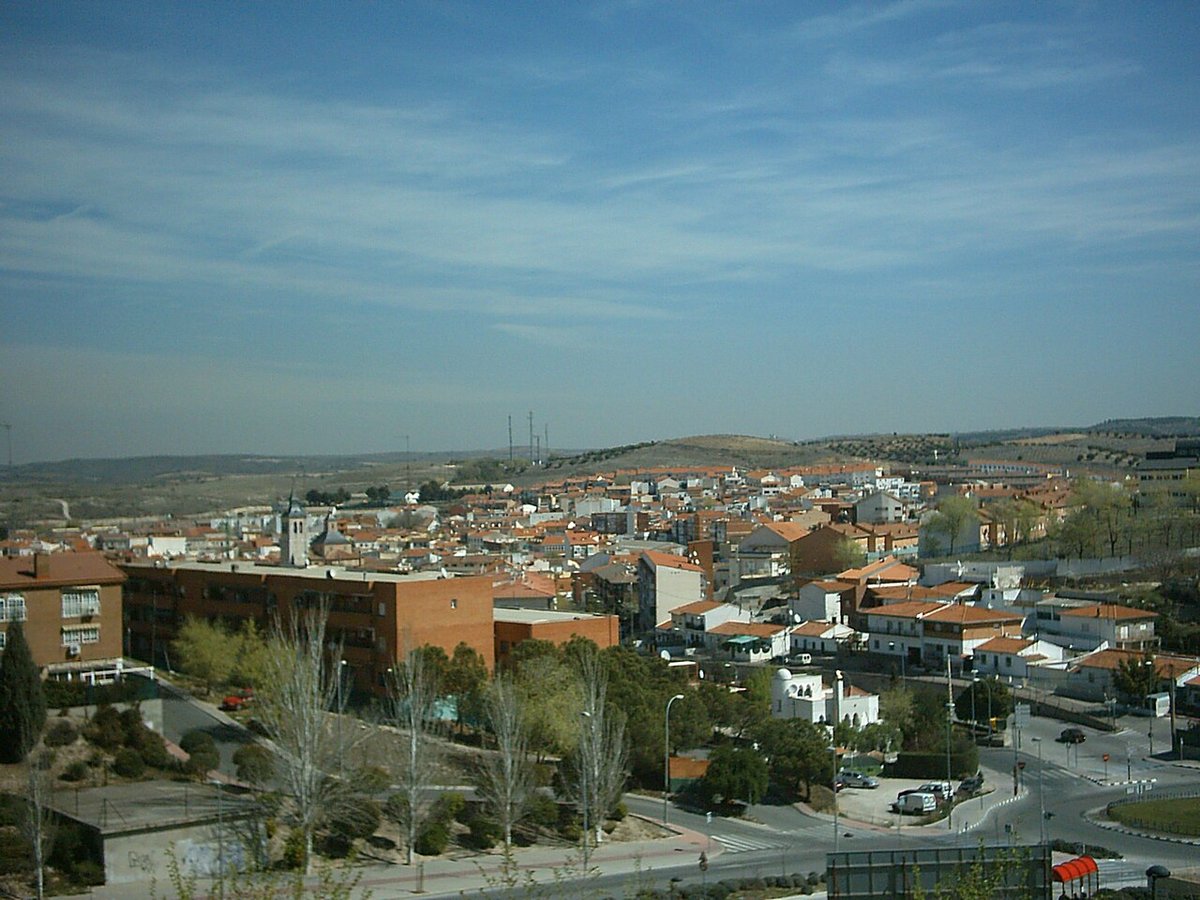
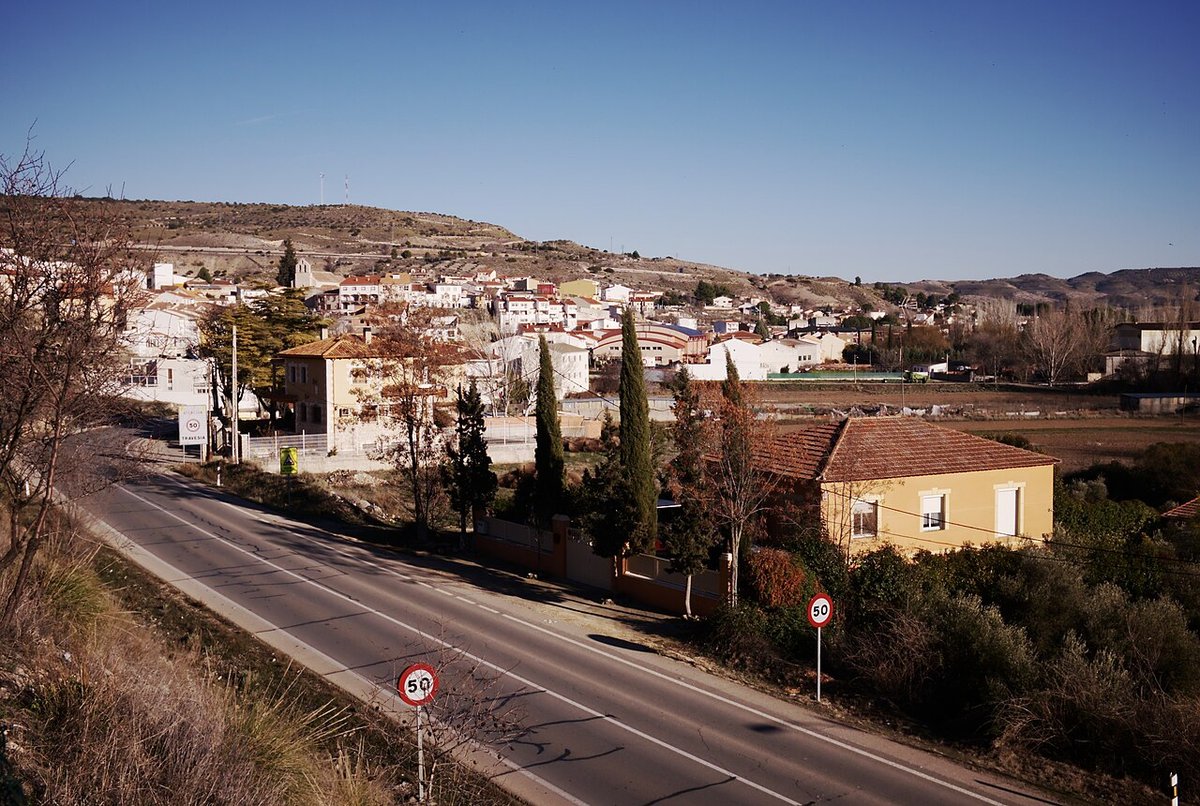
Villamanrique de Tajo es ese tipo de sitio que pasas por la carretera y piensas "¿y aquí vive gente?". Unos 50 kilómetros al sureste de Madrid, con poco más de 800 vecinos, se despliega en la orilla derecha del Tajo sin ningún afán decorativo. No hay carteles enormes ni miradores con vallas, solo casas bajas, alguna persiana medio cerrada a mediodía y un silencio que se nota. Es como si el pueblo estuviera ocupado en sus cosas.
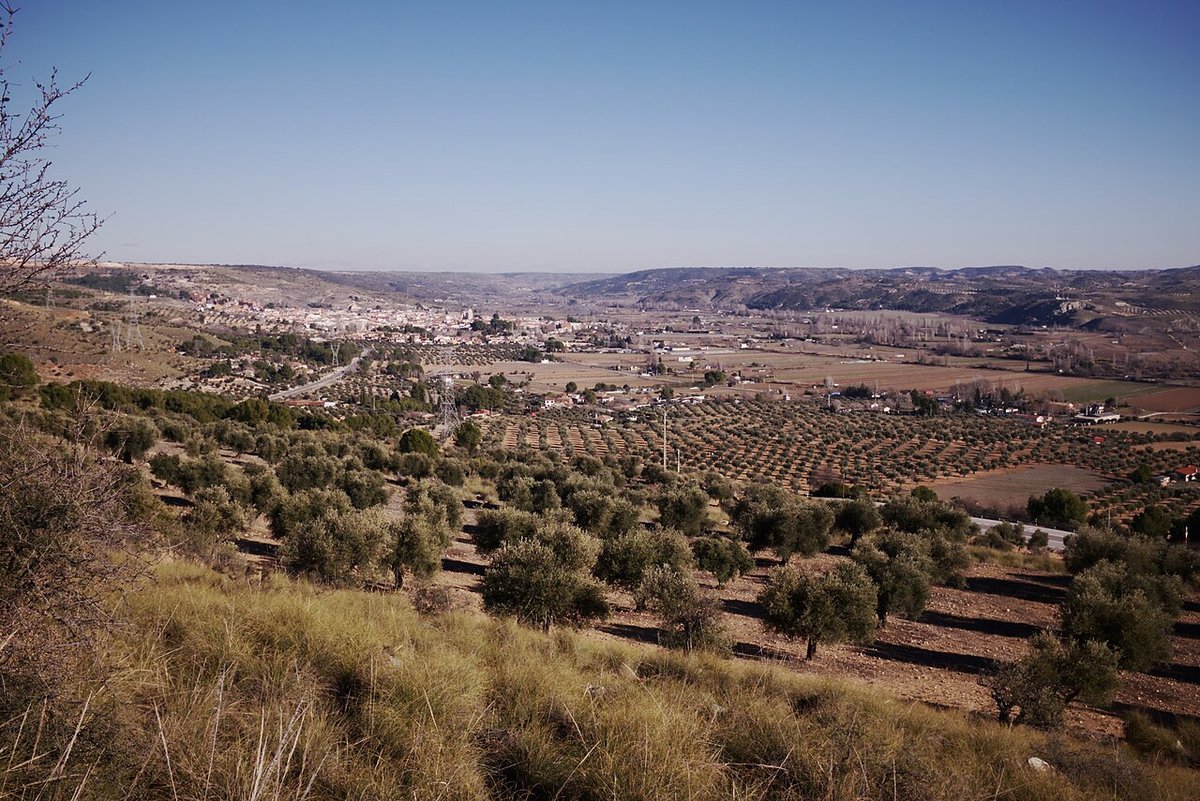
El río lo explica casi todo. Alrededor se ven huertas, parcelas regadas por acequias finas y caminos de tierra que empiezan donde acaba el asfalto. El paisaje cambia de traje con las estaciones: en verano, los maizales y las huertas son un verde intenso; en otoño, los chopos de la ribera se ponen amarillos y le dan al valle un aire más suave.
No vengas buscando monumentos espectaculares o un casco histórico para postal. Lo que hay es vida rural del día a día: tierra trabajada, tractores aparcados junto a la parcela y gente que sigue dedicando parte de su jornada a la huerta.
El centro: una plaza, una iglesia y poco más
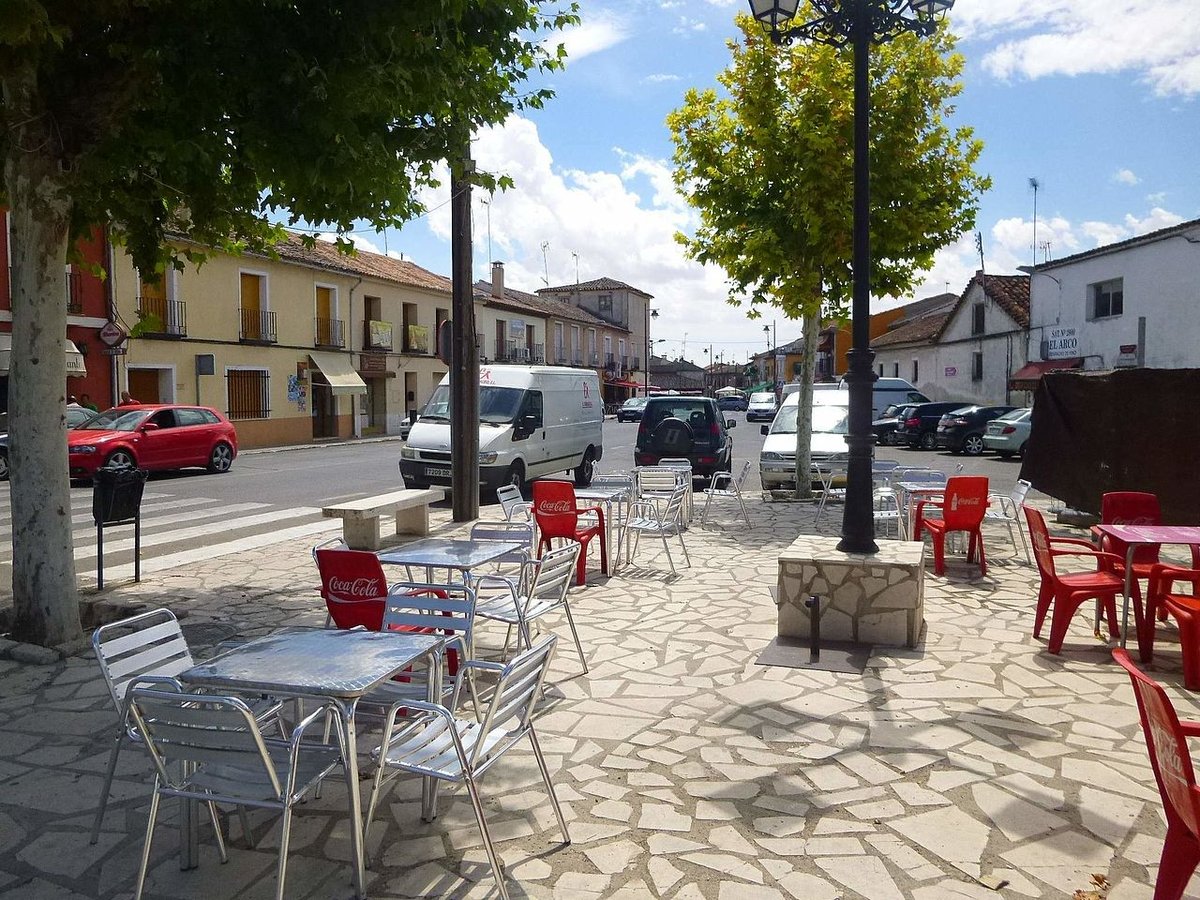
El edificio que más vas a reconocer es la iglesia parroquial de Nuestra Señora de la Paz. Es del siglo XX, de ladrillo visto, un estilo común por esta parte de Madrid. Delante hay una plaza sencilla con unos bancos donde, al caer la tarde, suele juntarse gente a charlar.
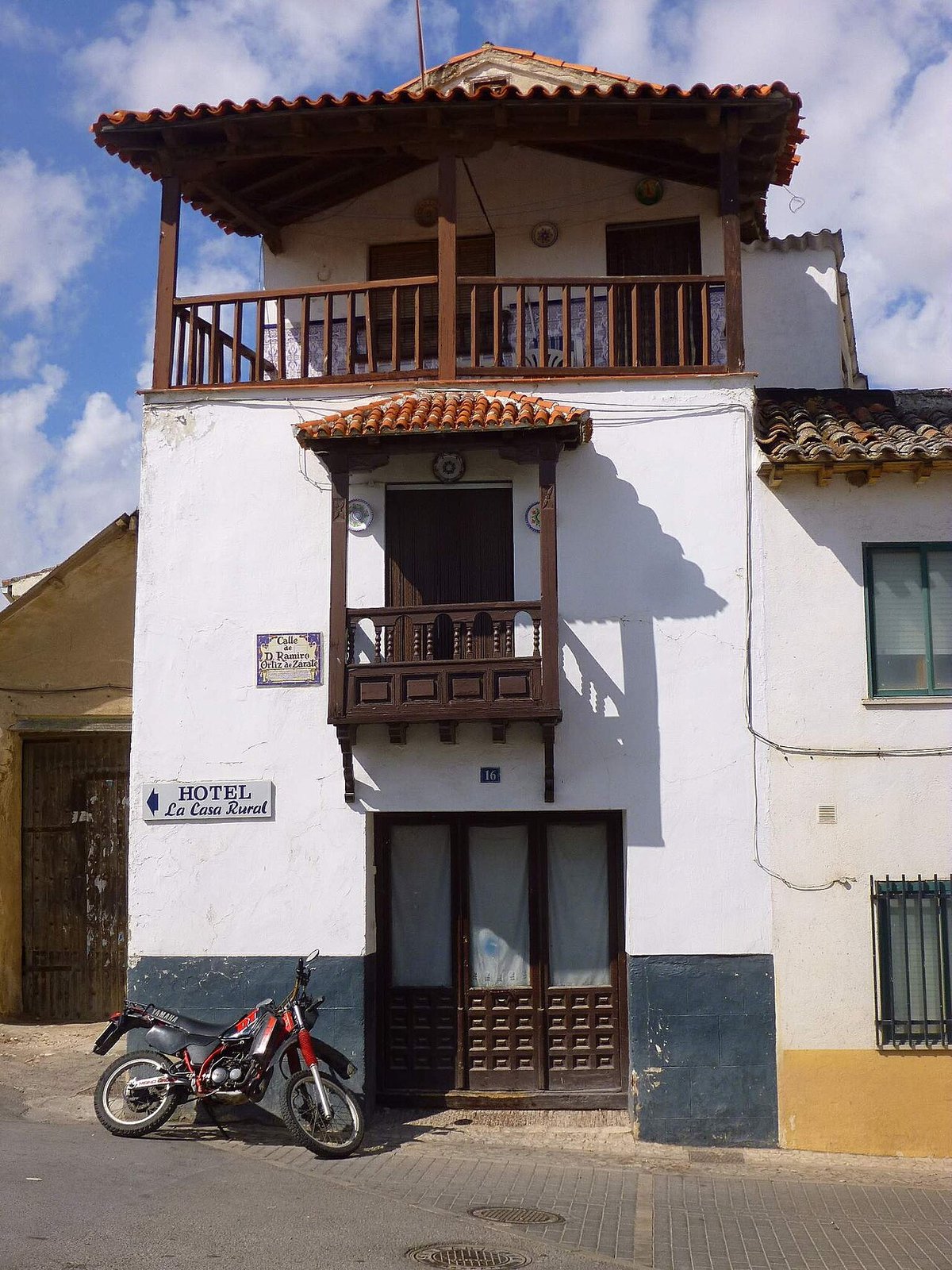
De ahí salen unas pocas calles cortas, con fachadas simples, portones metálicos y patios interiores. El trazado tiene toda la lógica de un pueblo agrícola. En cinco minutos andando empiezan a aparecer los límites difusos del pueblo: garajes abiertos, corralitos y terrenos justo detrás de las casas.
Los caminos del río (que no son para turistas)
Aquí lo que manda es ir hacia el agua. Varios caminos agrícolas salen del pueblo y se van acercando al Tajo entre huertos y campos con vallas.
No son senderos señalizados ni preparados. Son pistas de labor que usan los agricultores, y algunas se meten en terrenos particulares; conviene tener algo de orientación o mirar un mapa antes de alejarte mucho.
Al acercarte al río cambia el ambiente. Aparecen carrizales y chopos, y se ve más movimiento de pájaros. Es normal ver garzas quietas cerca de la orilla o ánades moviéndose entre las matas. Cernícalos usan los postes eléctricos como atalayas para vigilar los campos.
Si te gustan los paseos sin prisa o hacer fotos en silencio, esta parte del valle tiene vistas abiertas que funcionan muy bien a primera hora de la mañana. Suele haber una neblina ligera sobre los campos que desdibuja un poco el paisaje.
Un paisaje (literalmente) trabajado
La agricultura sigue siendo el eje. La tierra alrededor se usa para cultivos de temporada: tomates, cebollas, calabacines, maíz… La maquinaria forma parte del paisaje, y no siempre es moderna. Tractores antiguos junto a huertos cuidados crean un contraste que aquí resulta normal.
Es frecuente cruzarte con gente trabajando en su campo mientras caminas por las pistas cercanas al río. Muchos de estos caminos existen porque llevan décadas usándose para llegar a las fincas. Son prácticos primero, y sitios para pasear después.
Fiestas: cuando el pueblo se reencuentra
Las celebraciones fuertes son en agosto, por la Virgen de la Paz. Es cuando el pueblo se anima: hay procesiones, verbenas y más movimiento por las calles principales. También es cuando vuelven por unos días muchos vecinos que viven fuera, y se nota ese reencuentro.
En primavera hay otra tradición más discreta: cruces decoradas con flores en distintos rincones del pueblo, una costumbre que comparten muchos pueblos de esta zona.
Cuándo ir (y con qué calzado)
Para recorrer los caminos del río lo mejor es primavera u otoño. En verano hace mucho calor en este tramo del valle del Tajo, sobre todo al mediodía. En invierno no es raro que haya niebla densa cerca del agua.
Un detalle práctico: el estado de los caminos después de llover. Muchas pistas agrícolas se ponen embarradas. Se puede pasar, pero llevar calzado adecuado te cambia el paseo.
Villamanrique no es un sitio para ir con una lista larga de cosas que ver. Se recorre rápido. Pero si buscas un paseo tranquilo junto al río y ver cómo funciona un pueblo agrícola de las vegas madrileñas ofrece algo que no necesita mucho tiempo para apreciarse.Un par de horas andando por los caminos del Tajo bastan para quedarte con su sensación