Full Article
about Villar del Olmo
A quiet valley town known for its Vía Verde and traditional food.
Hide article Read full article
The road where Madrid slips away
You know that moment when the GPS signal gets a bit fuzzy and the landscape outside actually changes? That’s the turnoff for Villar del Olmo. The A-2 hums behind you, and suddenly you’re on one of those local roads that climbs just enough to make the city skyline look like a faded postcard in your rear-view mirror. It’s not a long drive, but after a heavy lunch, it feels like the right amount of time to decompress. When you see the first whitewashed house with its wooden mirador, you get it. You understand why people talk about moving here—even as you remember stories about the winter wind that whips across this plateau with zero remorse.
This is still technically Madrid, but it doesn’t feel like it. The air is different. The pace is softer. The horizon does that thing where it feels twice as big as it should.
A village built around a stubborn fountain
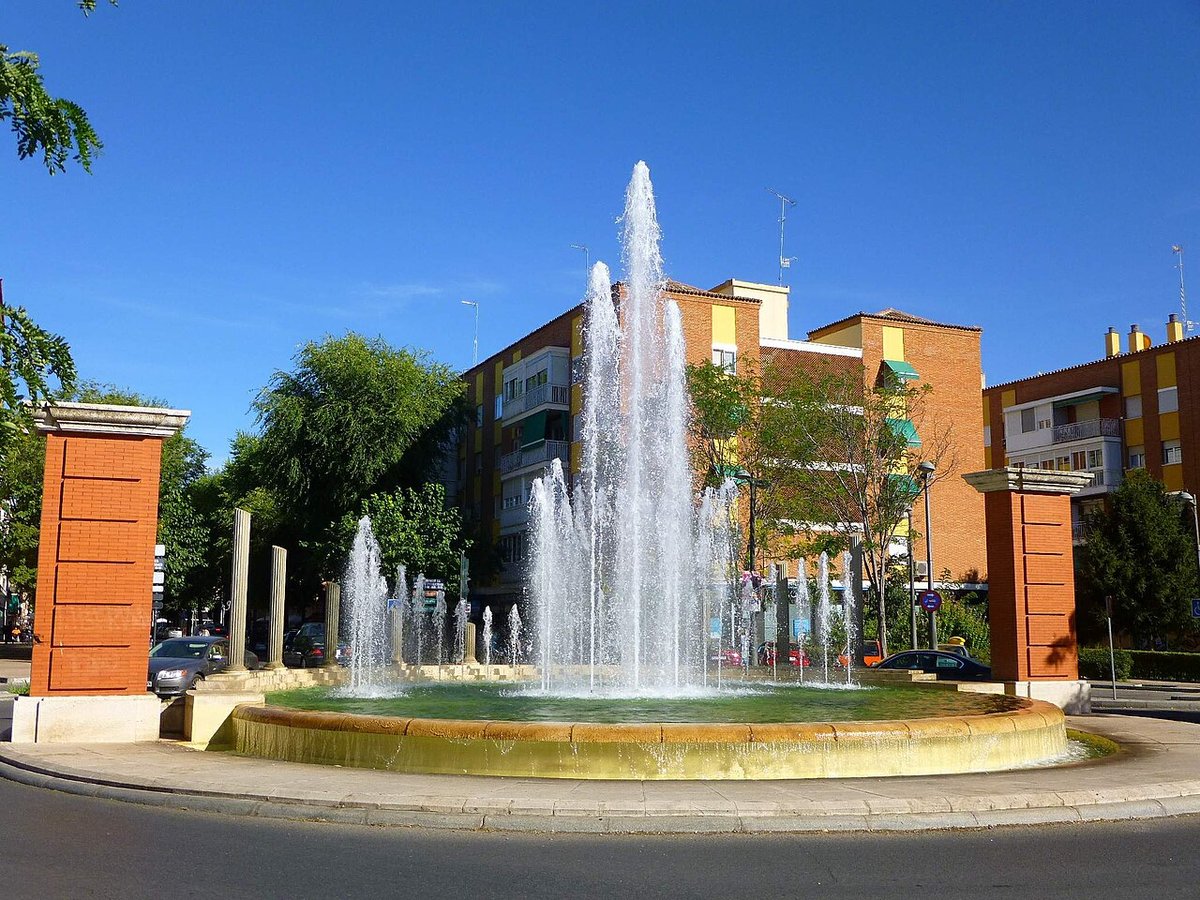
Villar del Olmo is one of those places you might hear about from a friend of a friend. A couple thousand people, a church you can spot from the road, and a fountain with serious local bragging rights: the Fuente de San Isidro. Ask anyone here and they’ll tell you it has never, ever run dry. Not once. It’s still where people meet up, especially on market day.
It’s a five-minute walk downhill from the main square, along a path that feels properly rural. We’re talking chickens doing their own thing in front yards, a dog pausing its siesta to give you a suspicious look, and the occasional smell of someone baking bread wafting over a wall.
You’ll see folks who’ve been here forever chatting with newcomers who arrived in the last decade. A lot of them came for the same simple math: a house with actual land, still under an hour from Madrid.
White walls and an honest church
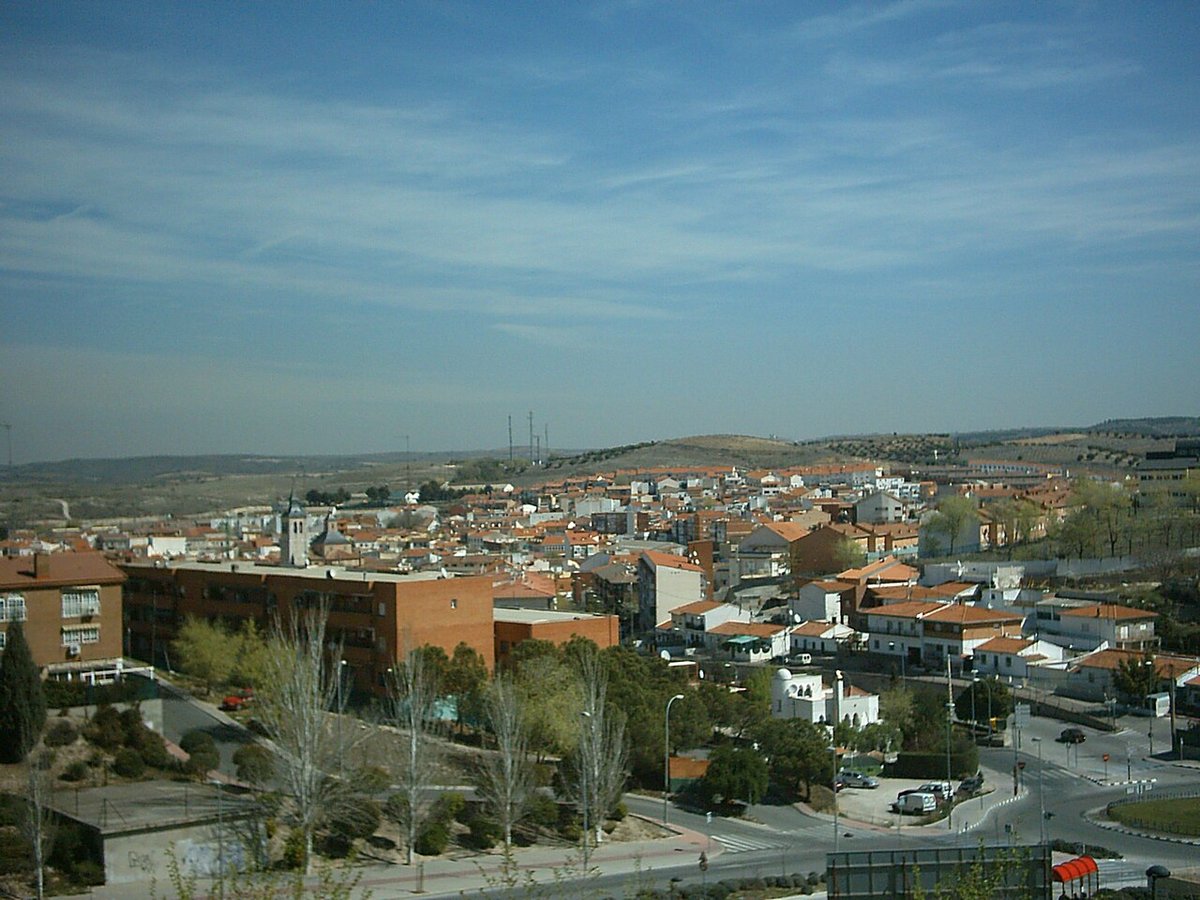
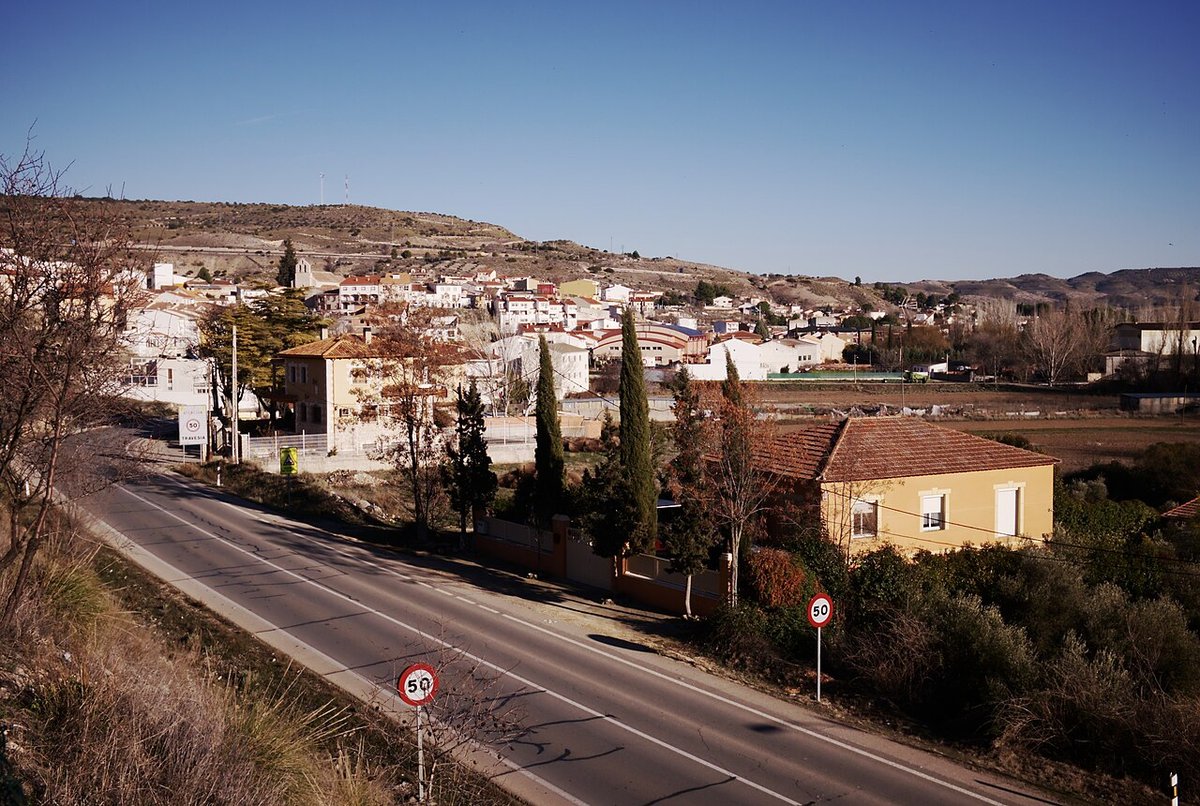
The first thing you notice is the white. The houses aren't just tidy; they're aggressively whitewashed, so bright on a sunny day it almost hurts your eyes. That's no accident—lime production was big here for ages, and that legacy is literally baked into the walls.
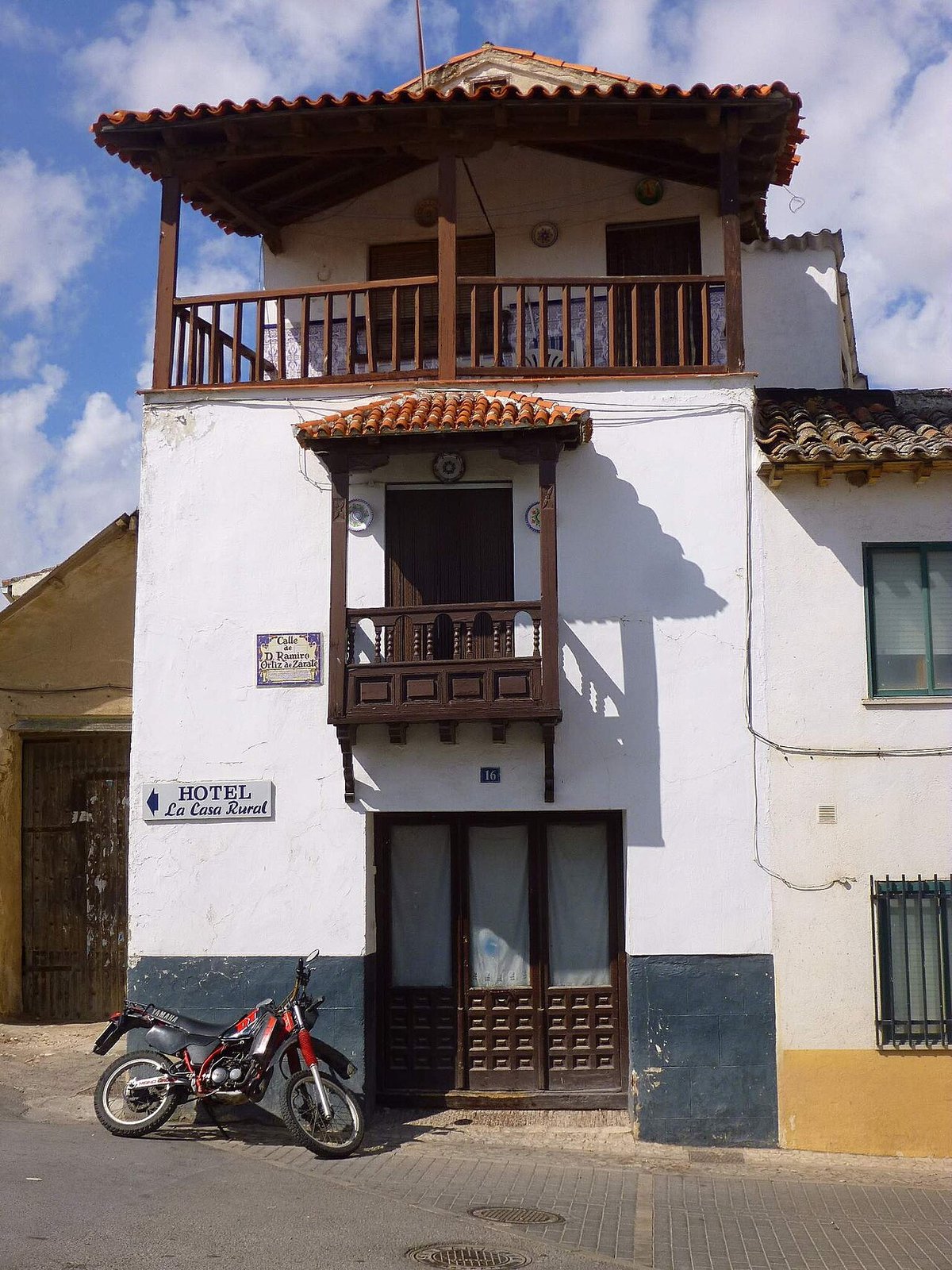
Some houses have those classic wooden lookout balconies; others are more reserved. But push open a heavy front door and you'll often find an inner courtyard packed with life: lettuce, tomato plants, grapevines, sometimes even a defiant lemon tree trying its luck against the local climate.
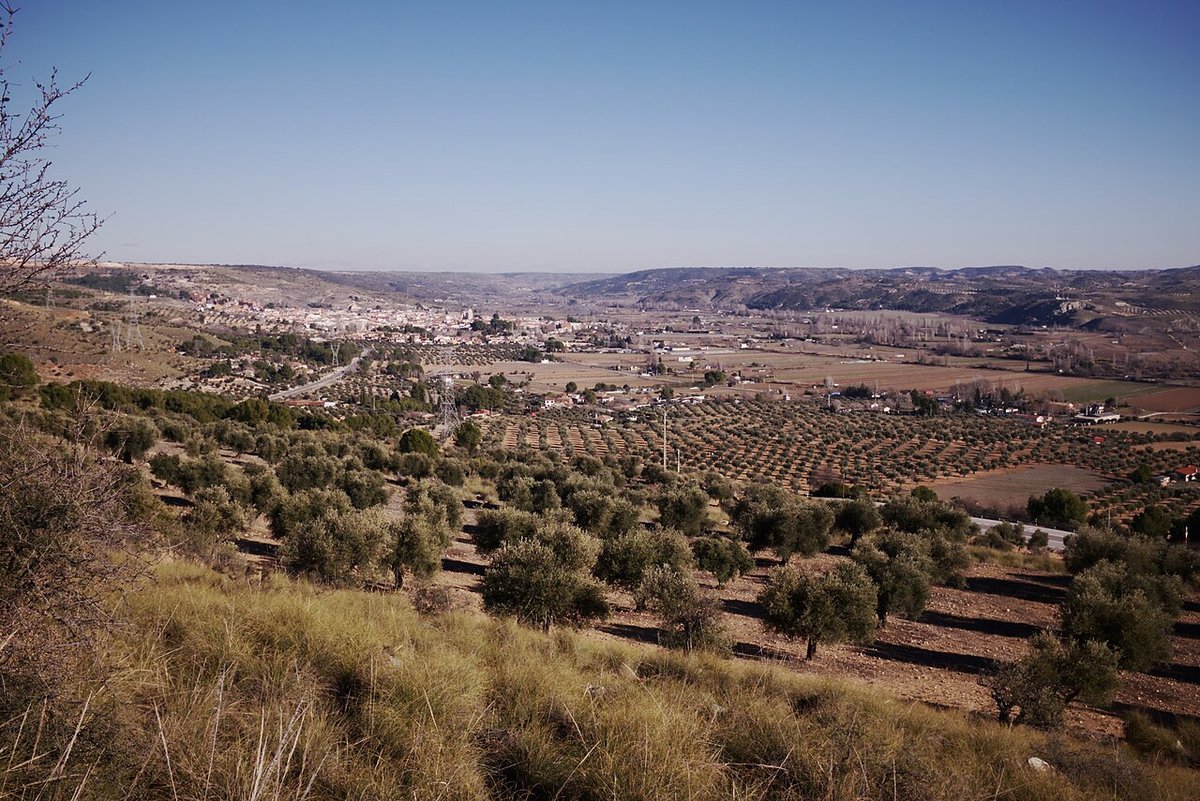
The Iglesia de Nuestra Señora de la Antigua is the landmark. It's not huge or overly ornate—it's more like a village church that's been patched up and added to over generations because it had to be useful, not pretty. The views from around it are the real draw, looking out over the Tajuña valley and fields that roll on farther than you'd think possible this close to the capital.
Then there's Eurovillas, the residential zone on the outskirts. It feels like another world entirely: detached homes, big driveways, quiet streets—more suburban cul-de-sac than traditional village centre.
Walking the railway that time forgot
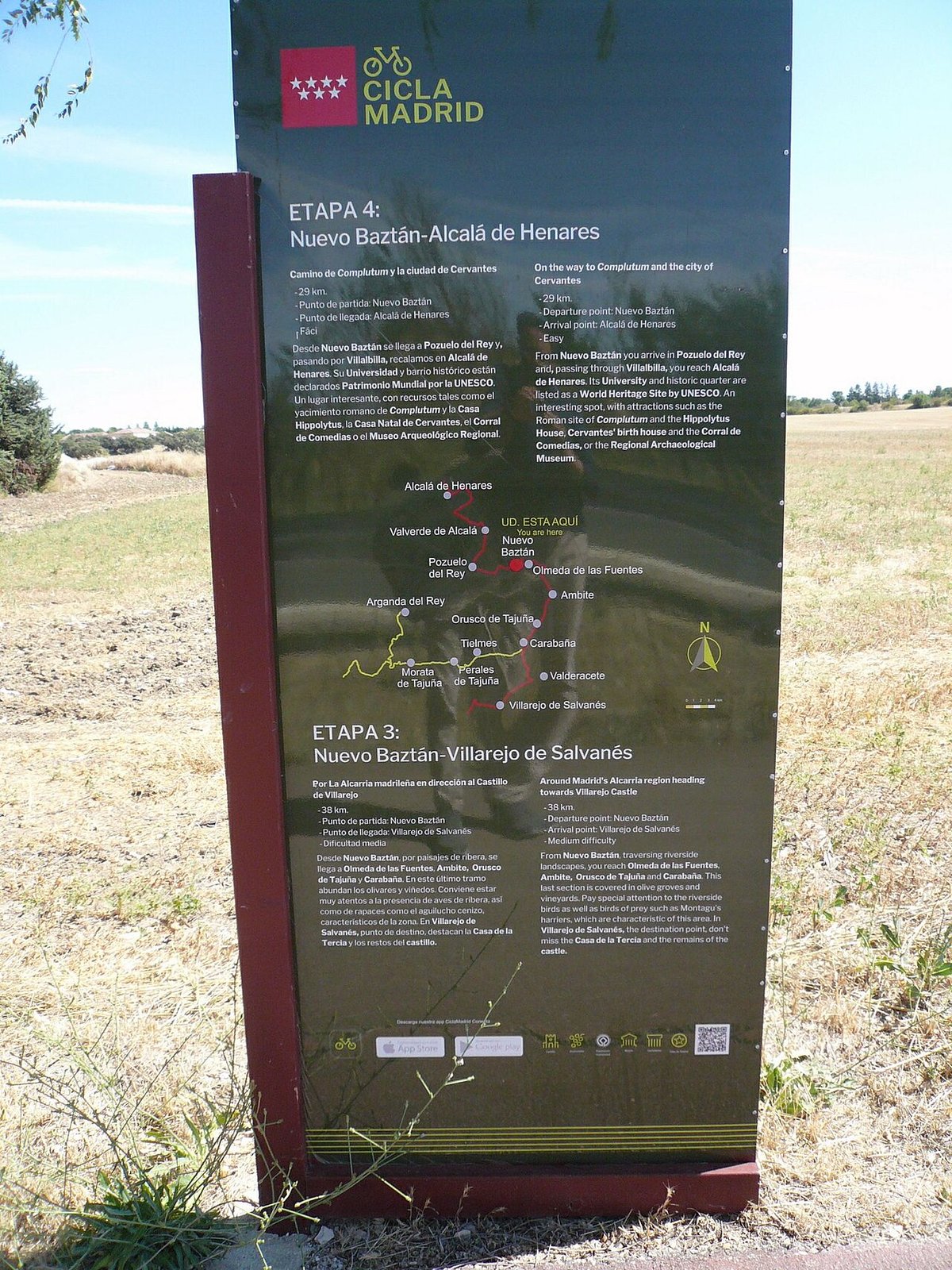
One of the better walks here follows what's left of the old Madrid‑Cuenca‑Valencia railway line. They call it the “Ruta de los 40 días”. Sounds epic, right? In reality, it's a pretty gentle gravel path.
It's wide and flat enough for strollers and weekend warriors on bikes—the kind with all the gear who treat a 10-kilometre ride like a Himalayan expedition before settling down for a long picnic.
Come spring, poppies explode along the edges and everything turns green and gold. It's one of those walks where you lose track of time because there's nothing demanding your attention except the path itself.
Where migas are serious business
The food here sticks to what works in this part of Las Vegas: garden vegetables, legumes, and dishes built to fill you up. Migas are part of that DNA. They're not just festival food, but they do become public spectacle during celebrations like San Isidro in May.
We're talking stale bread fried up with garlic and chunks of good cured meat. During certain fiestas, they cook up massive pans in the plaza. If your timing is right (or wrong), you'll join a queue that forms based on smell alone, long before any food is actually served.
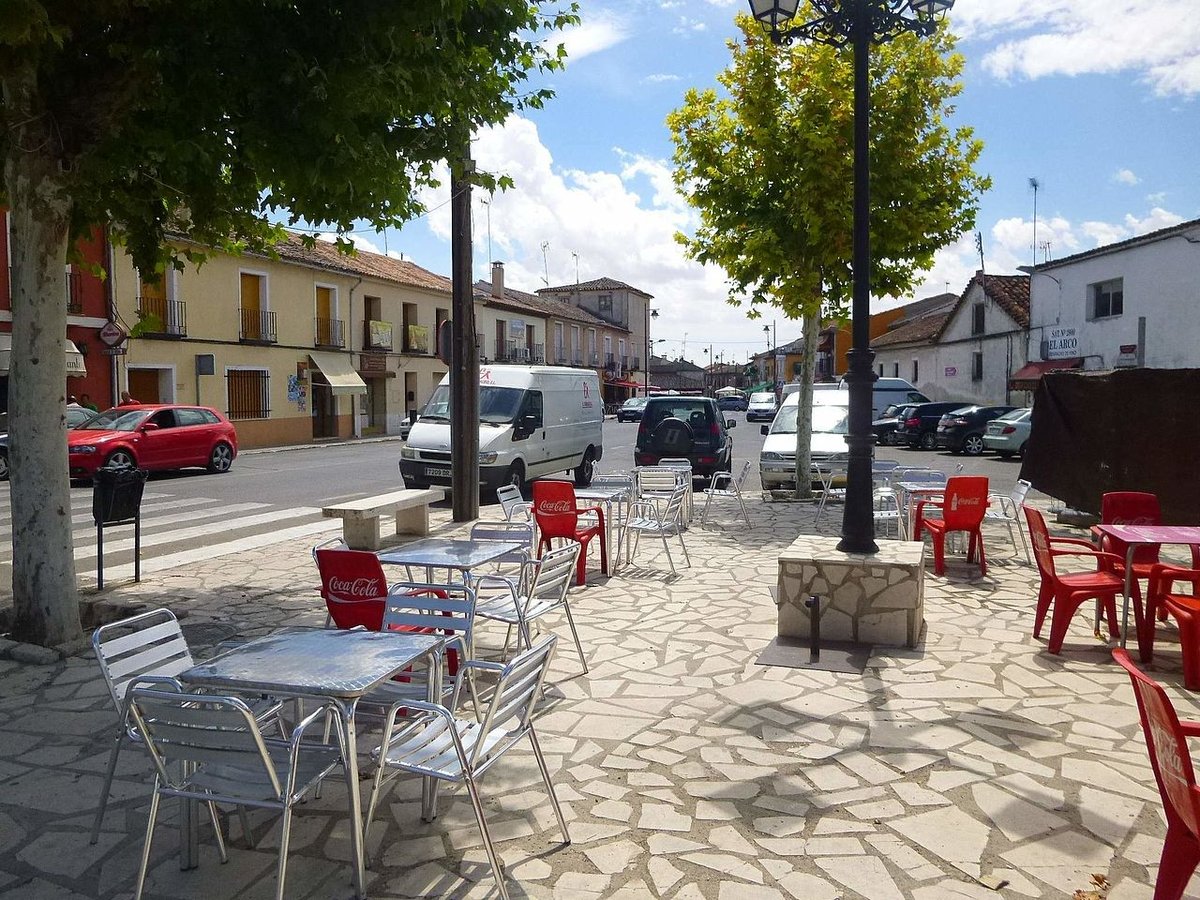
The weekly market is where village life becomes visible. Stalls sell clothes, seedlings for your garden fruit…the usual stuff You go for tomatoes and leave with socks too What makes it isn't shopping but watching everyone slowly do their rounds turning errands into an hour-long social event
So is it worth stopping?
Look Villar del Olmo isn't going to wow you with artisan boutiques or curated coffee spots Its appeal is simpler than that
You can see most of it in half day: peek inside church wander past fountain get lost in old centre maybe stretch your legs on old railway path That's pretty much it
Come spring when fields are green or autumn when light turns golden Winter? Bring proper coat Summer? Expect proper heat
It won't win any awards for being most beautiful village in Madrid But sometimes what need isn't beauty just different rhythm slower afternoon space breathe For anyone tired M-30 soundtrack that change alone can feel like small victory