Full Article
about Villarejo de Salvanés
Historic quarter with a striking keep; gateway to Madrid’s Alcarria
Ocultar artículo Leer artículo completo
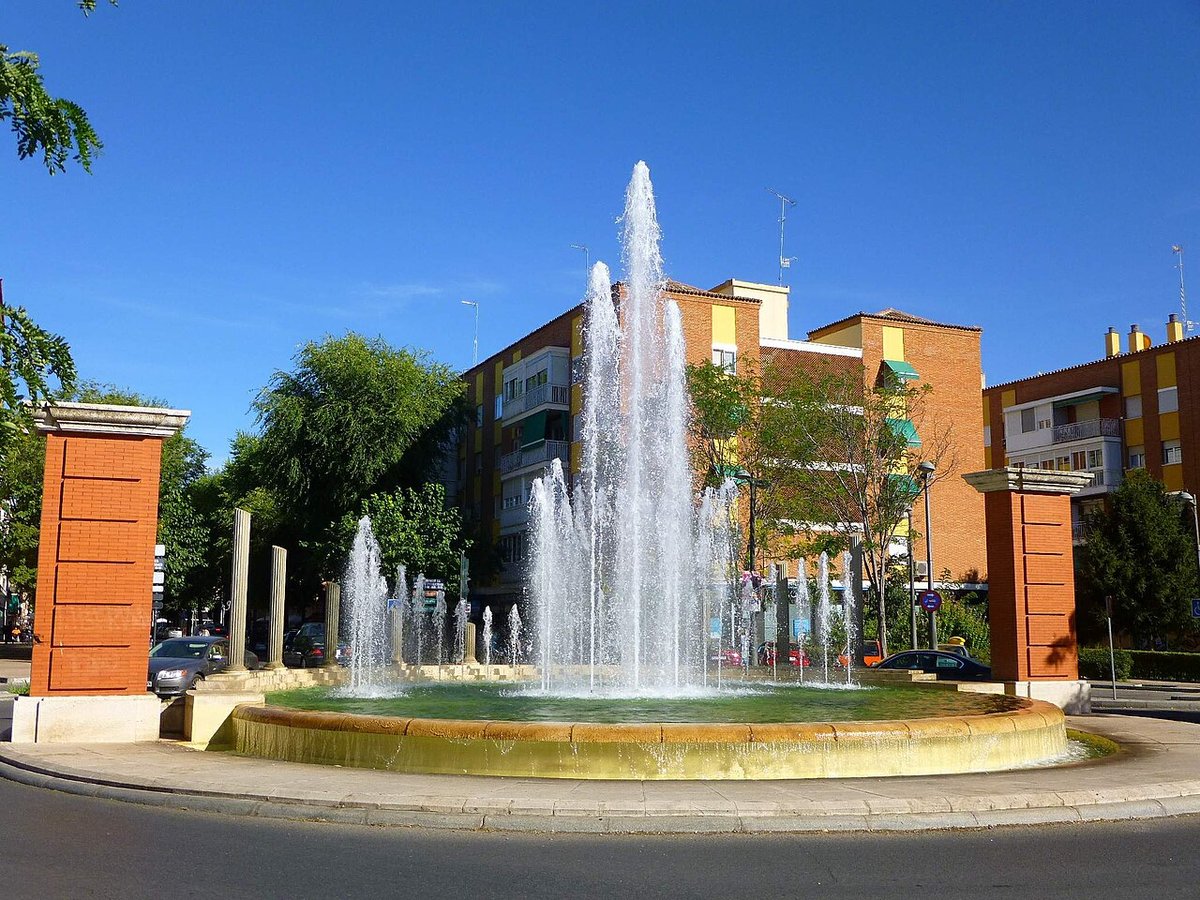
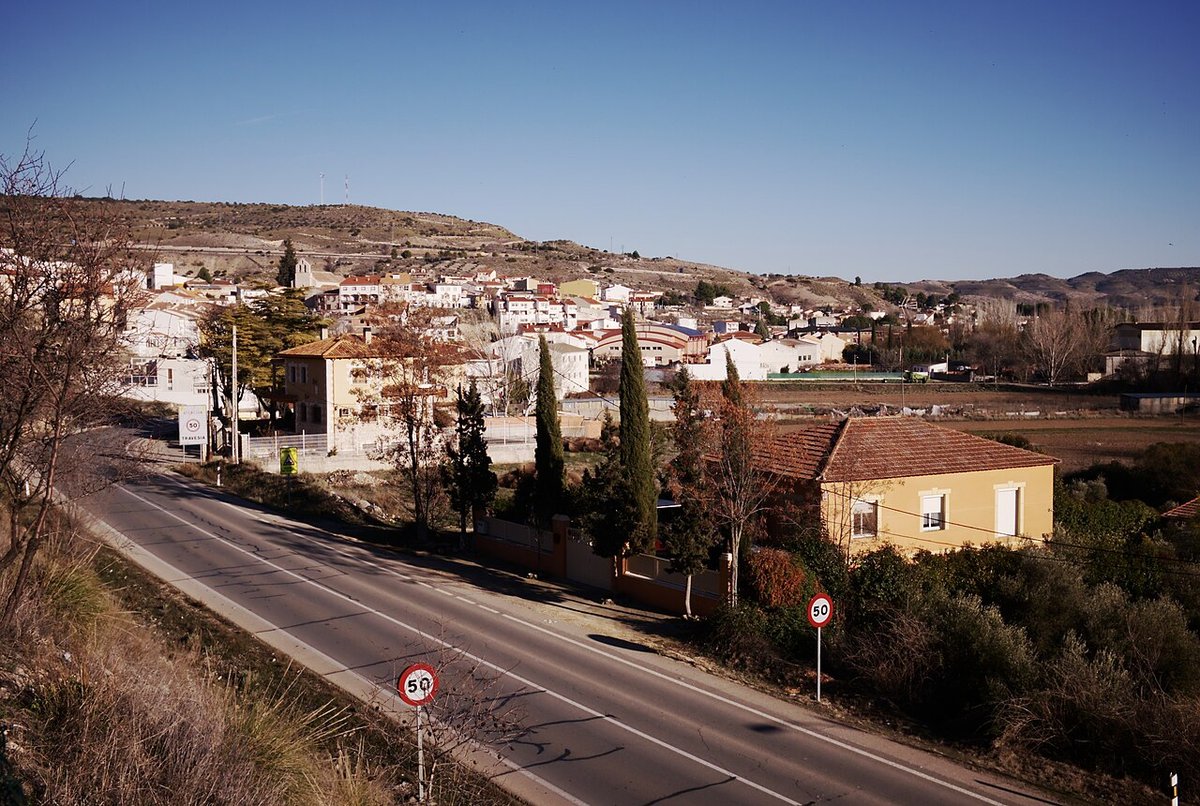
At 756 m above sea level, the wind across the Meseta arrives earlier than in the capital. Stand on the Plaza de la Constitución at eight on a March morning and you’ll need a jacket; by eleven the same square is shirtsleeves and clattering coffee cups. That 600-metre climb from Madrid (50 km north-west) makes Villarejo de Salvanés a different climate zone: winter brings sharp nights that silver the car roofs, summer delivers dry heat that scorches the cereal fields but never quite matches the city’s cauldron.
Stone, Tile and a Town that Walks Slowly
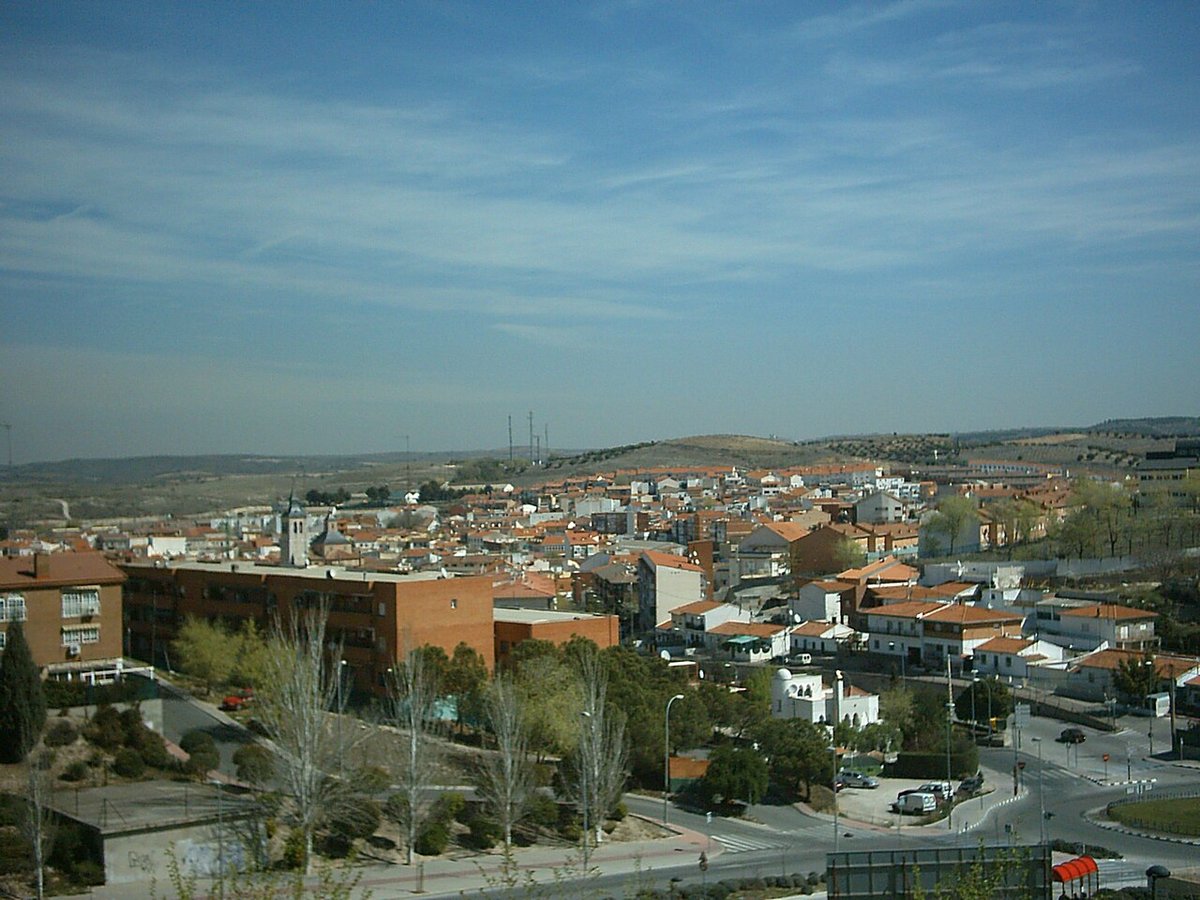
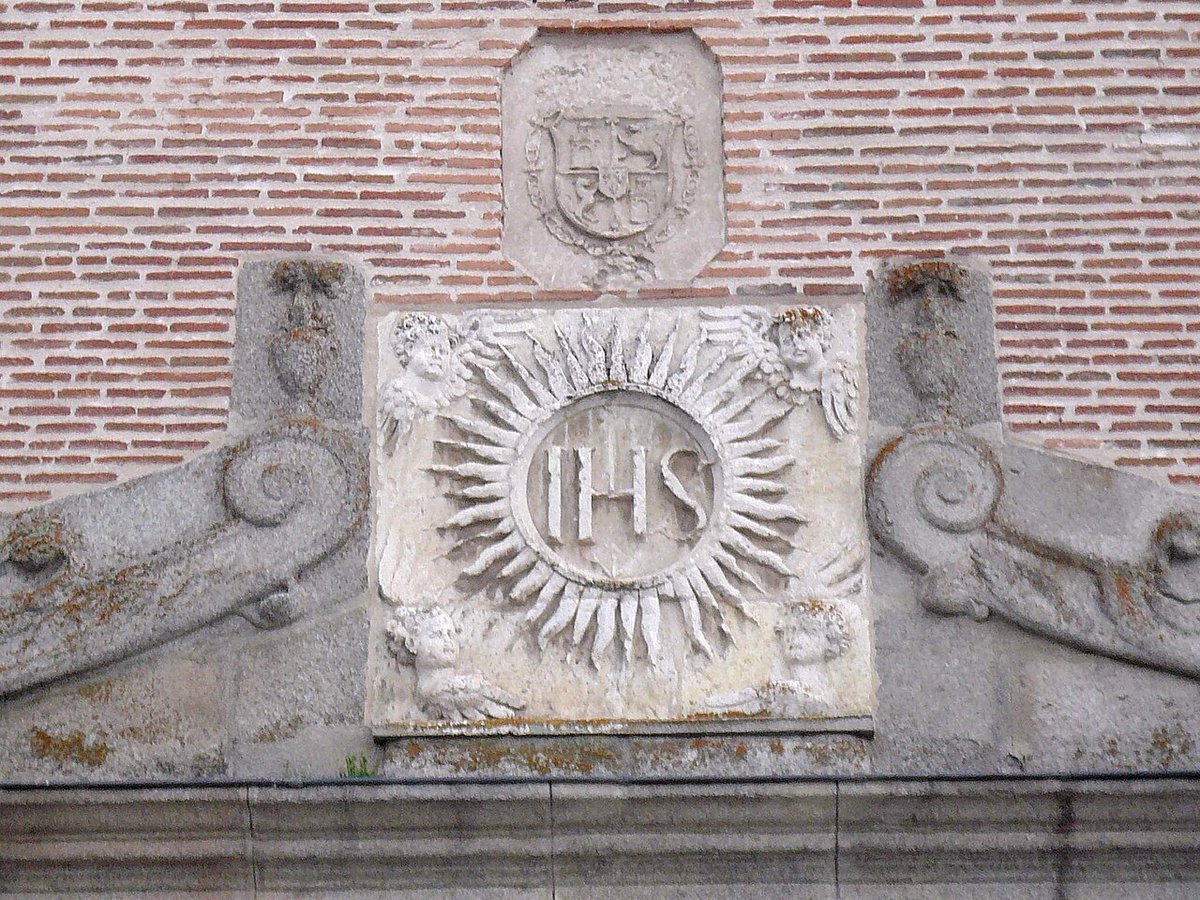
Forget the checklist approach. The centre is small enough to cover in twenty minutes, yet large enough to reward dawdling. Arcaded porticos shade bakeries, chemists and a single hardware shop whose window display still sells scythes. Look up: coats of arms are carved above doorways like business cards left by 17th-century builders. The Iglesia de San Andrés Apóstol squats at the top of Calle Real; its Mudejar tower, brick-striped and sixteenth-century, is the only thing the nineteenth-century restorers didn’t smother in plaster. Inside, the Baroque retablo glitters with gilt but the side chapels are often locked—turn up before the 11 a.m. Sunday Mass if you want the full effect.
Opposite, the Palacio de los Marqueses de Salinas is private, so you’ll have to settle for the façade: granite blocks the colour of wet sand, a balustraded roofline and the family crest worn smooth by 350 winters. Carry on another block and the Convento de las Dominicas exhales church incense and floor-wax. Ring the bell; a nun may open the grille, sell you a packet of almond biscuits (€4) and close it again without a word. Silence is part of the product.
Paths that Taste of Thyme and Diesel
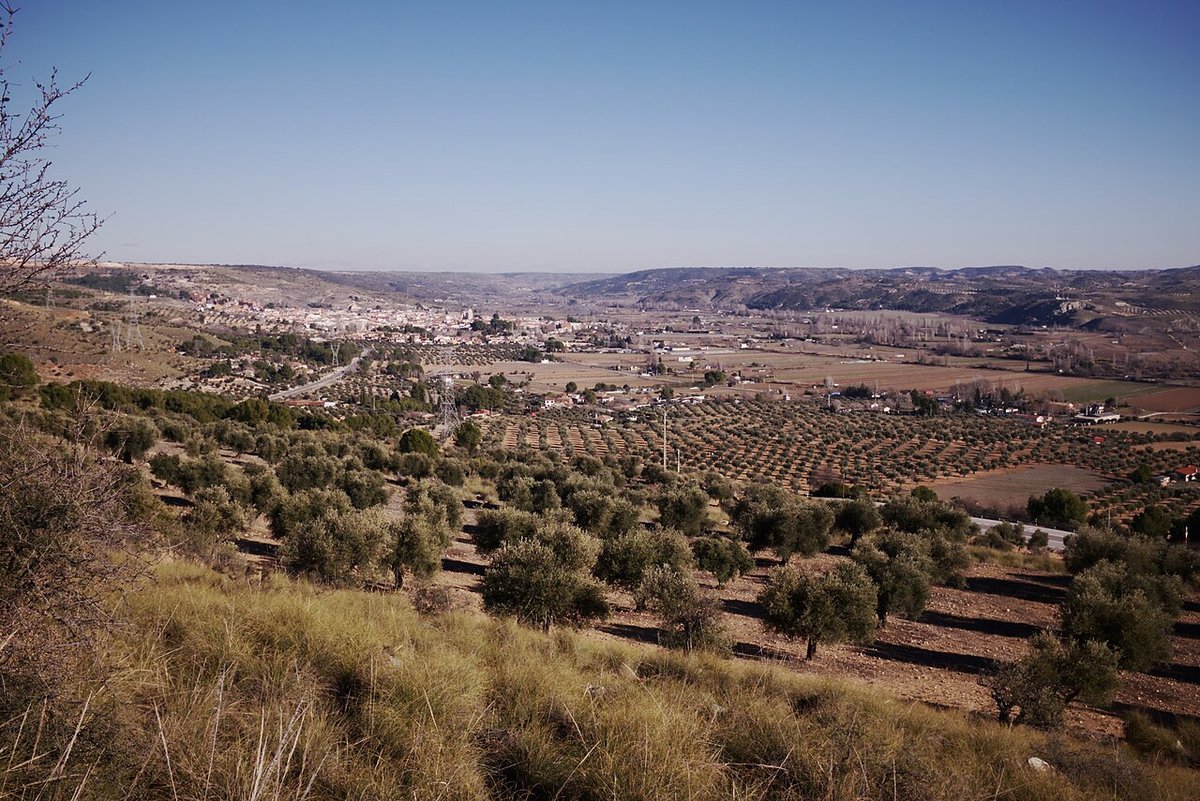
Villarejo is not the place for dramatic ridgelines. Instead, farm tracks radiate into wheat and olive plots whose soil is the colour of digestive biscuits. Two decent circuits start at the southern roundabout:
- Cerro de la Cabeza (5 km loop, 120 m ascent). Follow the paved lane past the cemetery, then fork right onto the dirt track. The summit is a bare bump with a concrete trig pillar; on a clear day you can pick out the glass towers of Madrid shimmering like a heat mirage.
- Valdehiguera circuit (7 km). Head east past the ruined farmstead, then loop back along the arroyo. Wheat gives way to holm oak; the path is shaded for the first hour, welcome when the thermometer nudges 32 °C in June.
Both routes are way-marked in the half-hearted Spanish fashion—one painted stripe every kilometre—so download the GPX before leaving the plaza. Carry water; there are no fountains after the first kilometre and the sun is unfiltered at this altitude.
Roast Lamb and the Mid-week Void
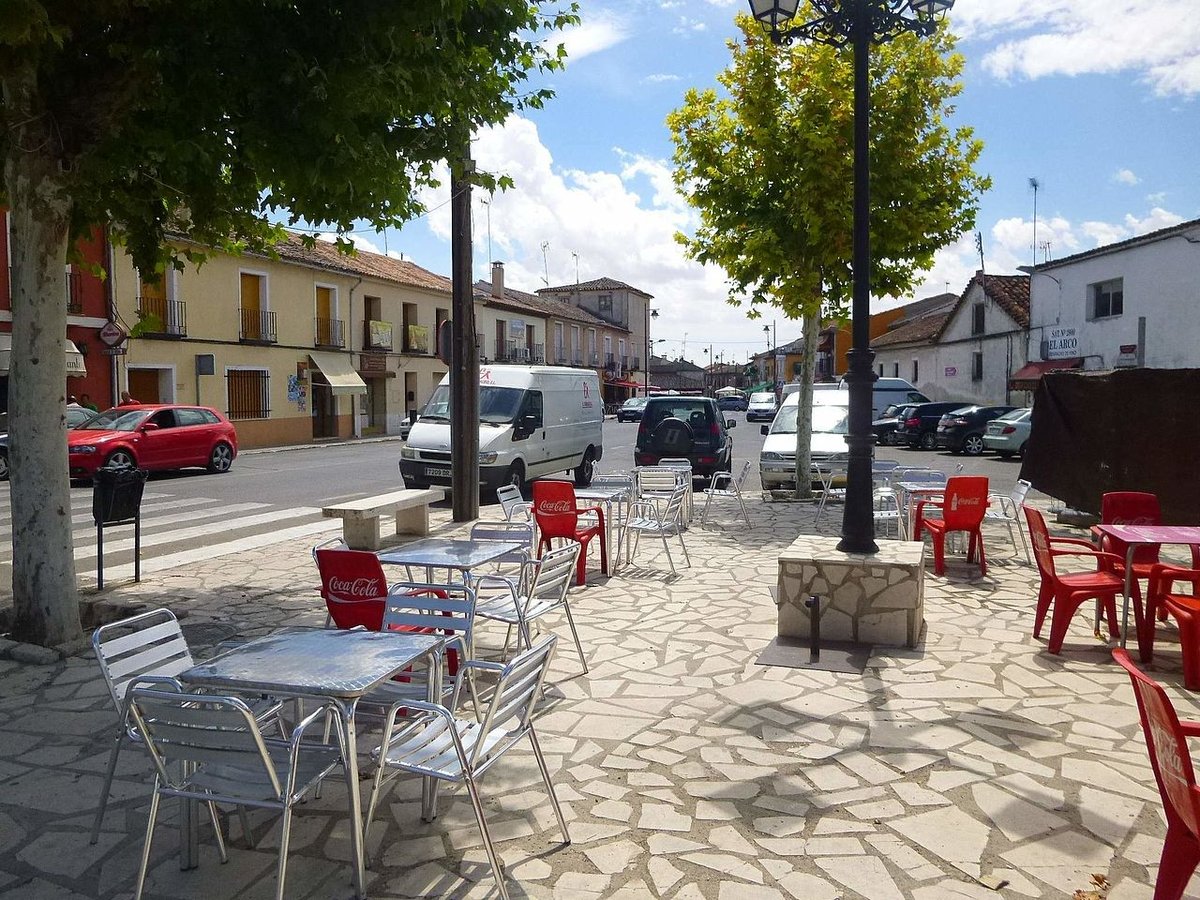
The restaurants cluster on the north side of the square. Mesón de la Plaza does a respectable cordero asado (half a suckling lamb, €28 pp, minimum two people) roasted in a wood-fired oven whose smell drifts across the square from ten each morning. If that feels medieval, order migas—fried breadcrumbs strewn with garlic, grapes and bits of pancetta—washed down with a young Vinos de Madrid. Vegetarians get the usual omelette or salad; don’t expect tofu innovation.
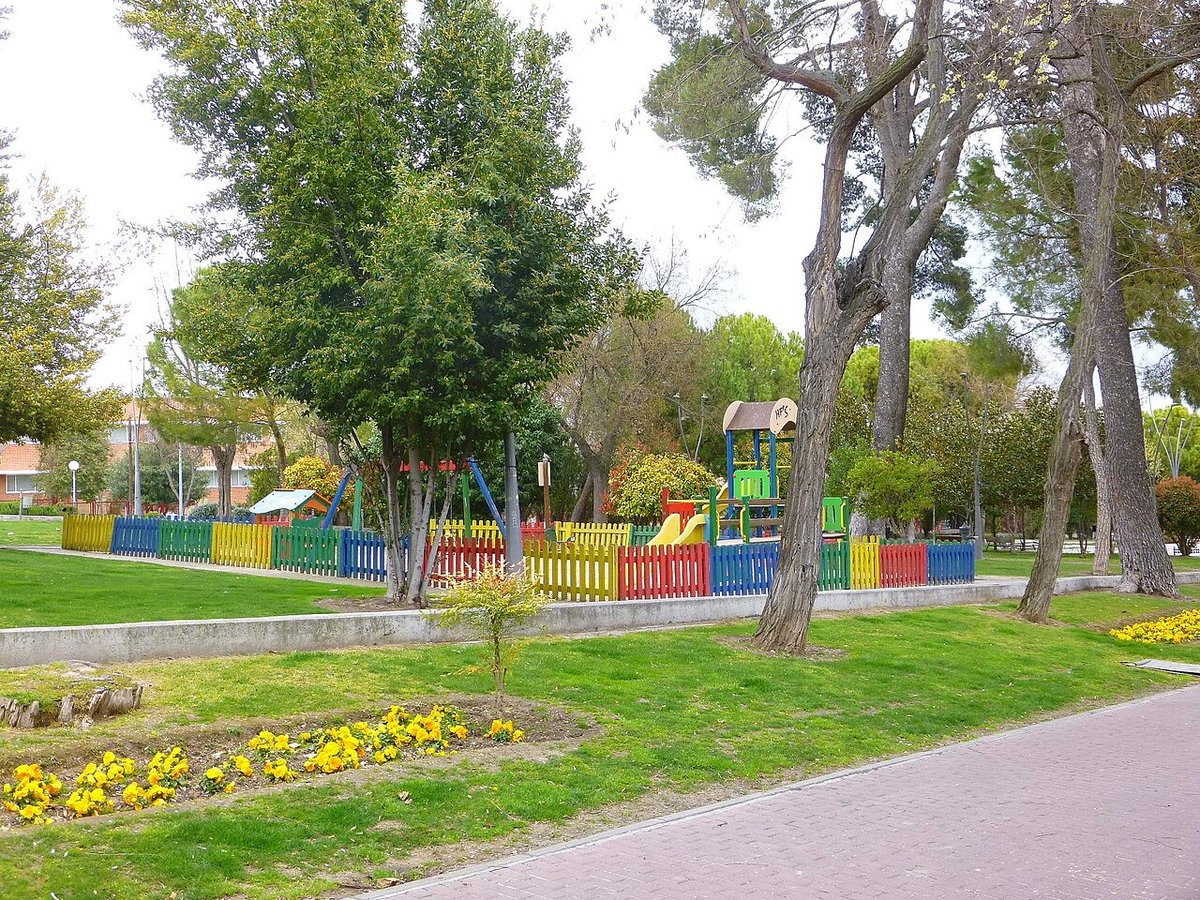
After lunch the town shuts. Between 3 p.m. and 5 p.m. even the bakery pulls down its shutter; plan on a siesta in the parque de la Constitución or retreat to your car for an audiobook. The weekly market sets up on Tuesday mornings: three fruit vans, a stall that sells socks next to cauliflowers, and a van whose owner will sharpen your kitchen knives for €3 while you wait. It is emphatically not staged for visitors—bring a tote bag and you’ll blend in.
Getting There Without the Madrid Rush
Public transport exists but demands patience. From Madrid’s Conde de Casal interchange, bus 337 leaves at 07:30, 10:30, 13:30, 16:30 and 19:30 on weekdays (fewer at weekends, always check the red ALSA timetable taped inside the shelter). Journey time is 55 minutes, fare €4.20 each way. The bus drops you on the Avenida de Madrid—three minutes’ walk to the plaza. If you hire a car at Barajas, take the A-4 towards Valencia, exit 51, then the M-404 south; total driving time is 45 minutes unless the M-40 is snarled, which it usually is. Parking outside the old centre is free and plentiful; blue-zone bays inside the grid cost €1 per hour, enforced only between 10 a.m. and 2 p.m.
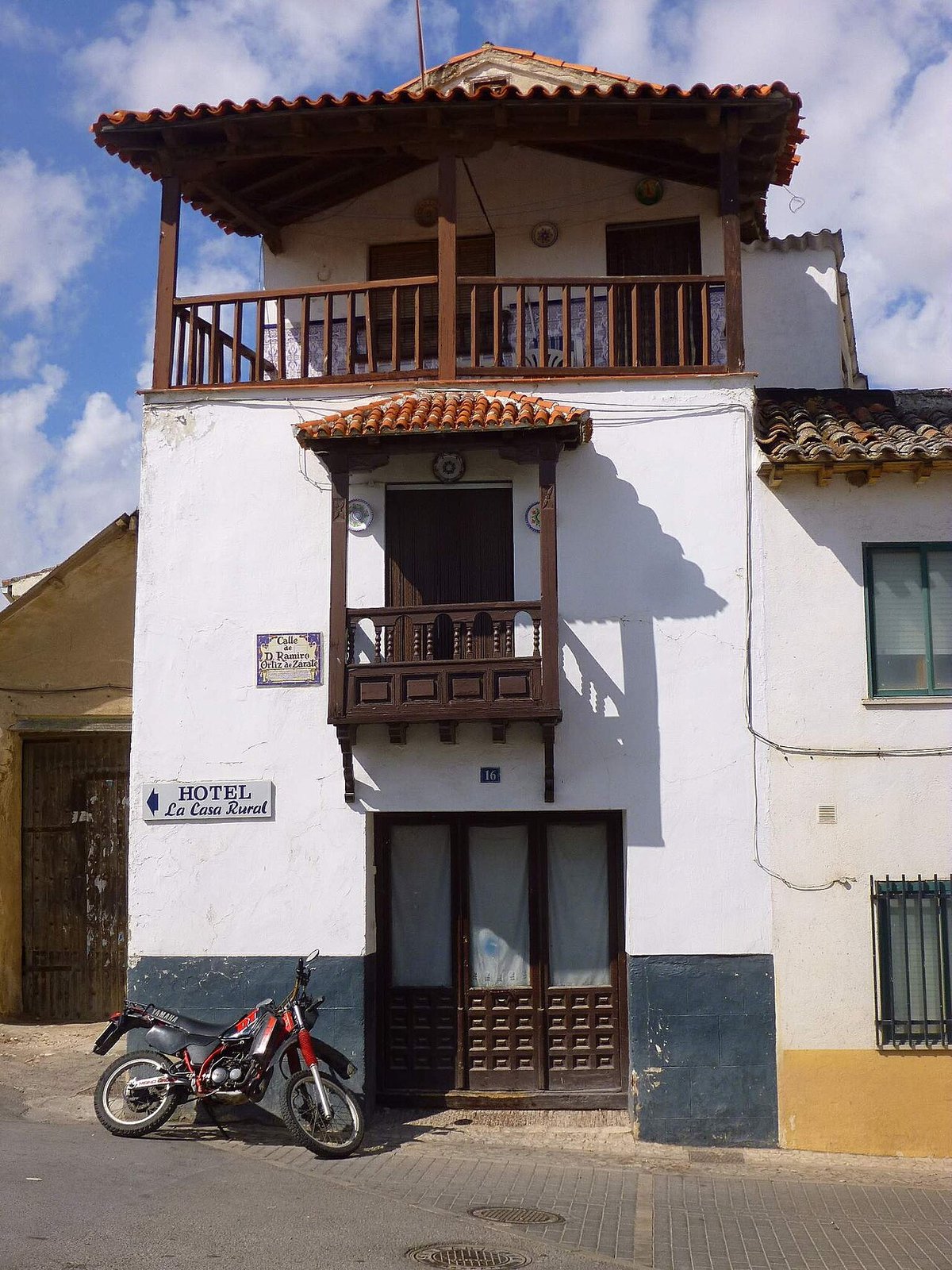
Accommodation is thin. The only listing on the usual British booking sites is Hostal Carmelo on Calle del Medio (doubles €55–65, simple rooms above a bar that stays lively until 1 a.m.). Otherwise stay in nearby Chinchón—prettier, pricier, ten minutes away by car—or day-trip from Madrid.
When to Bother, When to Skip
Spring (mid-March to May) is the sweet spot: wild poppies line the wheat fields, the wind still carries a chill and the town’s patios are scented with orange blossom. Autumn (late September to early November) brings purple skies at dusk and the first wood-smoke; locals are relaxed after the harvest and bars still serve wild-mushroom tapas. Summer is doable if you start early. By midday the stone walls radiate heat like storage heaters; shade is scarce and the plaza’s only tree is a plane that lost a fight with lightning. Winter is monochrome—brown fields, brown walls, brown riverbed—but the light is sharp enough to cut glass and you’ll have the church to yourself. Snow is rare; when it comes the village looks briefly Victorian, then turns to slush by lunchtime.
The Honest Verdict
Villarejo de Salvanés will not change your life. It offers no jaw-dropping view, no Michelin star, no Instagram moment that hasn’t already been snapped by someone from Getafe. What it does offer is a working Spanish town that has remembered how to mind its own business: bread at €1.10, elderly men arguing over dominoes, a church bell that still marks the hours. If that sounds like enough, come; if you need soaring cathedrals or infinity pools, keep driving towards Cuenca.