Full Article
about Arroyomolinos
A growing modern town, known for its medieval tower and large shopping and leisure areas.
Hide article Read full article
Where Madrid Fades into Former Fields
By mid-morning, the sun is already warming the granite slabs of the Torreón. Below, the steady hum of the M‑413 cuts across Arroyomolinos like a river of asphalt. The road is impossible to ignore. It shapes the rhythm of the place and hints at what tourism in Arroyomolinos really means: a town pressed up against Madrid where suburban expansion and traces of village life exist side by side, without much ceremony.
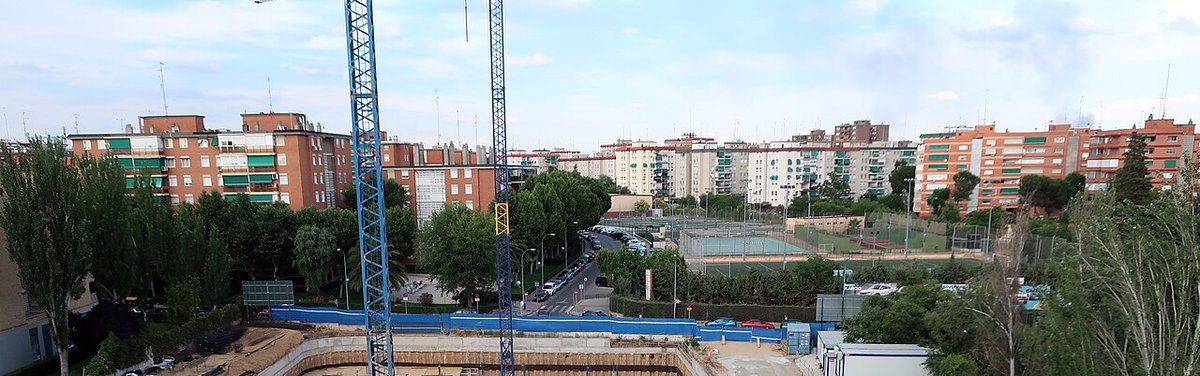
From the top of the tower, traffic shrinks to miniature scale. Lorries look like toys, cars flash briefly in the light before disappearing at a roundabout. The view makes the town’s recent growth obvious, yet it also reveals the open land that still survives towards Batres.
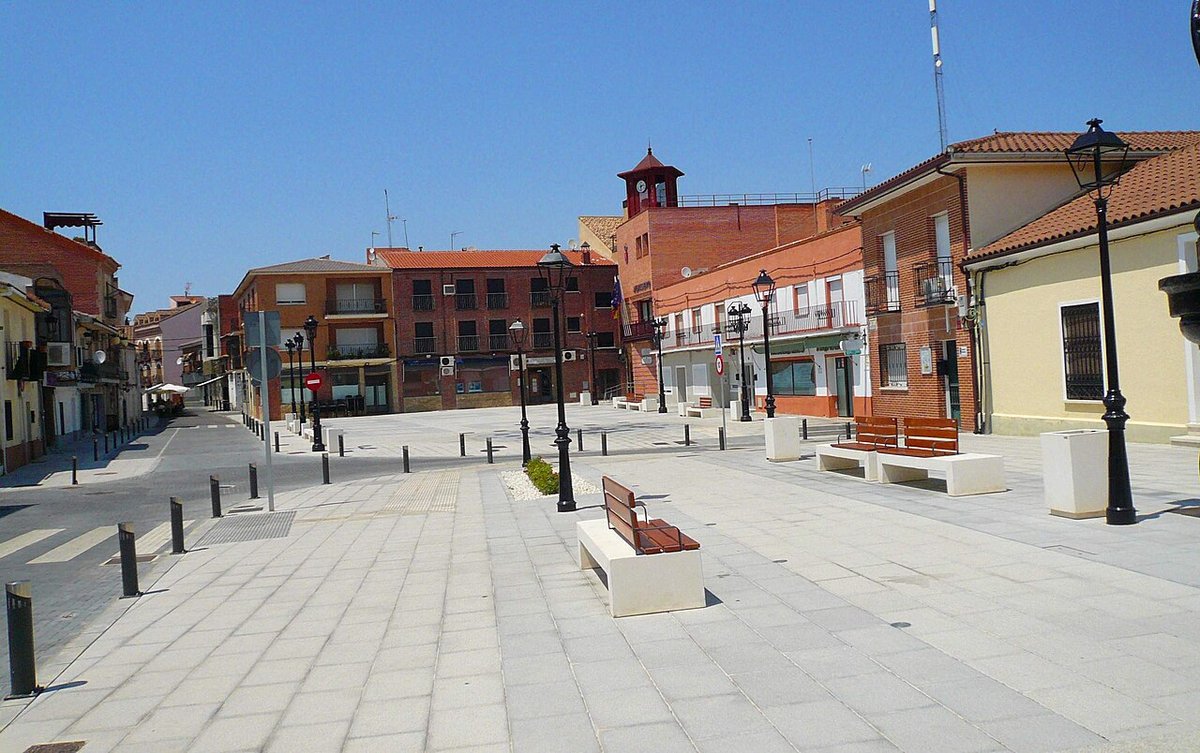
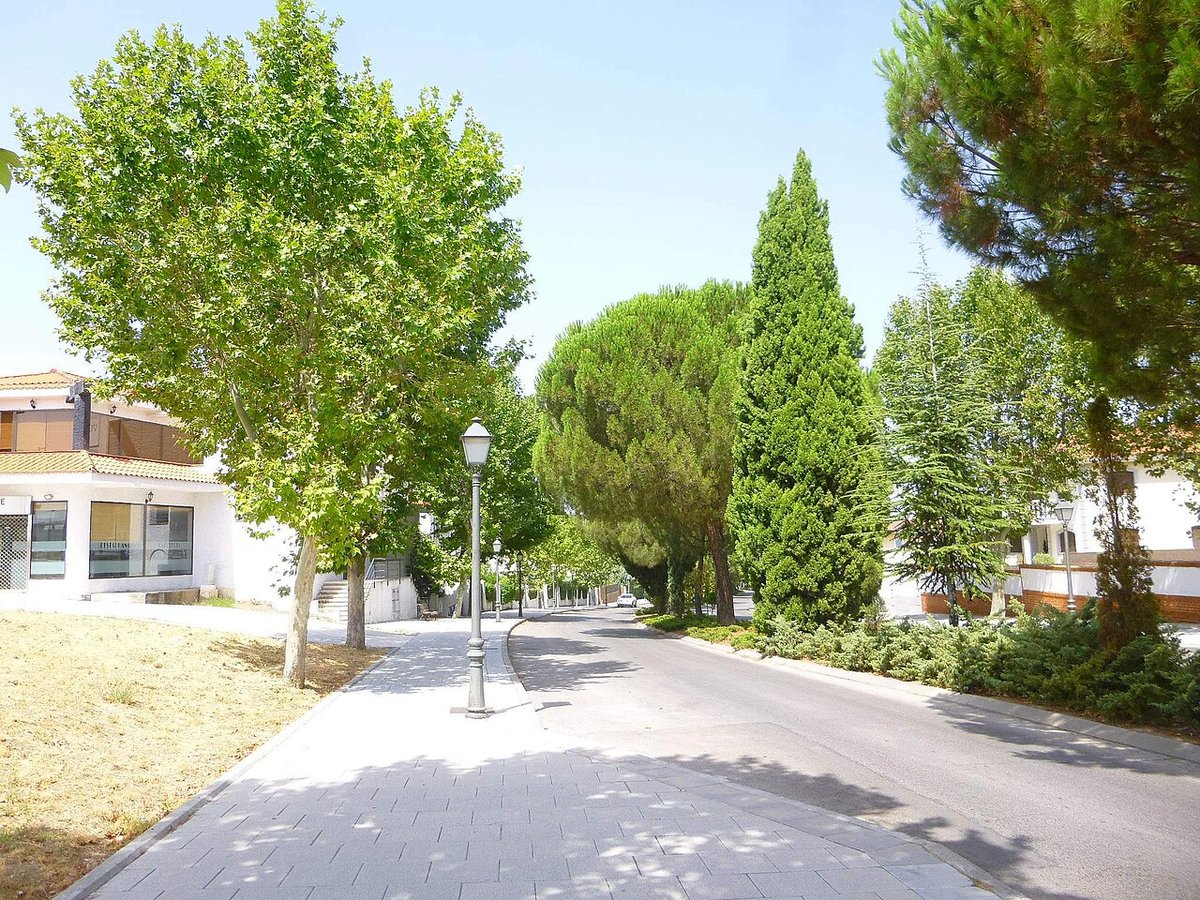
At ground level, daily life moves at a gentler pace. In the nearby park, grandmothers push prams while discussing the new school. The air often carries the scent of freshly cut grass mixed with warm bread from a bakery on the square. It drifts through streets lined with terraced houses, a reminder that not so long ago this was all countryside.
Arroyomolinos does not present itself as a polished destination. It feels lived in and functional. That is part of its character.
The Torreón, Stone at the Centre of Change
The Torreón stands as the town’s most recognisable landmark. Climbing its spiral staircase means stepping into a cool cylinder of stone where the temperature drops abruptly. The steps are worn and slightly uneven, polished by centuries of use. Light slips in through narrow openings, casting angled beams across the interior walls.
The tower is usually dated to the late Middle Ages. Over the centuries it has served different purposes: a lookout point, an agricultural store and, according to some older residents, even a dovecote. Today, when open, it hosts cultural activities and small municipal exhibitions. Its role has shifted again, from defence and farming to community life.
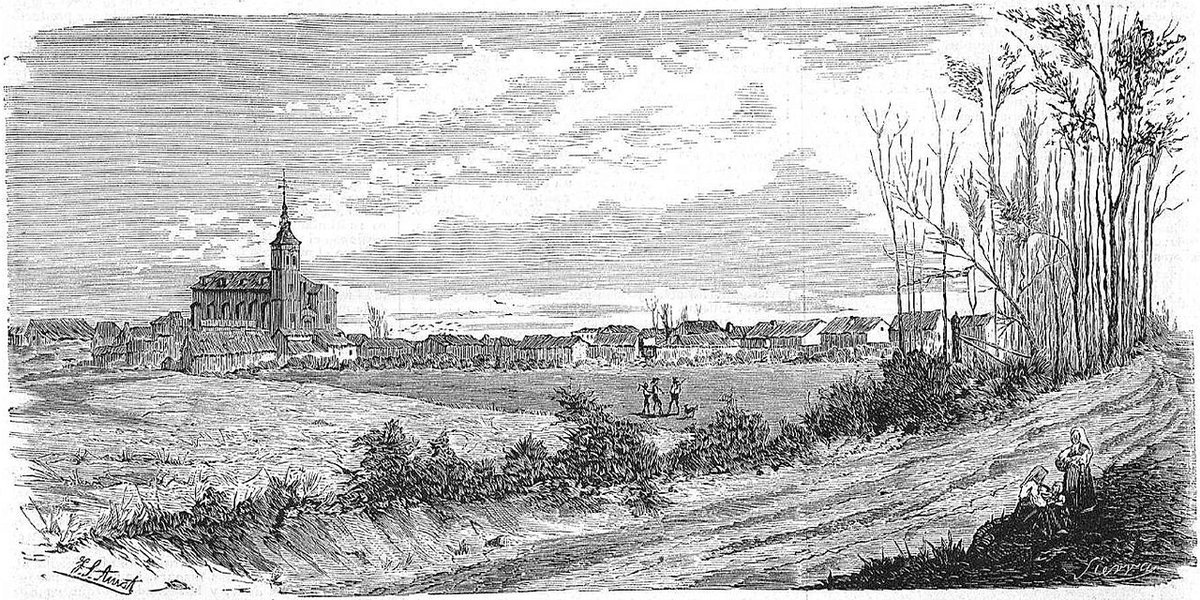
From its small windows, the contrast becomes clear. On one side lie the fields that still stretch towards Batres. On the other, housing developments that have steadily expanded around the old structure. The Torreón does not dominate the skyline so much as anchor it, a vertical reminder of a much older Arroyomolinos.
Local legend adds another layer. For years, people have repeated the story that a subterranean gallery once connected the Torreón to Batres. There is no firm evidence that such a passage exists, yet the tale persists. It resurfaces whenever someone points to a dark opening in the northern wall or a blocked passage and suggests that perhaps the tunnel once ran there. The uncertainty keeps the story alive.
The Arroyo de los Combos and the Town’s Name
The Arroyo de los Combos gives Arroyomolinos its name. The stream runs modestly between reeds and small patches of vegetation. It is not large, and in summer it can shrink to a thin thread of water. Its importance lies in the past. For centuries, its flow powered flour mills, the molinos that ultimately named the municipality.
Walking along its course, fragments of granite walls still appear. Some are half-covered in moss. Others hide behind brambles or sit just beyond a fence. These remains belong to another era, when this area formed an agricultural strip between towns such as Móstoles, Navalcarnero and Batres.
In spring, the scene shifts noticeably. Water usually runs more strongly and the banks fill with insects and frogs. Children often approach in wellington boots while adults wait on the path, perhaps remembering that they once did exactly the same. The stream becomes a small stage for seasonal change, modest but persistent.
The Arroyo de los Combos does not overwhelm the landscape. It threads quietly through it, tying present-day Arroyomolinos to its rural past.
Fast Growth, Slower Moments
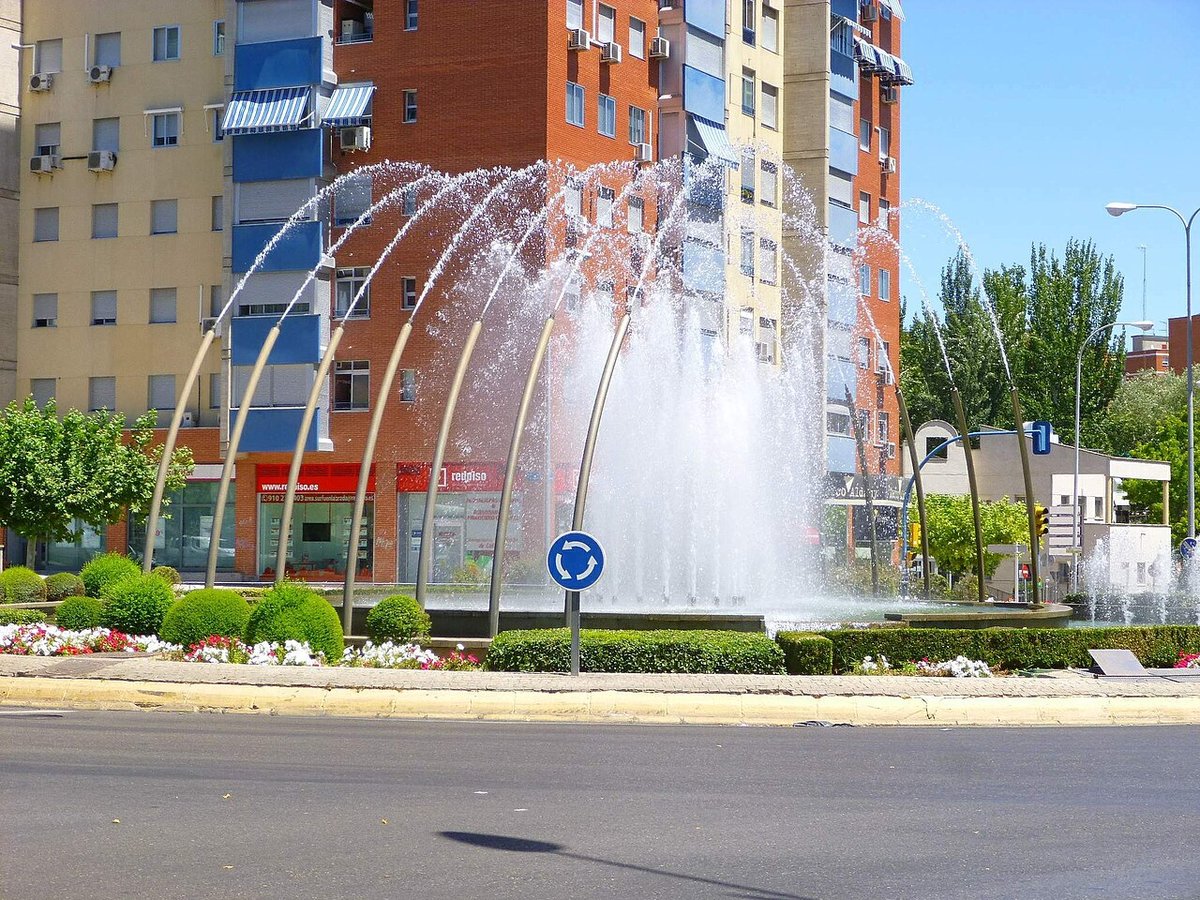
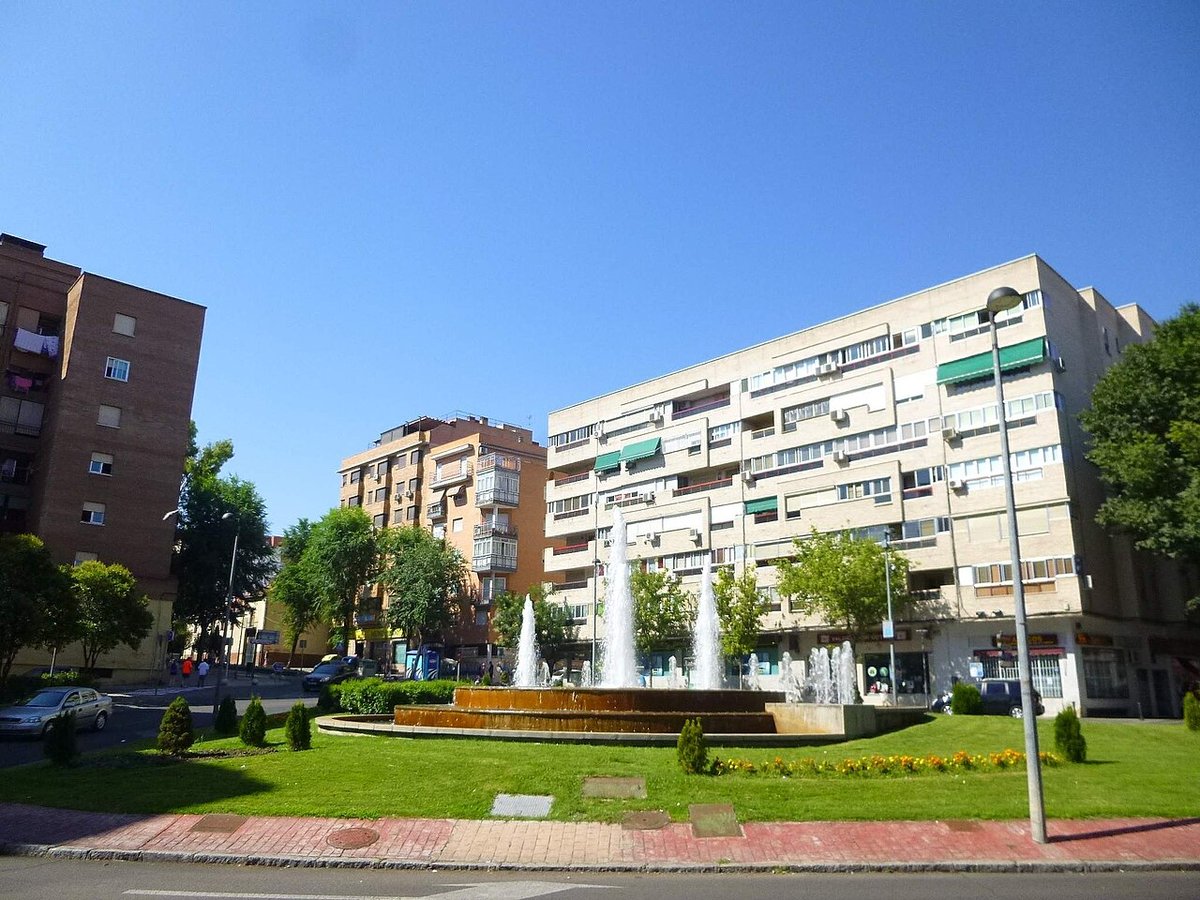
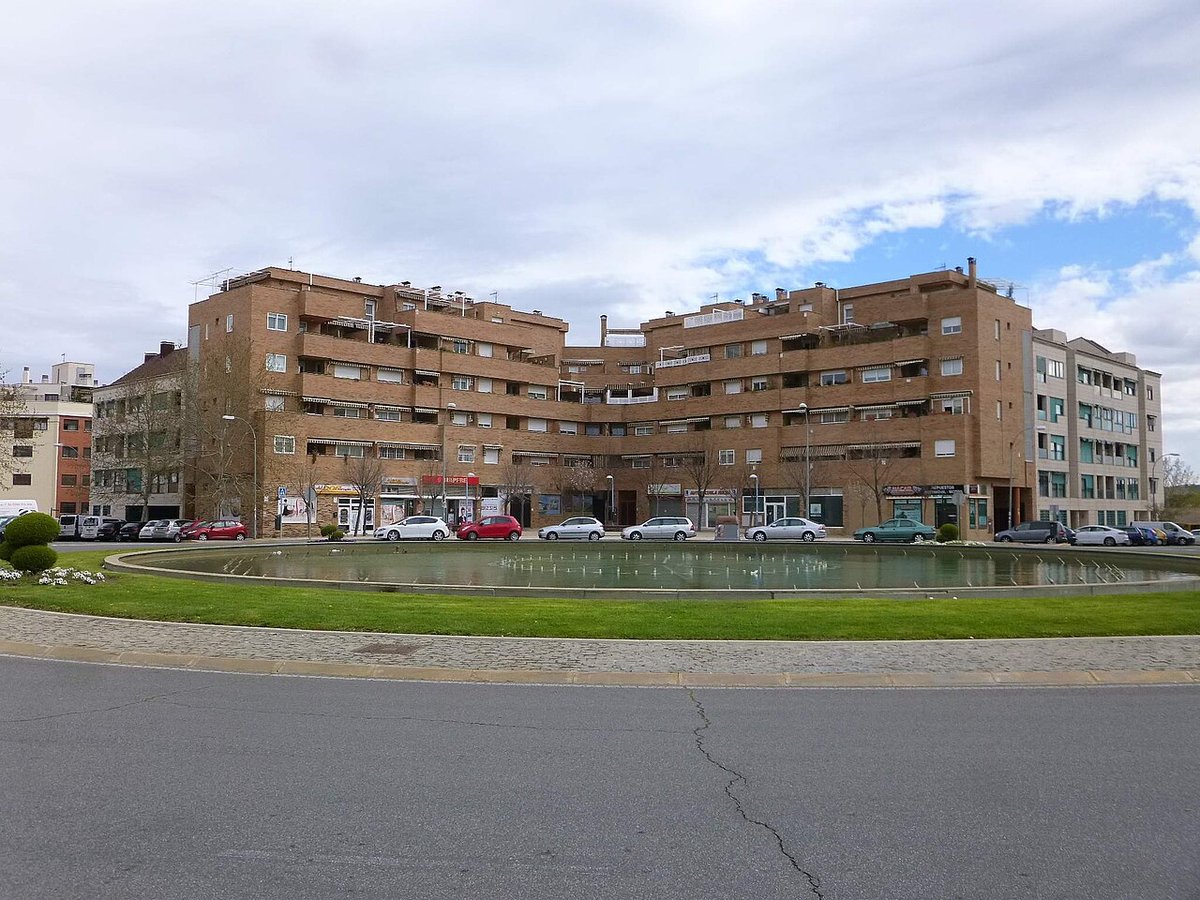
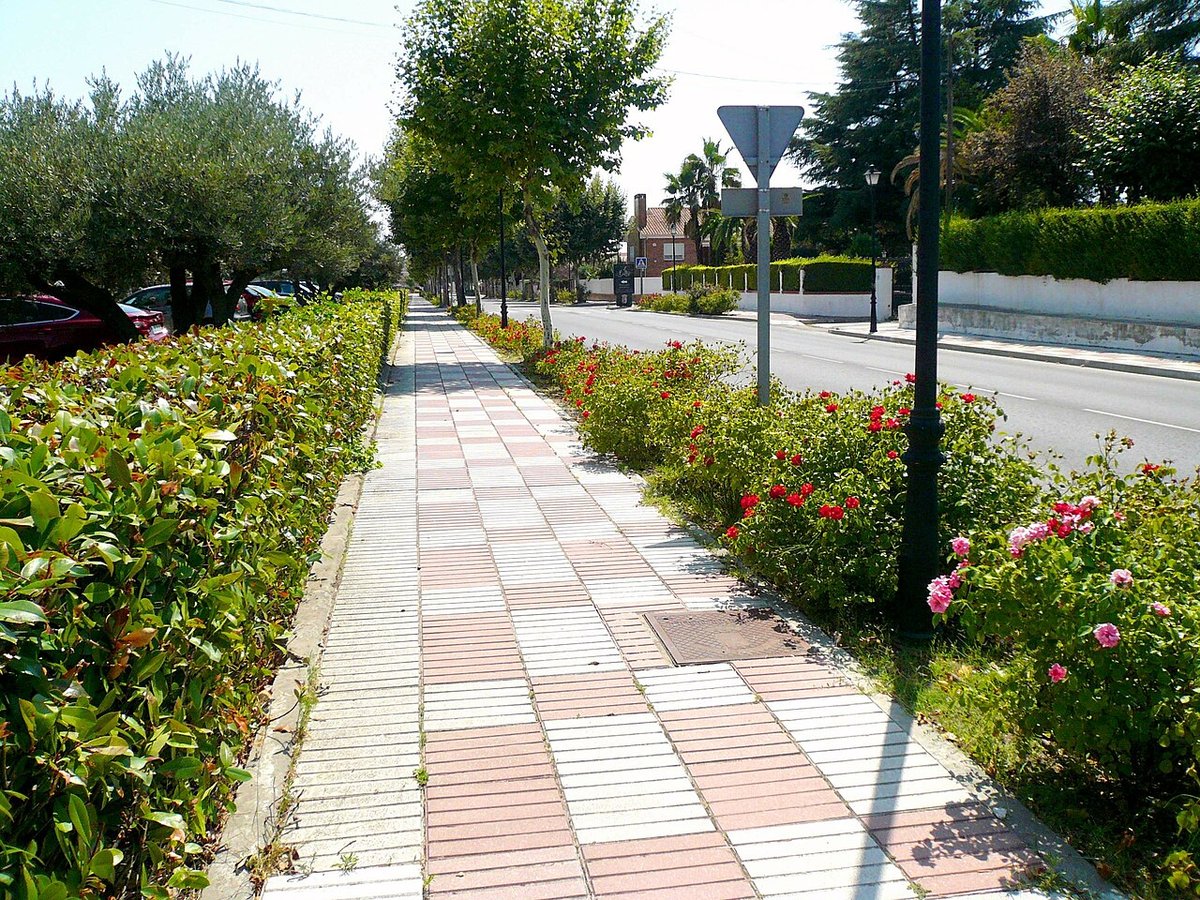
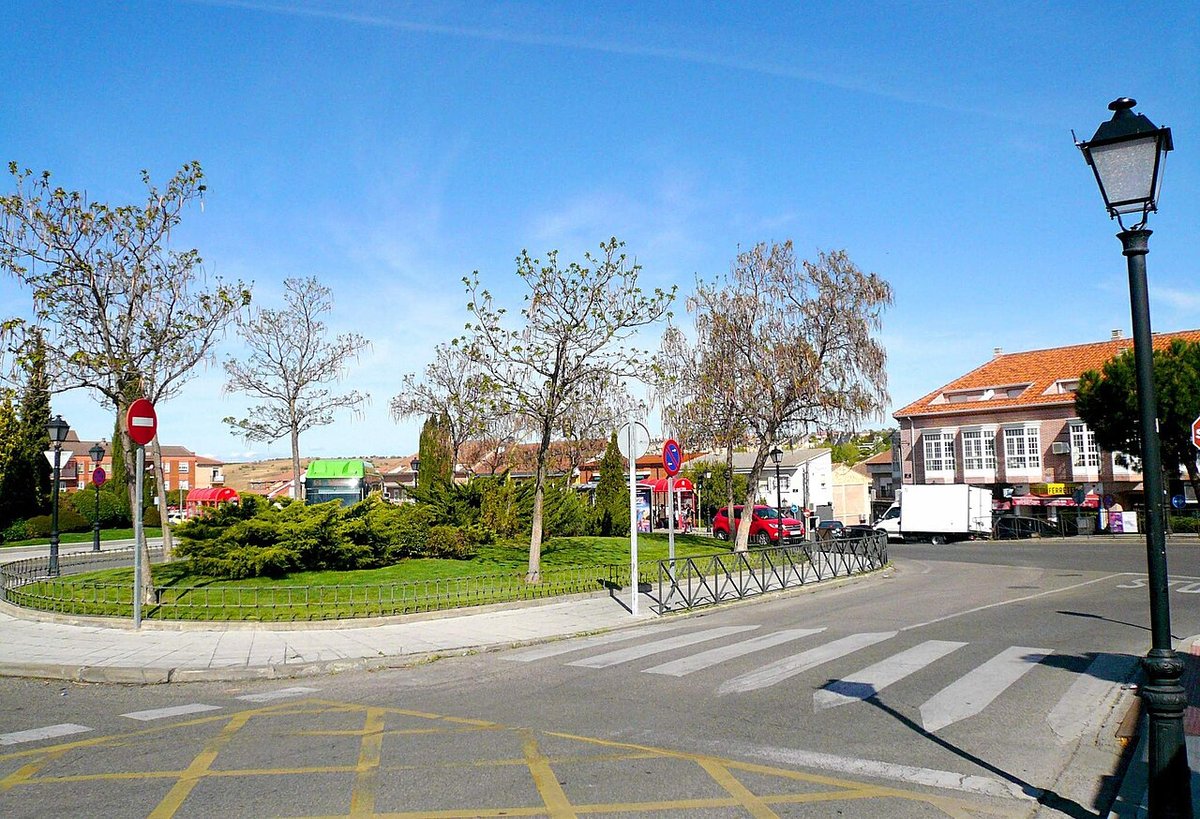
Arroyomolinos has expanded rapidly since the late twentieth century. Terraced housing estates arrived first. Detached houses with gardens followed. Later came blocks of flats facing commercial areas and nearby industrial estates.
That pace of development shows in the wide avenues and the number of roundabouts. It shows each morning in the steady flow of people heading towards Madrid. The town functions partly as a commuter base, and that daily movement shapes its atmosphere.
Even so, quieter moments remain, especially around the Torreón and the municipal park. Early on a Sunday, when the street market begins to pack up, the ground bears the marks of fruit crates and temporary stalls. The bustle fades quickly. In the evening, swings stand empty and the smell of cooking drifts out of open windows as the day cools. At those times, the pace drops and the older village rhythm briefly reappears.
This contrast defines Arroyomolinos more than any single monument. Medieval stone stands within sight of modern housing. Agricultural traces sit beside motorways and commercial zones. Neither element fully replaces the other.
When to Visit and How to Get Around
Spring is often a good season to explore the paths that look towards Batres. In wetter years, fields fill with flowers and the remaining agricultural plots shift in colour as the season advances. The landscape feels closer to its rural origins then, and the Arroyo de los Combos carries more water.
Summer brings a different mood. From midday onwards, conditions turn dry and hot. Early mornings or the end of the afternoon tend to be more comfortable, when the sun drops behind the housing estates and the air begins to move again.
Those arriving by car usually find it simplest to park on one of the streets near the centre and continue on foot. The area around the Torreón is compact and easy to cover, yet it rewards a slow approach. A bench in the park offers time to watch the square. Conversations drift past. The tower rises a short distance away, medieval and solid, surrounded by a municipality that has grown quickly around it.
Arroyomolinos does not promise grand sights or dramatic landscapes. It offers something quieter: a clear view of how places on the edge of Madrid have changed in a few decades, and how older layers still surface in stone walls, in the course of a stream, and in stories about tunnels that may never have existed.