Full Article
about Batres
Historic town linked to Garcilaso de la Vega; its castle is one of the best preserved in the region.
Hide article Read full article
First impressions on the edge of the capital
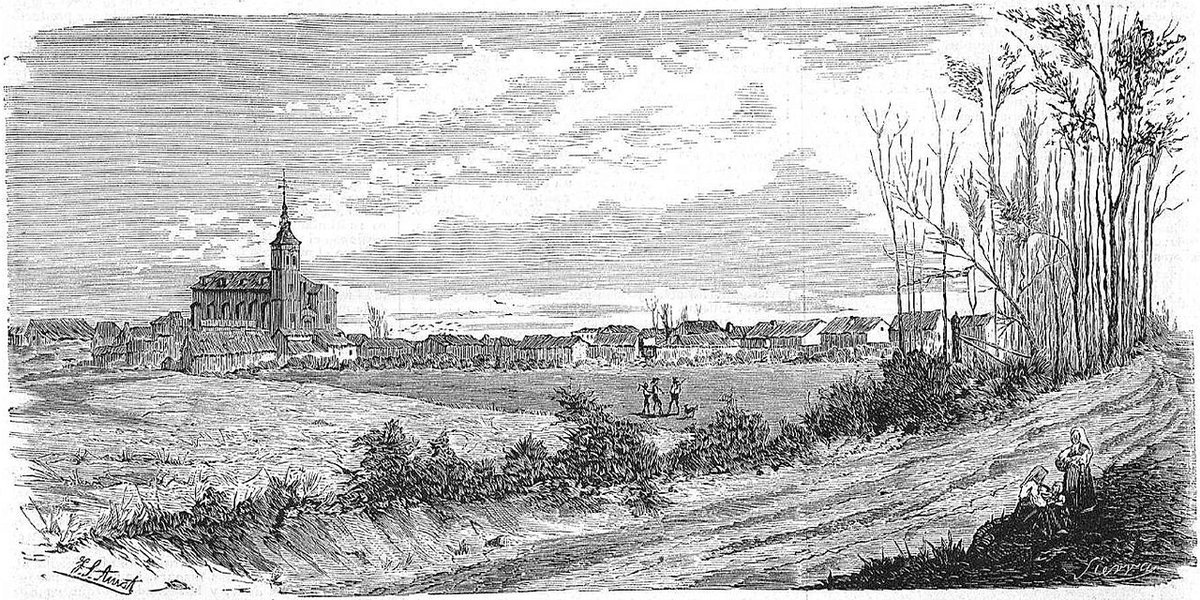
In the early afternoon, when the sun drops at an angle over the open fields south of Madrid, Batres appears almost suddenly after a bend in the road. A handful of low houses, reddish roofs and pale earth all around. Tourism in Batres begins with that feeling of having left the city without really travelling far. Madrid sits about 35 kilometres away, yet the dominant sounds here are usually birds perched on wires or wind moving through dry cereal stalks.
The streets still carry traces of an agricultural past. Whitewashed façades, wide gateways once built for carts, and old iron grilles that have long since lost their shine. As evening approaches, the light softens and slides across the white walls, tracing the shadows of trees. On quiet days, barely a car passes.
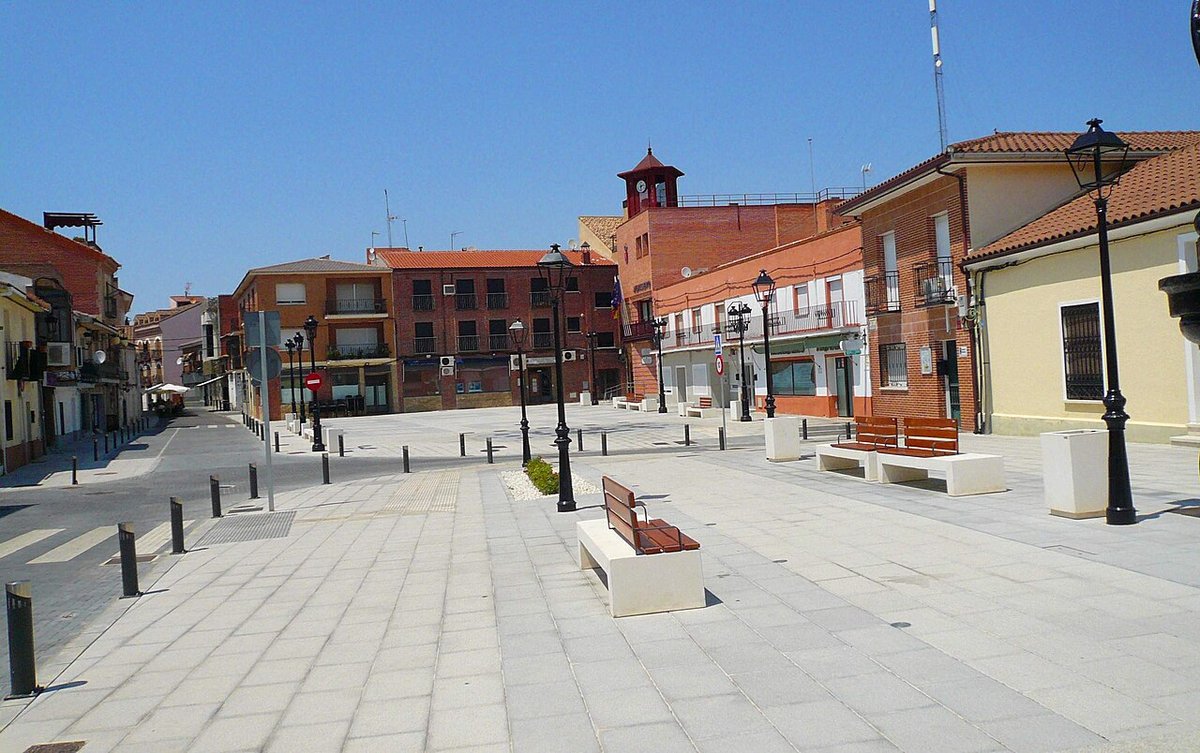
The square and the church of San Pedro
The parish church of San Pedro Apóstol occupies the centre of the village. The current building is generally dated to the 16th century, though later alterations have shaped what stands today. It is a restrained structure. White walls, a simple bell gable, and little else in the way of ornament.
When open, the interior reflects the same simplicity. Exposed wooden beams, stone surfaces, and benches worn by years of use. Even when the doors are closed, the square itself offers a sense of how the village works. At times there are quiet conversations near the benches, at others only the sound of footsteps crossing the ground.
Short streets and traces of rural life
The old centre can be covered quickly. Streets are short and often end in small openings towards the surrounding countryside. It is worth walking slowly and noticing details that disappear if you rush: worn door knockers, wooden gates darkened by years of sun, patches where whitewash no longer fully covers the brick beneath.
This is not a monumental setting. It is, instead, a village that continues to use its long-standing buildings in everyday life.
Paths through fields and open land
From the edges of the built-up area, several rural tracks lead outwards. These are dirt paths or broad trails crossing cultivated plots. The landscape is flat and open. In summer, dry cereal gives the land a straw-coloured tone; in winter, the ground turns darker and damp.
Walking here offers a clear sense of the link between village and farmland. There are no large viewpoints or interpretive signs explaining what you see. Just worked earth, the occasional stone wall, and the sound of insects when the heat builds.
If you plan to walk these paths, early morning or late in the day is best during the summer months. At midday the sun falls directly and there is very little shade.
Festivities and the rhythm of the year
Festivities dedicated to San Pedro are usually held towards the end of June. During these days, activity gathers along the main street and in the square, combining religious events with celebrations organised by the municipality.
In summer, smaller cultural activities and neighbourhood gatherings also appear, often taking place outdoors. Winter brings a much quieter atmosphere, and the village returns to its usual pace.
Getting there and practical notes
From Madrid, the most common route is via the A-42, then joining the M-404 towards Batres. The final stretch follows secondary roads where it is advisable to drive calmly, particularly at sunset.
There is also a connection by interurban bus, although services are not especially frequent. If relying on public transport, it is sensible to check timetables before planning the visit.
A short stop in the south of Madrid
Batres does not require much time. A walk through the square, a few streets in the centre, and a short wander along nearby agricultural paths are enough to form a clear impression of the place.
It works well as a stop within a route through the southern part of the Madrid region. Over the course of a quiet morning, it can be explored without hurry: watching how light shifts across the façades, listening to the wind in the nearby fields, and seeing how the village opens directly onto the landscape that surrounds it.