Full Article
about Casarrubuelos
Small municipality to the south, bordering Toledo; noted for its monastery and traditional fiestas.
Hide article Read full article
Casarrubuelos, visto desde el arcén
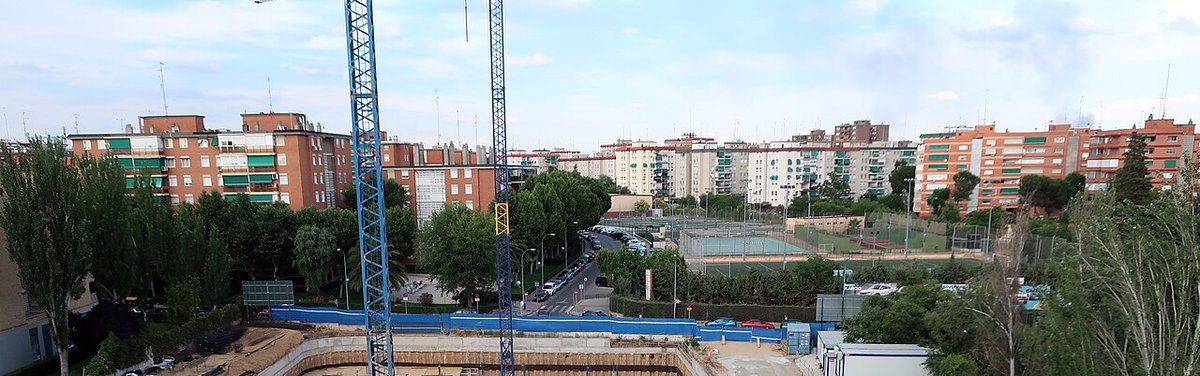
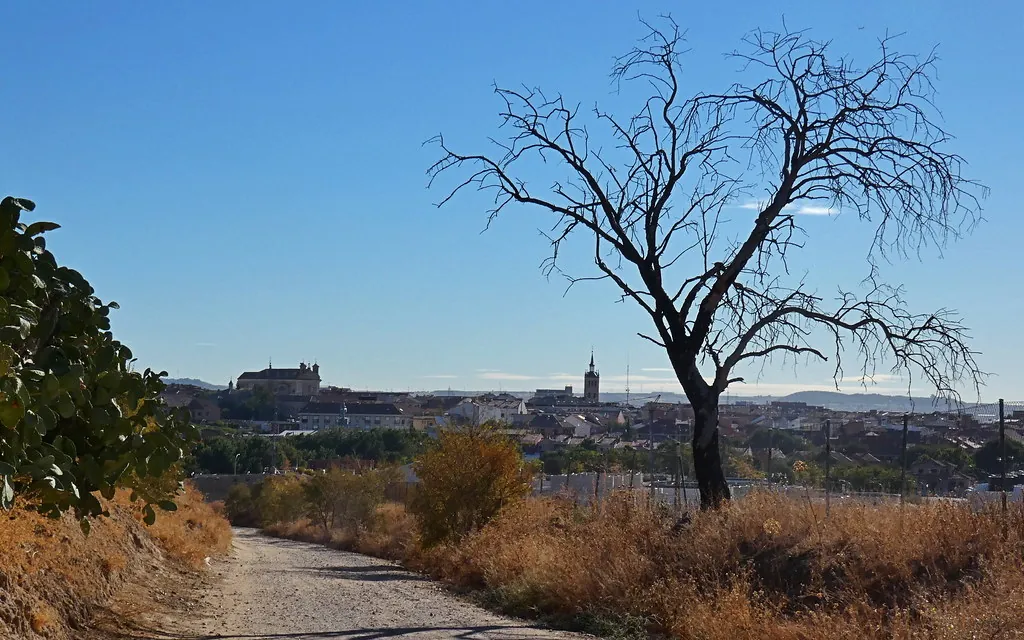
Sabes ese ruido de fondo, constante, que al final tu cerebro decide ignorar? Para Casarrubuelos, ese sonido es la A-42. No está cerca del pueblo; el pueblo está pegado a la carretera. Esa es la primera verdad. La segunda es que casi todo el mundo lo conoce por su silueta desde el coche, un conjunto de tejados y la torre de la iglesia que pasas en un suspiro camino a Toledo o volviendo a Madrid. Parar es otra historia.
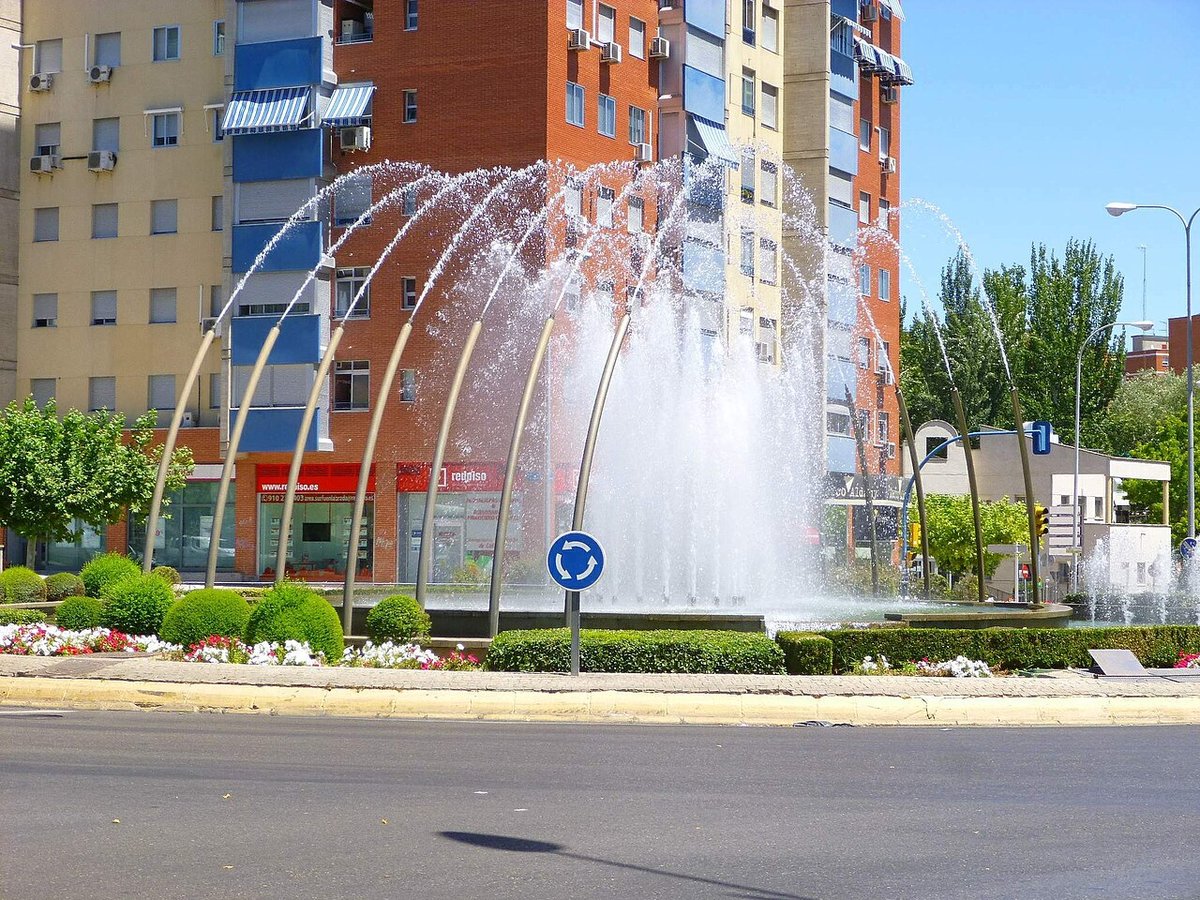
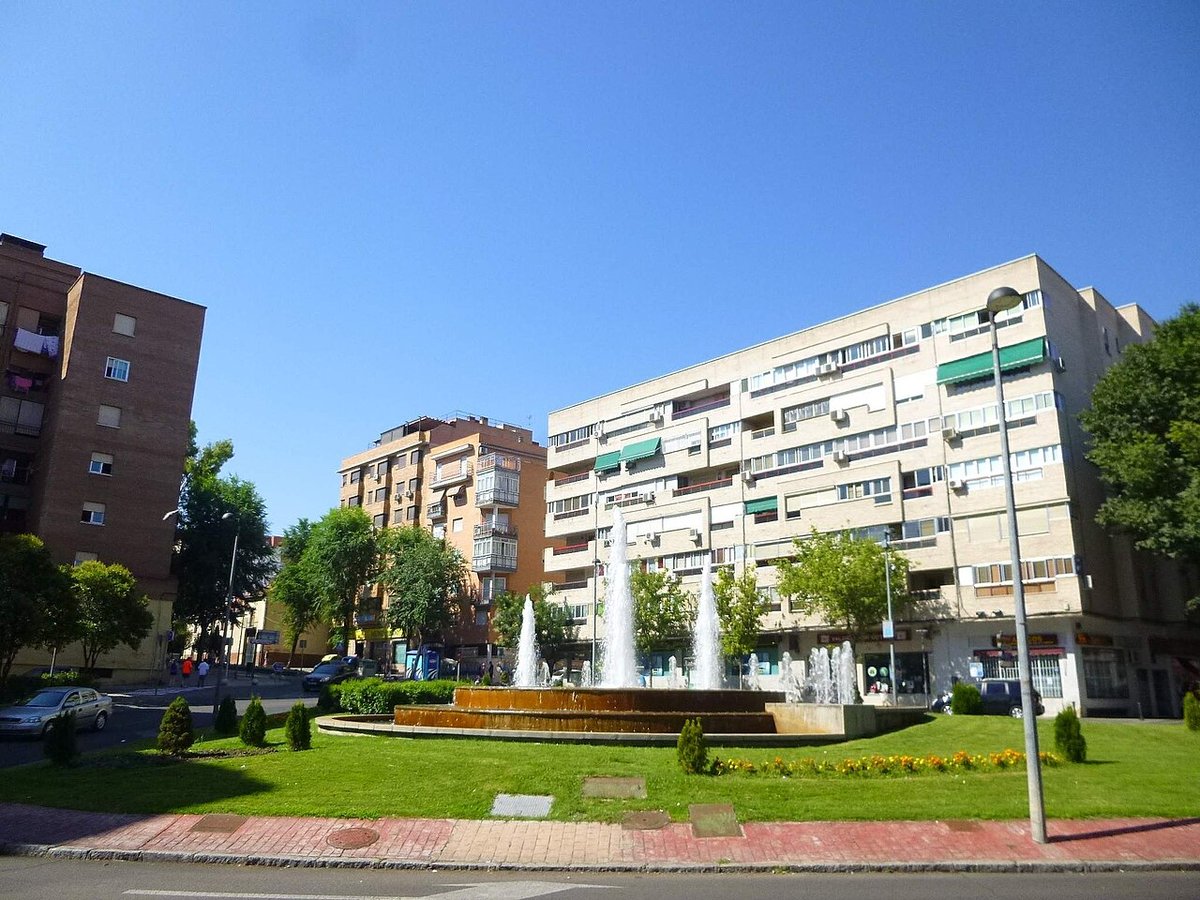
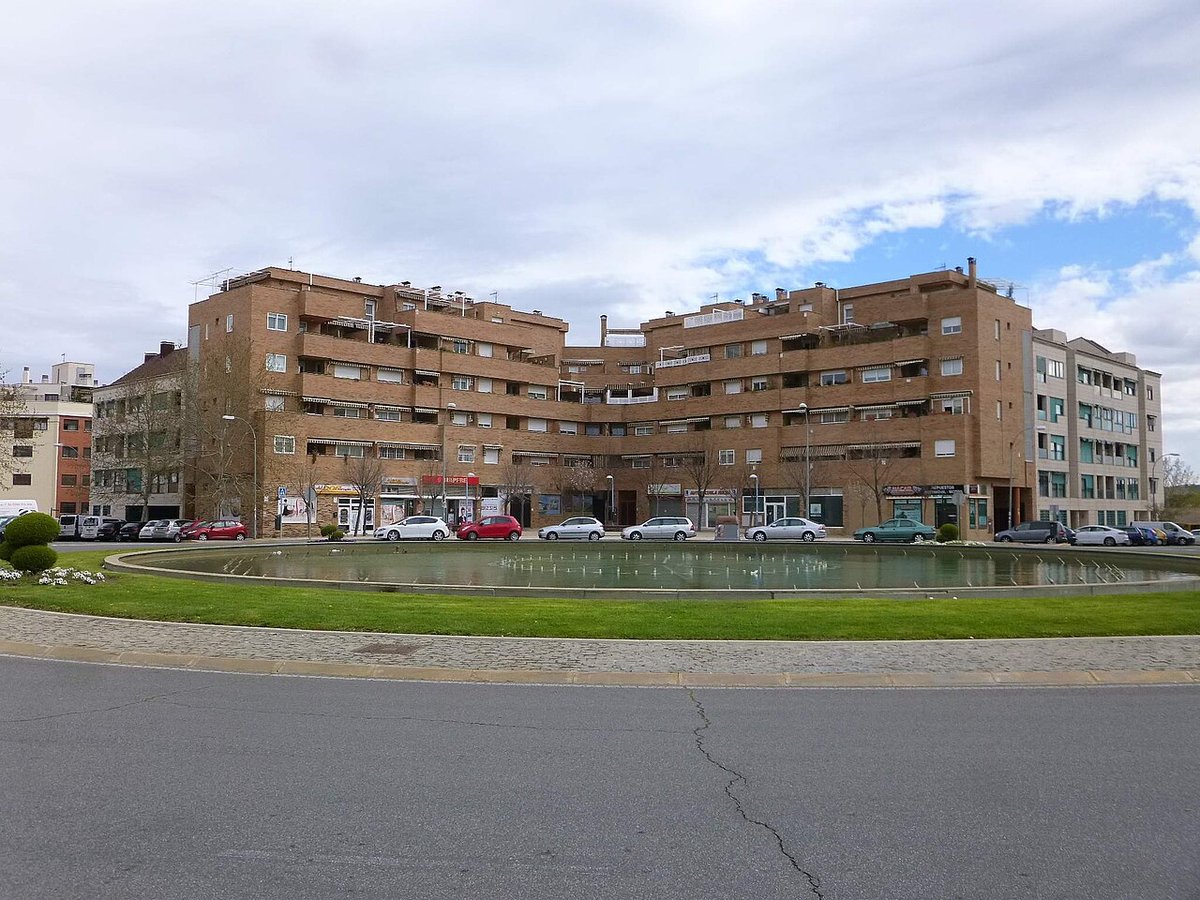
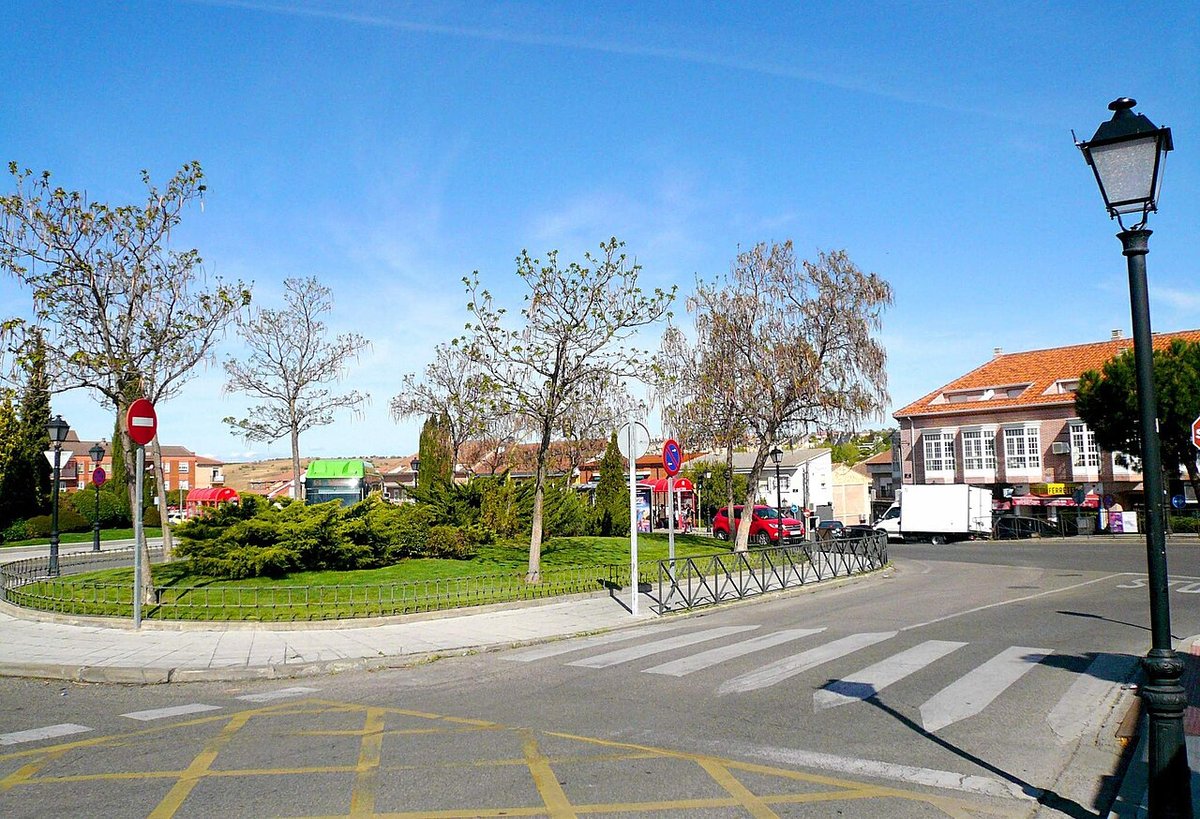
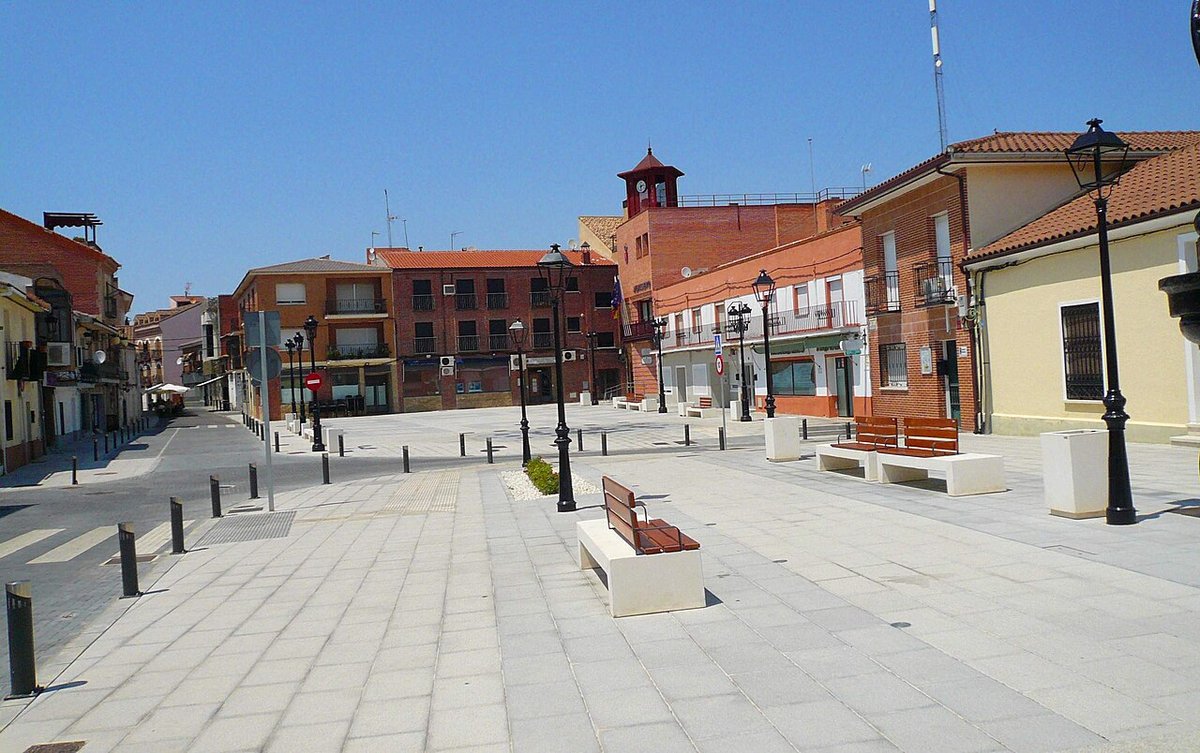
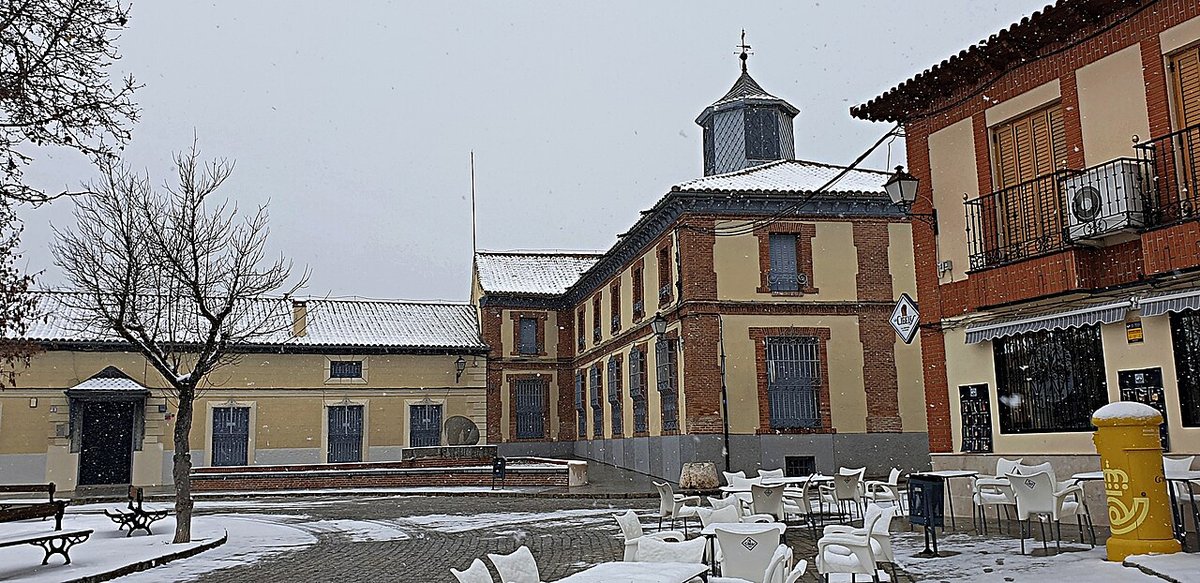
Yo paré un martes cualquiera. La entrada principal te recibe con una rotonda, una gasolinera y naves industriales. Nada que ver con los carteles de "pueblo con historia". Pero das dos vueltas, aparcas junto al ayuntamiento, y de repente estás en una plaza tranquila, con bancos y abuelos charlando. El contraste es instantáneo.
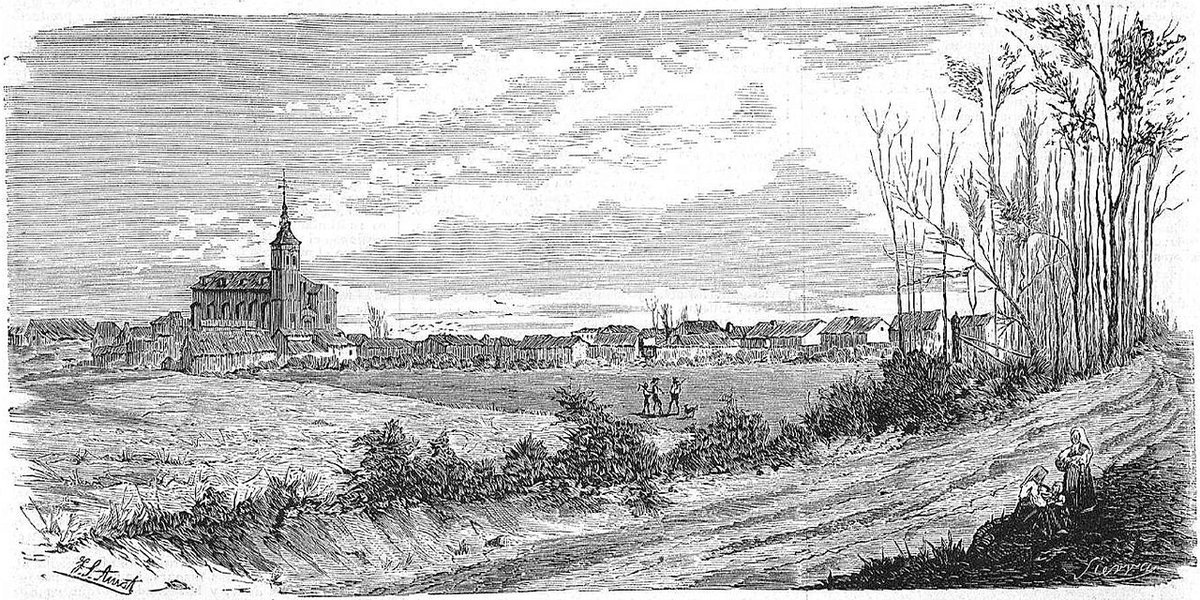
La iglesia de San Andrés está ahí, sin aspavientos. Es la típica iglesia de pueblo que ha visto crecer a varias generaciones. Su torre tiene un aire práctico, como si se hubiera construido para cumplir y punto.
El monasterio que se convirtió en recuerdo
Si hablas con alguien del lugar, antes o después sale el tema del monasterio. No esperes verlo; no queda nada en pie. La historia dice que unos pastores vieron algo aquí siglos atrás y se montó un beaterio, luego un monasterio con cierto peso. Hoy es solo un nombre en los libros y una fiesta.
Esa fiesta es la Vera-Cruz, a primeros de mayo. Hay procesión por las calles, siguiendo un recorrido antiguo. La imagen que sacan ahora no es la original; esa se perdió, como tantas otras cosas, en la guerra. Es curioso cómo un lugar puede mantener viva una memoria sin tener ya el edificio que la originó.
Comer como se come aquí: migas y poco más
No vengas buscando carta degustación ni platos de autor. En esta parte del Sur de Madrid manda lo sencillo. Las migas son el plato estrella en las fiestas. Se hacen en grandes sartenes para compartir: pan, chorizo, ajo... algo así como la versión seria de las palomitas. Son contundentes y saben a lo que son.
La gente es directa. Preguntar por una calle puede derivar en una explicación sobre cómo era el camino antes de la autovía o en qué barrio viven sus primos. Es ese tipo de charla donde te das cuenta de que todo el mundo se conoce.
Llegar sin coche tiene su complicación. Funciona con buses desde pueblos cercanos o desde Madrid. Mucha gente vive aquí pero trabaja fuera, así que a ciertas horas ves el trasiego de coches hacia la A-42.
Un paseo sin pretensiones
Esto no es un pueblo para hacer turismo al uso. No hay miradores señalizados ni rutas de senderismo con nombre propio. Es llano, abierto, y cuando corre el viento lo notas.
Su historia está ligada al campo y a ser paso entre Madrid y Toledo. Ahora es más bien dormitorio para algunos y hogar tradicional para otros. La vida se ve en la plaza: niños en bici, alguien bajando a por el pan, conversaciones en la puerta.
Si vas por la autovía y tienes media hora, merece la pena salirte y dar un paseo por el casco antiguo. En ese tiempo lo ves todo: calles tranquilas, la iglesia, el ritmo pausado.
Casarrubuelos no te va a sorprender con nada espectacular. Y ahí está su punto fuerte: su normalidad es tan real que acaba siendo interesante.
Un apunte práctico: en verano pega el sol de lo lindo. Hay pocas sombras porque el terreno es abierto y los árboles escasean por algunas calles. Lleva agua y gorra; agradecerás ambos