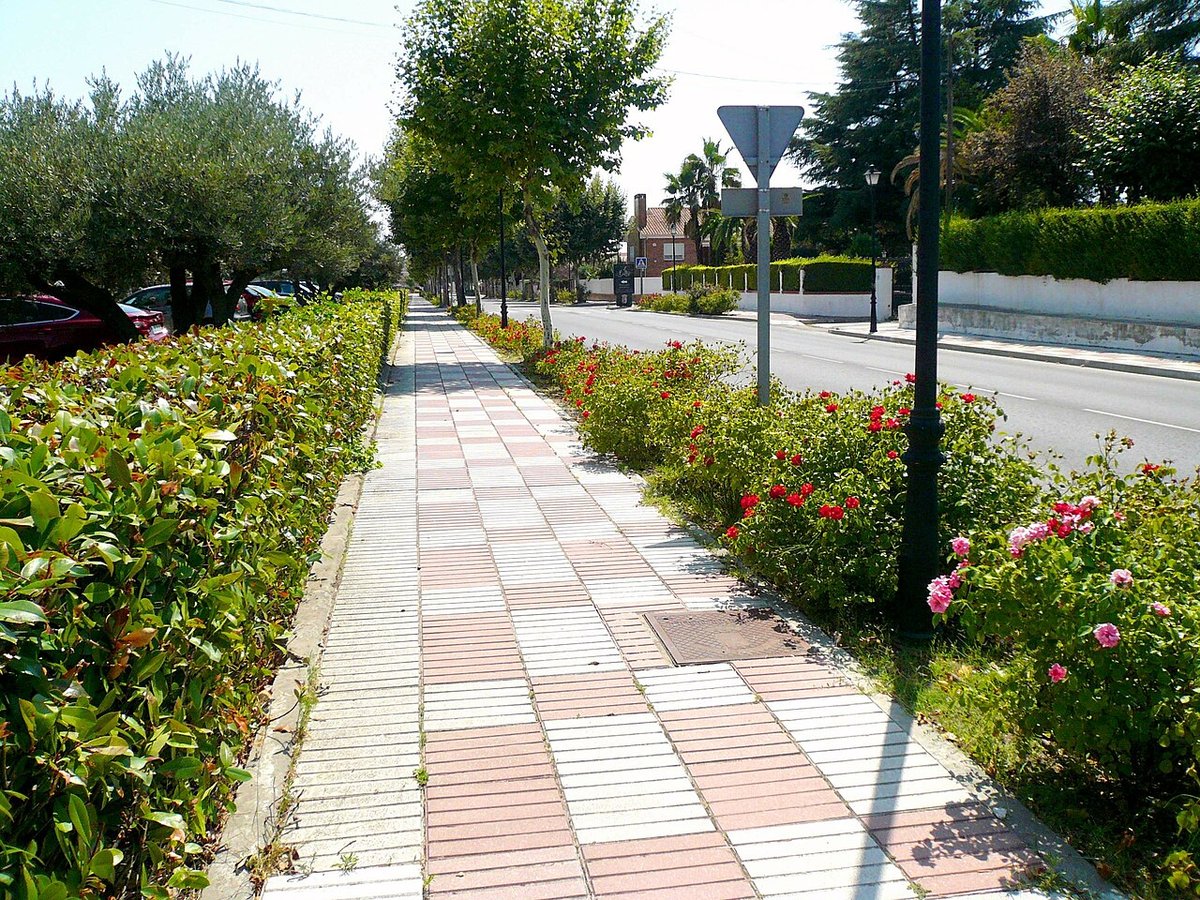
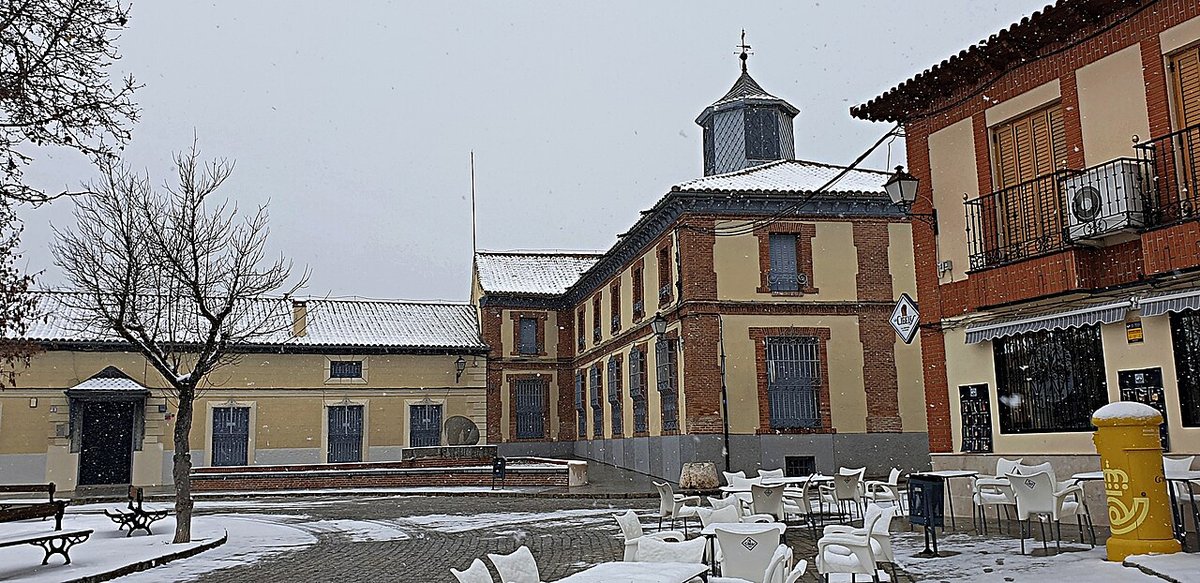
Cubas de la Sagra - Flickr
Txemai Argazki · Flickr 9
Madrid · Mountains & Heritage

Cubas de la Sagra

The 08:04 commuter train to Atocha has already left when Domingo Sánchez starts his second shift of the day: checking the oil levels in the ancient...

7,238 inhabitants · INE 2025
647m Altitude

Why Visit

Convent of Santa Juana Quiet walks

Best Time to Visit

spring

Virgen del Amor Hermoso (May) mayo

Things to See & Do
in Cubas de la Sagra

Heritage

  • Convent of Santa Juana
  • Church of San Andrés

Activities

  • Quiet walks
  • Religious visits
  • Local festivals

Festivals
& & Traditions

Fecha mayo

Virgen del Amor Hermoso (mayo), San Blas (febrero)

Las fiestas locales son el momento perfecto para vivir la autenticidad de Cubas de la Sagra.

Full Article
about Cubas de la Sagra

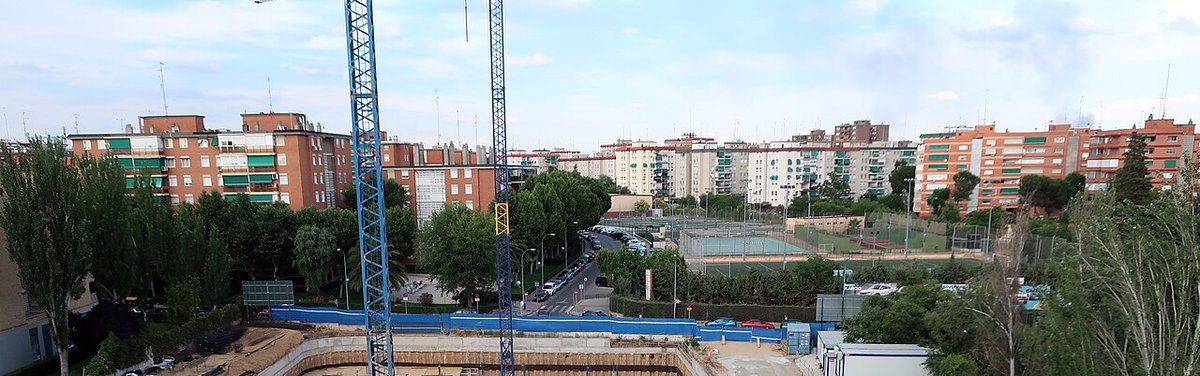
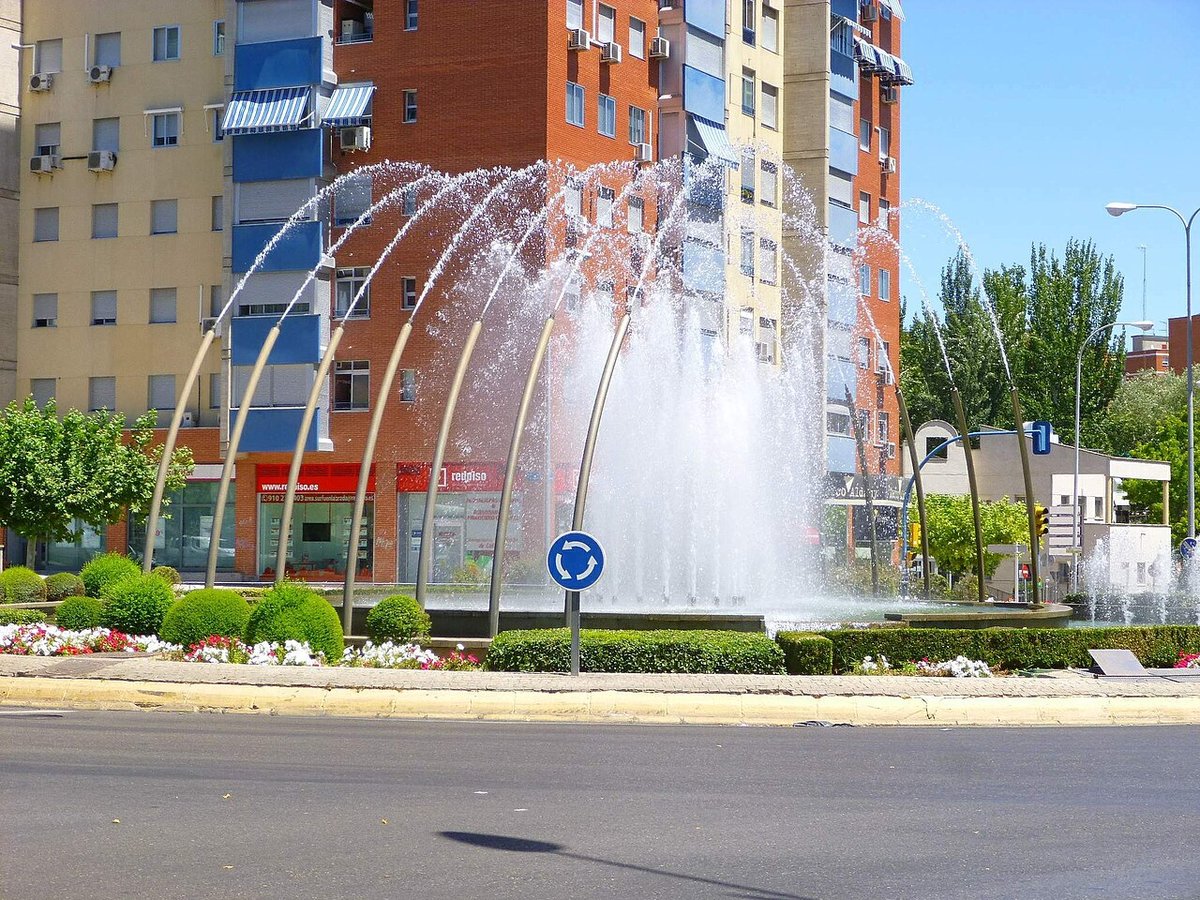
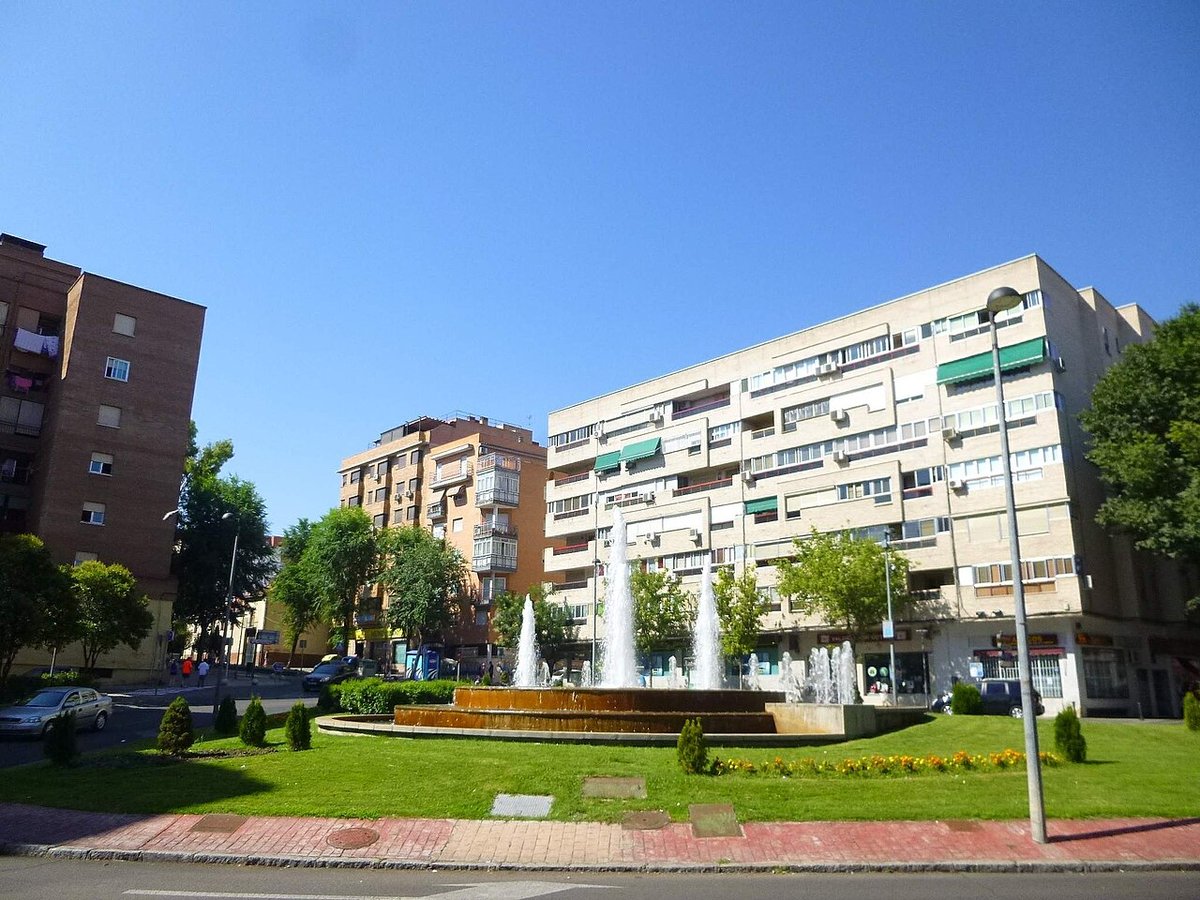
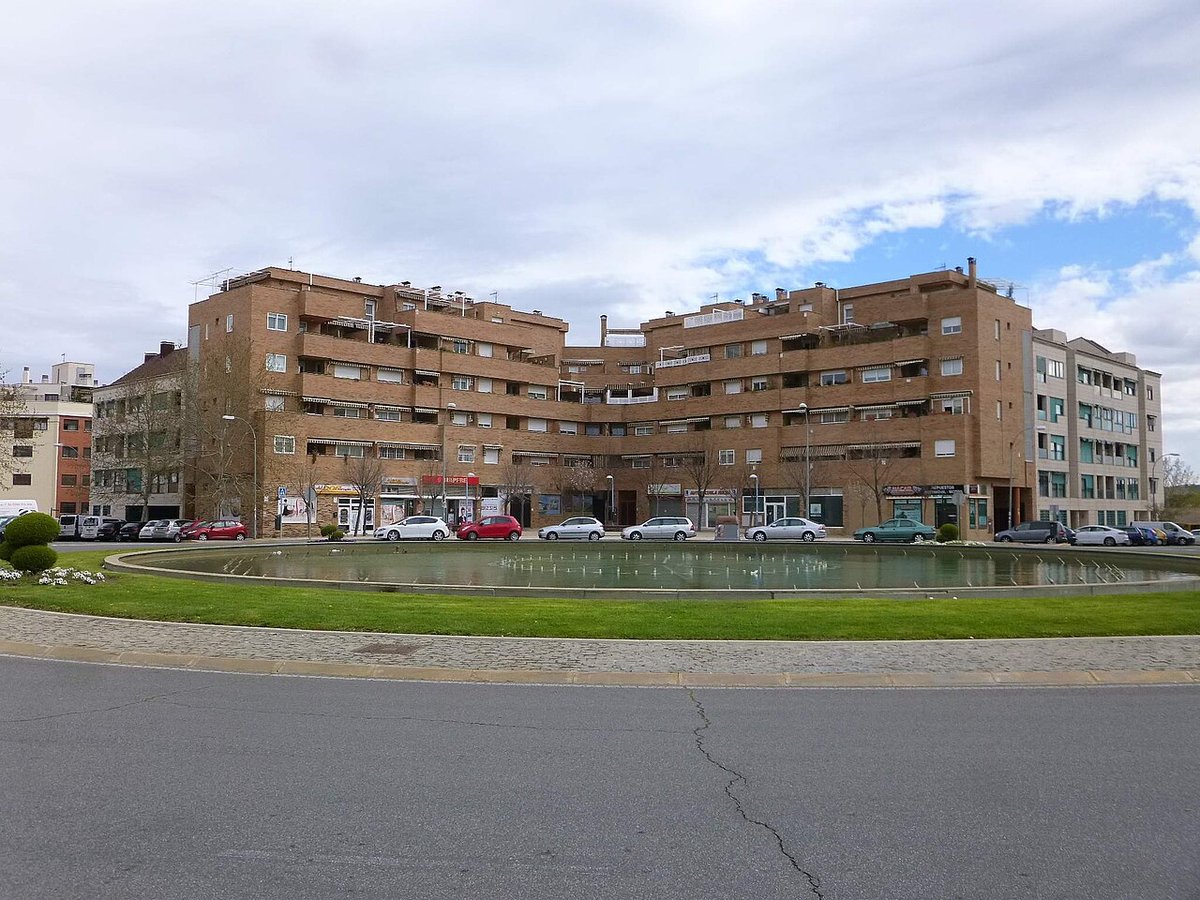
Residential municipality with a major convent; its center keeps the layout of a traditional village.

Ocultar artículo Leer artículo completo

The 08:04 commuter train to Atocha has already left when Domingo Sánchez starts his second shift of the day: checking the oil levels in the ancient trunk that powers the village’s only olive press. Cubas de la Sagra wakes up twice each morning—first for Madrid, then for the fields. By nine o’clock the cereal plains glow bronze and the only traffic jam is a tractor overtaking a cyclist on Calle Real.

A Plateau That Never Made It to the Postcards

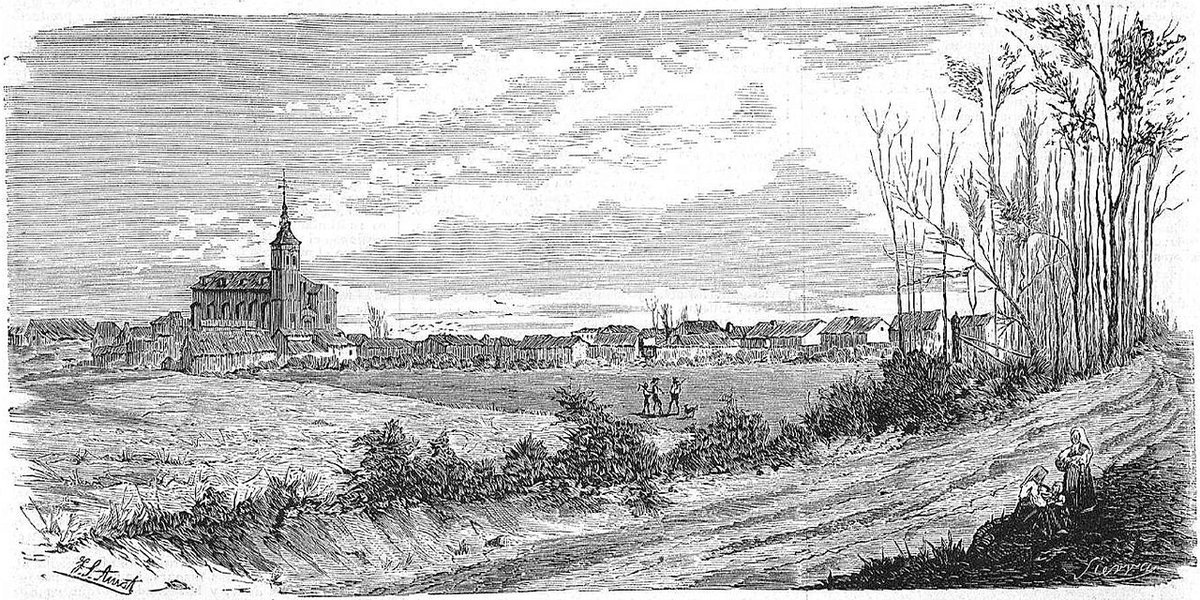
Six hundred and fifty metres above sea level, the Meseta’s wind scrapes across flat clay. There are no dramatic gorges or lemon-scented courtyards here, just a grid of houses that has accreted since the 1560s around the brick tower of Nuestra Señora de la Asunción. The church door is usually locked—ring the presbytery bell and the sacristan appears in house slippers, wiping coffee from his moustache. Inside, the single-nave interior smells of candle wax and damp stone; the retablo was gilded in 1734 with money sent back by villagers who had emigrated to Toledo’s brick factories. Their descendants now board the C-5 Cercanías at nearby Griñón, a twelve-minute drive away, and earn their living in Madrid insurance offices.

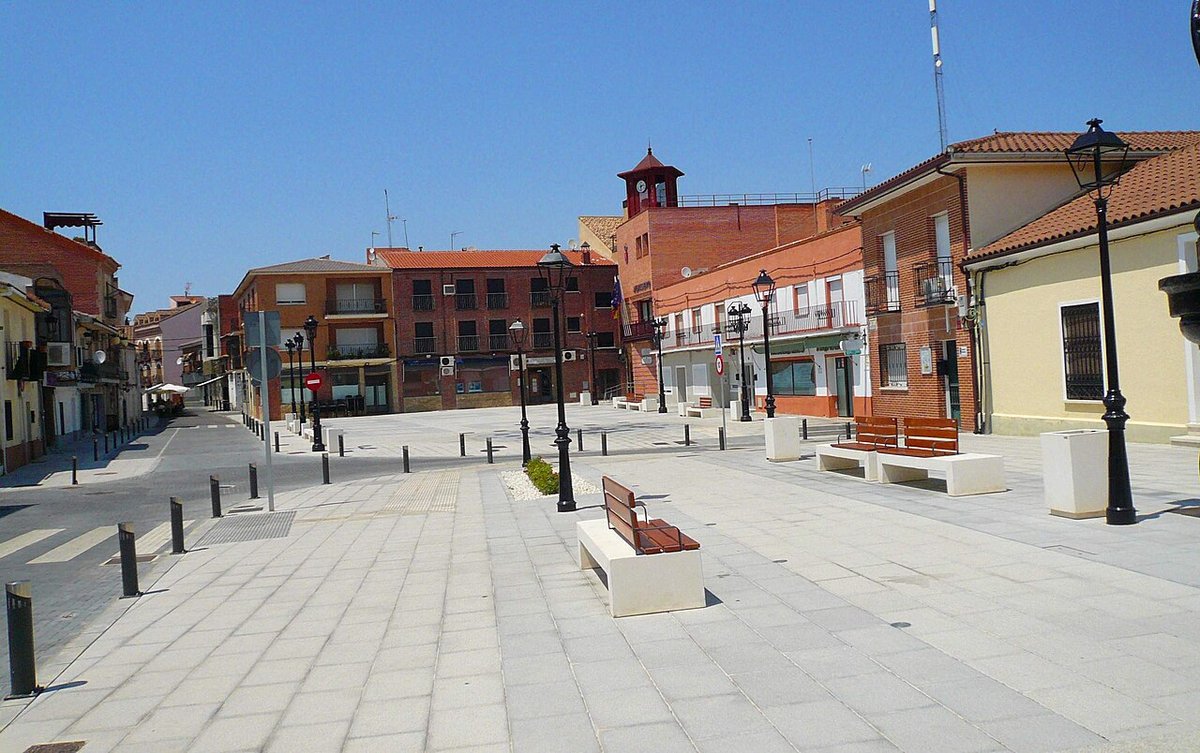
Walk the centre in twenty minutes. Start at the Plaza Mayor, a rectangle of cracked concrete where Saturday’s vegetable stall sells knobbly cucumbers for €1.20 a kilo. The arcades promised by guidebooks never arrived; instead there is a chemist, a Caixa bank with drawn blinds, and Bar California, whose owner keeps a running total of Real Madrid goals on a chalkboard that dates from 1998. Order a café con leche (€1.40, cash only) and you will hear more accents from the capital than from Castilla—second-home owners discussing metro strikes and school catchments.

Olive Dust and Stork Wings

Leave the square by Calle Iglesia and the tarmac turns to dirt between low whitewashed houses whose patios reveal themselves through wrought-iron gates: a bicycle frame, a faded Real Madrid flag, a grandmother shelling peas. At the edge of town the ermita de San Blas squats on a slight rise—only eight metres, yet enough to see the pattern of olive groves that replaced the vineyards after phylloxera. The chapel is unlocked only on 3 February when villagers bring round loaves shaped like scarves for the blessing of throats; the rest of the year its bell tower houses a pair of white storks who clatter their beaks at sunset like castanets.

Follow any farm track west and within ten minutes you are between rows of Cornicabra olives whose trunks are the circumference of a steering wheel. This is not hiking country; the land is dissected by irrigation ditches and the horizon vibrates with heat haze. Spring brings calandra larks and the smell of wild thyme; in July the earth splits and even the lizards seek shade under the plastic drip pipes. There are no signposts, so note the concrete post marked “Km 4.2” before you turn back—miss it and you will end up on the CM-410 ring road, thumbing a lift from a lorry loaded with grain.

Roast Lamb and Metro Tickets

By 13:30 the bars are filling with grandparents wearing housecoats and office workers who have driven the 45 km from Madrid’s Avenida de América. They queue for tables at Casavieja, the only restaurant on the plaza, where the weekday menú del día costs €12 and includes a carafe of local Tempranillo that stains the tablecloth purple. The house speciality is cordero asado—milk-fed lamb slow-cooked in a wood-fired oven until the skin shatters like burnt newspaper. Brits used to mint sauce may find the flavour bland, but ask for a side of patatas paja (thin straw potatoes) and you will understand why Spanish dentists do good business.

Vegetarians survive on tortilla and the roasted piquillo peppers that arrive from nearby Navarre in five-litre tins. Puddings are an afterthought: flan that tastes of condensed milk, or arroz con lechoza scented with lemon peel. Finish by 15:00; the kitchen closes when the last commuter leaves for the afternoon shift.

Fiestas Without the Tour Operators

Mid-August turns the village briefly neon. The fiestas de la Asunción bring fairground rides that are assembled in the municipal car park by men who chain-smoke while tightening bolts. On 15 August a brass band marches behind a statue of the Virgin that is heavier than the Renaults parked along the route; locals shower confetti from balconies and the priest sprinkles holy water on taxis waiting at the rank. Fireworks echo off the brick houses until 02:00, longer than Madrid’s regulations allow, but the Guardia Civil look the other way.

October’s Fiesta de la Vendimia is tamer. A treading barrel is set up in the square for children to stomp grapes that will never become wine; the resulting juice is poured down the drain while their parents drink €2 bottles of Tempranillo from Valdepeñas. If you want authenticity, come on 3 February for San Blas. At dawn the village walks three kilometres to the ermita behind a drummer; by ten o’clock everyone is back in the bars eating rosquillas—dense doughnuts flavoured with aniseed and cheap brandy.

Getting There, Getting Out

Cubas makes sense only as a detour. Hire a car at Barajas, take the A-42 towards Toledo and leave at exit 25; the CM-412 delivers you to the centre in thirty minutes. Parking is free and usually empty except on festival days. Public transport requires patience: Cercanías line C-5 to Griñón, then a taxi that costs €12–15 and must be booked the night before on +34 918 790 011. Buses from Madrid’s Estación Sur reach the neighbouring town of Seseña, but the final 8 km involves negotiating with a driver who may, or may not, be in the mood for a detour.

Staying overnight is possible only if you have friends. The nearest hotel is the Sercotel AB Rivas in Rivas-Vaciamadrid, fifteen minutes away, where functional rooms start at €65 and breakfast is a conveyor belt of churros and lukewarm coffee. Most visitors squeeze Cubas between Madrid’s galleries and Toledo’s cathedrals; four hours is enough to see the church, walk to the ermita, eat lamb and decide whether rural Spain is still romantic when the wifi drops out.

When to Cut Your Losses

Come between mid-March and mid-May when the barley is green and the temperature hovers around 18 °C. In July the thermometer hits 38 °C by eleven o’clock and the only shade is inside the church, locked more often than not. October light flatters the olive groves but bring shoes you don’t mind ruining; after rain the clay sticks like wet cement and the streets turn the colour of milk chocolate. Winter is quiet, bright and freezing—perfect for photographing storks against a cobalt sky, but cafés close early and the lamb is sold out by 14:00.

Leave before you start recognising the dogs. Cubas does not reveal secret Spain; it simply shows what happens when a farming village learns to live with a capital city half an hour away. That tension—combine harvesters parked beside hybrid hatchbacks, grandparents on mobility scooters overtaking men with shepherd’s crooks—is the only spectacle on offer. Take it for what it is, drive back up the A-42, and by the time you reach the M-40 Madrid’s skyline will have erased the smell of olive dust already.

Key Facts

Region
Madrid
District
Comarca Sur
INE Code
28050
Coast
No
Mountain
No
Season
spring

Livability & Services

Key data for living or remote work

2024
ConnectivityFiber + 5G
TransportTrain nearby
HealthcareHospital
EducationHigh school & elementary
Housing~5€/m² rent · Affordable
CoastBeach nearby
Sources: INE, CNMC, Ministry of Health, AEMET

Planning Your Visit?

Discover more villages in the Comarca Sur.

View full region →

More villages in Comarca Sur

Traveler Reviews