Full Article
about El Álamo
Border town near Toledo, known for its medieval fair; blends new housing with historic traditions.
Hide article Read full article
Mornings on the edge of the capital
Church bells ring out at seven in the morning and the smell of fresh coffee blends with damp earth from the cereal fields. From a terrace on the square, the light slowly lifts across red roof tiles while a farmer starts his car and heads towards the market gardens of the vega. This is part of what defines tourism in El Álamo: the feeling of being close to Madrid yet moving to a different rhythm. The capital sits around forty kilometres away, but here the day usually begins earlier.
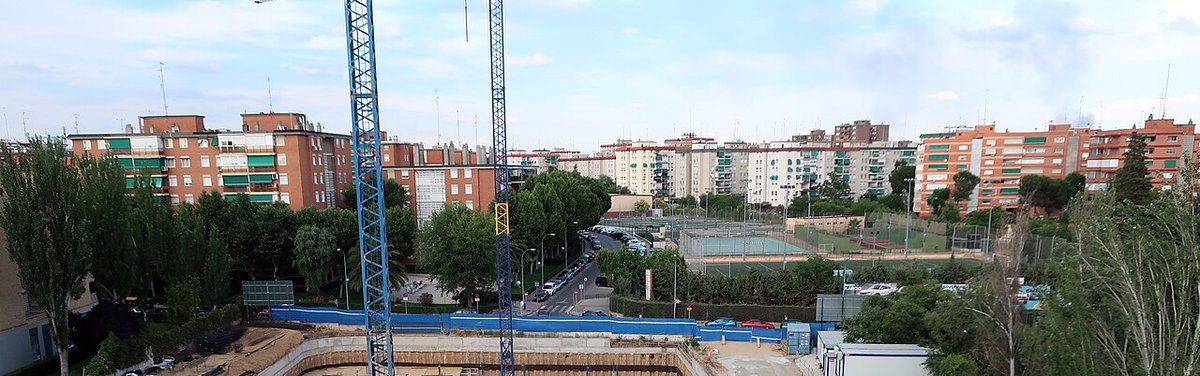
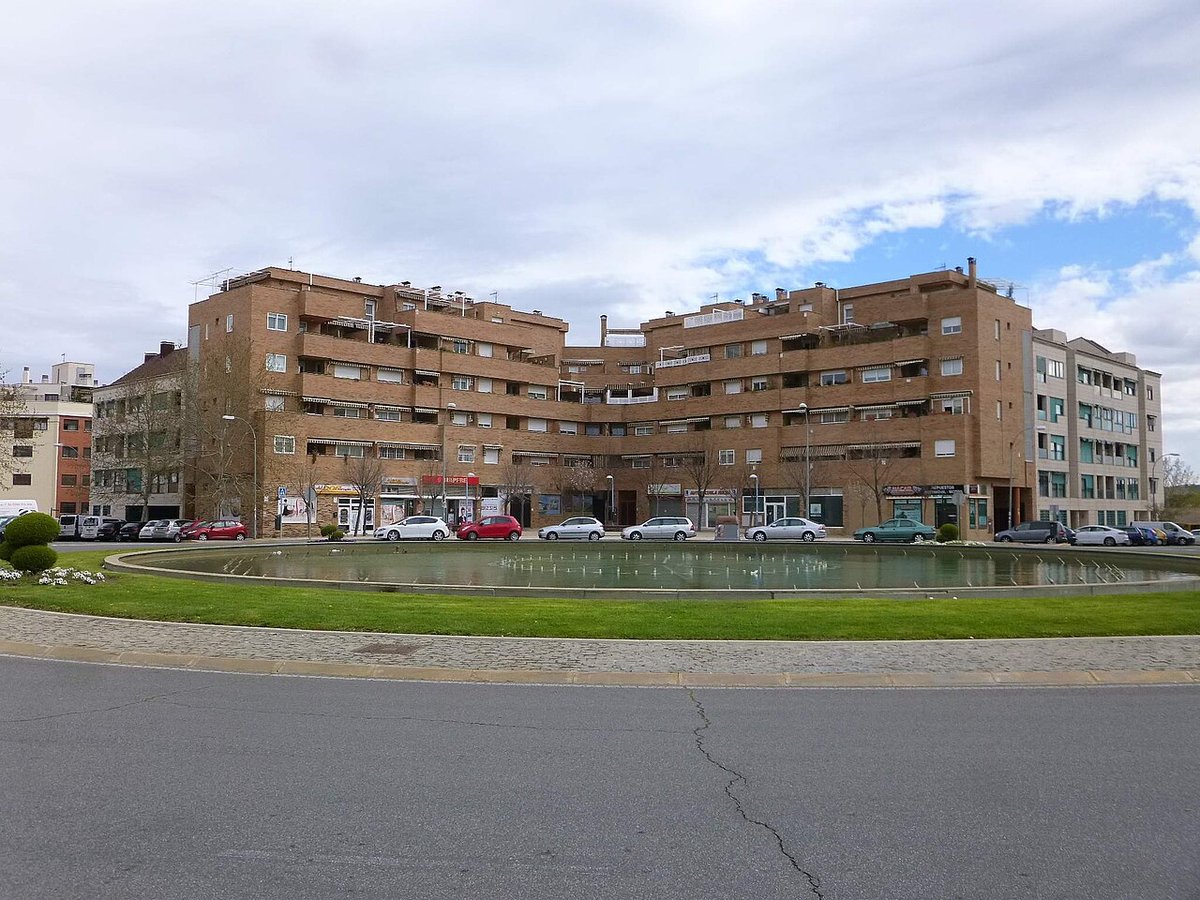
Arriving from Madrid takes less than an hour by car. The transition is subtle. One moment there are busy roads, the next you are entering the town between newer housing developments and the streets of the older centre. It does not announce itself loudly, and that quiet arrival sets the tone.
Where two poplars gave a name
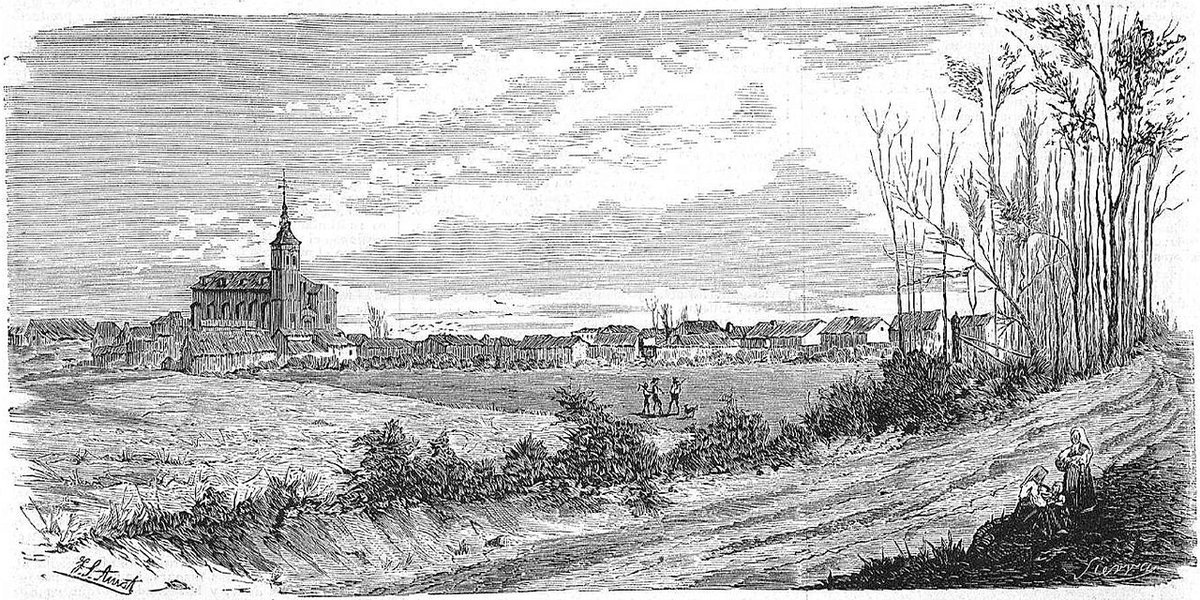
The name El Álamo comes from two poplar trees that, according to local tradition, once served as a reference point for travellers on the old Camino Real de Extremadura. Around a roadside inn that functioned as a stopping place, a settlement began to grow. By the 17th century it had gained the status of a villa, at a time when the area already had a certain level of agricultural activity and passing trade.
Part of that historic route now coincides with modern, busy roads, yet traces of earlier times remain. Near one of the main junctions stands a granite roadside cross, often mentioned as one of the oldest elements in the municipality. Its edges are rounded, worn down by time and by the hands that have touched it over generations. On quieter days, the only sound is distant traffic.
The vega that feeds Madrid
Heading down towards the Guadarrama vega, the landscape shifts. Open cereal fields give way to a greener strip where market gardens, low greenhouses and small plots appear, separated by irrigation channels known as acequias. In summer it is common to see peppers laid out to dry or piles of freshly picked tomatoes.
A local version of gazpacho is prepared here, quite different from the better-known Andalusian one. It usually includes roasted red pepper, tomato and stale bread, resulting in a thicker texture. It is sometimes served with pieces of fried bread on top.
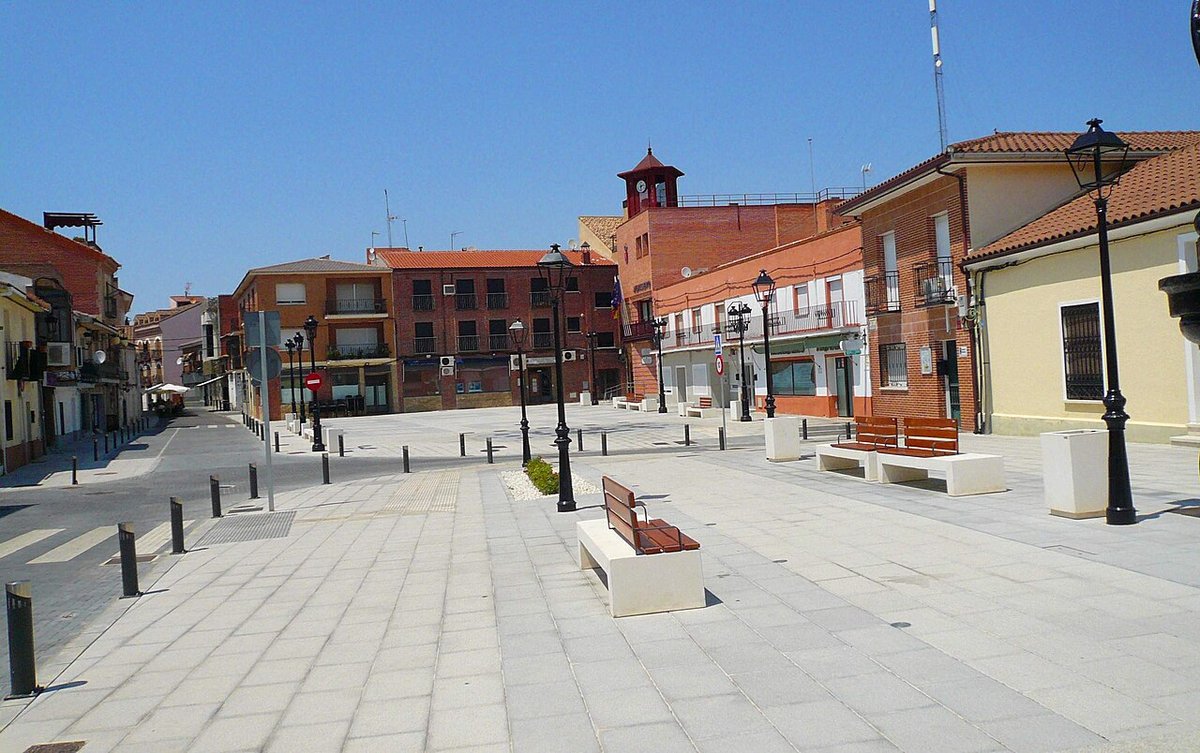
Market days, traditionally held midweek and again before the weekend, bring the square to life. Stalls fill the space and conversations stretch on between neighbours. Produce from the area is sold alongside pulses from the vega and simple sweets that smell of aniseed and toasted sugar even before they come into view.
When the town steps into the past
In mid-May, El Álamo changes for a few days. Streets in the centre fill with stalls selling crafts, fabrics, spices and leather goods. Residents dress in clothing inspired by medieval styles, and the squares become stages for performances and music. This is the medieval market, well known in the southern part of the Madrid region, and it draws visitors from nearby towns over the weekend.
Another busy moment arrives at the end of August during the fiestas of the Santísimo Cristo de la Salud. At that time, people who have long kept homes here return, and the atmosphere stretches late into the night. Orchestras play in the square, conversations continue on terraces, and families gather around the same tables they have used for years.
Walking into the quiet of the vega
To understand the landscape around El Álamo, it helps to walk out towards the Guadarrama vega. Several agricultural paths allow for circular routes through market gardens, poplar groves and irrigation channels. At sunset, the dominant sounds are water moving slowly through the acequias and the wind brushing through the tall leaves of the poplars.
In autumn, the colours change quickly. The edges of the paths turn yellow and gold while the sky often remains clear. It is one of the best times to walk here, when the heat has eased and tractors make their slow return to the town.
Along some of these paths, there are still mentions of an old flour mill that once operated using water from the vega. It now forms part of a private property, though from the path it is possible to glimpse traces of the structure among the vegetation.
Finding the right moment to wander
In August, during mid-afternoon, heat settles over the asphalt and there is little shade in the square. Summer visits are easier if you set out early or wait until the sun begins to drop.
Spring tends to be the most pleasant time to explore the surroundings. The cereal fields remain green and poppies appear along the dirt paths. September also has its appeal, once the fiestas have ended and the town returns to a calmer pace.
That is when El Álamo becomes clearer. Neighbours sit on benches as evening falls, conversations drift between topics like the harvest or the weather, and the sense persists of a place that lives close to Madrid while keeping, in many corners, a different cadence.