Full Article
about Fuenlabrada
Large southern city with a strong working-class identity; known for its university and cultural and sports offerings.
Ocultar artículo Leer artículo completo
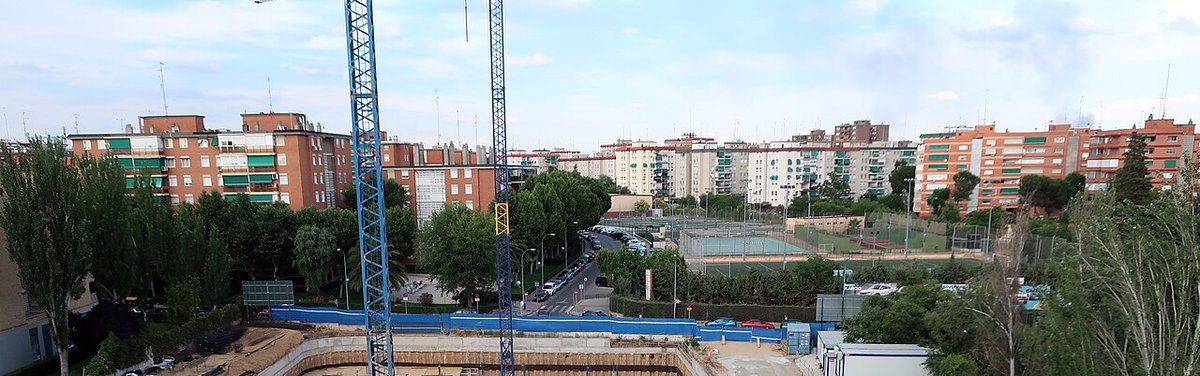
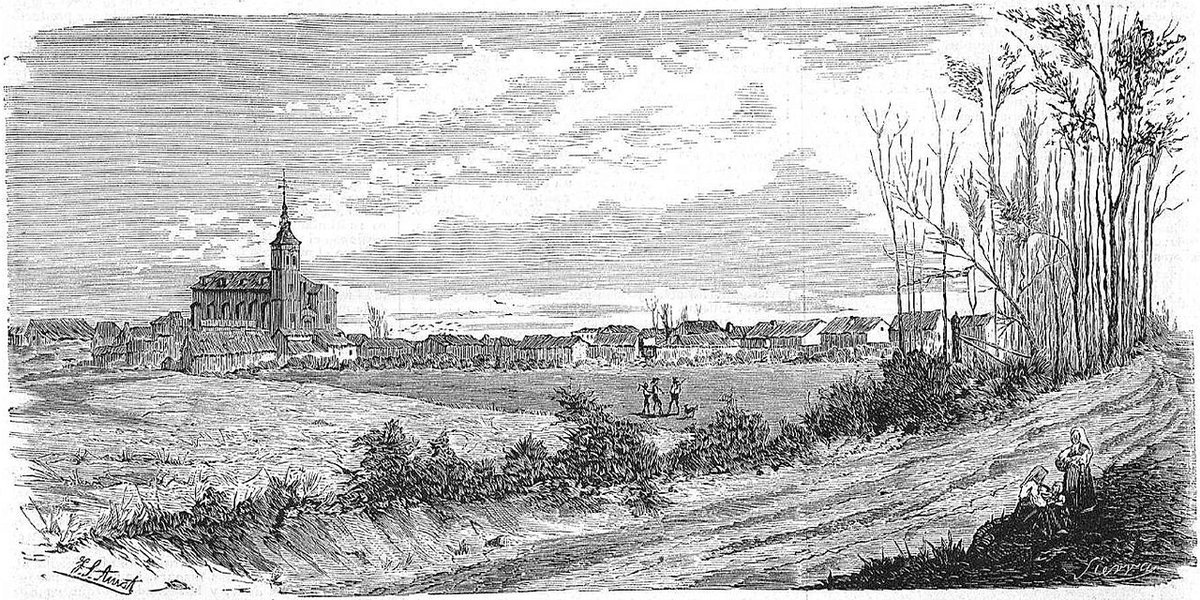
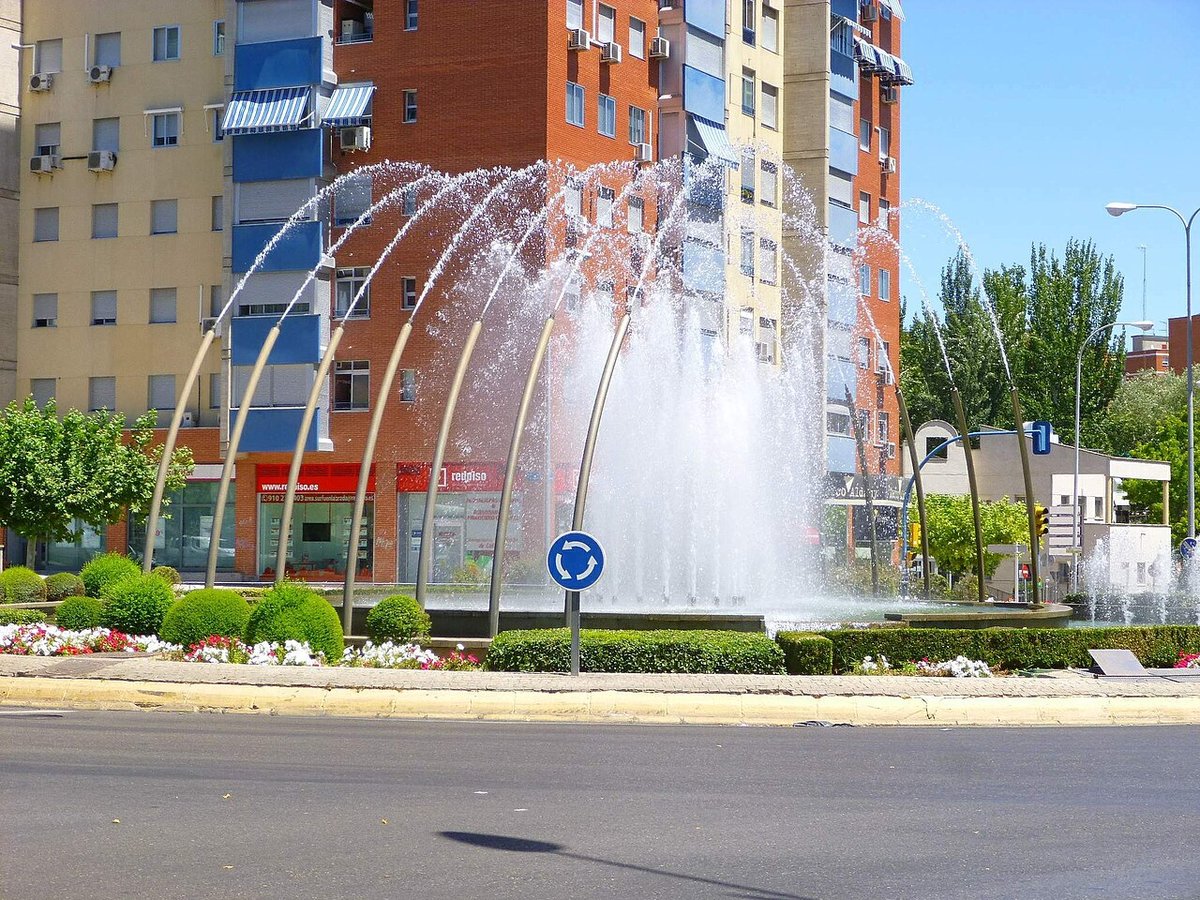
At 664 metres above sea level, the wind whips across the meseta with nothing much to stop it. Fuenlabrada sits on Madrid's southern fringe, a city of 190,000 that grew from dry farmland in the 1970s to house the capital's expanding workforce. What it lacks in medieval quarters it makes up for in everyday Spanish life at half the price of central Madrid.
The morning commute tells the story. By 7:30 am, the Cercanías platforms at Fuenlabrada Central fill with office workers clutching café con leche from the station kiosk. Twenty-five minutes later they emerge at Sol, having paid €2.05 for the journey – roughly what a single tube fare costs within Zone 1. This practicality defines the place: a residential engine room where families actually live, rather than a prettified tourist satellite.
The Centre That Isn't Old
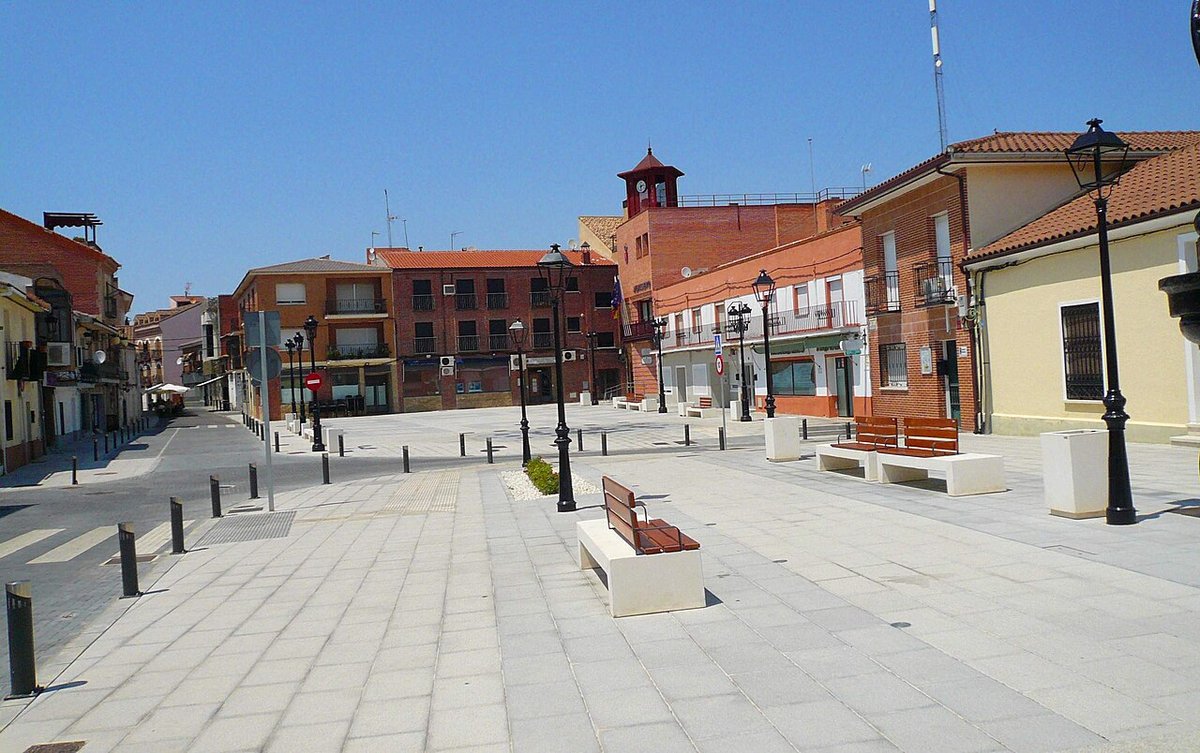
Start at the Iglesia de San Esteban Protomártir, the 16th-century church that anchors what locals call the casco antiguo. The tower shows Mudéjar brickwork, a reminder that this was once proper Castilian farmland, but the building occupies barely half a block. Around it, the historic quarter amounts to three streets of bakeries, betting shops and bars where elderly men argue over football at 11 am. Nobody's pretending it's Toledo.
The church usually opens around 10 am, depending on whether the caretaker's arrived. Inside, the Gothic-Renaissance blend is understated – no gold-encrusted altarpieces here, just solid provincial craftsmanship. Take five minutes, then cross Plaza de San Esteban to Churrería La Cibeles for churros that arrive curled like golden telephone cords. A portion costs €2.40; the chocolate is thick enough to stand your spoon in, exactly as it should be.
Parks Versus Concrete
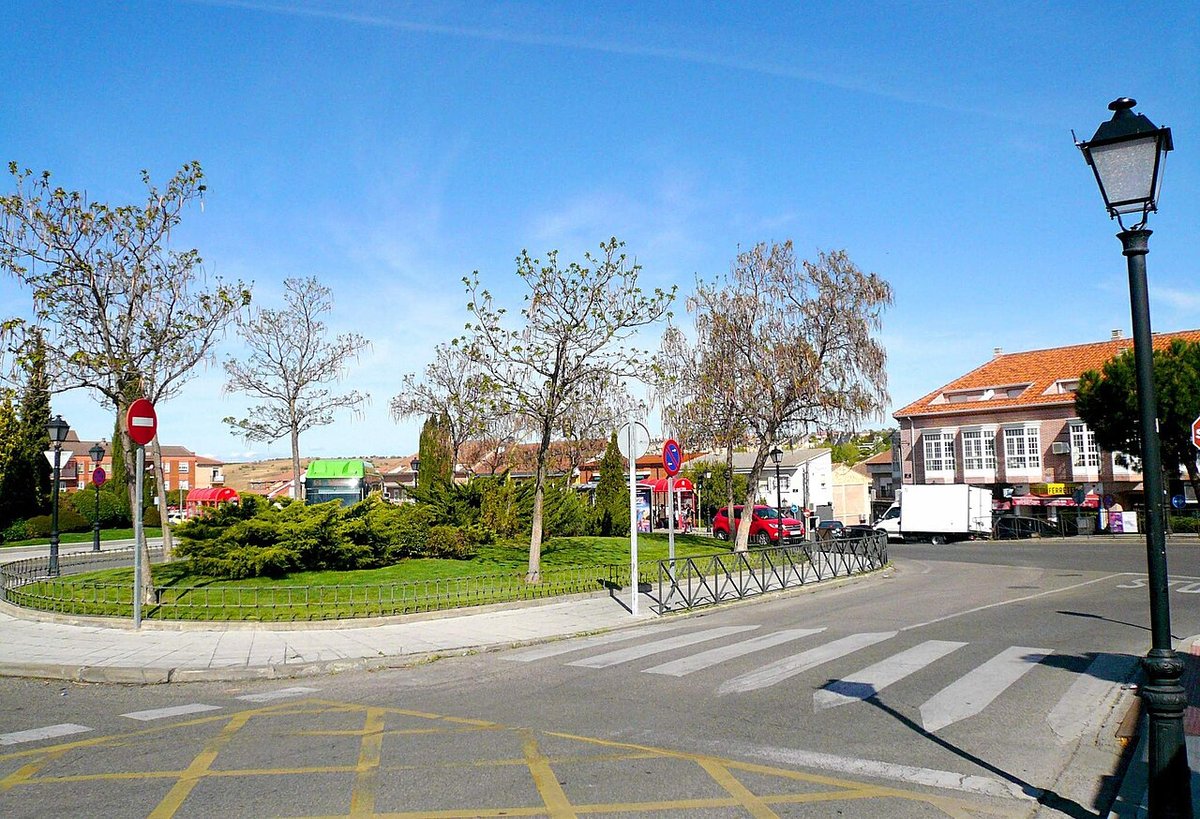
Fuenlabrada compensates for its architectural youth with decent green space. Parque de la Pollina, ten minutes' walk north, wraps two artificial lakes with paths that fill quickly after school finishes at 2 pm. Little egrets sometimes land on the reeds, improbable visitors amid the apartment blocks. Early evening works best – the heat softens, pensioners power-walk in tracksuits, and teenagers share headphones on benches.
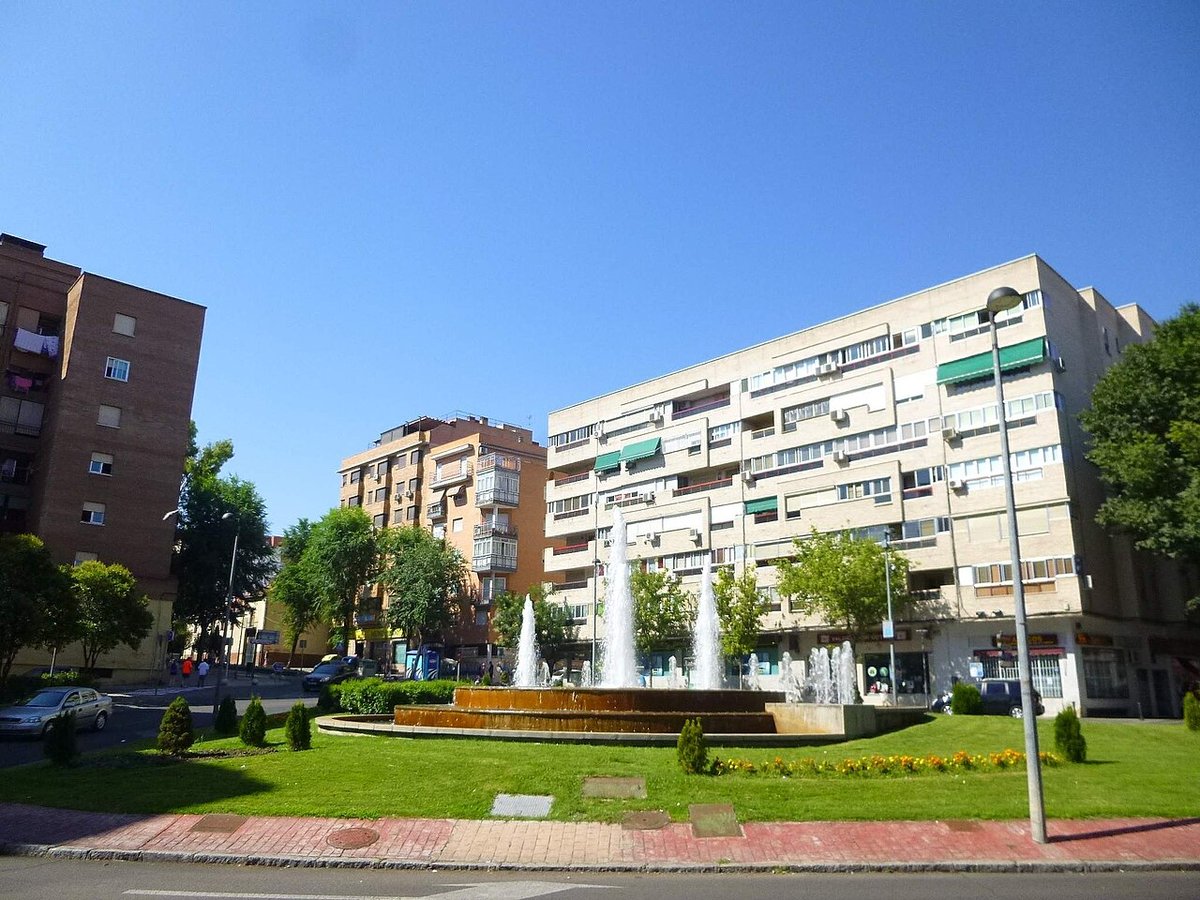
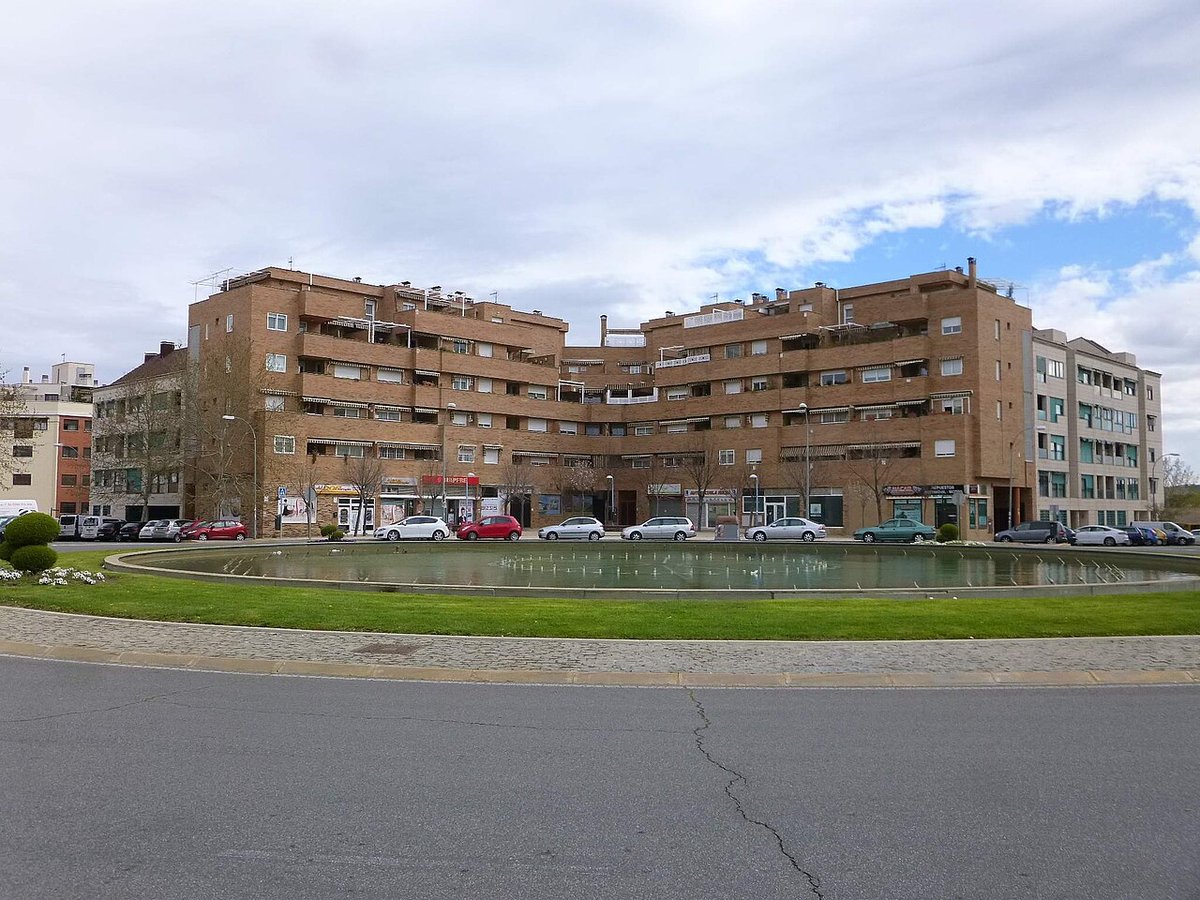
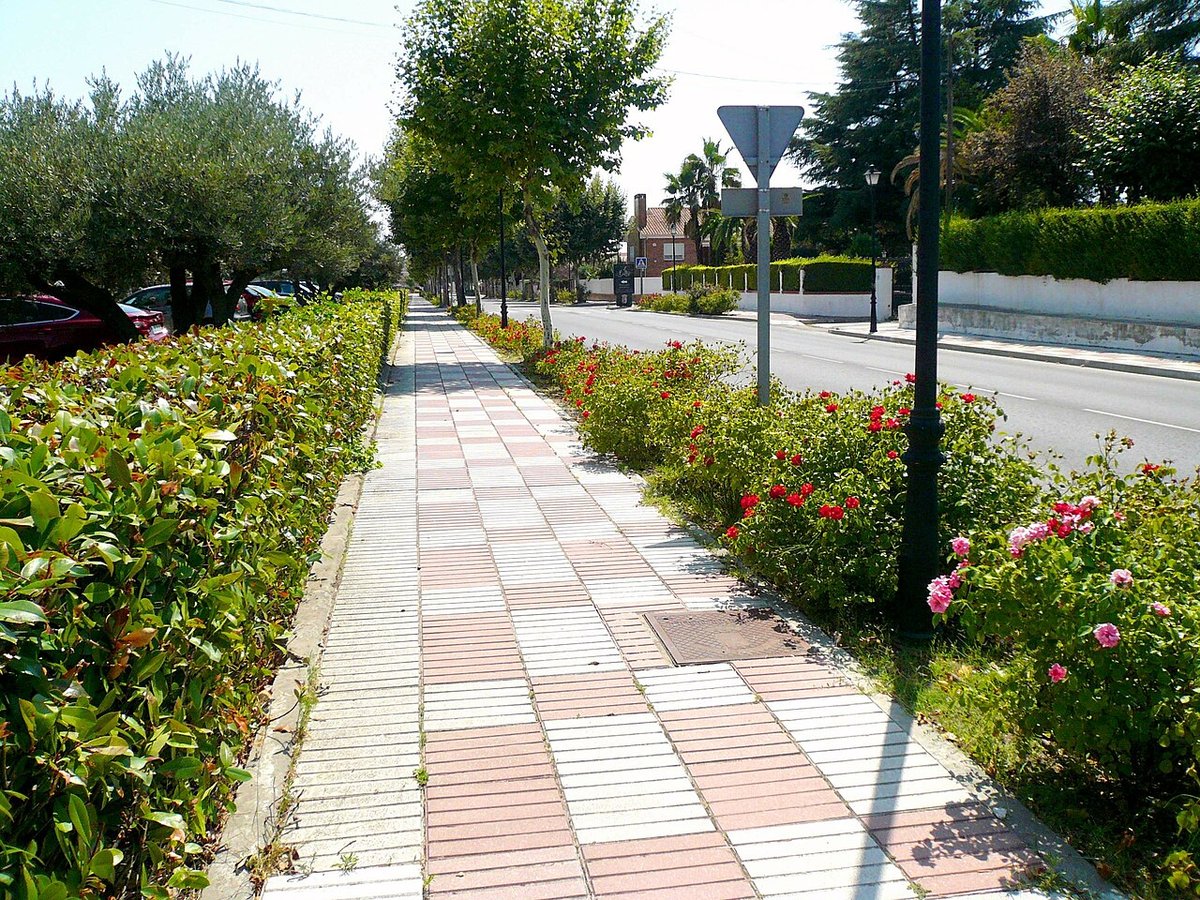
For a wider horizon, head west to Cerro de los Gamos, a low hill that passes for local topography. The climb takes fifteen minutes through eucalyptus and pine; at the top Madrid's skyline shimmers faintly in the distance,while the city below reveals its grid logic: straight avenues named after scientists, uniform six-storey blocks, schools every kilometre. It's hardly wilderness, but on a clear day you can see the Guadarrama mountains – Madrid's residents can't from street level.
Culture in a Grain Silo
The Centro de Arte Tomás y Valiente occupies a converted cereal silo on Calle de la Innovación. The brutalist concrete has been sliced open to create galleries where rotating exhibitions range from Spanish photography to industrial design. Entry is free, and the bookshop stocks decent English-language catalogues. Check opening times online; Tuesday afternoons are usually quiet, while school groups swarm on Friday mornings.
If the centre's closed, the alternative is people-watching at Mercado de Fuenlabrada (Tuesdays and Fridays 9 am–2 pm). Under the aluminium canopy, stallholders shout prices for judiones (giant butter beans), morcilla from nearby Burgos, and plastic tubs of migas fried with chorizo. Accept the free samples even if your Spanish stalls – vendors are used to foreign spouses of local residents.
Eating Without the Old Town Mark-Up
Restaurant prices drop 20 percent the moment you cross the M-50 orbital. Mesón El Labrador on Avenida de la Hispanidad serves lechazo (milk-fed lamb) roasted in wood-fired ovens; half a portion feeds two comfortably, especially if you start with garlic soup. They'll provide an English menu without smirking, and house red arrives in a plain glass bottle that costs €7.
Sunday lunchtime is serious business. Families occupy tables from 2 pm onwards, children dart between chairs, and the waiters know grandparents' preferences without asking. Try to arrive before 3 pm – kitchens close by 4:30, and evening service is rare. If you miss the window, Cafetería Maná opposite the town hall does toasted sandwiches, decent coffee, and cakes that taste of childhood even if you didn't grow up here.
When to Come, How to Move
Spring and autumn offer the kindest light. Summer highs brush 38 °C; parks empty at midday, life resumes after 6 pm. Winter brings crisp air and cocido stews, but daylight is short and the wind whistles between tower blocks. Aim for April–May or September–October, when walking is pleasure rather than endurance.
Fuenlabrada has two Cercanías stations – Fuenlabrada Central and Fuenlabrada Prado. Both sit in Zone B1, so a ten-journey ticket costs €18.30 and works on buses too. Parking looks plentiful until you try it at 8 am on a weekday; residential permits restrict much of the centre, and underground car parks charge €2 per hour. Public transport is simpler, cheaper, and lets you sample the commuter experience first-hand.
Metro Line 12 (MetroSur) stops at the western edge, but doesn't reach the centre – tourists often assume it does and end up walking 25 minutes past identical blocks. Stick to Cercanías or the 463 bus from Madrid's Estación Sur. From Barajas airport, take the metro to Atocha then Cercanías south: total journey 70 minutes, price €4.80, far cheaper than the €50 taxi fare drivers reluctantly accept.
The Honest Verdict
Fuenlabrada won't dazzle anyone seeking medieval Spain. Its charms are contemporary: affordable menus, safe evening streets, parks where locals outnumber visitors twenty to one. Use it as a base and Madrid's centre is 25 minutes away; stay here and your hotel bill halves. Come expecting a functioning Spanish city rather than a heritage set, and you'll leave with change in your pocket and a clearer sense of how most madrileños actually live.