Full Article
about Griñón
Residential town known for its thermal waters and convents; quiet, family-friendly atmosphere
Hide article Read full article
Cauliflower and the plain south of Madrid
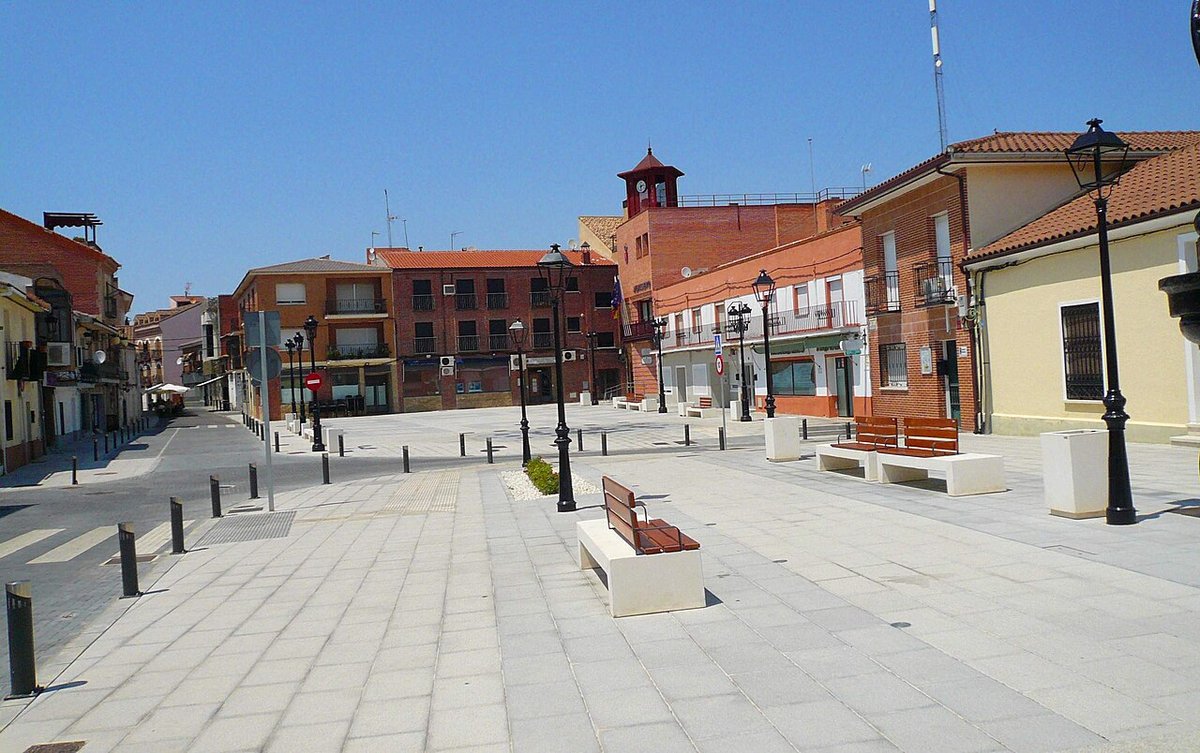
Thursday is market day in Griñón. By mid-morning, the square is busy with the trade of vegetables grown in the surrounding fields. The talk often turns to cauliflower, a crop that has defined this part of the Madrid region for decades. It is a practical place, shaped by its position on the fertile plain between the capital and Toledo.
With just over ten thousand inhabitants, Griñón belongs to the Comarca Sur. Its growth has been steady, tied less to industry than to the demands of Madrid’s markets. For centuries, it functioned as a villa supplying the city, a role that organised local life around harvests and sales.
A name from the Andalusí period
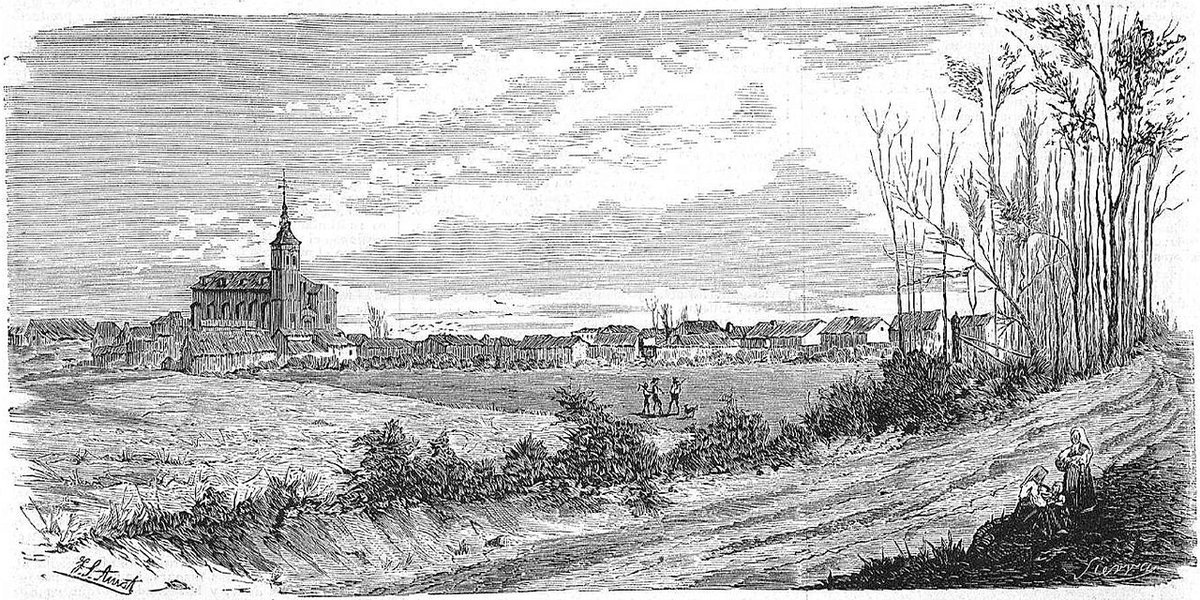
The toponym Griñón likely dates from the time of Muslim rule in central Spain. The exact meaning is debated, but its origins point to an established agricultural settlement. After the Christian conquest, the area passed through various noble hands. Achieving the status of villa in the late Middle Ages granted it the right to hold a market, a crucial step for its economy.
The 16th-century convent of the Clarisas de la Encarnación was built during this period of consolidation. Such institutions often acted as social and economic anchors in small towns. Its solid presence still marks one end of the historic centre.
The parish church and its saint
The parish church of Nuestra Señora de la Asunción occupies the highest point in the old quarter. It was built over earlier structures, possibly including a medieval hermitage. The visible fabric is largely 16th century, showing a transition from late Gothic to Renaissance forms. The stone is the local caliza, a pale limestone softer than the granite of the Guadarrama.
Inside, the main altarpiece is a later work. Greater local devotion centres on the image of the Virgen de la Antigua. Her feast day in late summer coincides with the end of the harvest, and her procession follows routes worn by generations of farmers. From the church atrium, the view explains the town’s logic: buildings cluster on a gentle rise, overlooking the vegetable fields that sustained it.
How a vegetable shaped a festival
Cauliflower cultivation became particularly suited to the local soil and climate. By the mid-20th century, it was a cornerstone of the economy. This agricultural identity crystallised in a festival, held in March. It features communal meals where the vegetable is prepared in traditional stews and roasts.
In one plaza, a modern sculpture commemorates the colifloreras, the women who sold the produce in markets. Their work supplemented household incomes and connected Griñón directly to Madrid’s neighbourhoods. The festival and the monument are not mere folklore; they are direct reflections of a recent past that many residents remember.
Layers visible on a walk
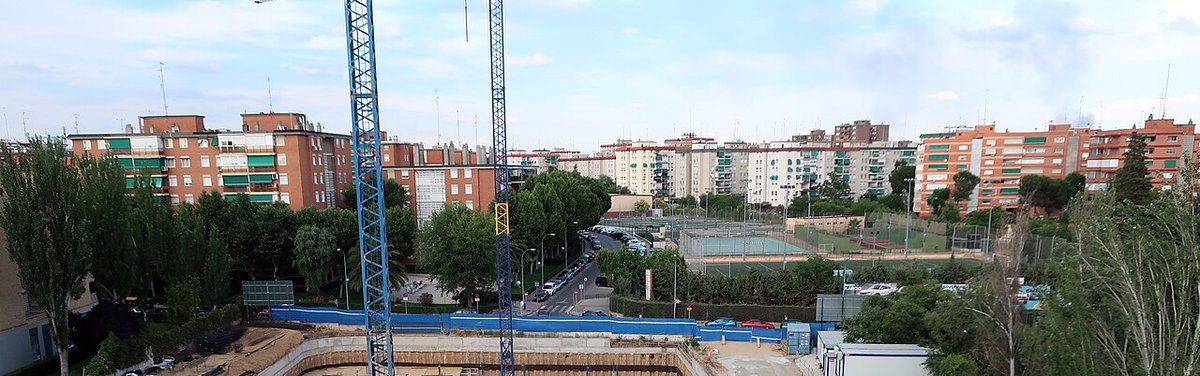
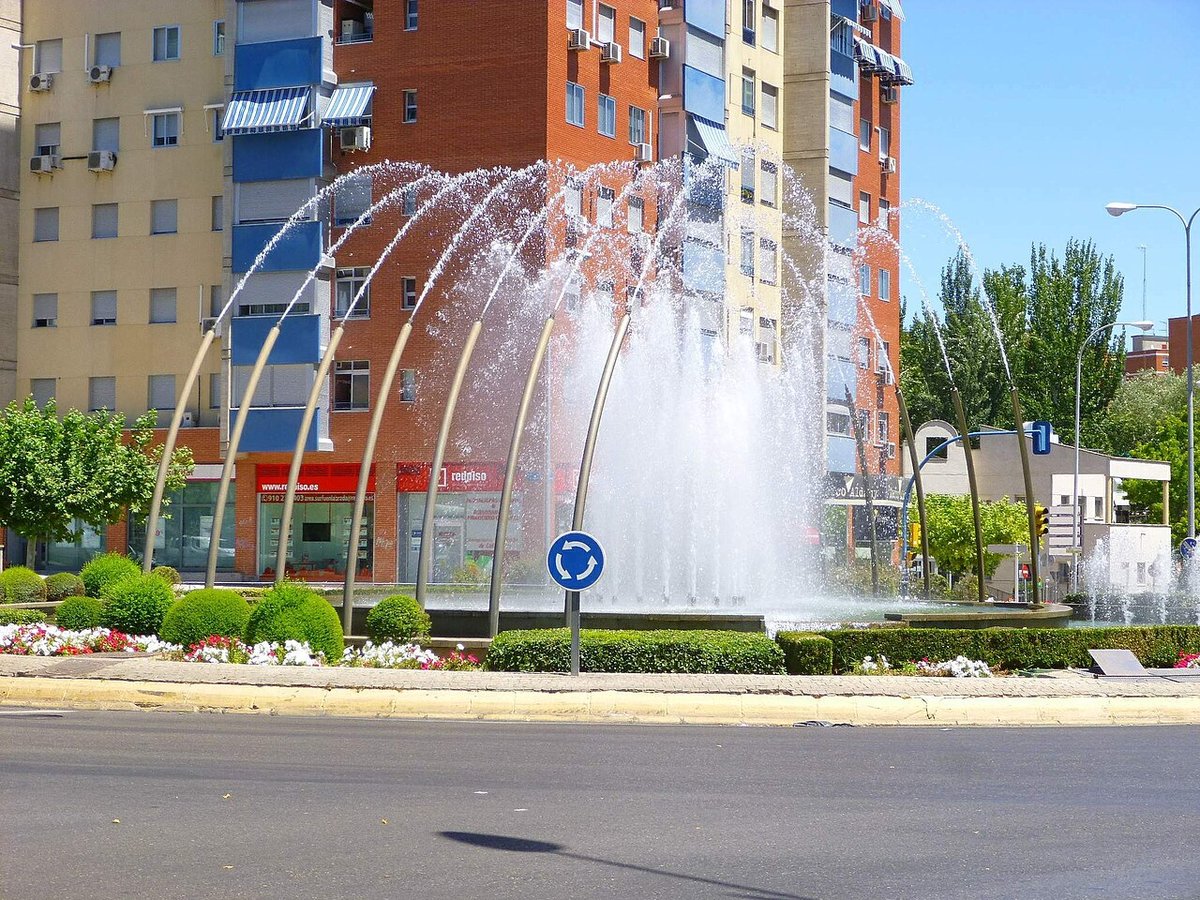
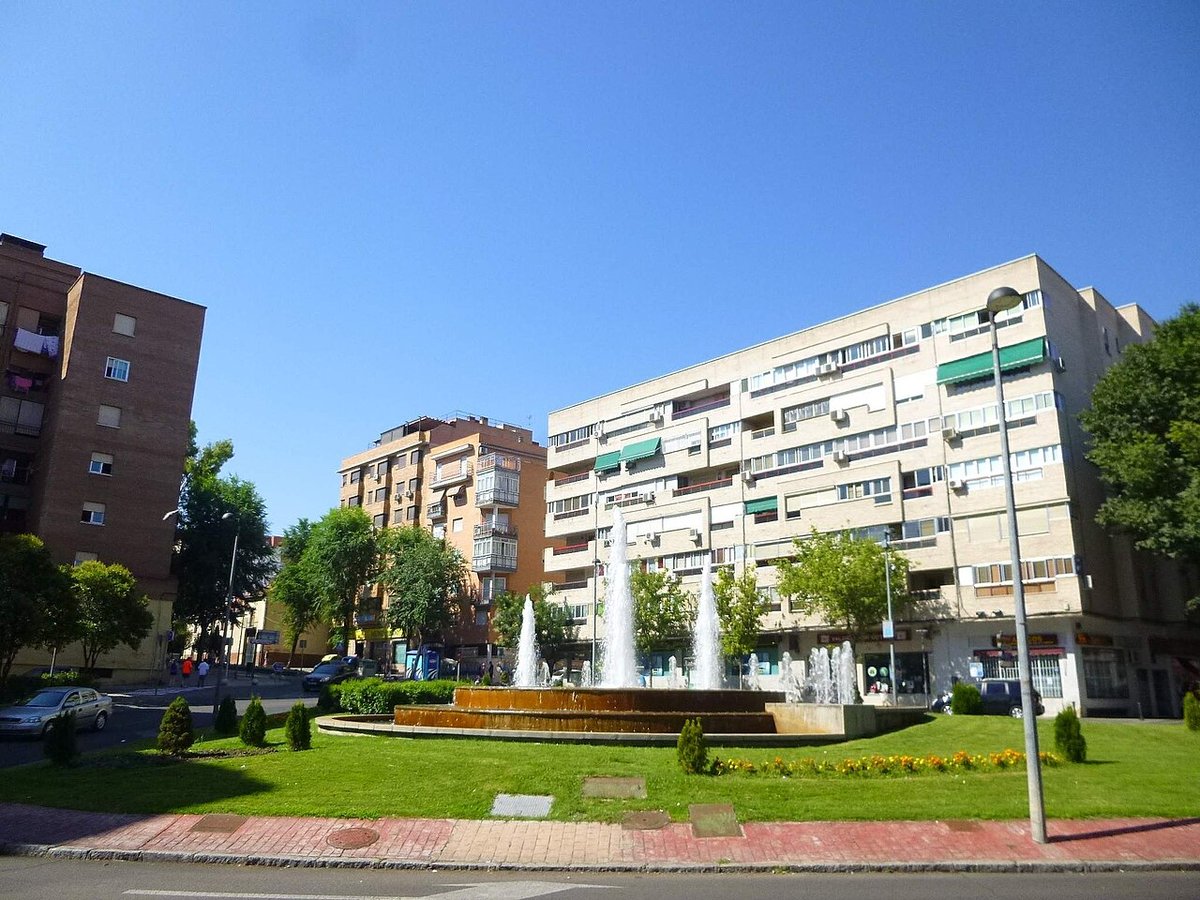
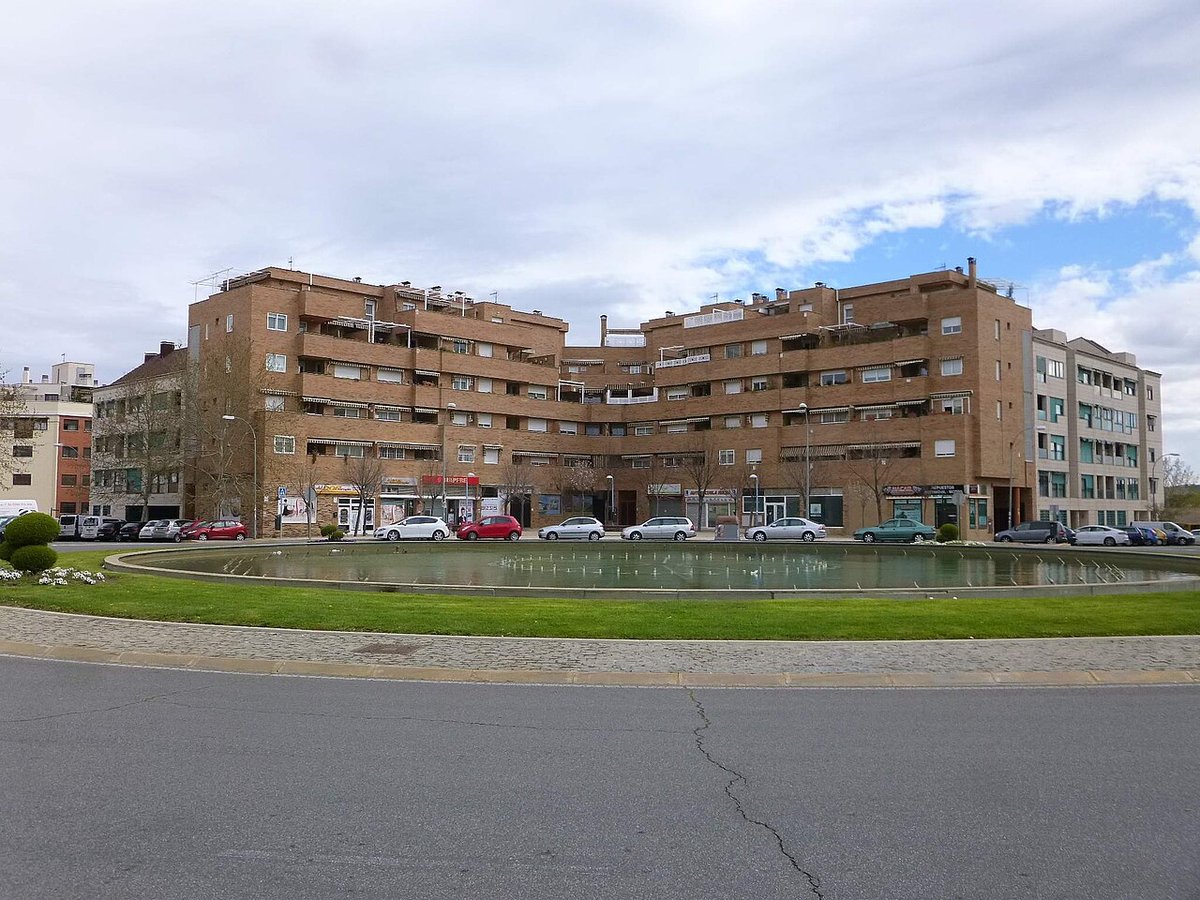
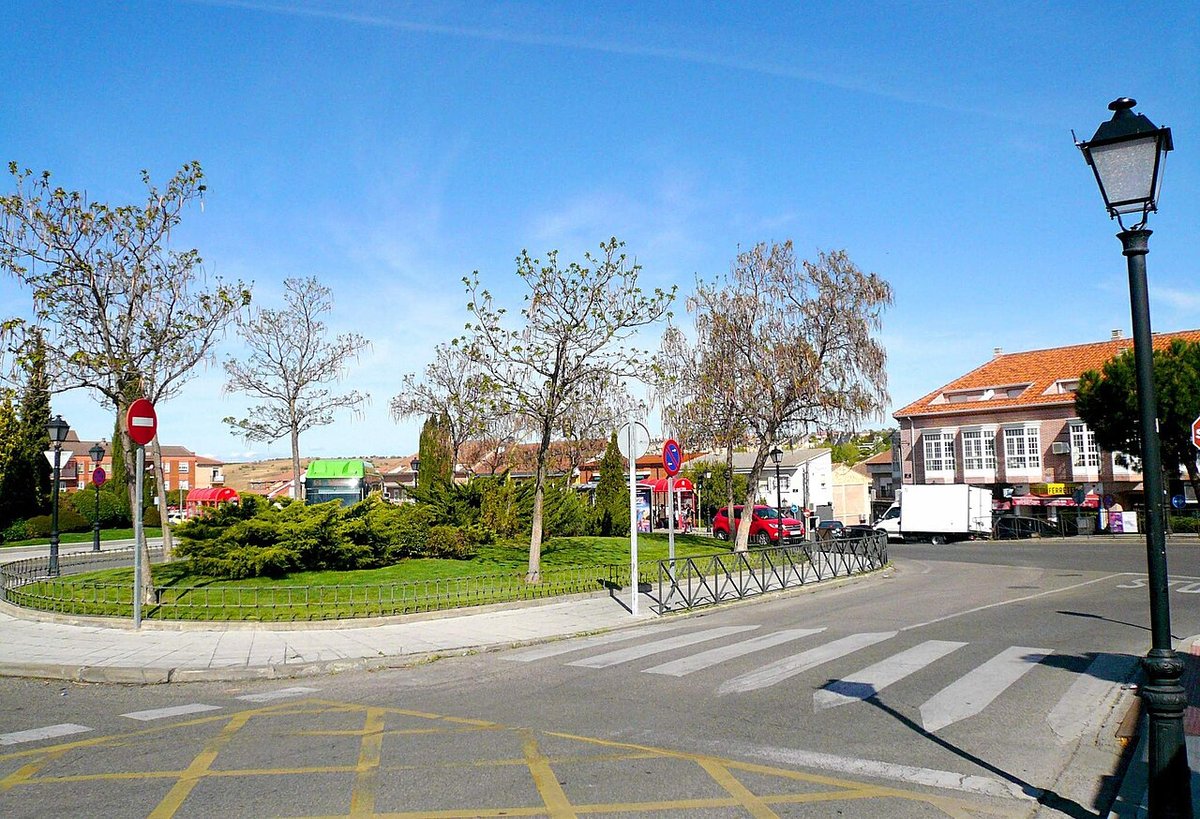
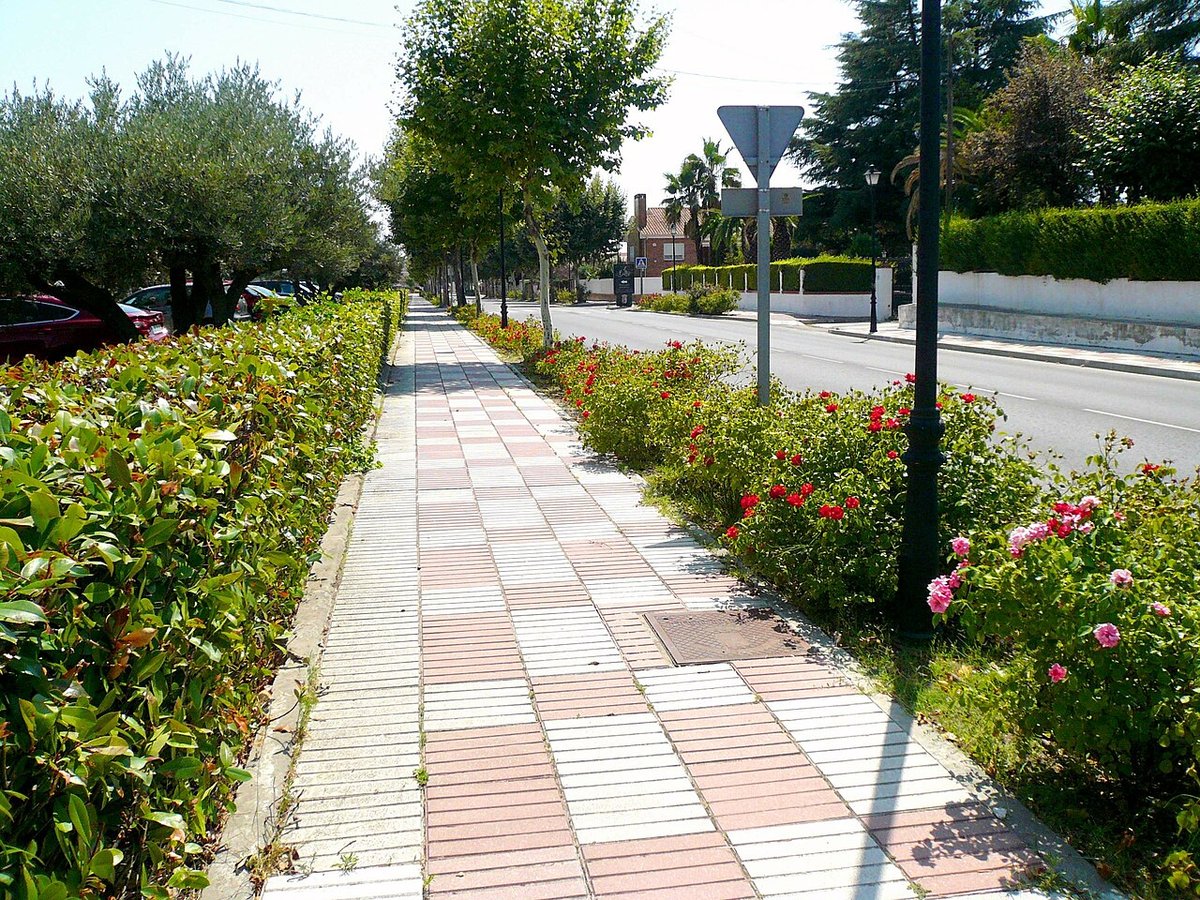
A walk through Griñón shows its layers. Modest, single-storey houses built for farm labourers stand beside newer developments. The most significant expansion came in the late 20th century, as Madrid’s suburbs stretched southwards.
On the outskirts, archaeological sites indicate earlier settlements. Burial grounds from both Muslim and Christian periods have been documented, though their full interpretation remains for specialists. More recent history is etched into other buildings: several were used as makeshift hospitals during the Civil War, a fact present in local memory if not always prominently displayed.
Practical notes for a visit
Griñón is roughly 25 kilometres from central Madrid, accessed via the A-42 towards Toledo. The town itself is small. A focused walk through the historic centre—from the church down to the main squares—can be done in an hour or two.
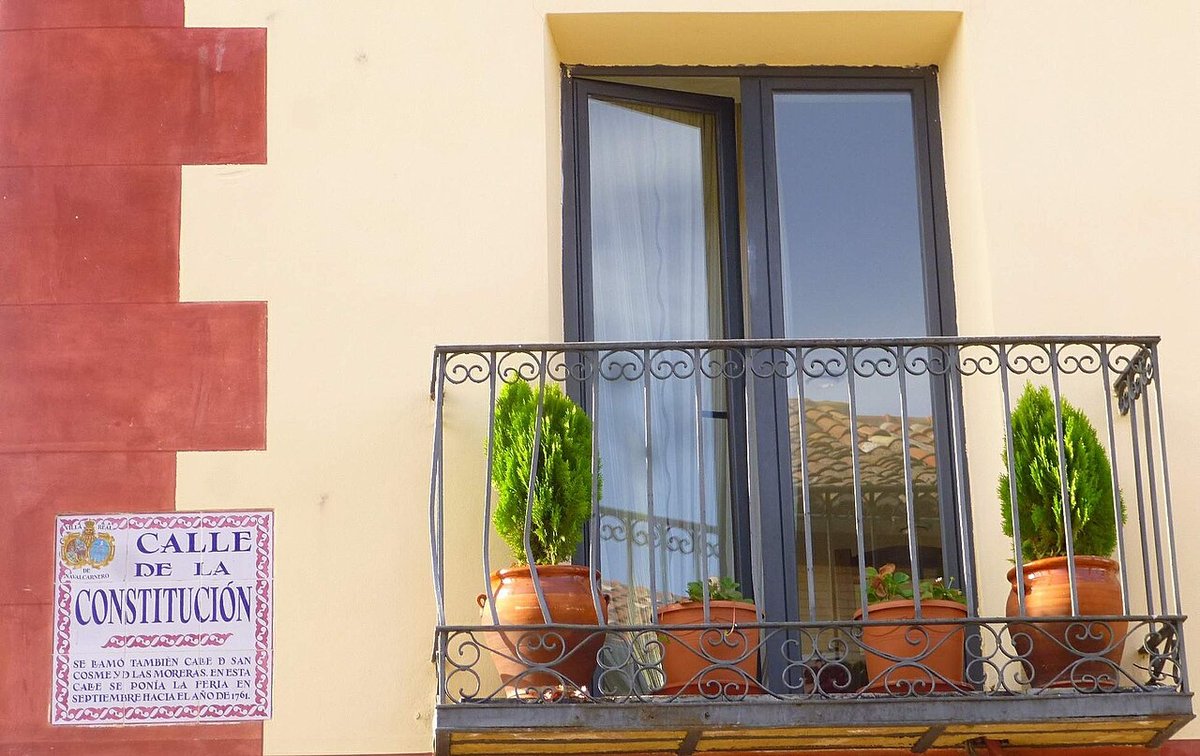
Look for the simple architecture: plain façades, wrought-iron window grilles, and tiled roofs common to the southern Madrid countryside. Beyond the streets, a network of agricultural tracks follows seasonal streams. These caminos are public and offer a straightforward way to see the landscape that made the town.
While now part of Madrid’s metropolitan area, Griñón’s rhythm still feels tied to its agricultural calendar. The market, the festival, and the open fields provide a more honest account of the place than any official brochure.