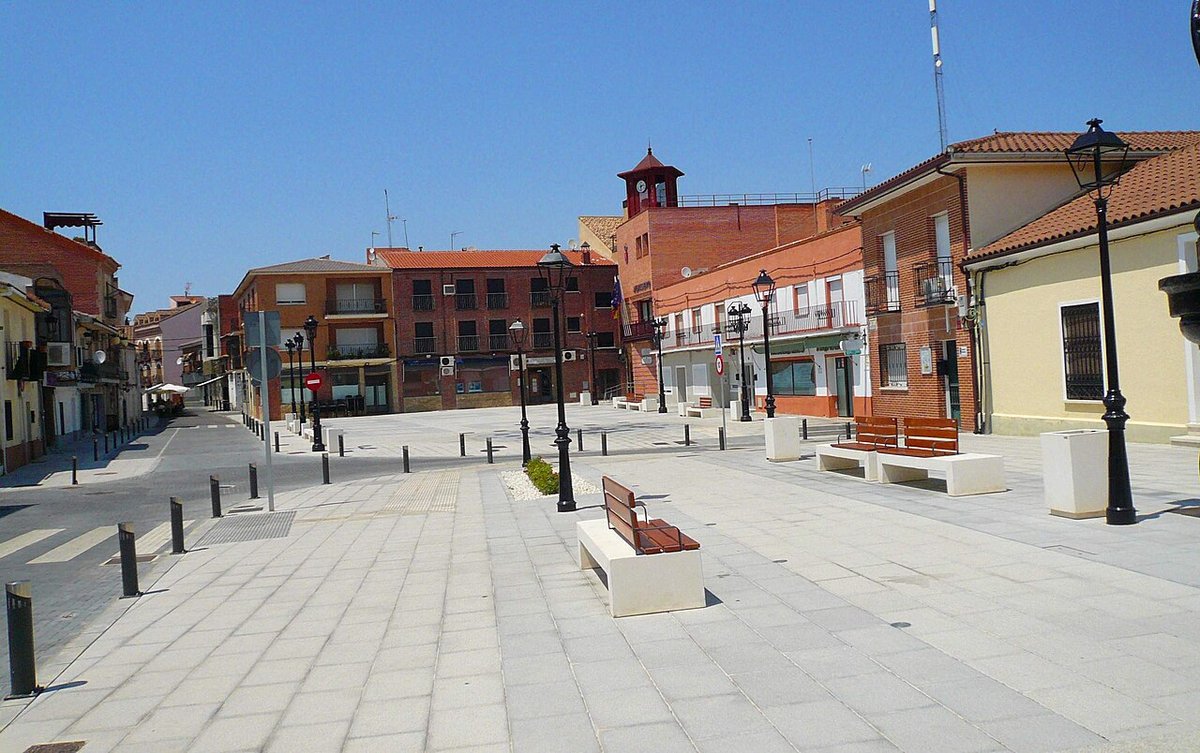
Humanes de Madrid - Plaza de la Constitución 3.jpg
Zarateman · CC0
Madrid · Mountains & Heritage

Humanes de Madrid

The first thing you notice is the tower. It pokes above the 1970s brickwork like a lighthouse in a sea of flats, giving directions better than Goog...

20,500 inhabitants · INE 2025
677m Altitude

Why Visit

Church of Santo Domingo de Guzmán Sports activities

Best Time to Visit

year-round

Santo Domingo (August) septiembre

Things to See & Do
in Humanes de Madrid

Heritage

  • Church of Santo Domingo de Guzmán
  • Hermitage of the Virgen del Amor Hermoso

Activities

  • Sports activities
  • Local festivals
  • Urban walks

Festivals
& & Traditions

Fecha septiembre

Santo Domingo (agosto), Virgen del Amor Hermoso (septiembre)

Las fiestas locales son el momento perfecto para vivir la autenticidad de Humanes de Madrid.

Full Article
about Humanes de Madrid

Industrial and residential municipality south of Fuenlabrada; its historic church remains.

Ocultar artículo Leer artículo completo

A Church Tower, a Churro Van and 677 Metres of Altitude

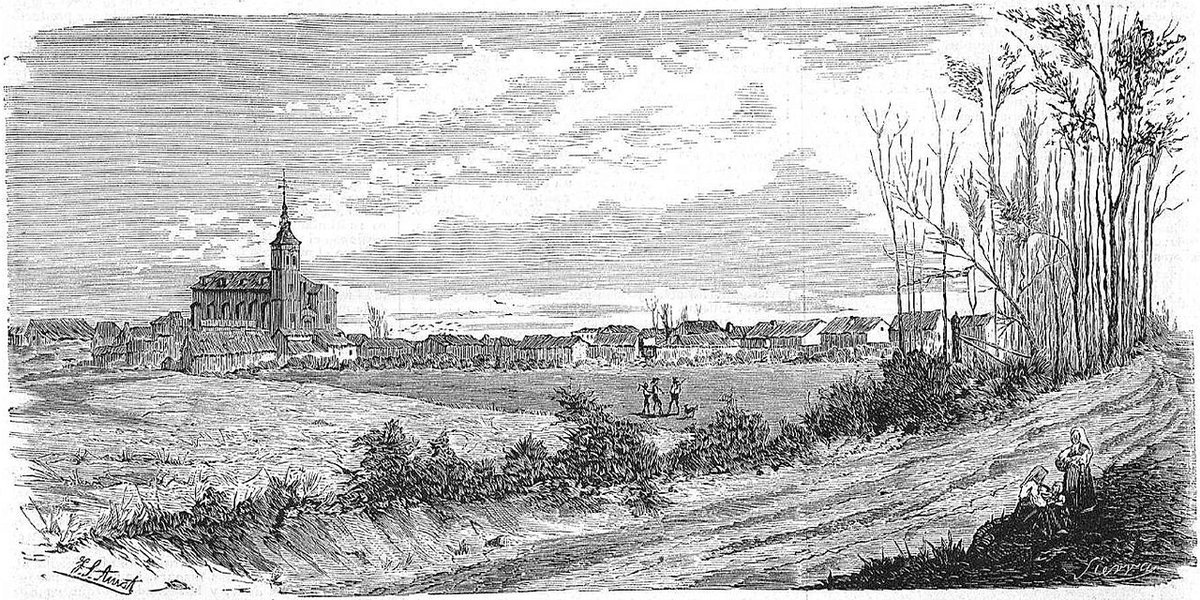
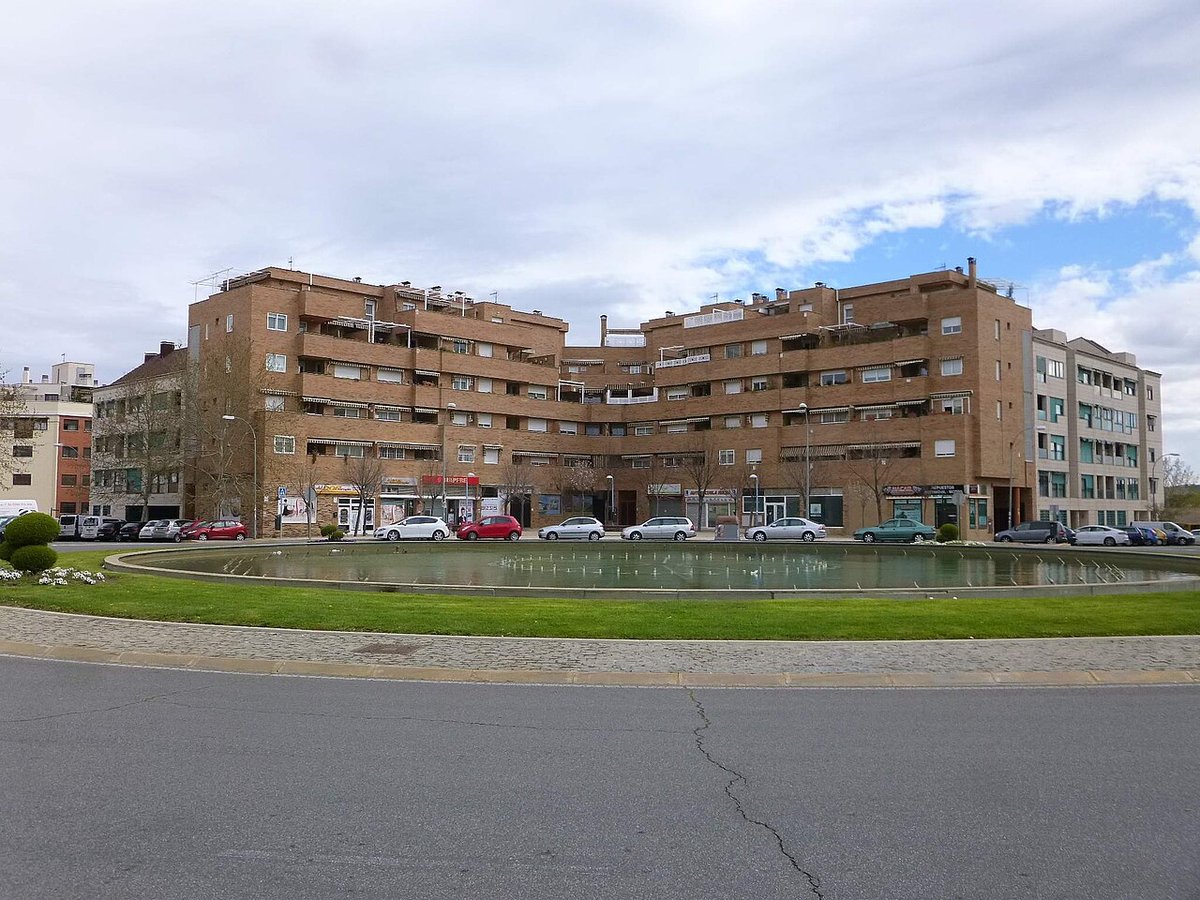
The first thing you notice is the tower. It pokes above the 1970s brickwork like a lighthouse in a sea of flats, giving directions better than Google Maps ever could. Nuestra Señora de la Redonda sits at 677 m, high enough that the air feels thinner than downtown Madrid, yet low enough that only the occasional cyclist pretends it’s altitude training. From the plaza you can, on a clear spring morning, make out the snow on the Sierra de Guadarrama forty kilometres away—proof the city hasn’t quite swallowed everything.

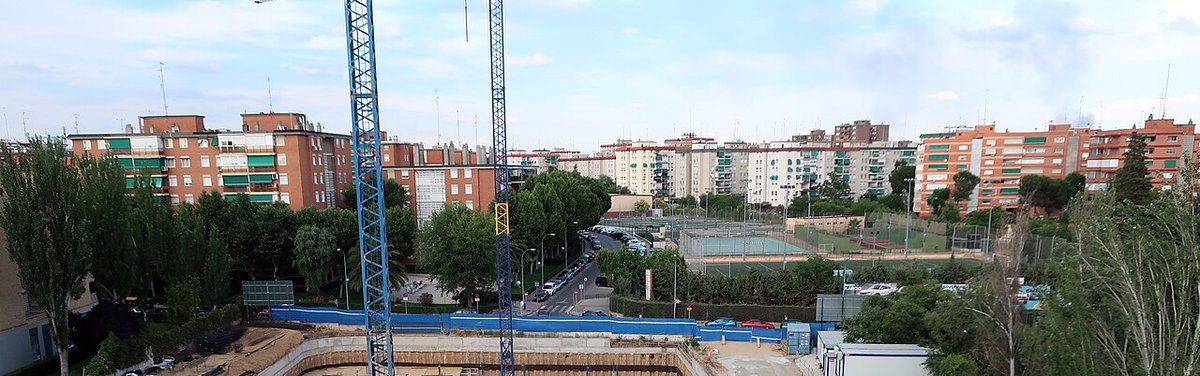
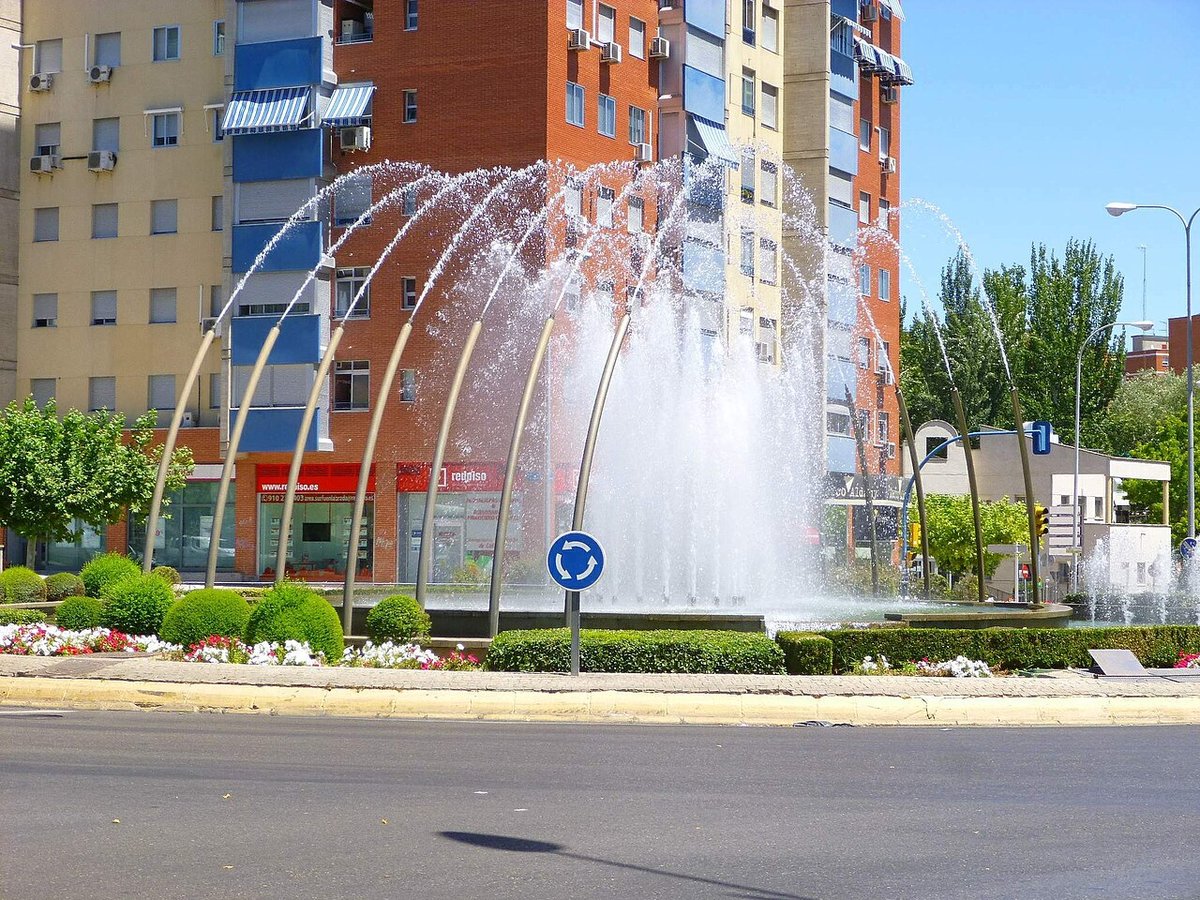
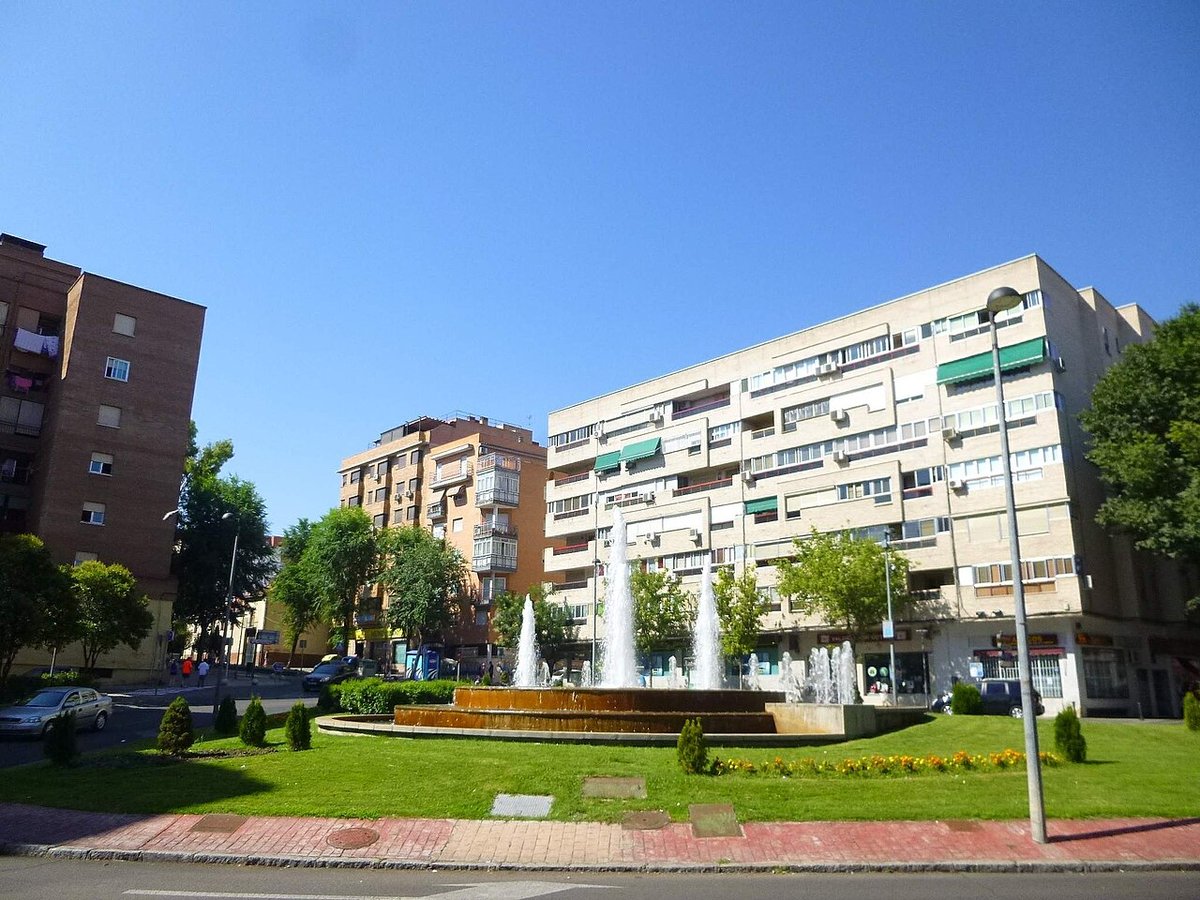
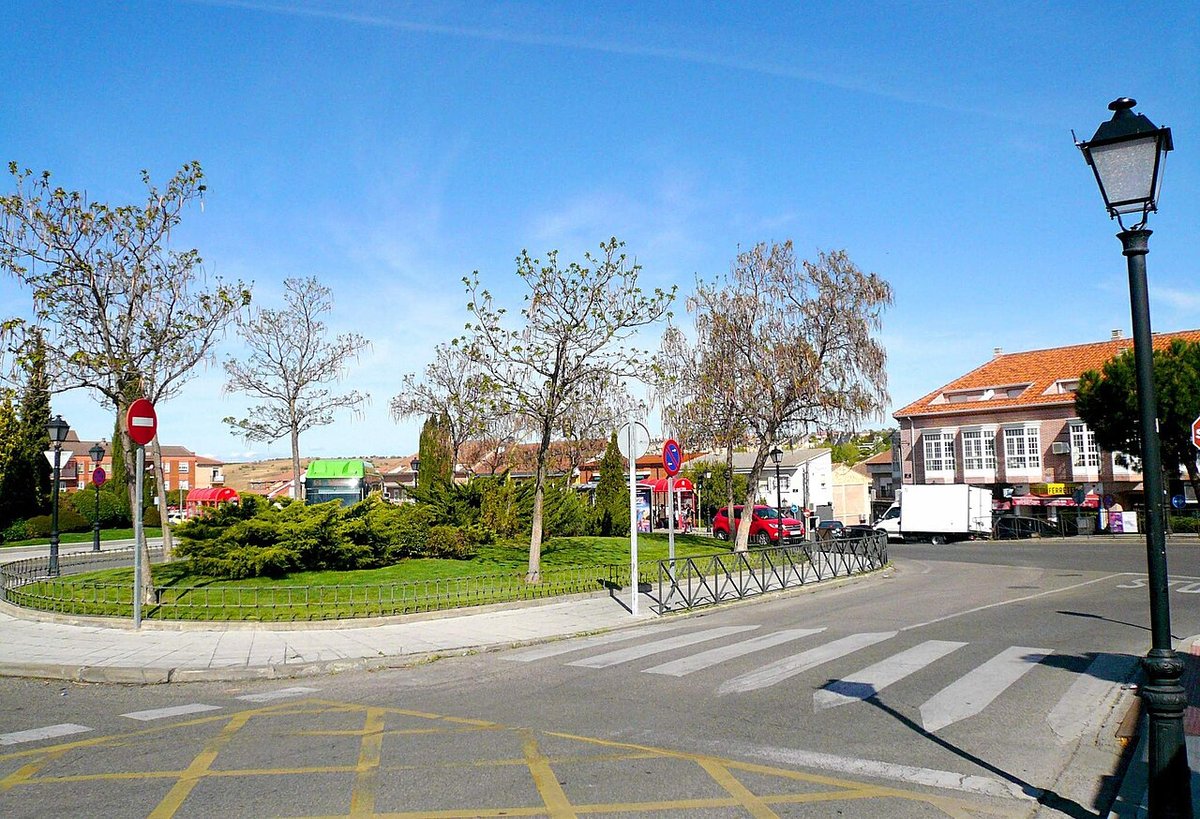
Humanes isn’t pretty in the postcard sense. It is, however, honest: a place where neighbours still argue over parking spaces built for Seat 600s, and where the weekly market sets up before the commuters have finished their coffee. Expect flat-fronted apartment blocks, wide roads designed for tractors that no longer arrive, and a soundtrack of swifts rather than Spotify. Manage that, and the town starts to work.

How to Arrive Without a Car (and Why You Might Regret It After Midnight)

Cercanías line C-5 out of Atocha trundles south through industrial estates and olive-tree wastelands, depositing you 35 minutes later at Humanes station. A return ticket costs €2.60—cheaper than a London zone-1 single—and trains run every fifteen minutes at rush hour, hourly middays. The catch: the last service back leaves at 00:15. Miss it and the night bus lumbers along the A-42 for an hour, then dumps you at Méndez Álvaro with the cleaners and the night-shift security guards. Taxi drivers quote €70 to the centre of Madrid after 2 a.m.; suddenly that cheap bed feels expensive.

Drivers should leave the A-42 at junction 24, follow signs for “Centro Urbano” and prepare for speed bumps every hundred metres. Free parking exists on Avenida de Madrid; on Saturdays every space is taken by 11 a.m. as locals stock up at Mercadona.

Coffee, Churros and the Reality of Menus You Can’t Read

Spanish is the only language in operation. Staff in the bakery will wait patiently while you point and mumble, but don’t expect translations. Download Google Lens before you set off—photograph the menu, let the app struggle with idiom, then simply nod as if you understood all along.

Sunday 10-12 is prime time. A white van pulls up beside the church and sells churros by the paper cone: €1.20 for six plain loops, €1.50 if you want them filled with sticky chocolate. Locals queue in dressing gowns; tourists are spotted by the absence of dog lead or grandmother.

For lunch Mesón El Cazadero does a €12 menú del día—soup or salad, grilled chicken with chips, dessert and a half-bottle of house wine. Vegetarians get tortilla; vegans get lettuce. Portions are freight-train large; the British habit of asking for “just a small plate” causes confusion and an extra charge.

A Two-Hour Loop That Takes You from Flats to Wheat and Back

Start at the church, turn right on Calle Real and keep going until the pavement ends. Five minutes later you’re on a camino between wheat and olive plots, the town hiss fading behind you. The loop south toward Torrejón de la Calzada is almost dead flat, chalky underfoot after rain, and shaded only by the occasional poplar—bring water between May and September.

Distance: 6 km return. Difficulty: gentle. Highlights: a ruined stone hut somebody still uses for Sunday botellón, red kites circling overhead, and the realisation that greater Madrid still grows cereal rather than merely mortgages.

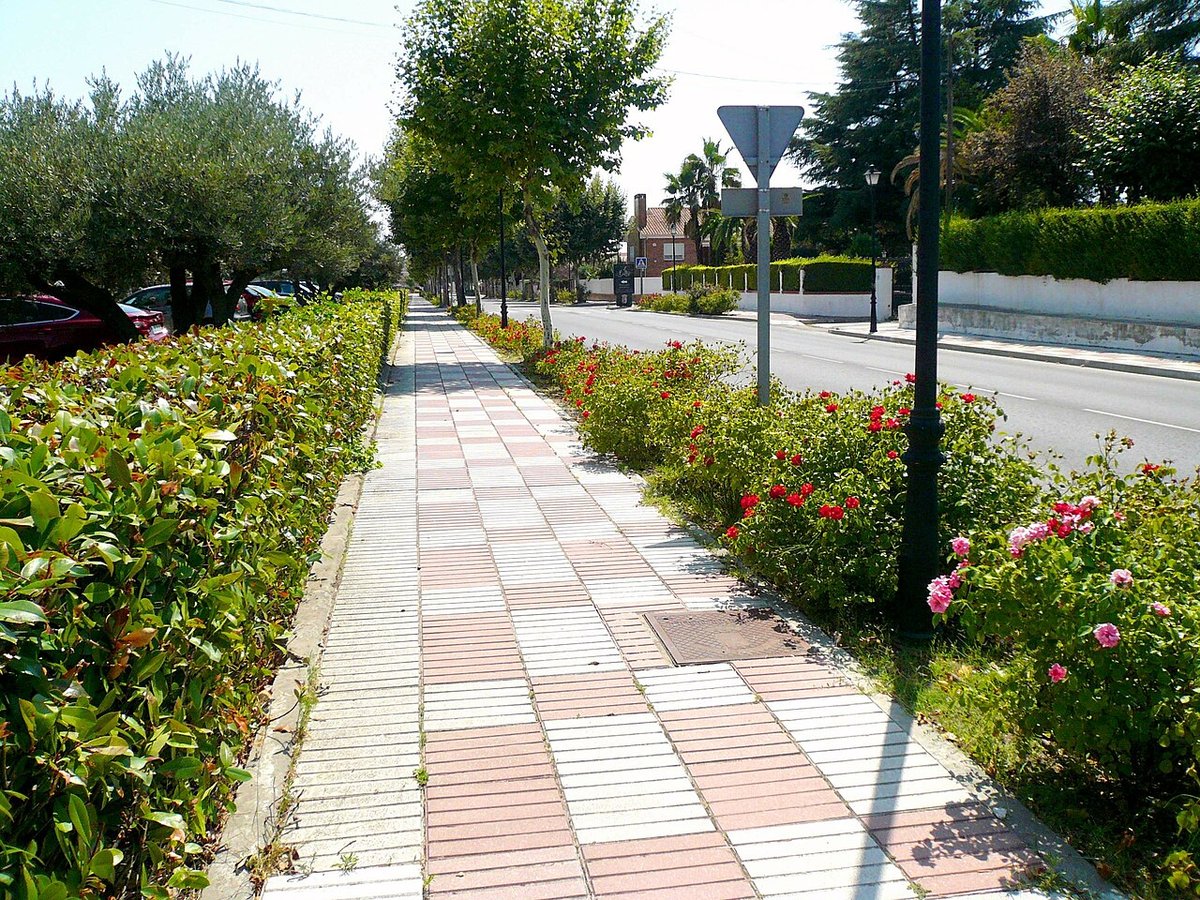
If you’d rather stay tarmacked, Parque de la Hispanidad has lawns, exercise machines and enough benches to fill a retirement home. Children kick footballs against the wall painted with a faded Real Madrid badge; grandparents play cards at metal tables until the streetlights click off.

The Calendar: Fiestas, Fireworks and the Great August Shutdown

Third weekend of September the town honours its patron, the Virgen de la Redonda. Processions, brass bands, fairground rides that look last-safe circa 1987, and fireworks that terrify dogs until Wednesday. Book accommodation early; every cousin who left for Barcelona returns to claim the spare room.

Semana Santa (Easter) is low-key: two pasos, hoods, drums, done by 11 p.m. San Isidro in May involves blessing the fields—an awkward prayer nowadays since the fields are mostly under brick.

August is the reverse carnival. Temperatures hit 38 °C, half the bars close, and the lone cash machine beside the town hall has been known to run dry. Come in late April instead: the wheat is green, the thermometers read 22 °C, and you can still smell bread from the bakery at dawn.

Keep Expectations in Check: This Is a Dormitory, Not a Museum

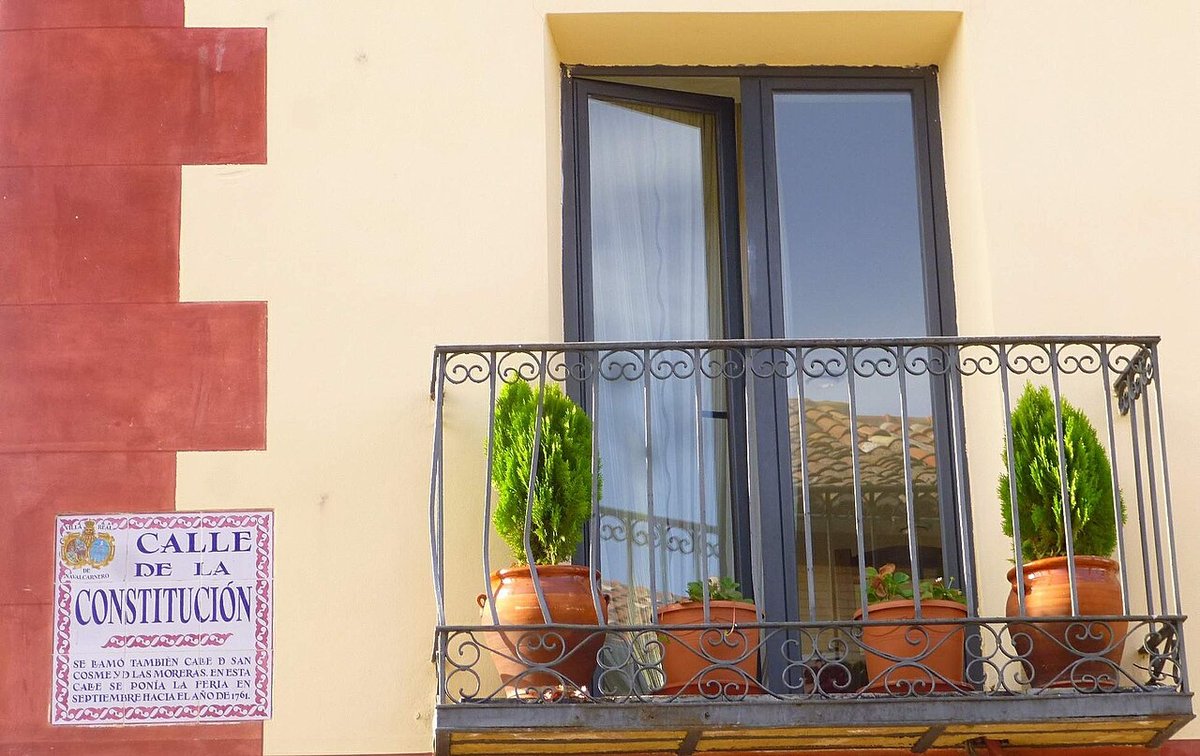
Humanes houses 20,000 residents, not 500. The “historic centre” amounts to two streets and a church rebuilt so often it contains Visigothic brick, Baroque plaster and 1960s concrete. Beyond that stretch you’ll find 1970s apartment blocks, tyre shops and a Lidl. If you want timber balconies and geranium pots, catch the train to Chinchón instead.

What the town does offer is an unfiltered look at commuter Spain. Old men in flat caps still sweep their doorstep at seven; mothers push buggies while talking on hands-free about shift rotas; teenagers loiter by the skate ramp debating whether to try for a job in Getafe or Norwich. It’s ordinary, but ordinary is revealing if you’ve only seen Plaza Mayor and the Prado.

Practical Scraps Worth Knowing

  • Cash: most bars prefer notes under €20; the bakery won’t take cards for purchases under €5.
  • Language: "café con leche" gets you a white coffee the size of a soup bowl; "café solo" is an espresso. Ask for “tea” and you’ll receive a cup of hot water and a bag on the side—no milk offered.
  • Wi-Fi: the library on Calle Villaverde offers free access and clean toilets; passport required for a card.
  • Taxis: rank outside the station; pre-book the night before for an airport run (€30 flat to T1/2/3).
  • Sundays: supermarkets shut, only Chinese-run convenience stores stay open until 14:00—stock up on Saturday.

Should You Bother?

If your flight lands at 22:30 and departs 06:15, Humanes is perfect: cheaper than an airport pod hotel, quieter than Barajas village, and the 20-minute taxi removes 4 a.m. terminal stress. Likewise, walkers piecing together sections of the Camino del Sureste sometimes break the hike here for a bed and a shower.

As a deliberate sightseeing target? Probably not. Come because you’re curious how Madrid’s southern belt actually lives, because you like church towers you can spot from any angle, or because you fancy a flat country walk without boarding a coach to Ávila. Treat Humanes as what it is—suburbia with a harvest festival—and the town repays a morning. Expect cobbled romance and you’ll be back on the platform within twenty minutes, checking the timetable and hoping the next train still has seats.

Key Facts

Region
Madrid
District
Comarca Sur
INE Code
28073
Coast
No
Mountain
No
Season
year-round

Livability & Services

Key data for living or remote work

2024
ConnectivityFiber + 5G
TransportTrain station
HealthcareHealth center
EducationHigh school & elementary
Housing~12€/m² rent
CoastBeach nearby
Sources: INE, CNMC, Ministry of Health, AEMET

Planning Your Visit?

Discover more villages in the Comarca Sur.

View full region →

More villages in Comarca Sur

Traveler Reviews