Full Article
about Moraleja de Enmedio
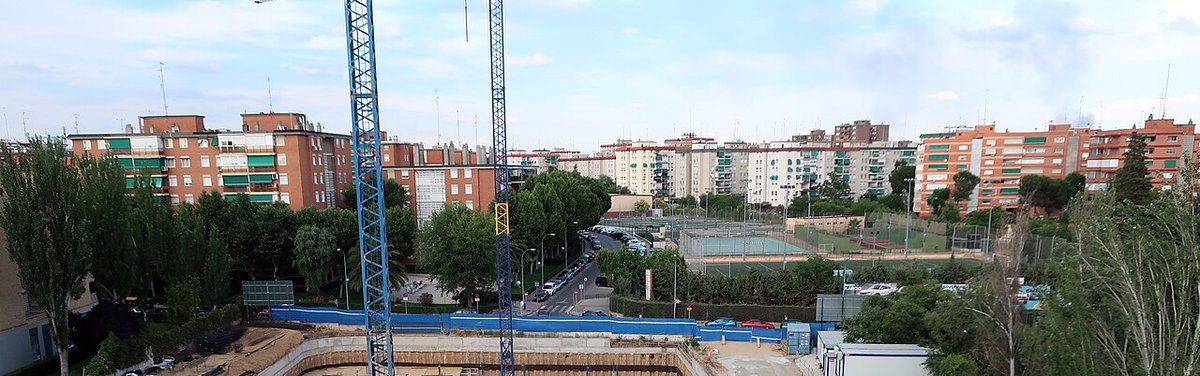
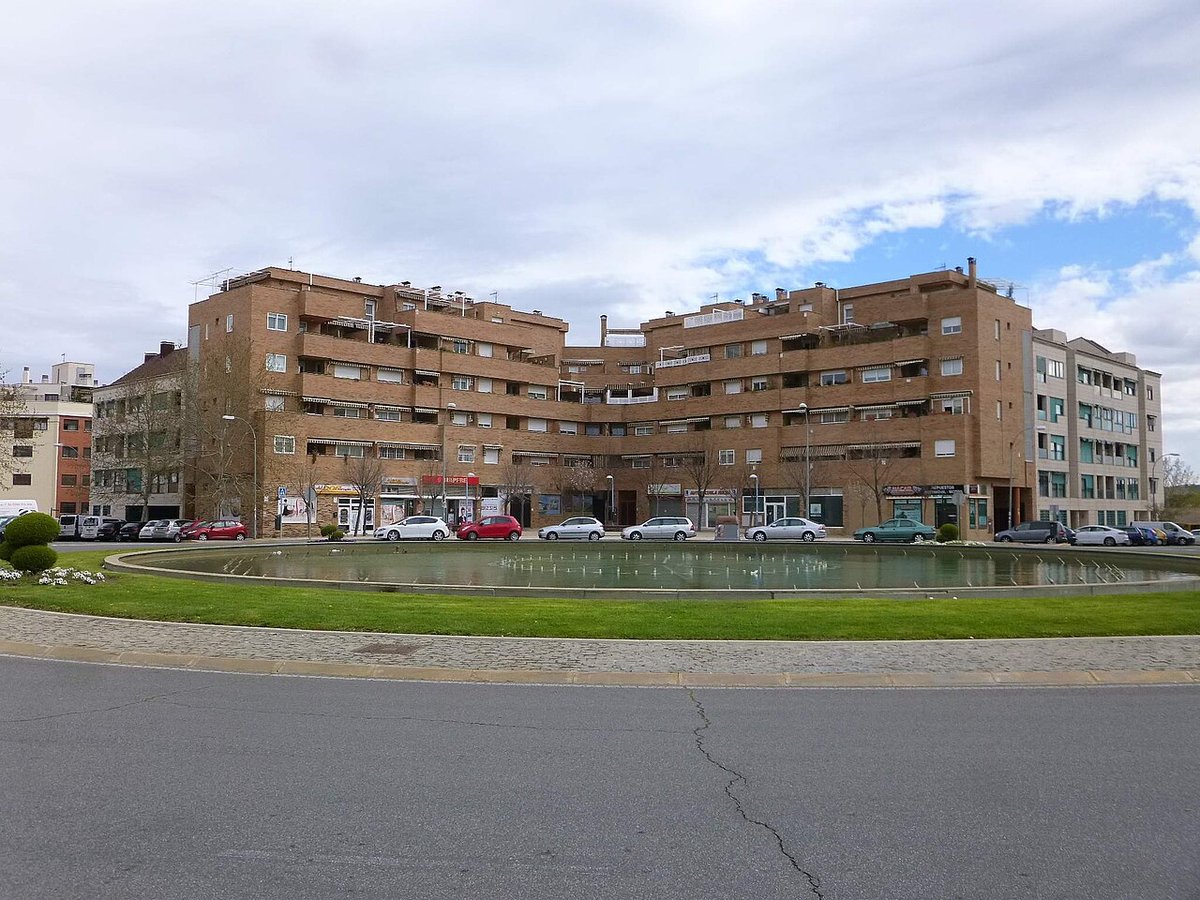
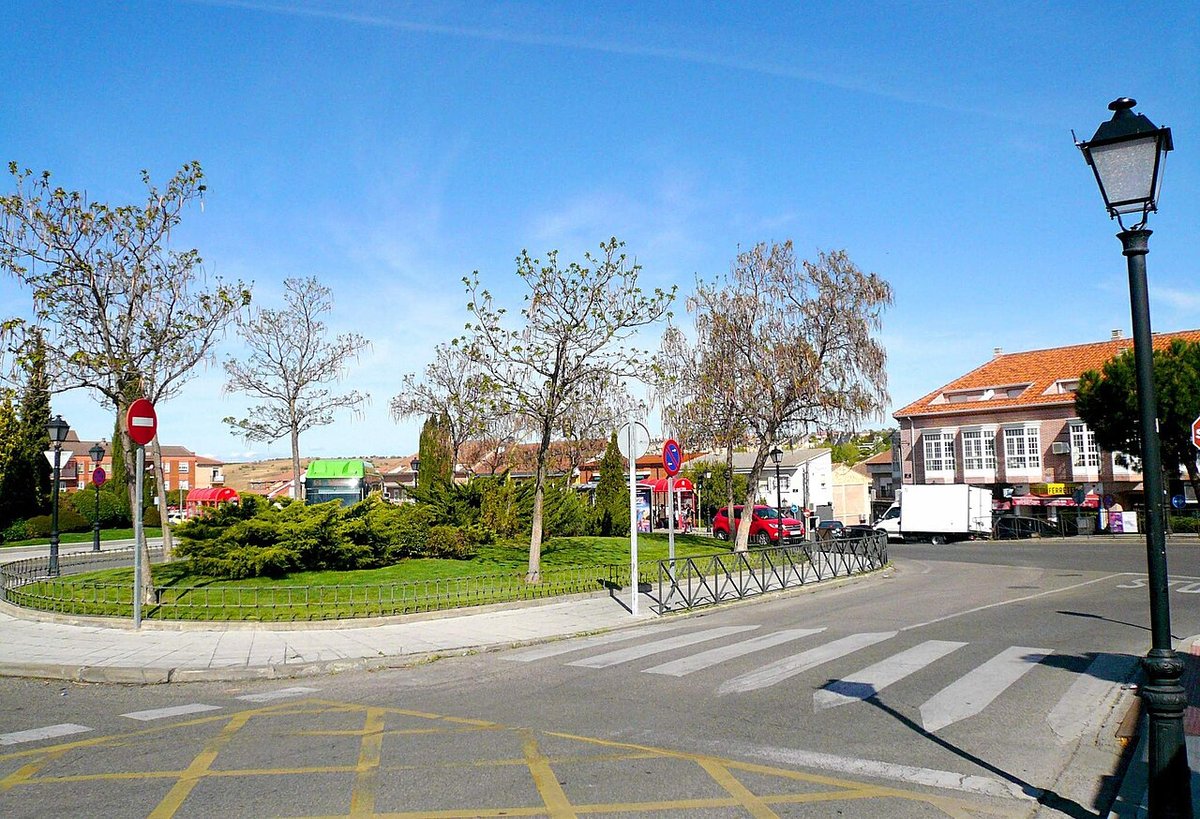
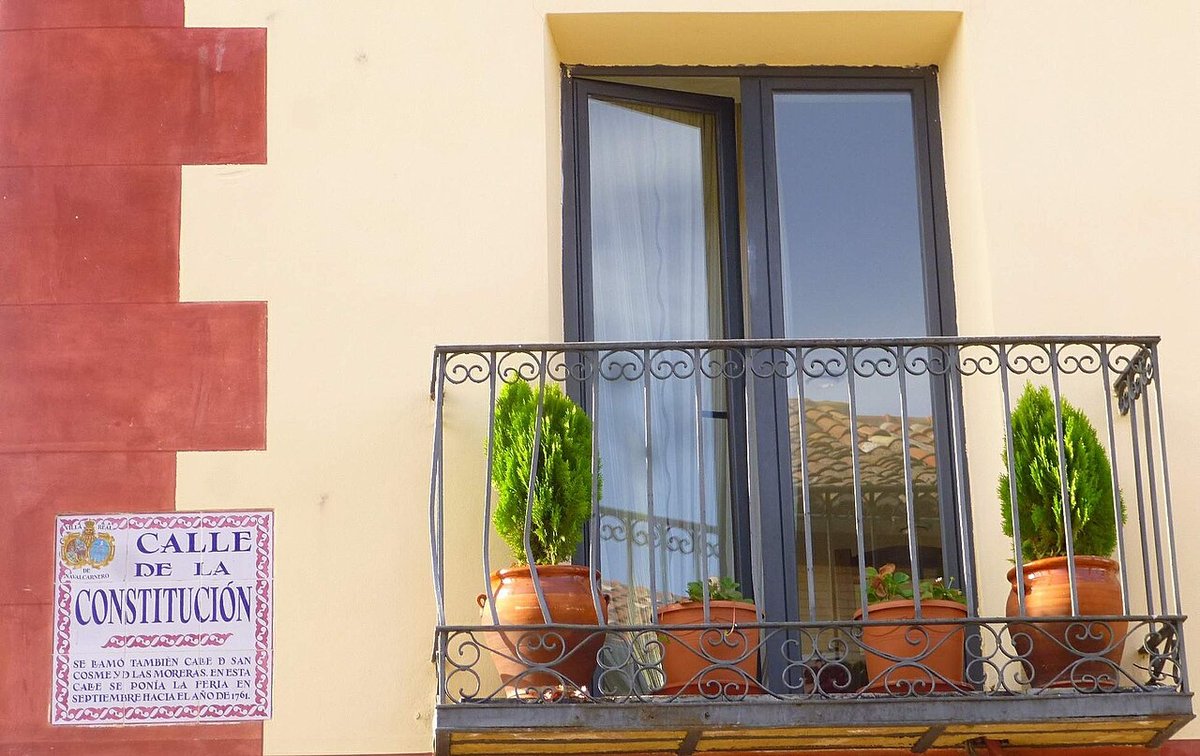
Small residential municipality to the south; it keeps a quiet atmosphere close to the big cities.
Hide article Read full article
A village shaped by its setting
Moraleja de Enmedio sits on an agricultural plain to the south-west of Madrid, within what is now known as the Comarca Sur. Its name is often linked to geography: it lay “in between” other historic settlements that emerged during the Castilian repopulation of the area. Many of those small villages disappeared over time or were absorbed into larger municipalities. Moraleja de Enmedio, however, endured.
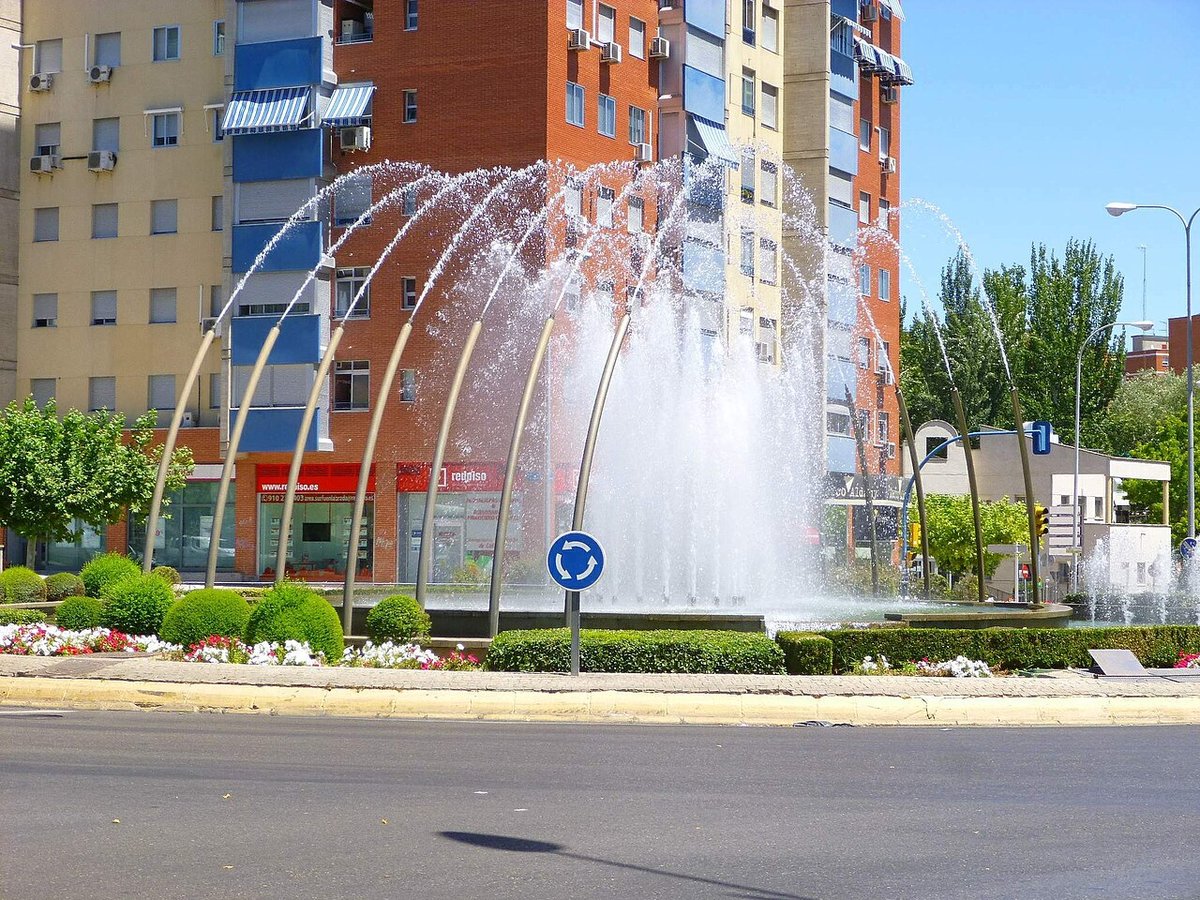
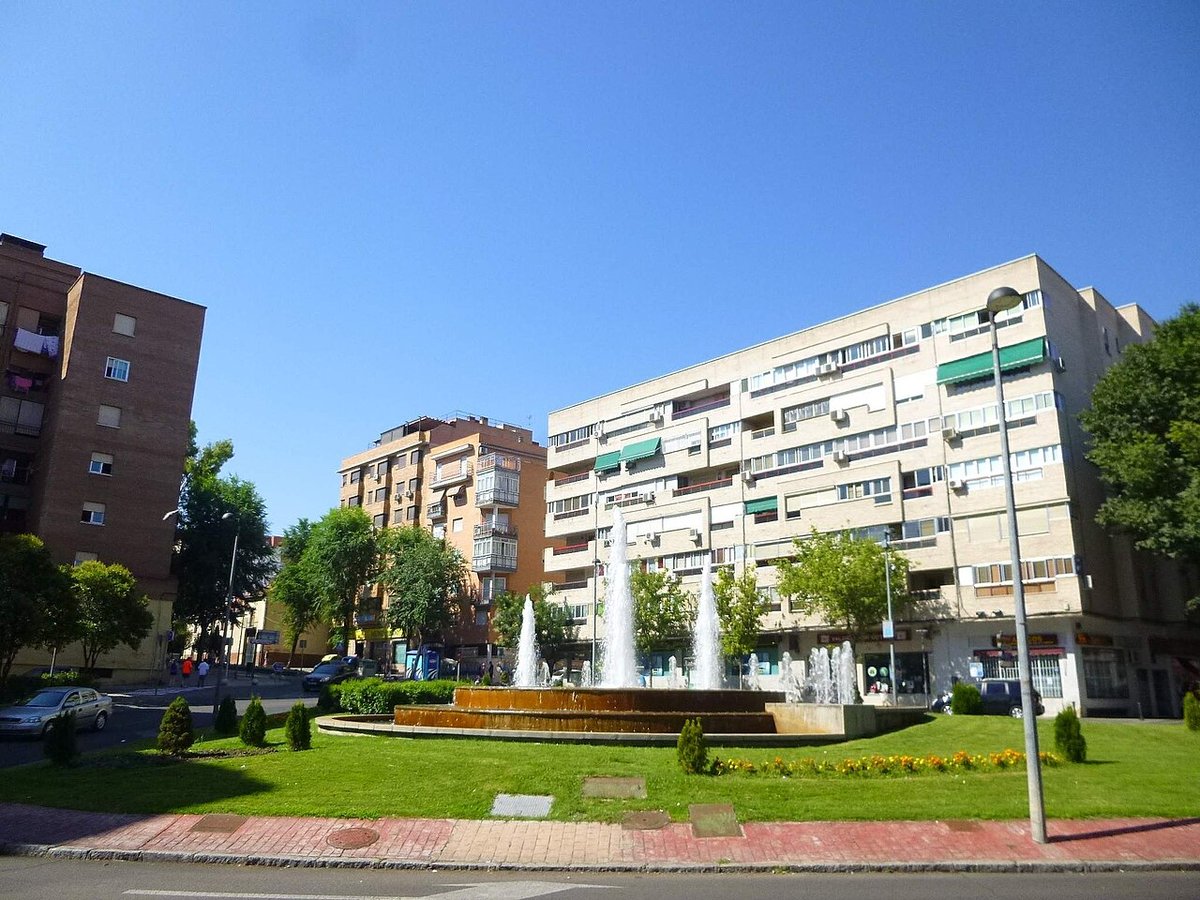
For centuries its life revolved around cereal farming and livestock. That rural base defined both its economy and its appearance. In the 20th century, proximity to Madrid began to change things, gradually turning it into a residential town. Even so, traces of its agricultural past remain visible, and the shift has never completely erased its earlier character.
Streets that lead to the square
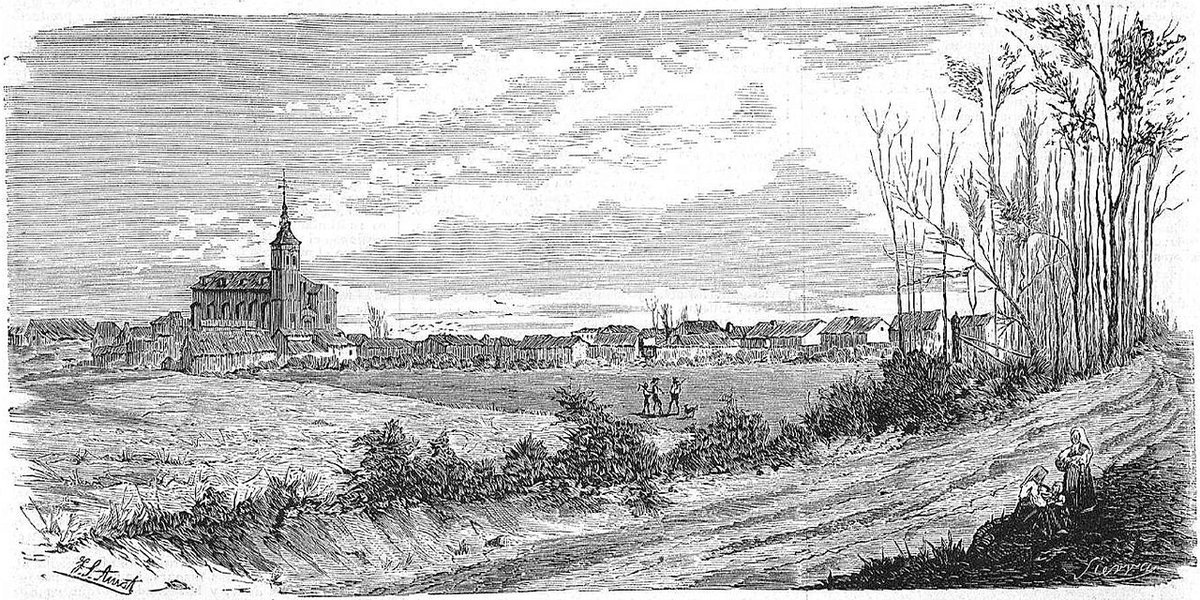
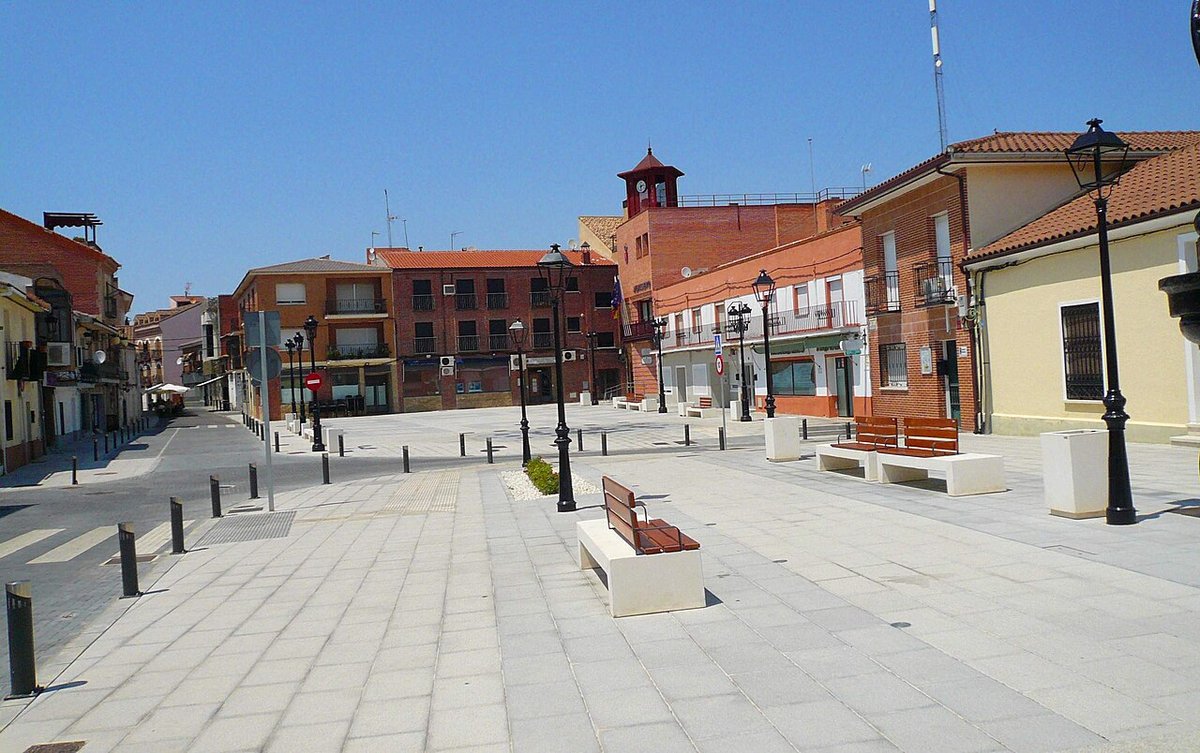
Just over twenty kilometres from the capital, Moraleja de Enmedio still follows the layout typical of many towns that once belonged to the Crown of Castile. Streets run fairly straight and tend to converge on the main square, where the parish church acts as a visual anchor.
The architecture is restrained. Low houses, whitewashed or built in brick, with sloping roofs and doorways combining stone and ceramic elements. These are practical buildings, designed for agricultural life rather than display. Families who worked the surrounding fields lived here for generations, at a time when the area was under the administrative control of the Condado de Chinchón.
The Iglesia de San Pedro Apóstol rises above the rest of the town. The current structure dates from the 18th century, built on the site of an earlier and likely more modest church. It has a single nave and a brick bell tower that can be spotted from various points around the village. Inside, a simple neoclassical altarpiece remains.
What stands out most is not its size but its position. From the area around the church, the view opens out across the fields that surround Moraleja de Enmedio, connecting the built space of the town with the agricultural landscape that has defined it for centuries.
A brief moment on screen
For a period, Moraleja de Enmedio became known for something unexpected in a town of its size: television filming. Several widely watched series used its streets and municipal buildings as locations. For months, production lorries, lighting rigs and filming crews became part of the everyday scene.
It was a temporary change, but one that left its mark. Some residents took part as extras, and the town adjusted, briefly, to a working rhythm quite different from its usual pace. The experience is still remembered in local anecdotes.
There were also efforts to broaden the local economy beyond agriculture. For decades, a clock factory operated here, known for producing tall standing clocks with mechanical figures. These pieces were exported beyond Spain. The factory eventually closed, but the building can still be recognised on the edge of the urban area, near the road that links Moraleja de Enmedio with neighbouring towns.
Walking the dry fields
The landscape around Moraleja de Enmedio is typical of the dry farming areas of southern Madrid. There are no large wooded areas or pronounced hills. Instead, open agricultural plots stretch out across the plain, planted with barley or wheat, or left fallow depending on the season.
From the town centre, several agricultural tracks lead outwards, making it possible to circle the municipality on foot or by bicycle. These routes are simple and have been used for generations by farmers and livestock. Walking along them reveals scattered holm oaks, low stone boundaries, the occasional old olive grove and remnants of agricultural structures.
The character of the landscape changes noticeably through the year. In spring, fields turn green and contrast sharply with the pale earth of the paths. By summer, after the harvest, the land becomes almost bare, and the geometry of the plots stands out more clearly.
September celebrations
The main local festivities usually take place at the beginning of September, once the intensity of summer agricultural work has passed. The programme combines religious events with more informal gatherings. A procession moves through the streets, while music and evening activities bring people together in the square and nearby streets.
For many years, an agricultural fair was also held on an estate within the municipality. Machinery and livestock were displayed, reflecting the area’s farming identity. As agricultural activity has declined, these events have become less prominent, though the connection to the land remains strong in local memory.
In the plaza mayor, under the arcades of the town hall, everyday life still follows familiar patterns. Older residents gather to play cards while children cross the square on bicycles. It is a scene that reflects continuity more than change, even as the town has grown in recent decades.
Getting there and moving around
Moraleja de Enmedio is connected by road to nearby towns such as Navalcarnero, Fuenlabrada and Serranillos del Valle. From Madrid, it can be reached بسهولة by car via the south-western network of regional roads. Interurban bus routes also link the area with the Aluche transport interchange in the capital.
The town centre itself is compact. It can be explored at an unhurried pace in less than an hour, following streets that still lead naturally towards the square and the church, just as they have done for generations.