Full Article
about Móstoles
Second most populous city in the region; known for the 1808 proclamation and a university hub.
Hide article Read full article
On 2 May 1808, as Madrid rose up against French troops, a short text was signed in Móstoles that would later carry strong symbolic weight: the so-called Bando de Independencia. The town’s mayors, Andrés Torrejón and Simón Hernández, called for resistance against Napoleonic occupation and ordered the message to be spread to other settlements so they could join the uprising.
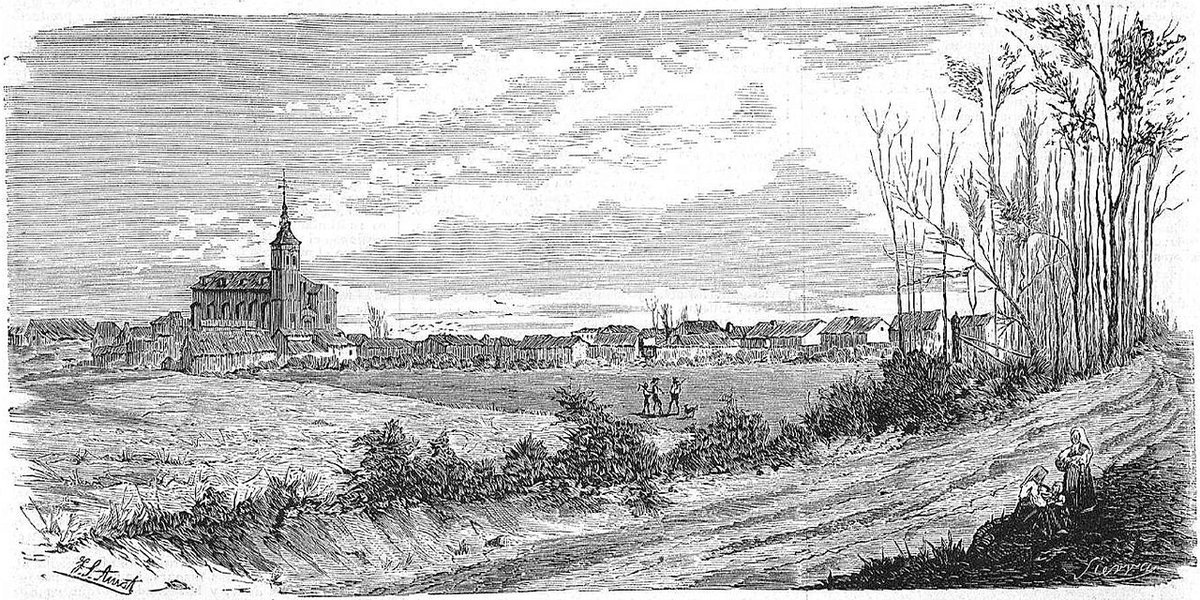
That it came from what was then a small village of barely a thousand inhabitants helps explain why the episode still holds such a central place in local memory. The document itself is part of a wider national story, but here it remains something close and immediate, tied to the identity of the town.
From agricultural village to metropolitan city
Móstoles lies about 18 kilometres south-west of Madrid, on the plain between the Guadarrama and Manzanares rivers. For centuries it was one of many agricultural settlements in the region, with a landscape shaped mainly by cereal farming, alongside smaller areas of vineyards and olive groves.
The origin of the name is uncertain. Some theories link it to a medieval surname, although documentation is limited and historians have not reached agreement. What is clearly recorded is that in the 16th century Móstoles was granted the status of villa, giving it a degree of administrative independence from nearby jurisdictions.
From that period survives the Iglesia de Nuestra Señora de la Asunción, the most recognisable historic building in the old centre. It has been altered over time, yet still preserves Mudejar elements in the apse and the tower, features that are not especially common in this part of the Madrid region.
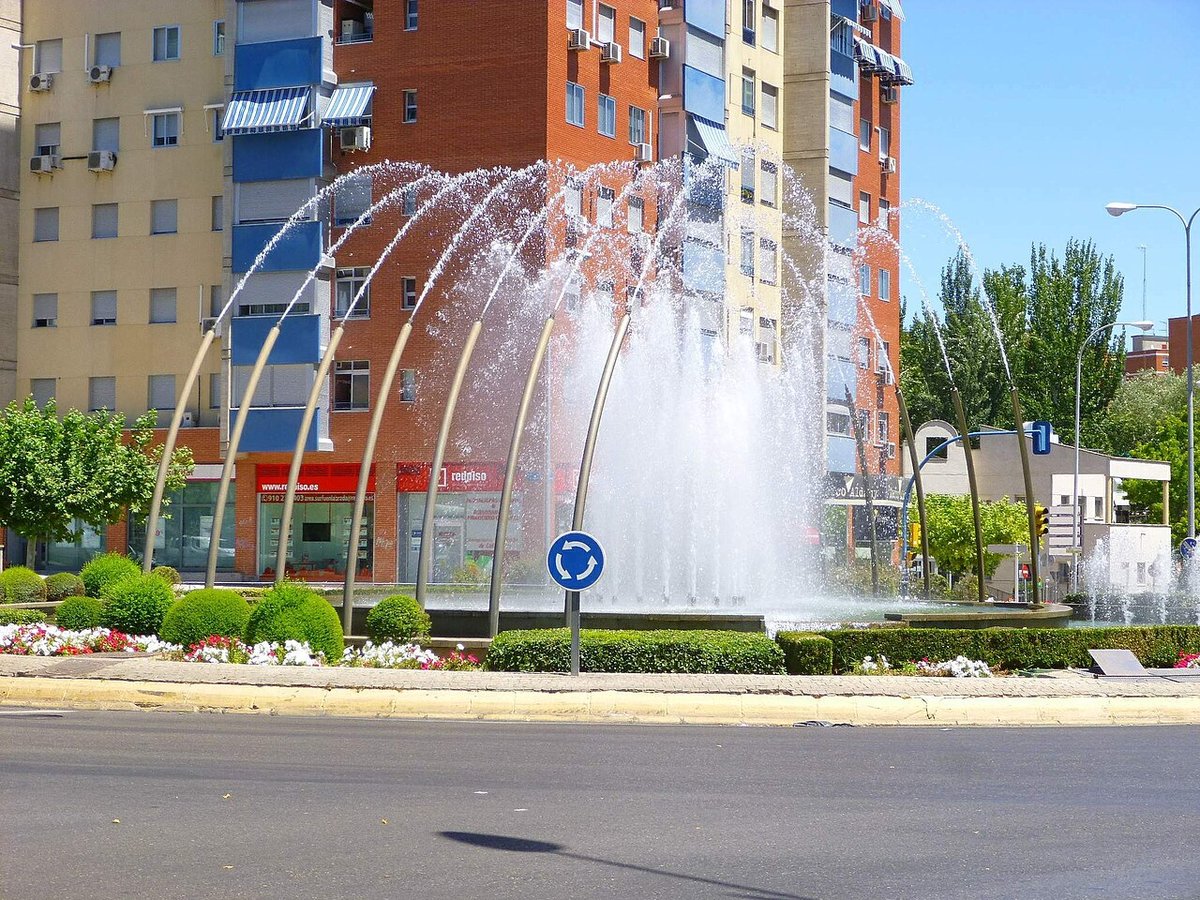
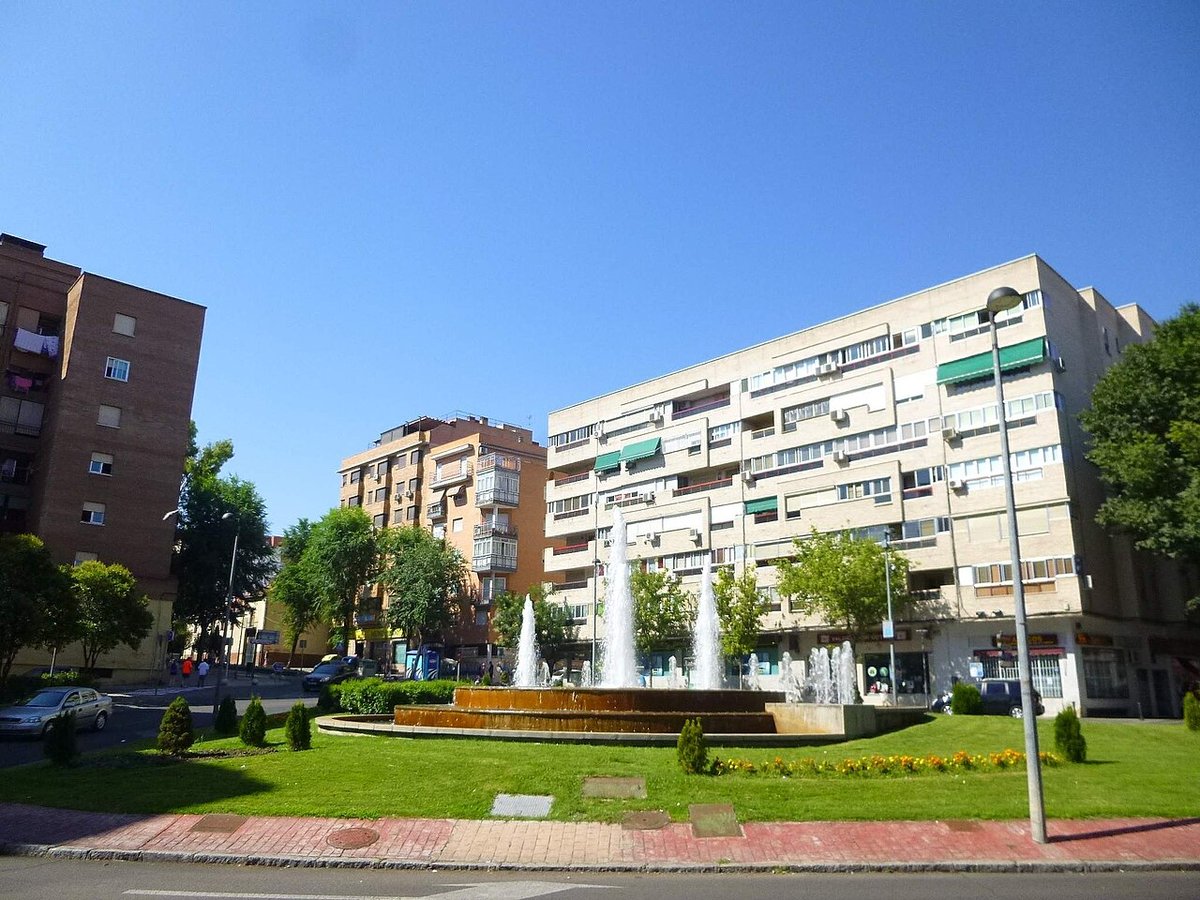
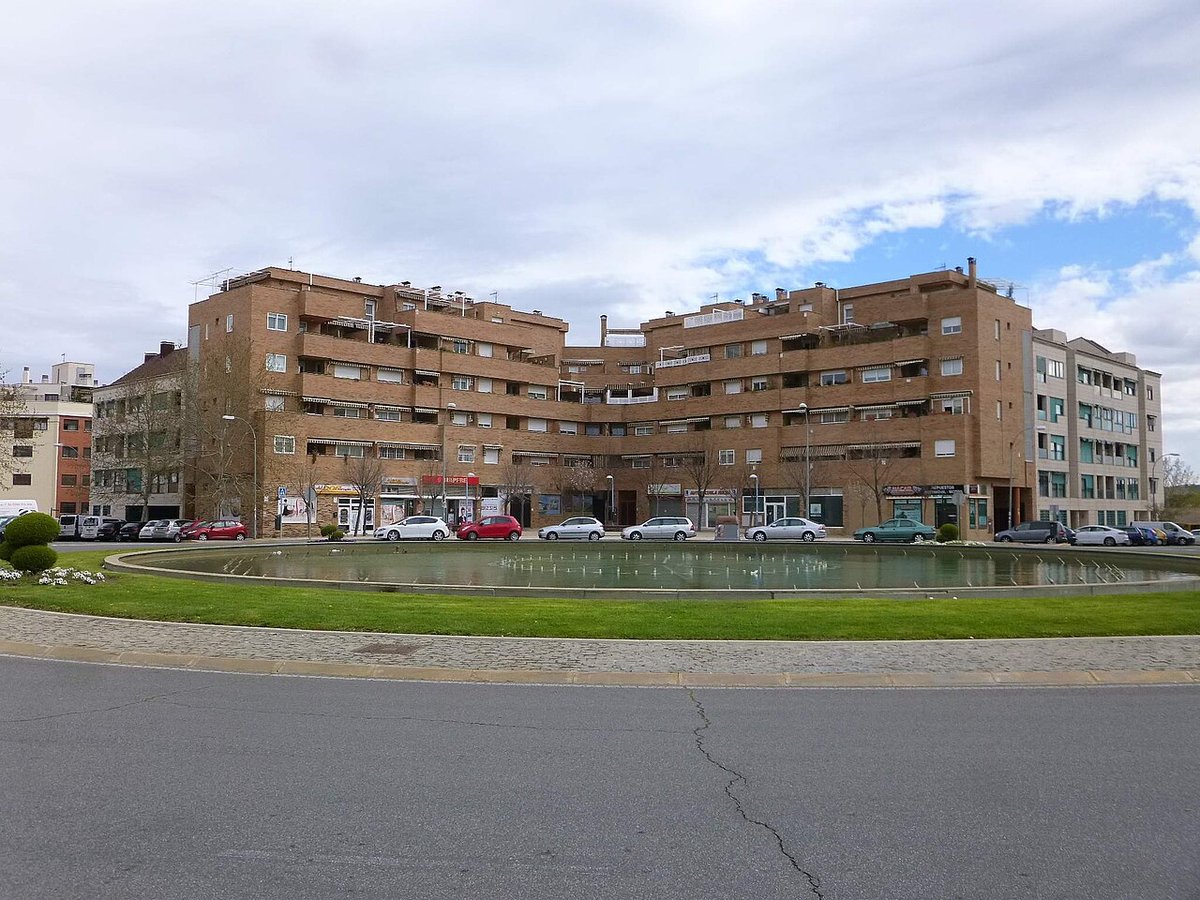
The most dramatic transformation came in the 20th century. From the 1960s and 70s onwards, Madrid expanded southwards and Móstoles shifted rapidly from an agricultural village to a large residential city. Its population grew quickly, and the municipality became almost fully absorbed into the wider urban area of the capital. What had once been a separate settlement is now part of a continuous metropolitan landscape.
The Centro de Arte Dos de Mayo
Among the city’s cultural institutions, the Centro de Arte Dos de Mayo (CA2M) stands out. It is dedicated to contemporary art and sits within the urban area, in a building defined by clean, restrained lines in a zone developed during more recent phases of growth.
The centre houses a collection linked to Spanish art from recent decades and hosts temporary exhibitions, educational activities and meetings with artists. Its presence in Móstoles reflects a broader cultural policy: to locate contemporary art institutions beyond the traditional concentration of museums in central Madrid.
For visitors interested in current artistic practices, it is worth setting aside some time. The exhibitions change regularly, and the approach tends to be more experimental than that of more conventional museums. This makes it a different kind of cultural stop compared with the better-known institutions in the capital.
The 2nd of May in local memory
The events of 1808 are not confined to history books. They shape the local calendar through the Fiestas del 2 de Mayo, which commemorate the signing of the bando with a mix of official ceremonies and popular activities over several days.
One of the most repeated gestures is the public reading of the document, usually from or near the town hall, accompanied by historical re-enactments and traditional music. The celebration also has a strong neighbourhood character. In a city that grew through the arrival of people from many parts of Spain, the festival works as a shared point of reference, bringing together different backgrounds under a common story.
The historic centre and traces of the old town
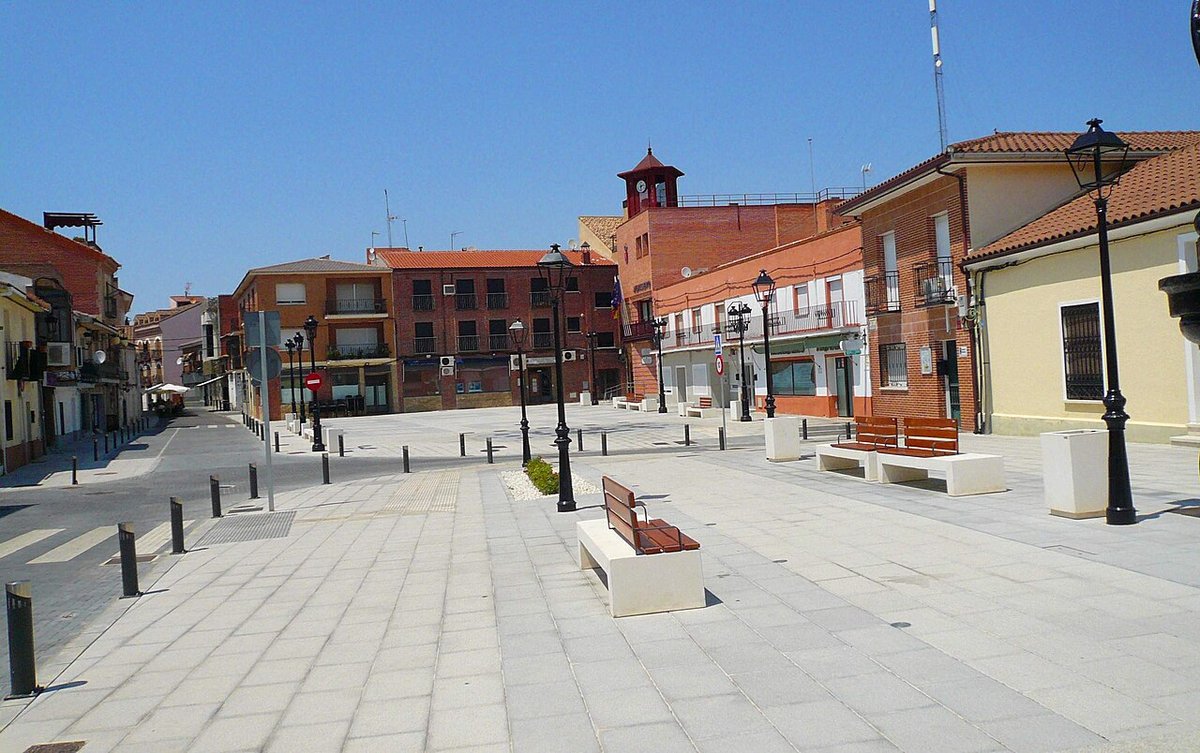
Despite the scale of urban expansion, the outline of the original village can still be recognised around the Plaza del Pradillo and the surrounding streets. It is not an extensive historic centre, but it does preserve a number of administrative buildings, the parish church and several streets that reflect the smaller scale of Móstoles before the rapid growth of the late 20th century.
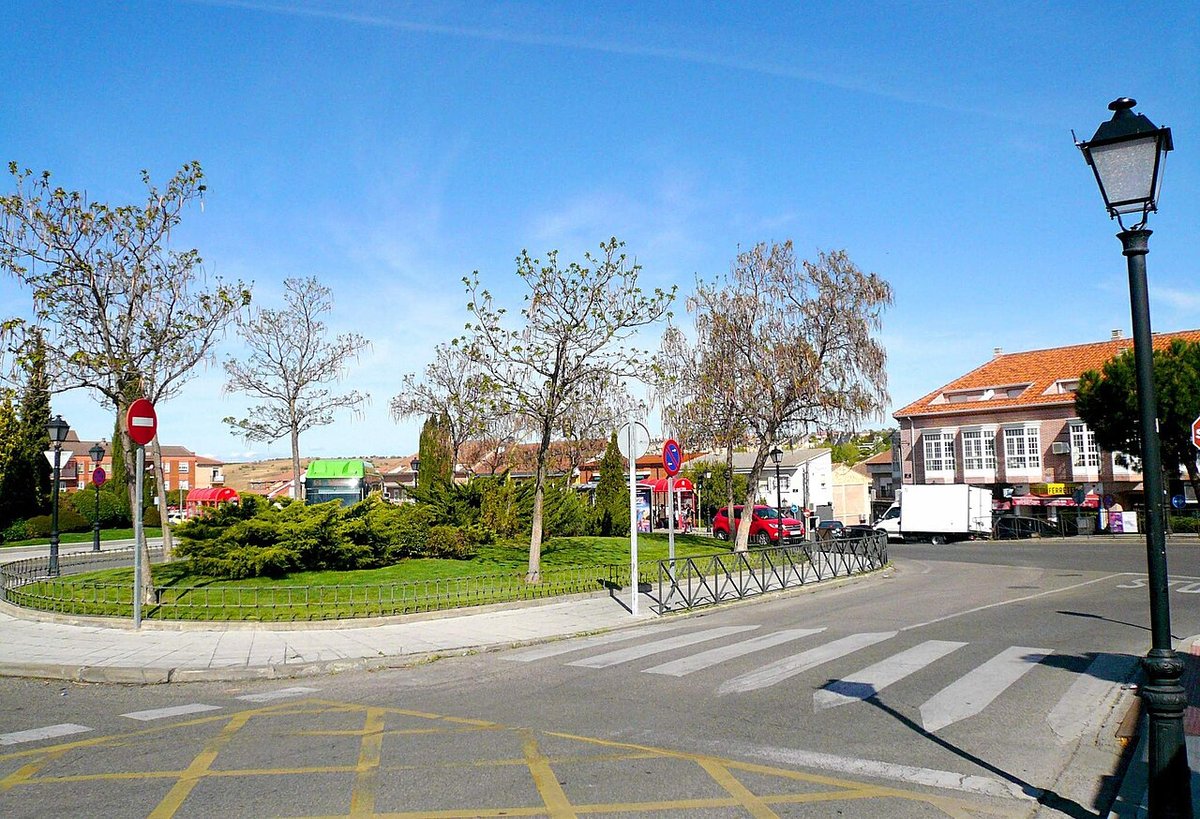
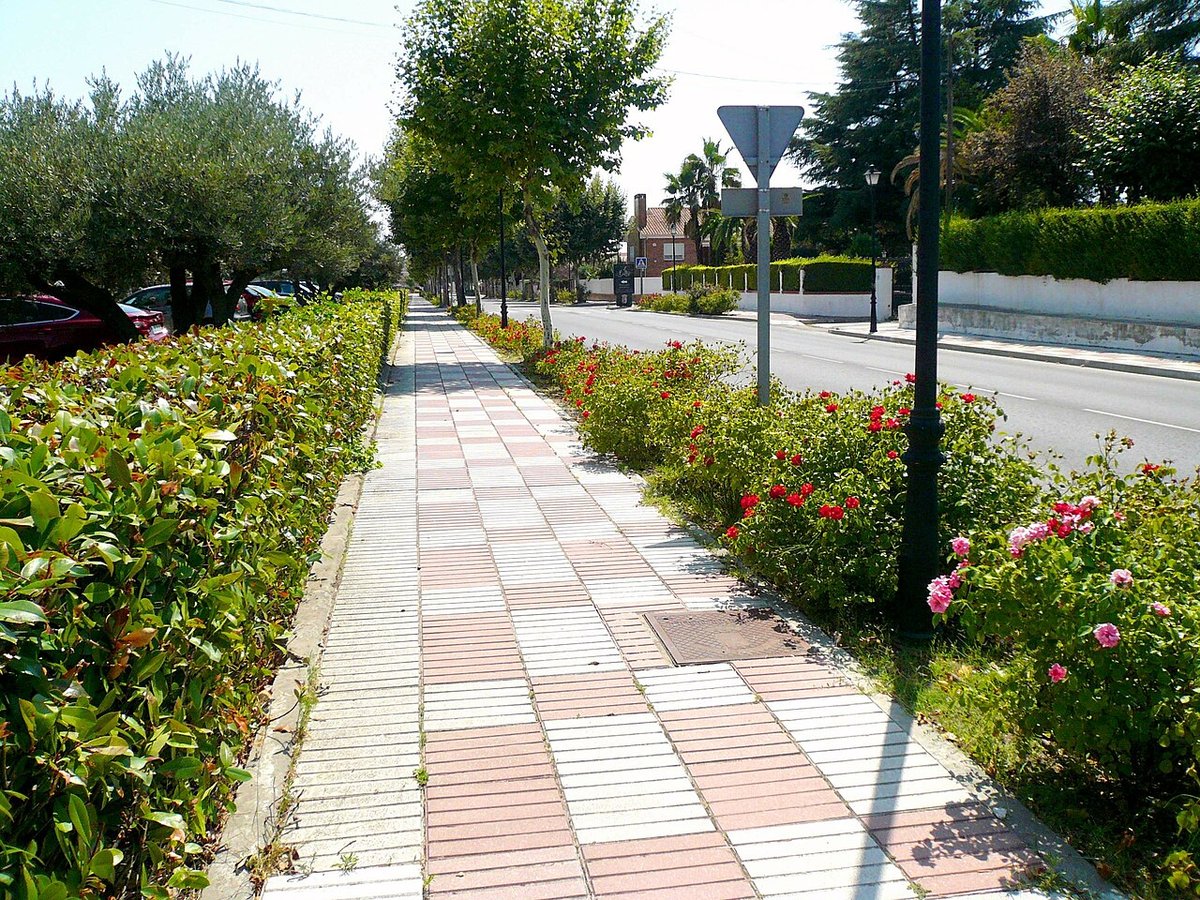
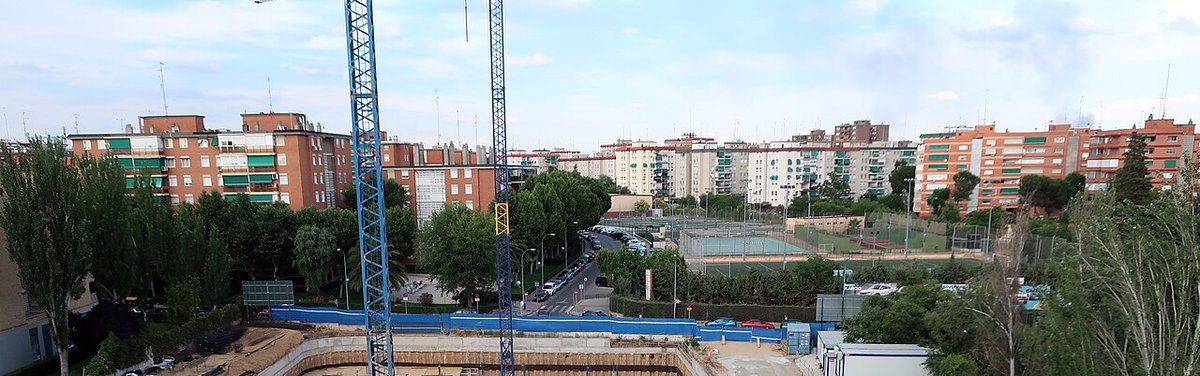
From there, the urban landscape changes quickly. Much of the city is made up of residential blocks, wide avenues and neighbourhoods built in successive phases of metropolitan development. This is a familiar scene across many towns to the south of Madrid, where expansion reshaped both the physical layout and daily life within just a few decades.
Getting there and getting around
Móstoles is well connected to Madrid by public transport, with rail and other links tying it to the capital and nearby municipalities. This accessibility has been key to its development as part of the metropolitan area.
Within the city, the historic core can be explored بسهولة on foot. The main square, the church and nearby civic buildings are close to one another, and the Centro de Arte Dos de Mayo is within walking distance from this area.
It helps to arrive with a clear sense of what Móstoles is. This is not a preserved village from another era, but a large city shaped by rapid growth, where rural past, historical memory and modern urban life sit side by side.