Full Article
about Navalcarnero
Royal town with a strong wine-making tradition and a pillared main square in Castilian style.
Ocultar artículo Leer artículo completo
The morning bus from Madrid climbs steadily for forty-five minutes before depositing passengers at 680 metres above sea level. At this altitude, the air carries a crispness absent in the capital, and the Sierra de Guadarrama appears sharp against the horizon. Navalcarnero isn't a hilltop village—it's built on a gentle plateau—but the elevation matters. Summer evenings stay refreshingly cool, while winter mornings bring frost that burns off by lunchtime, perfect conditions for the Garnacha vines that blanket the surrounding plain.
Brick, Wine and Daily Routine
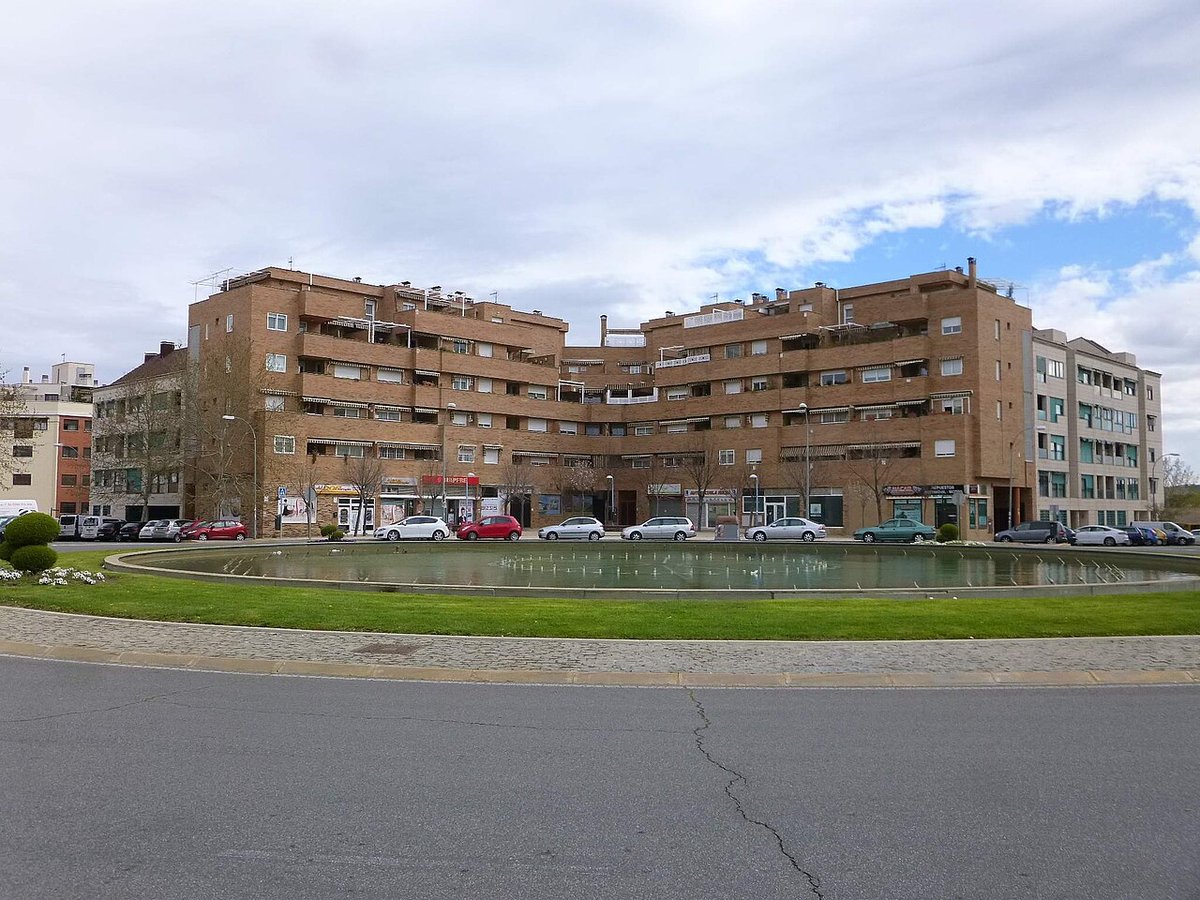
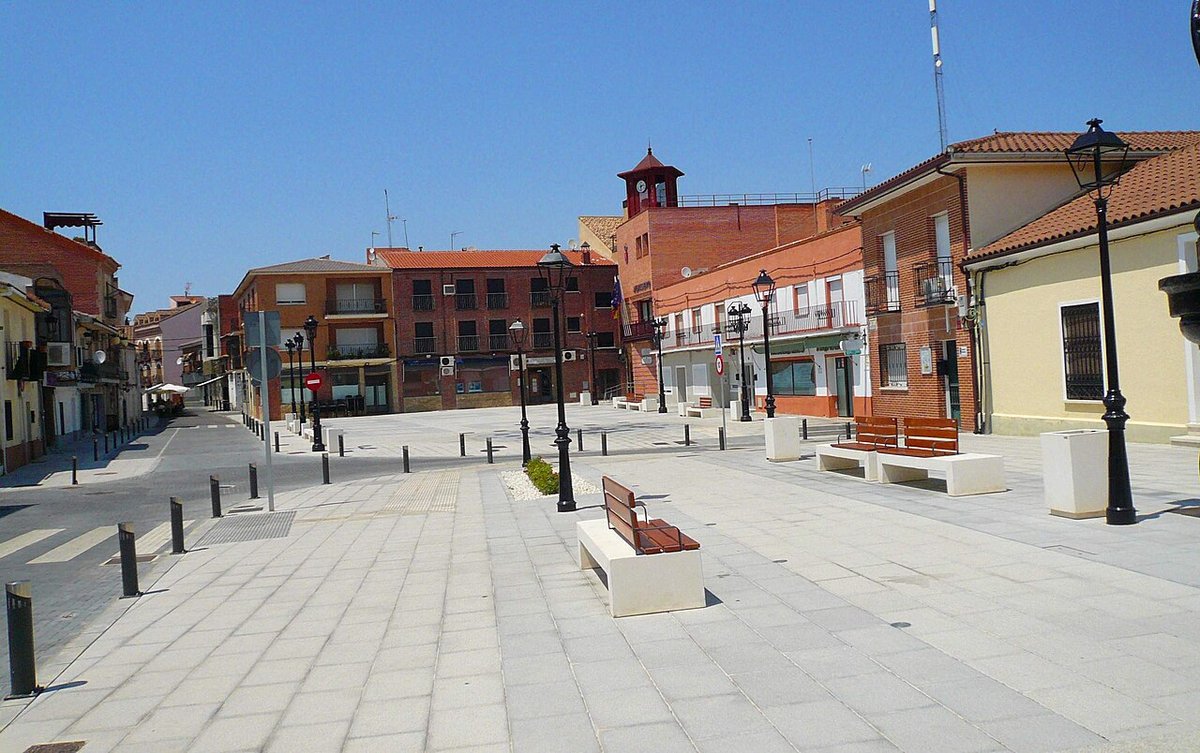
Plaza de Segovia forms the village's beating heart, though calling it a plaza undersells the space. This is more Castilian square than intimate Andalusian courtyard, wide enough for weekend markets and local football kickabouts. Red brick dominates every façade, from the eighteenth-century ayuntamiento to the church of Nuestra Señora de la Asunción. The colour shifts throughout the day: ochre at dawn, terracotta at midday, almost purple as the sun drops behind the western rooftops.
The church's baroque interior surprises those expecting stark Castilian simplicity. Gilded altarpieces gleam beneath simple brick vaulting, while locals pop in to light candles between shopping trips. There's no entrance fee, no roped-off sections—just working parish life continuing as it has for centuries. The contrast feels refreshing after Madrid's ticketed attractions.
Beneath the square lies Navalcarnero's other personality. Descend the stone stairs beside the tourist office to find Calle de la Oliva's wine caves, former storage tunnels now converted into tasting rooms. Saturday mornings see them busiest, when Bodegas Rivas offers free samples of their young red. The wine tastes thin after Rioja's intensity, but the price—often nothing—makes up for any shortcomings. Locals treat these sessions like pub rounds, buying bottles directly from the producer at €4-6 each.
Beyond the Square
The wine museum occupies a converted mansion five minutes' walk north. Interactive displays explain the Denominación de Origen Madrid classification, established in 1990 despite vines arriving here with the Romans. English audio guides work reliably, though staff admit most British visitors spend twenty minutes maximum before heading for the tasting room. They're missing the rooftop terrace, accessed via a narrow spiral staircase, which offers panoramic views across vineyards stretching toward the Sierra.
Casa de la Cadena sits almost unnoticed on Calle Real, marked only by an iron chain bolted beside the door. This sixteenth-century building once offered sanctuary to fugitives—the chain granted legal protection to anyone who touched it. Today it's municipal offices, but the guardia civil officer outside will explain the history if asked. His English stretches to "sanctuary" and "refuge," sufficient to convey the building's significance.
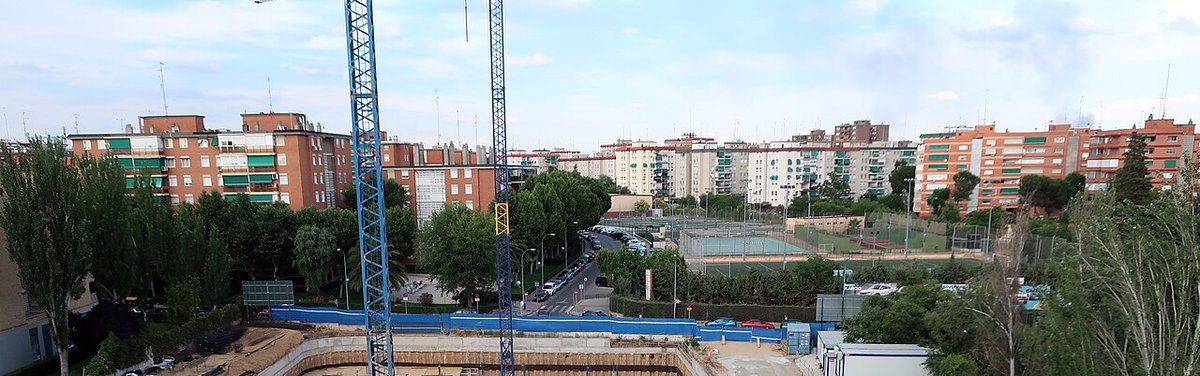
The ermita del Cristo de la Salud stands ten minutes further, past modern apartment blocks that jar against historic neighbours. This seventeenth-century chapel hosts Navalcarnero's major fiestas each September, when the village population swells by thousands. Visit midweek and you'll likely find it locked, but the surrounding plaza makes an excellent picnic spot. Buy supplies from SuperSol supermarket on the walk back—local sheep's cheese costs €8 per kilo, half Madrid prices.
What to Eat, When to Eat
Navalcarnero's restaurants follow strict Castilian schedules. Lunch service starts at 14:00 sharp—arrive earlier and doors remain locked, whatever Google claims. Most menus feature cocido madrileño, the hearty chickpea stew that fuels winter afternoons. At Mesón El Cordero, €16 buys a portion that defeats most appetites. The lamb version tastes familiar to British palates, reminiscent of Lancashire hotpot without the potatoes.
Olla del segador appears on autumn menus, a lighter chickpea and pork casserole that farmers traditionally ate during harvest. It's worth ordering at Restaurante Navalcarnero purely for the bread—baked across the square and still warm when served. Vegetarians struggle here; even the vegetable soup arrives with chunks of morcilla blood sausage floating like unwelcome surprises.
Wine lists exclusively feature local producers. Ask for a young white from Bodegas Andres Morate to accompany lunch—their Malvar grape grows nowhere else and tastes like Sauvignon Blanc with added herbs. Bottles retail at €3.50 in the attached shop, making impromptu purchases irresistible despite Ryanair baggage restrictions.
Getting There, Getting Back
The 528 bus from Príncipe Pío interchange runs every thirty minutes throughout the day. Journey time varies—morning services stop at every village, while evening expresses take thirty-five minutes direct. The €4.20 fare makes taxis uneconomical, though sharing a cab back costs €45 split between four passengers after the last bus departs at 21:45.
Driving offers flexibility but presents parking challenges. The underground car park beneath Plaza de Segovia fills by 12:30 on Saturdays, while street parking requires patience and slim vehicles. The new A-5 motorway junction shaves ten minutes off journey times but dumps traffic directly into the historic centre—expect queues on summer Sundays when Madrid families escape the city heat.
Winter visits bring their own rewards. January's San Antón celebrations feature a bonfire in the main square and free stew for early arrivals. The blessing of animals ceremony sees everything from chihuahuas in coats to horses tethered beside the church. It's authentically chaotic, completely unpolished for tourists, and genuinely moving in its simplicity.
The Honest Assessment
Navalcarnero won't overwhelm with beauty or bucket-list attractions. The brick architecture feels workmanlike rather than inspiring, while summer's exposed streets offer little shade during midday heat. Many businesses still close for siesta, frustrating visitors expecting continuous service. The wine, while improving, rarely matches Rioja's complexity or Ribera's power.
Yet these supposed shortcomings create the village's appeal. This remains primarily a place where people live, not a museum curated for foreign enjoyment. Prices stay reasonable because locals wouldn't tolerate otherwise. Conversations flow easily—gestures and phrasebook Spanish suffice—because residents haven't grown weary of tourism's demands.
Come for Saturday morning's wine tastings, stay for lunch, wander the vineyards as afternoon shadows lengthen. Navalcarnero works perfectly as a gentle introduction to Castilian life, close enough to Madrid for comfort yet sufficiently removed to feel genuine. Just remember to check bus times before that second bottle—taxis to Madrid cost more than most weekend breaks.