Full Article
about Parla
Large southern city with a strong transport network and parks; its tram and diversity stand out.
Hide article Read full article
A town that grew into a city
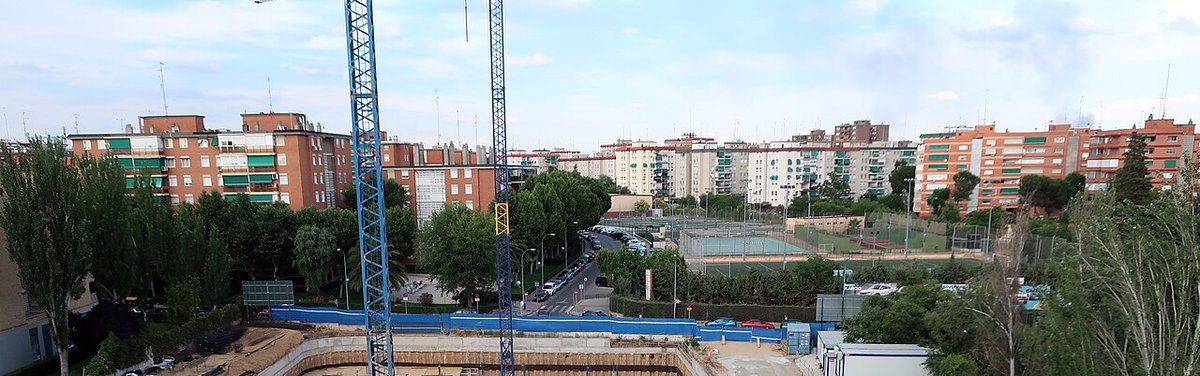
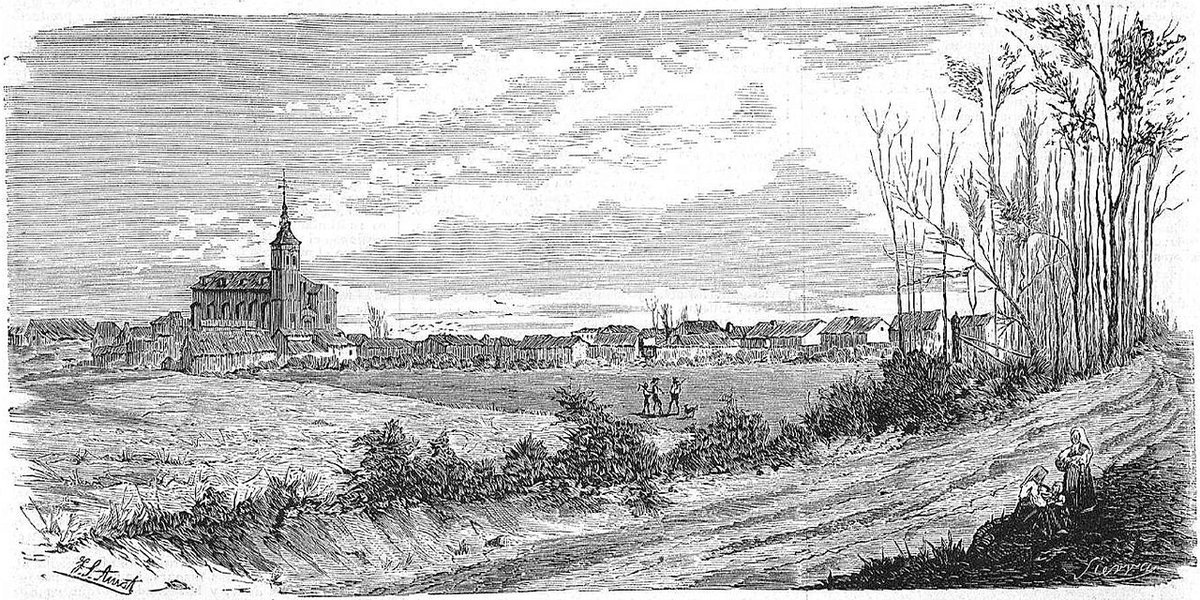
Parla lies to the south of Madrid, about twenty kilometres from the capital, on a flat plain that was agricultural for centuries. Today it clearly exceeds one hundred thousand inhabitants and forms part of the continuous urban area that stretches across the southern edge of Madrid. Its expansion is relatively recent. For much of the twentieth century it remained a farming village, focused mainly on cereals and olives, until its scale changed as people began arriving who worked in Madrid.
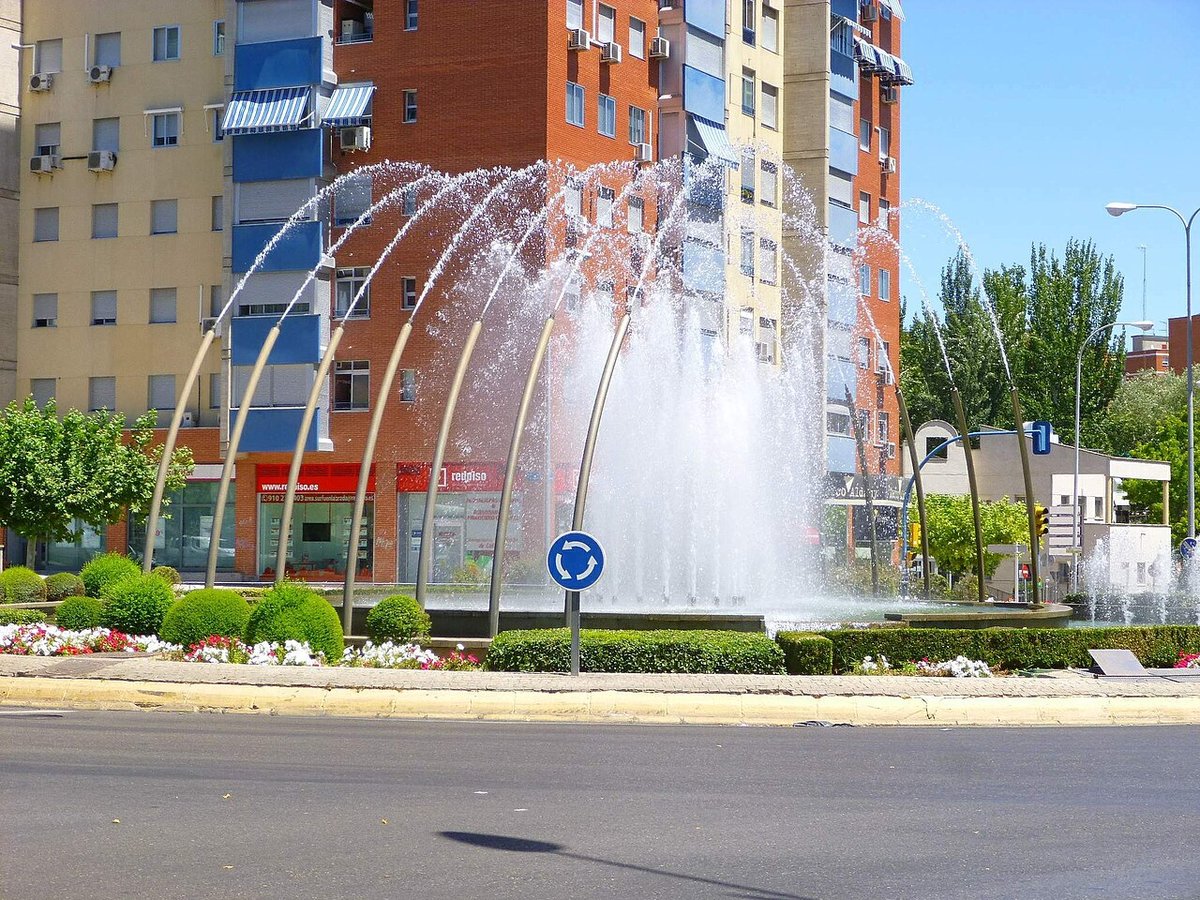
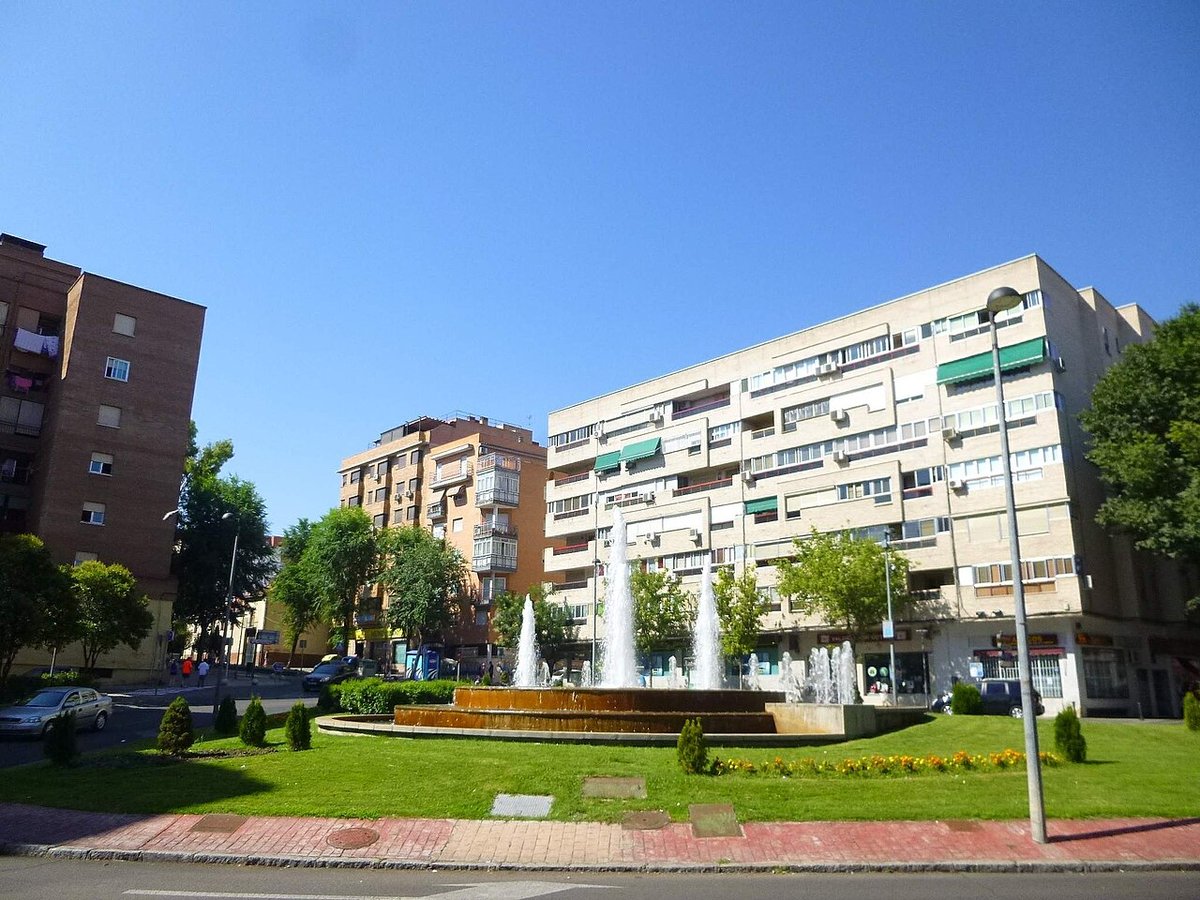
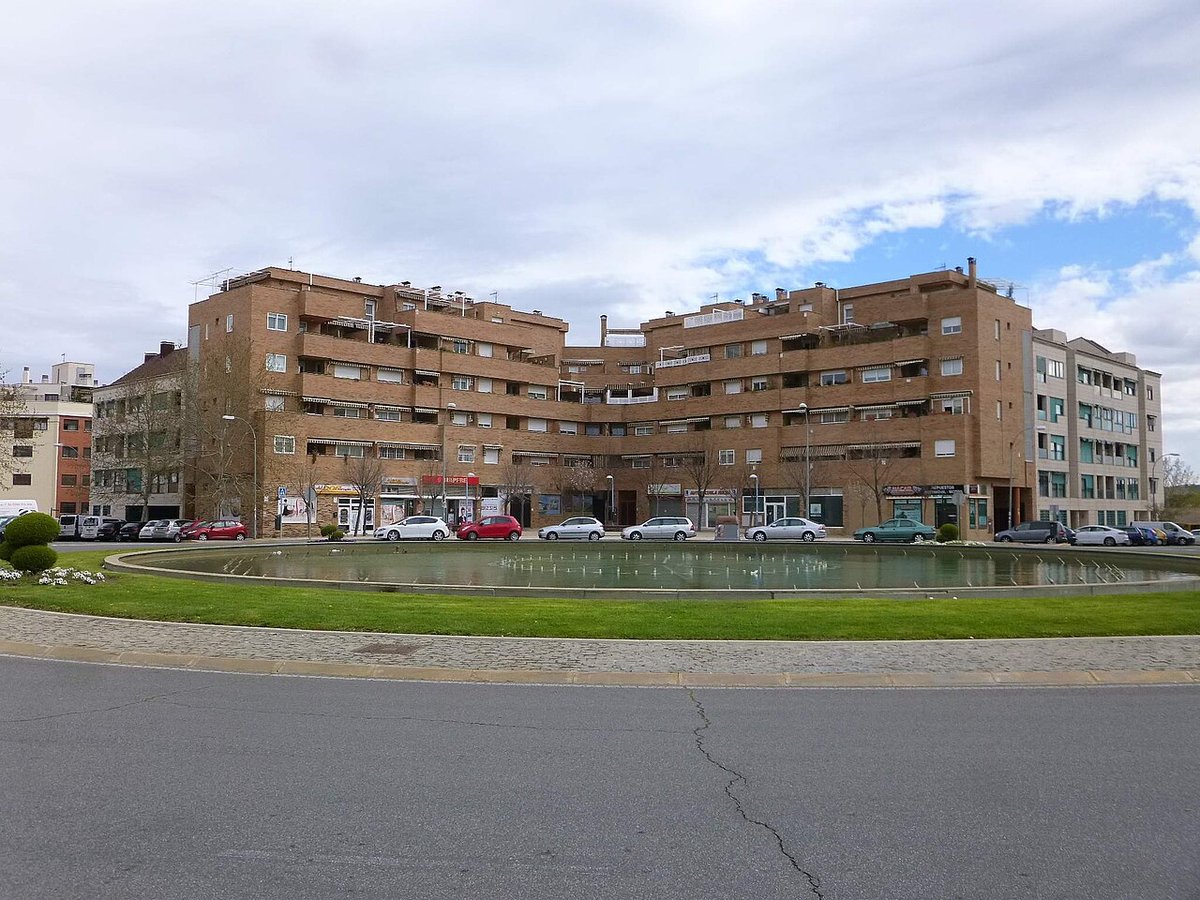
That contrast, between the old centre gathered around the church and the neighbourhoods built from the 1970s and 1980s onwards, explains much of what can be seen today. The past has not disappeared, but it sits alongside wide avenues and modern residential areas that reflect rapid growth in the late twentieth century.
The church hill and the earliest settlement
The historic centre rises around what is known as the Cerro de la Iglesia, a slight elevation that breaks the otherwise flat landscape. It is not a dramatic hill, yet in terrain like this it is enough to shape how a settlement forms. Many towns in the area developed in a similar way: a church, a cluster of houses nearby, and open fields stretching out in every direction.
The Iglesia de Nuestra Señora de la Asunción began construction in the early sixteenth century and has been altered over time. The building combines elements of late Gothic style with later additions, something common in Castilian parish churches that have been adapted across generations. More than its architectural details, its importance lies in its role as the centre of the old village. The square, the oldest streets and much of public life were organised around this point for centuries.
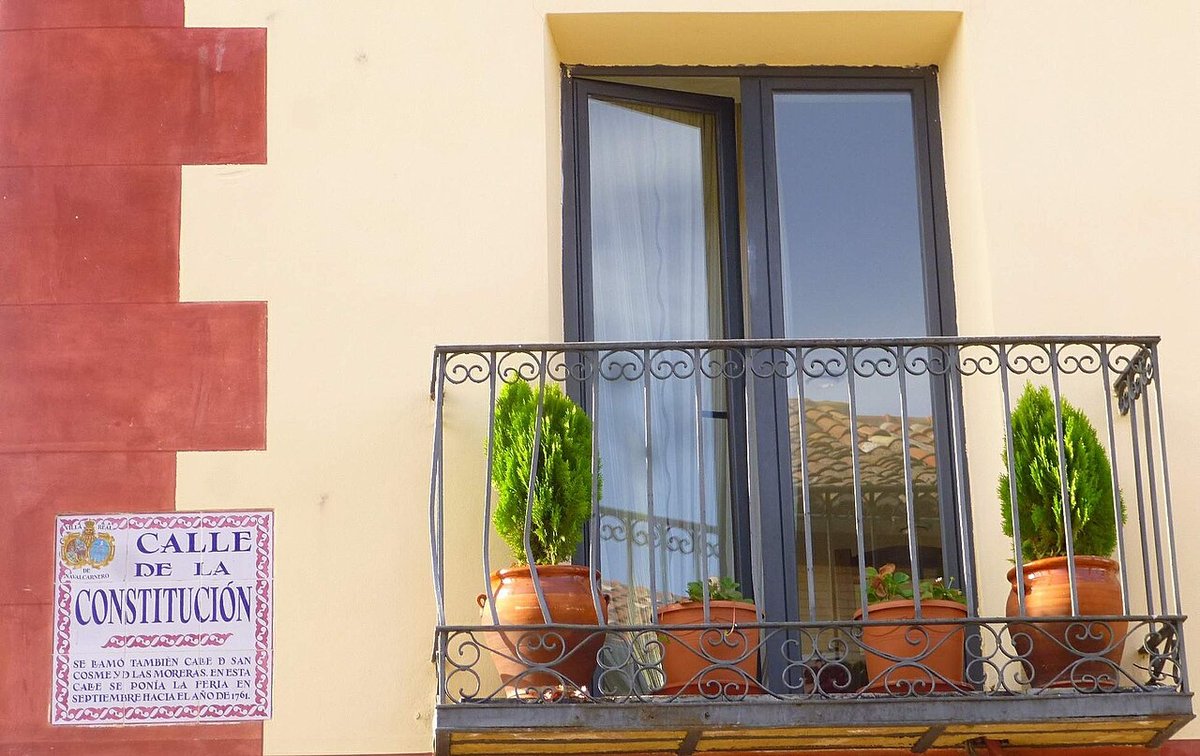
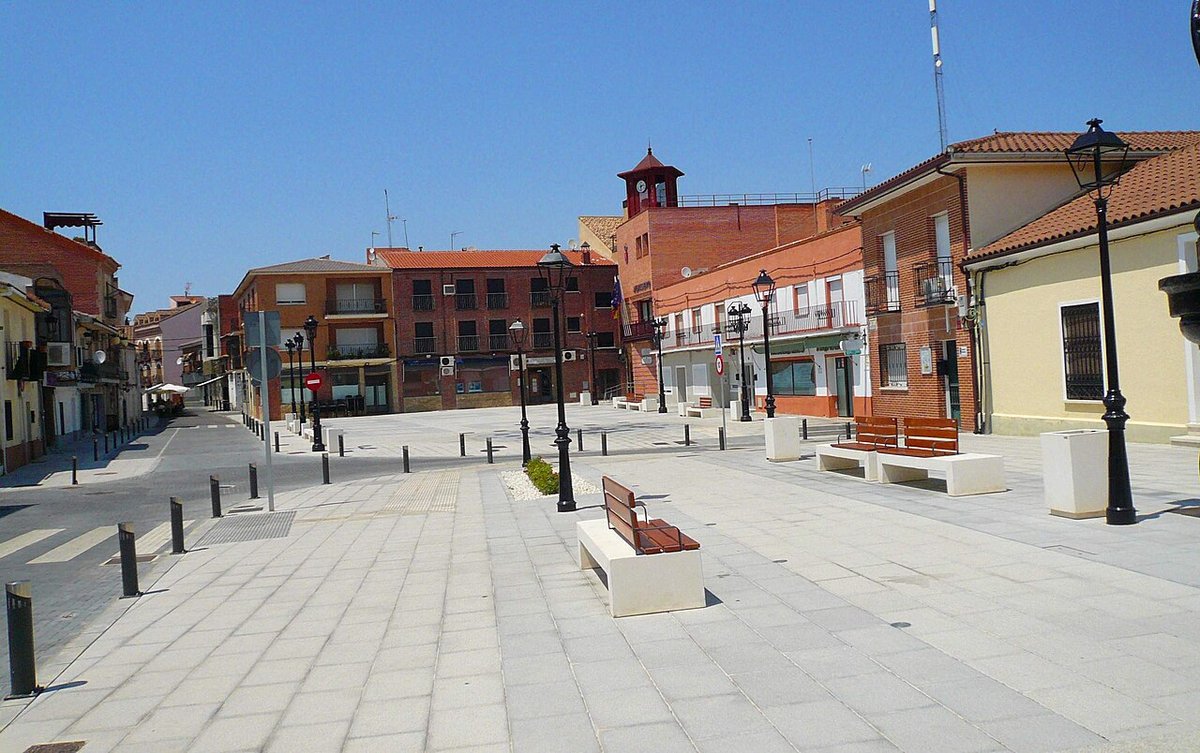
Walking through this part of Parla, the scale still feels closer to that of a village than a city. Narrower streets and modest buildings offer a sense of how the settlement functioned before the expansion of recent decades.
Bartolomé Hurtado and the Ermita de la Soledad
One of the historical figures associated with Parla is Bartolomé Hurtado, a seventeenth-century architect who worked for the Crown. He is often linked to projects connected with the surroundings of El Escorial and with royal architecture of his time. Local tradition holds that he was born here and maintained ties to the town even after his career at court.
He is credited with building or promoting the Ermita de la Soledad, located on the outskirts of the old centre. It is a simple structure, typical of small chapels linked to popular devotion, and it plays a role in one of the town’s most rooted celebrations. During the September romería, a traditional pilgrimage, many residents walk there along a path that rises gently from the centre.
Inside the hermitage there is a well known as the Calderillo, to which popular tradition attributes healing properties. This detail adds a layer of local belief to a building that is otherwise modest in appearance but firmly embedded in the town’s cultural life.
From farmland to metropolitan edge
Until the second half of the twentieth century, Parla depended largely on agriculture. Dry farming dominated the landscape, with wheat, barley and olive trees covering most of the municipal area. The shift came with Madrid’s expansion and the construction of new neighbourhoods for those seeking housing outside the capital.
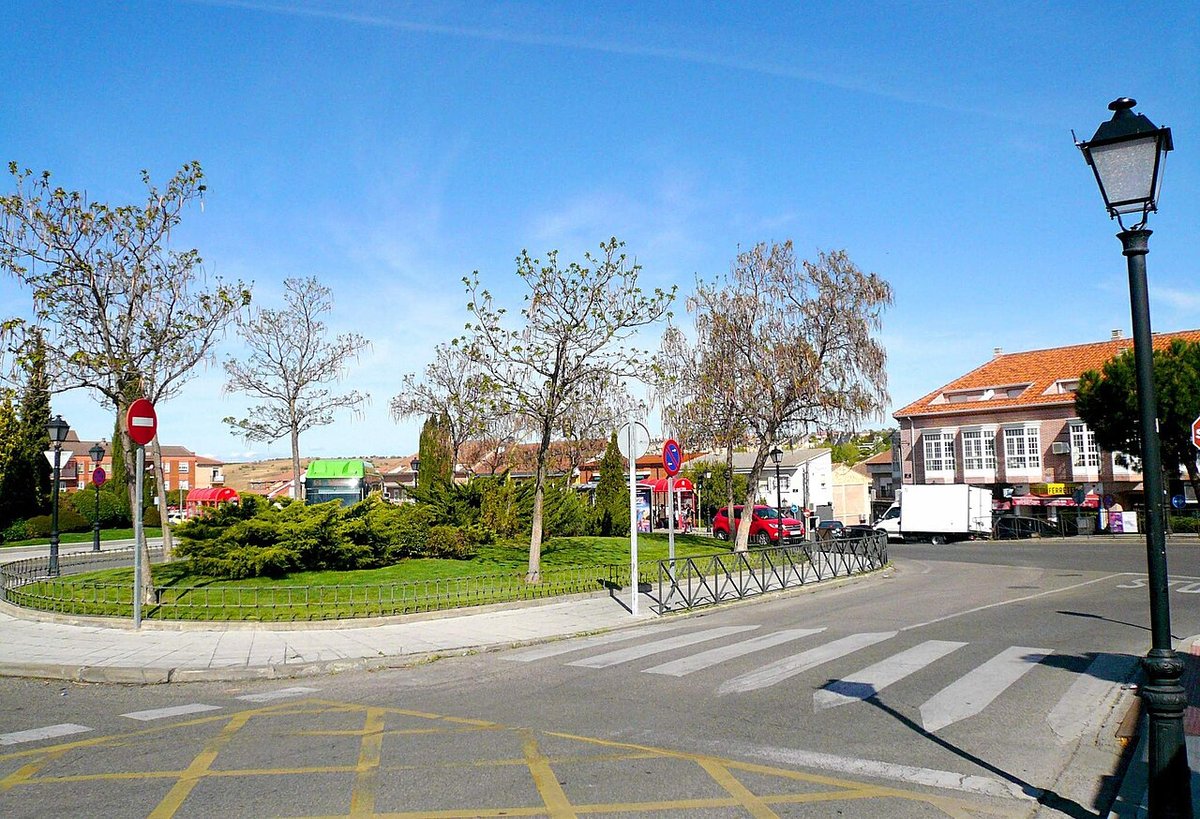
Between the 1970s and the 1990s, the population grew rapidly and the urban landscape changed completely. Large residential zones appeared, along with broad avenues and new infrastructure linking the town to the rest of southern Madrid. These developments reshaped Parla into part of a wider metropolitan area rather than a separate rural settlement.
Despite this transformation, the historic core around the church still preserves its earlier scale. Some stretches of narrow streets remain, offering a reminder of the agricultural past that defined the town for so long. The contrast between these older areas and the newer districts is one of the most noticeable features of Parla today.
Walking the edges of the old town
Although much of the municipality is now urbanised, the edges of the historic centre still offer paths that hint at the earlier landscape. Some routes lead towards areas of olive groves and former farmland that once surrounded the village.
There are also walks that follow small seasonal streams and gentle gullies in the terrain. In spring, when water returns and vegetation begins to grow, these paths reveal a quieter side of Parla. The setting reflects the open countryside typical of southern Madrid, with wide horizons and little variation in elevation.
These are short walks, more local in scale than full excursions, yet they help place the town within its original setting. They also provide a way to understand how the settlement related to its surroundings before urban expansion reshaped the area.
Local traditions and everyday cooking
In Parla, many of the foods associated with celebrations are not centred on restaurants but on neighbourhood associations and peñas, social groups that organise activities during local festivities. During patron saint festivals and other events in the local calendar, these groups prepare communal meals.
The dishes that appear are typical of inland Madrid. Gachas, hearty winter stews, rosquillas linked to spring festivities, and traditional sweets that are also found in other towns across the region all feature. This is cooking tied to gathering and shared occasions rather than formal menus, reflecting a social way of eating that continues to shape local celebrations.
Getting your bearings
Reaching Parla from Madrid is straightforward by commuter train or by road, and the station sits a short distance from the centre.
To understand the town’s origins, the most logical starting point is the area around the church and its surrounding streets. In less than an hour, the old core can be covered on foot, making it easy to grasp the difference between the original agricultural settlement and the city that grew up around it in later decades.