Full Article
about Pinto
Historic town with a medieval tower; it has large parks and the Arqueopinto archaeological park.
Hide article Read full article
A town on the southern edge
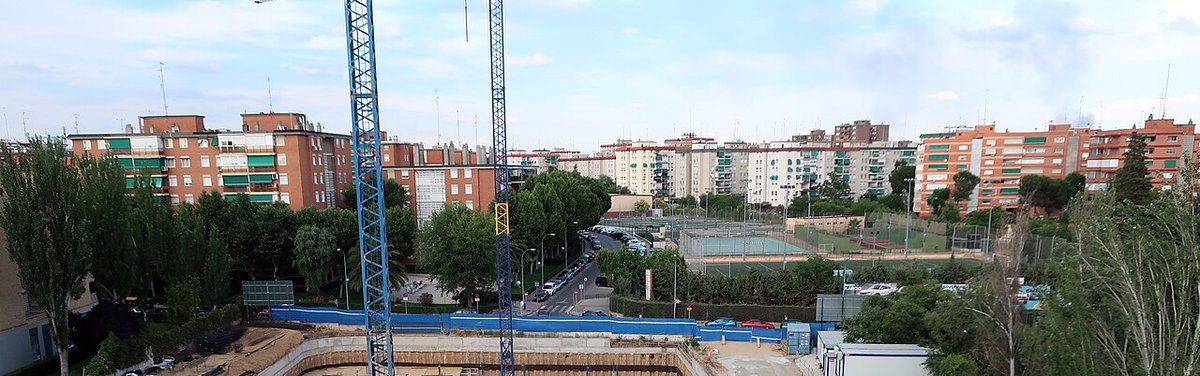
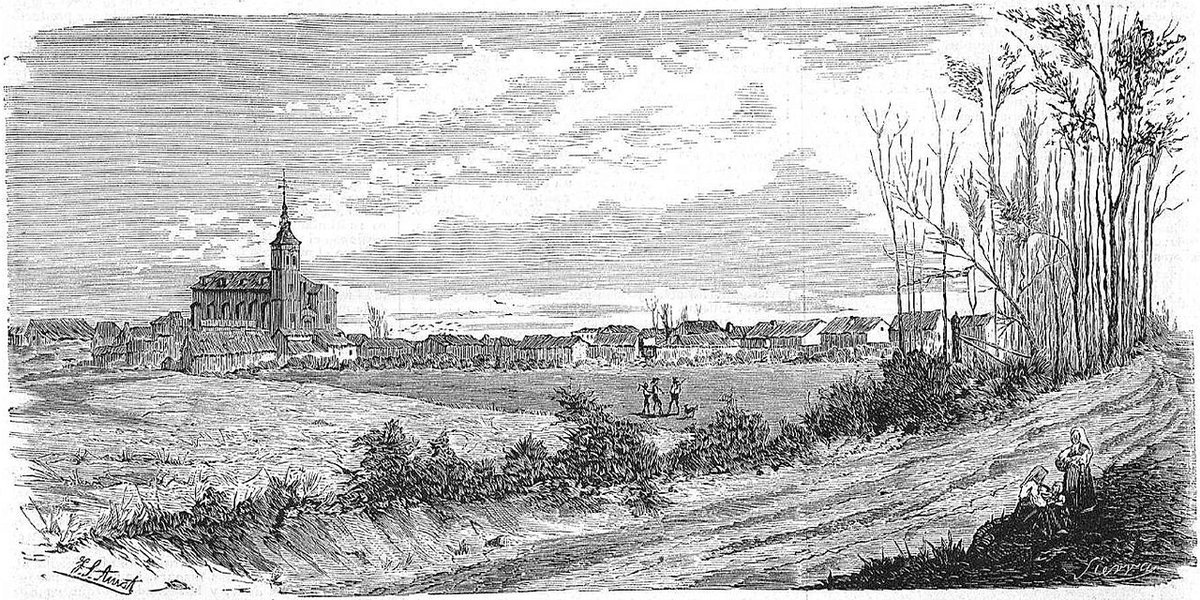
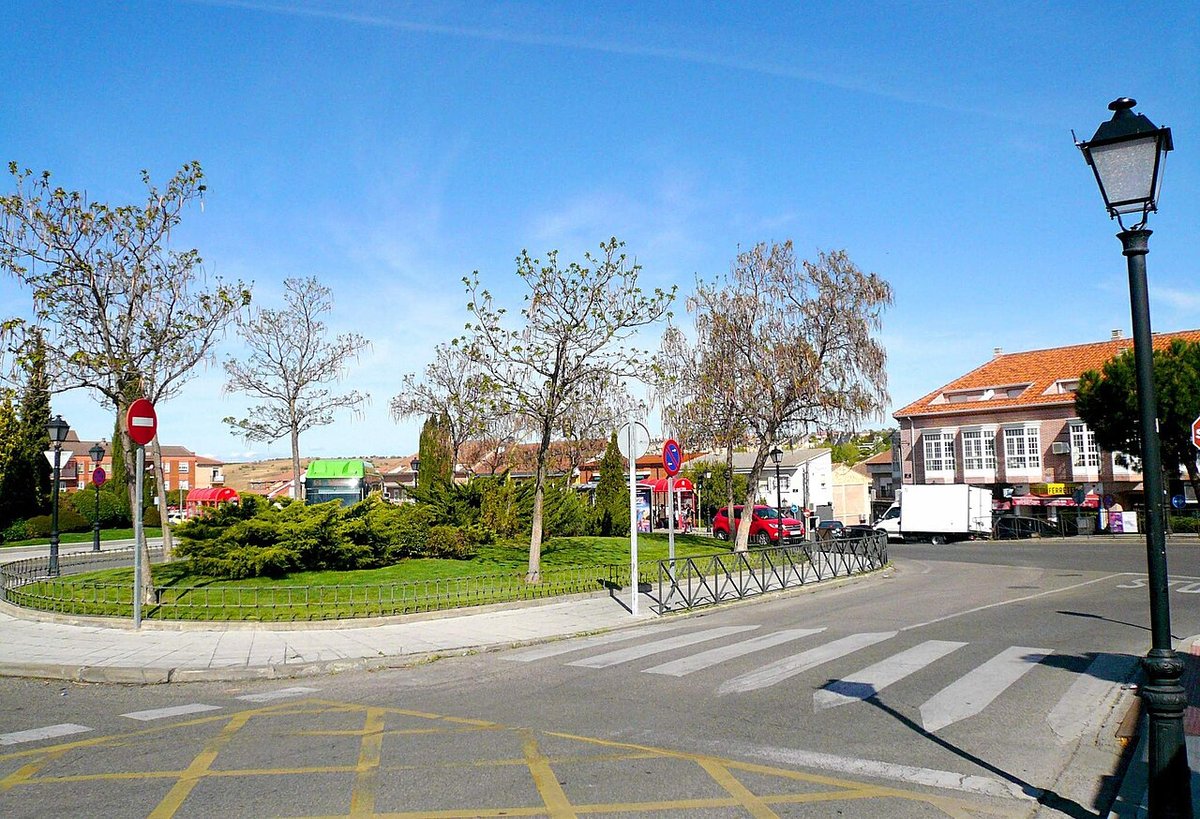
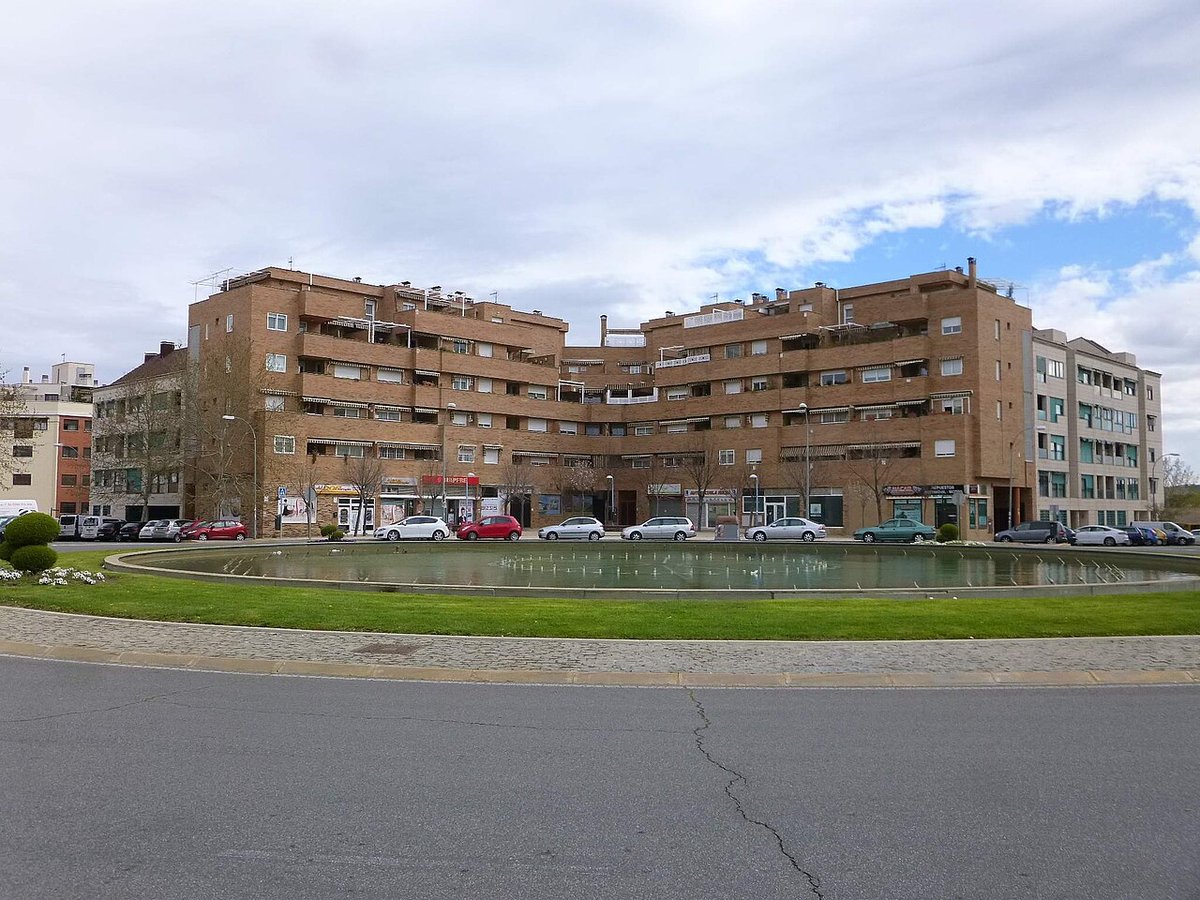
By late morning, when the sun is already warming the reddish soil south of Madrid, the view from a commuter train begins to shift. Open fields give way to rows of brick houses, and an ochre patch grows steadily closer. That is Pinto: a municipality beside the A‑4 and the logistics hubs of the southern metropolitan area, yet with a past that stretches far beyond its newer neighbourhoods.
Its present-day rhythm is tied closely to Madrid. The local train station channels a daily flow of people heading to and from the capital, shaping routines and giving the town a sense of constant movement. At the same time, traces of its agricultural layout still linger, visible in the edges where development gives way to open land.
The tower that once held prisoners
The Torre de Éboli rises in the middle of the urban centre with little warning. One moment there are ordinary streets, then suddenly a solid mass of stone stands at a crossroads. Nearly thirty metres high, built in masonry, it has served as fortress, noble residence and state prison.
Inside, the spiral staircase slows the pace. The stone holds a dry scent, warmed by the plateau sun, while light slips in through narrow arrow slits, offering only fragments of sky. The climb feels enclosed, measured step by step.
From the top, Pinto spreads out in an uneven fan. Tiled roofs sit alongside buildings from the 1960s, and the bell tower of Santo Domingo rises above the central streets. In the 16th century, the Princess of Éboli was confined here by order of Philip II. That story has stayed attached to the tower ever since, almost inseparable from its identity. On the façade, carved noble coats of arms are still visible, though many pass by without looking up.
Access to the interior is not always guaranteed. Visits tend to depend on cultural schedules that vary with the season, so checking in advance at the local museum or municipal office is usually necessary.
A place that calls itself the centre
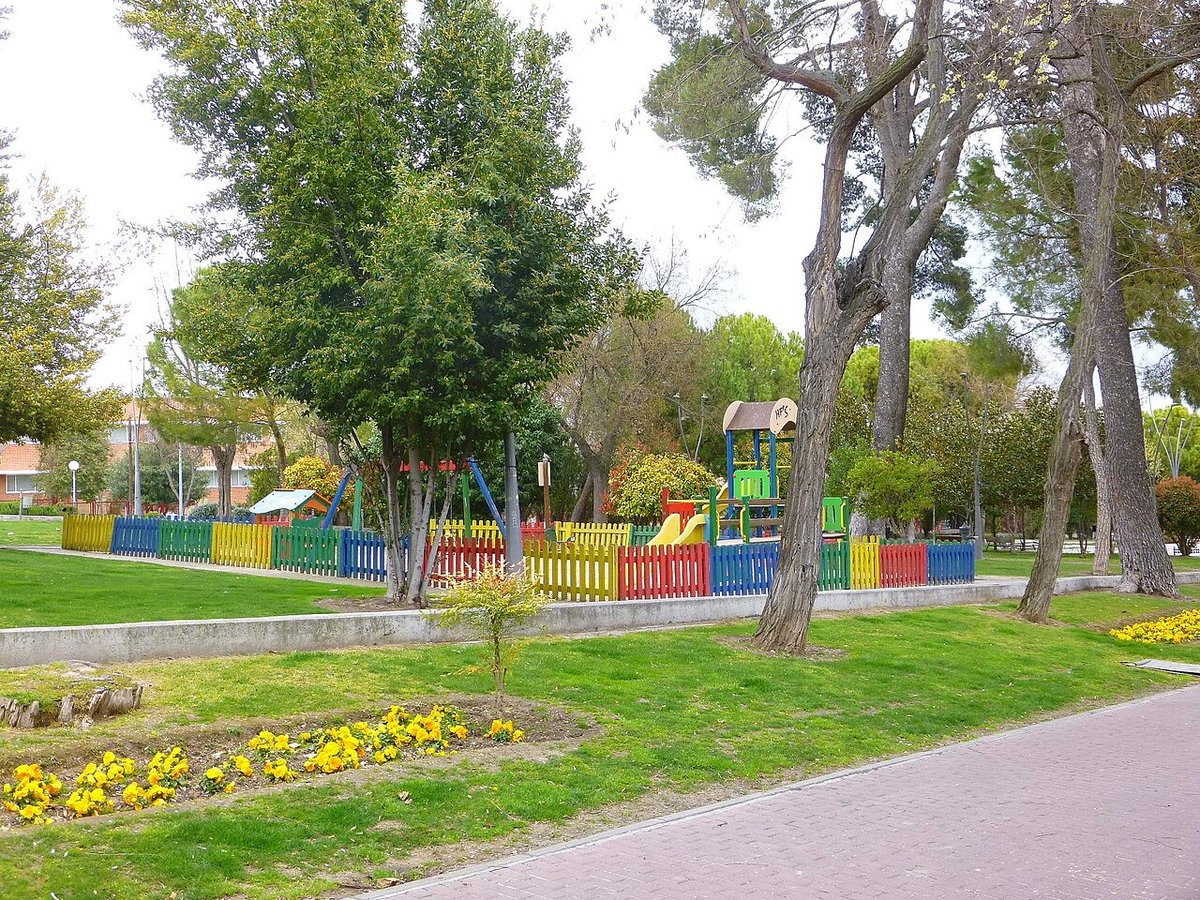
Near the Egido de la Fuente park stands a granite monolith marking what was once considered the geographical centre of the Iberian Peninsula. Modern calculations question that claim, but the idea remains part of local identity.
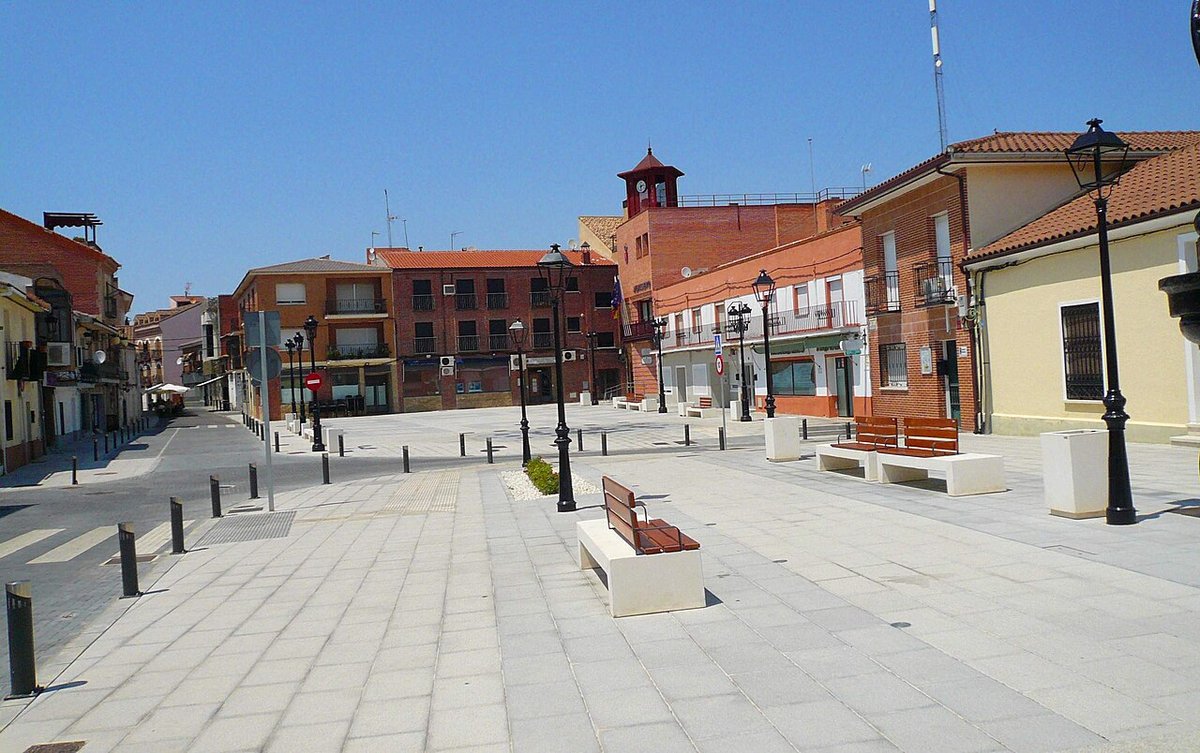
The surrounding area is one of the quietest parts of town. Early in the afternoon, when the heat falls directly onto the asphalt, the central streets almost empty out. Shutters are pulled down, a bicycle might pass slowly, and the steady hum of air conditioning fills the background.
Close by is the Casa de la Cadena, a historic building bearing the coat of arms of Charles III. Popular tradition links it to an old right of asylum. That connection survives in a saying still repeated by some residents: «Vete a Pinto y entra en Pantoja». The phrase became a symbol of refuge in a region that for centuries lay along the route between Madrid and La Mancha.
This sense of passage has not disappeared. Pinto continues to sit between movement and pause, shaped both by commuters and by quieter corners that hold onto older patterns.
Seasonal flavours and shared kitchens
When colder months arrive, some homes return to slower cooking. Gachas are prepared in Pinto in a slightly milder style than those in La Mancha. Toasted flour, oil, garlic and paprika are stirred gradually until the mixture thickens. Each household has its own version, and the dish does not always appear in restaurants. It often remains part of domestic cooking, made when there is time to gather around the stove.
Rosquillas take centre stage around the May festivities. Stalls at the market and improvised tables in the square display trays of different varieties, flavoured with aniseed, lemon or wine. Some neighbourhood associations and brotherhoods keep the tradition alive by making them in an artisanal way, shaping them and turning them in hot oil using wooden sticks, as was done in the past.
Food here follows the rhythm of the year rather than fixed menus. What appears on the table depends on season, habit and the persistence of local customs.
Paths beyond the usual routes
On the boundary with Valdemoro, among young pines and rosemary scrub, lies a small system of Civil War trenches. They are not always signposted and can easily go unnoticed among dirt paths used by cyclists and runners.
A closer look reveals zigzagging excavations and small hollows that once served as defensive positions. The setting carries a sense of abandonment: scattered remains, fine dust lifting in the wind, and the sharp scent of rosemary when the sun intensifies.
From there, paths lead back towards the town, connecting with the old cañada real, one of the traditional livestock routes that crossed the peninsula. On higher ground stands the ermita del Cristo del Calvario, a simple white building where residents still go to light candles. From this point, the mix that defines Pinto becomes clear. The old centre, newer districts, industrial estates and the open fields beyond the roads all fit into a single view.
In the distance, there is always a background sound: a train arriving at the station or the steady murmur of the motorway.
When the town shifts its pace
During the week, the centre tends to remain calm. Daily life follows a steady rhythm, shaped by work schedules and quieter afternoons. In August, the patron saint festivities change that atmosphere noticeably. Streets fill late into the night, and the town takes on a more animated tone for a while.
Outside those periods, Pinto keeps a balance between movement and stillness. It is a place where modern routines meet older traces that have not entirely faded, and where both can be seen without needing to look far.