Full Article
about Serranillos del Valle
Residential municipality in the Sagra region of Madrid; quiet, family-friendly atmosphere.
Ocultar artículo Leer artículo completo
The only British voices you're likely to hear in Serranillos del Valle belong to the occasional Ryanair cabin crew on a cheap Madrid stop-over. TripAdvisor UK tallies barely fifteen reviews, and the village earns not a single line in any English-language guidebook. That anonymity is precisely what makes it useful: a place to park the hire car, breathe properly, and eat a three-course lunch for under fifteen quid while Madrid thrums forty-five minutes up the road.
A Grid That Never Made a Postcard
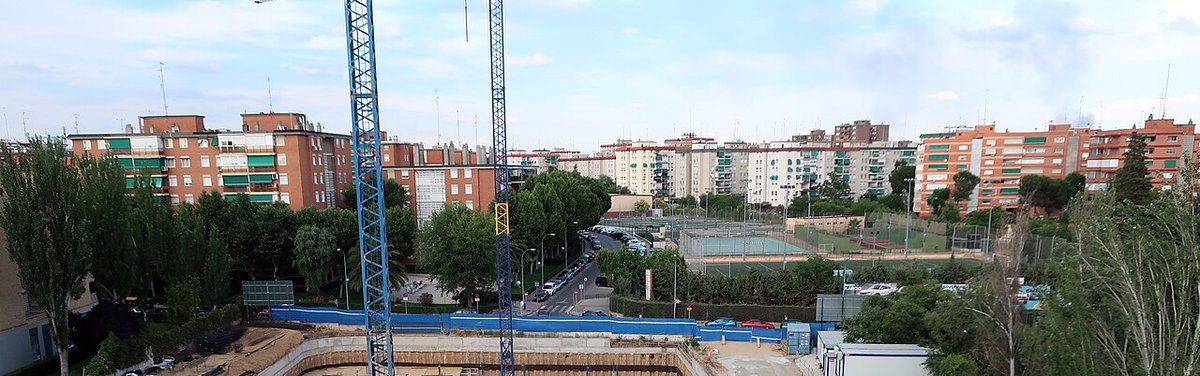
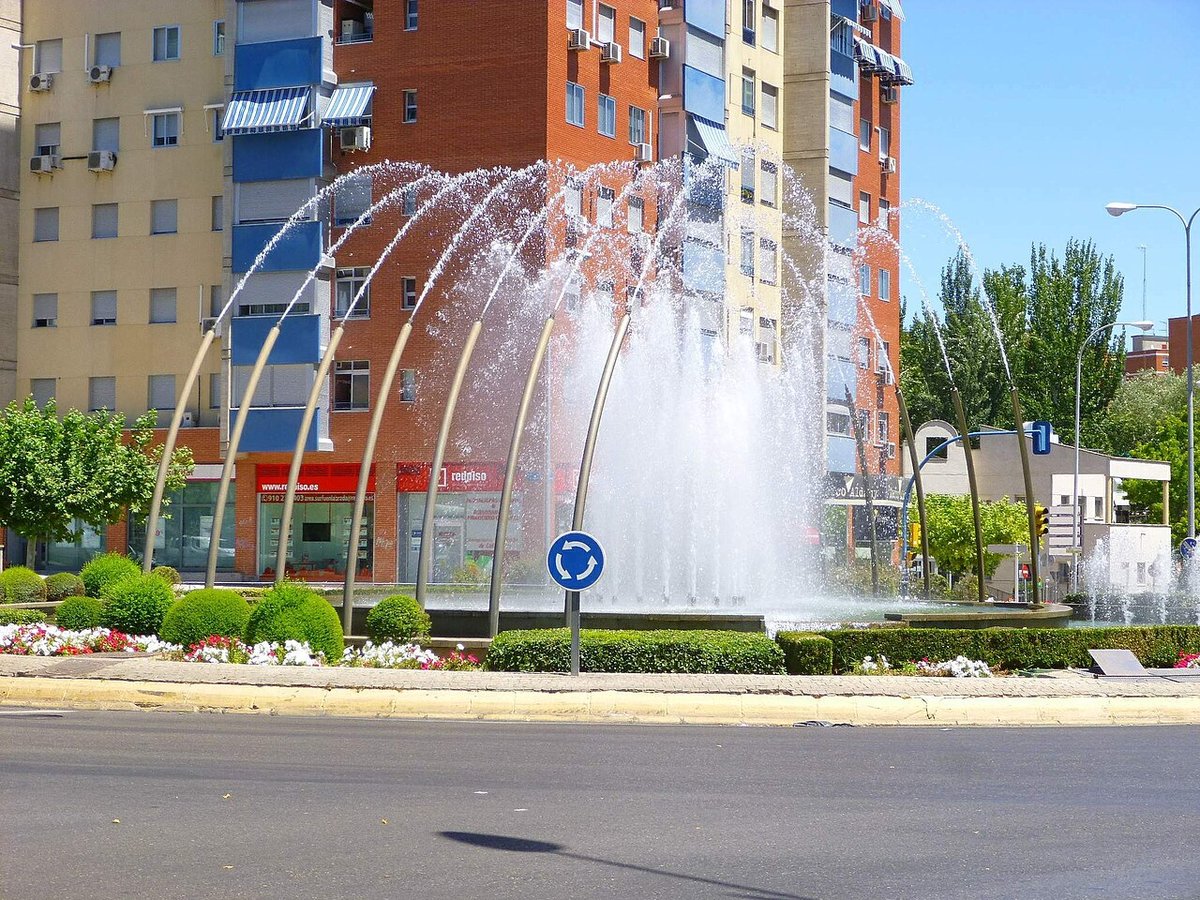
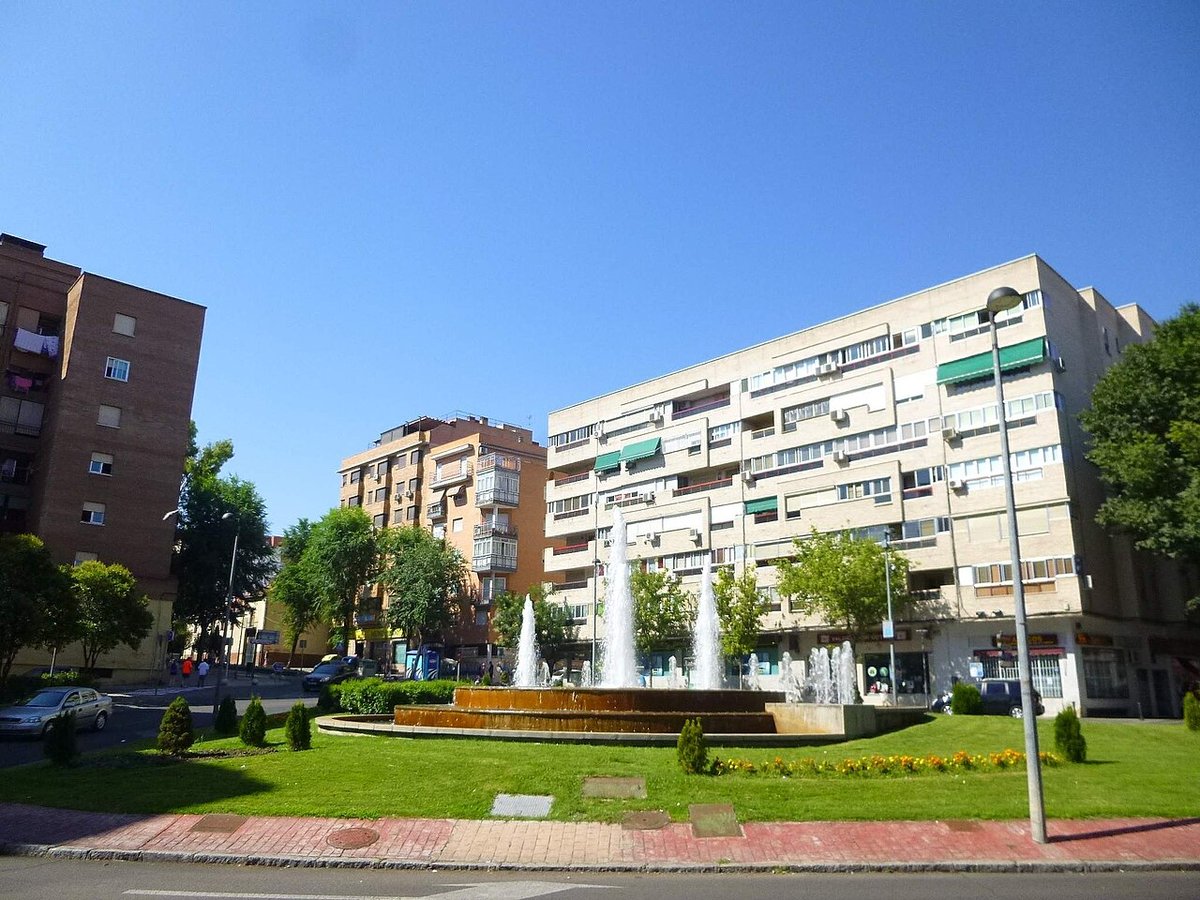
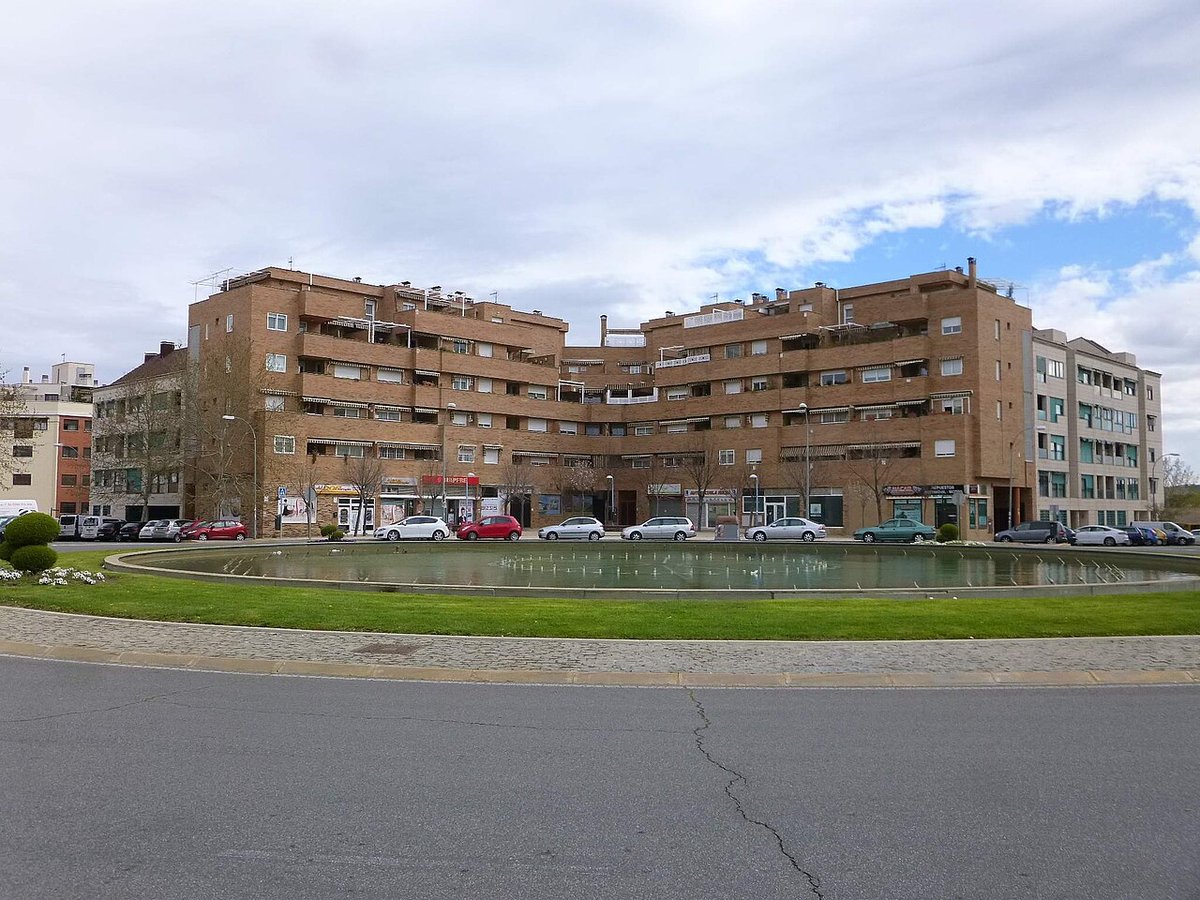
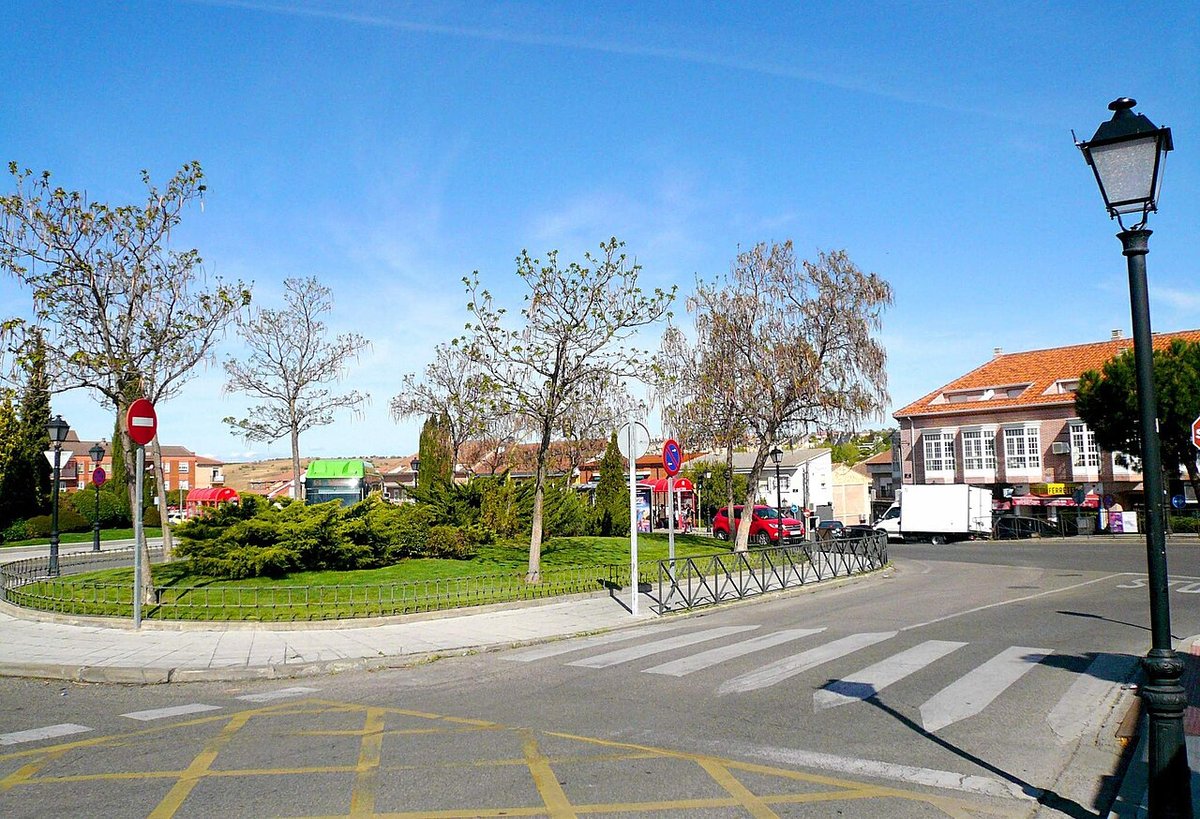
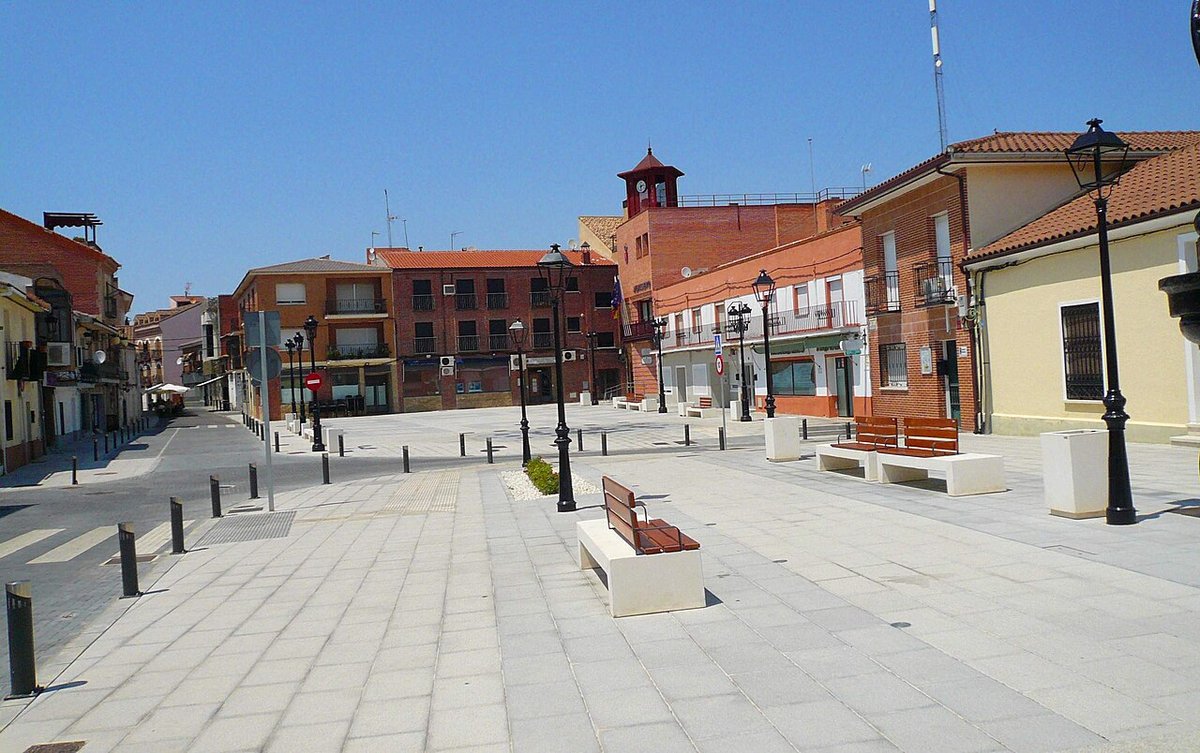
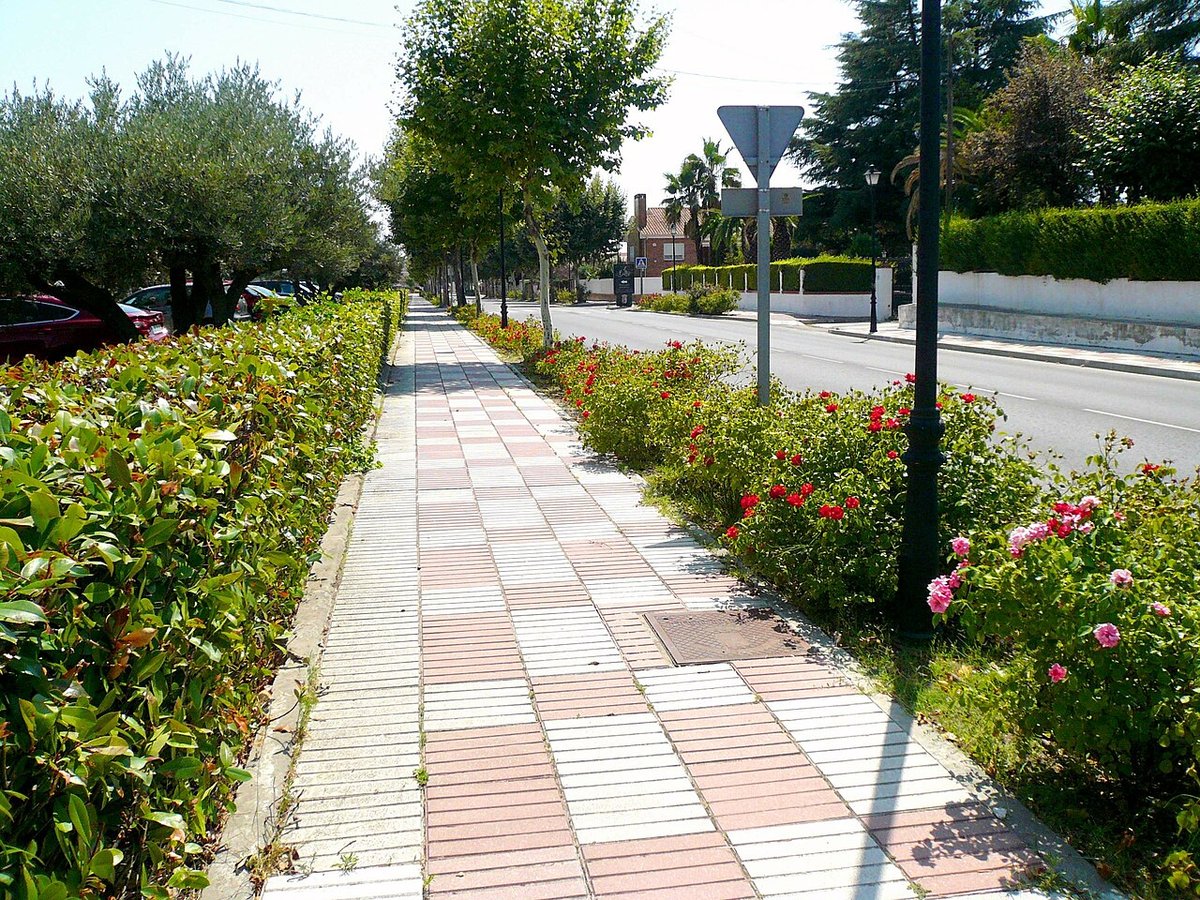
Forget arcaded plazas and geranium-draped balconies. Serranillos grew in the late twentieth century as a commuter dormitory, its streets laid out on a tidy grid that prioritised garages over Gothic doorways. The tallest structure is the ochre-brick parish church, finished in 1996, whose bell tower doubles as the local landmark because everything else is single-storey or nearly. Walk the circumference in twenty minutes and you'll pass brick houses with tiny tiled porches, the odd butcher's shop with a 1980s awning, and a park whose palm trees look puzzled to find themselves on the Castilian plain.
The appeal, if it exists, lies in what's missing: no tour buses, no ticket touts, no soundtrack except a dog barking two streets away and the hum of the M-506 in the distance. Locals treat the place as a low-noise base; visitors can do the same for a fraction of capital prices.
Flat Earth and Sky
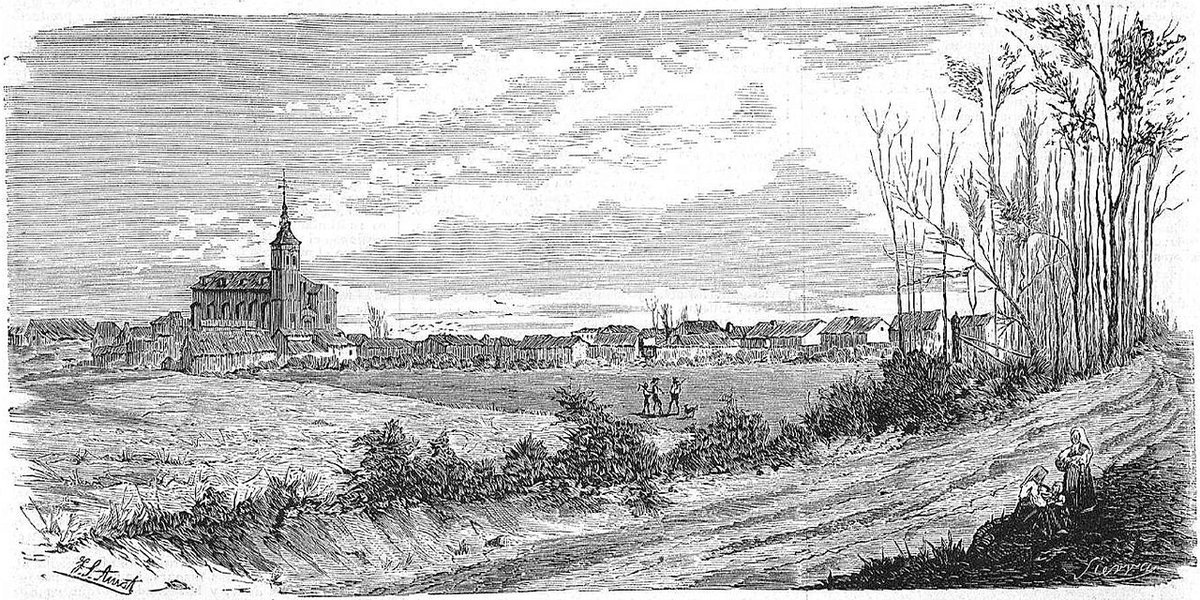
Step past the last row of houses and the mesa opens out. Wheat, barley and fallow fields form a chequerboard that turns emerald in March, gold by July and earthy brown after the harvest. There are no hills, so the horizon feels circular, broken only by the distant silhouettes of Griñón and Humanes de Madrid. Skylarks rise and fall; red kites tilt overhead. A lattice of agricultural tracks invites a stroll of whatever length you fancy—two kilometres to the ruined stone trough, five to the irrigation canal, ten if you intend to reach the next village and catch the bus back.
Cyclists use the same web of caminos, though after rain the clay clogs tyres faster than you can say "mudguard". Mountain bikes cope better than road bikes; all riders should load offline maps because signposts don't exist and the plain's uniformity is disorientating. Wind is the year-round companion: welcome in July, vicious in January.
Lunch at the Only Restaurant
El Arbero sits on Calle Real, a five-minute walk from anywhere. Inside, the décor is pine panelling and bullfighting posters, the menu a laminated sheet of Castilian comfort food. A starter of judiones (buttery white beans with chorizo) followed by pollo asado and chips arrives with a half-litre carafe of house tempranillo; the set three-course menú del día costs €14.50 (£12.50) and nobody rushes you. Vegetarians can cobble together a meal of tortilla, salad and cheese, but choices are limited; vegans should bring emergency almonds.
Mid-week lunchtime is the busiest slot, when builders, council workers and the odd Madrid-based civil servant on flexi-time occupy every table. Supper is quieter—most villagers eat at home—so plan on an early sandwich if you're staying overnight.
When to Show Up and When to Skip
Spring, roughly mid-March to early May, gives green wheat, mild mornings and clear light that photographers love. Autumn runs a close second: stubble fields glow at sunset and temperatures sit in the low twenties until late October. Summer means cloudless skies but also 38 °C by noon; walking is tolerable only before 10 a.m. or after 7 p.m., and shade is scarce. Winter days are bright but the wind slices across the open land; bring a barrier-grade fleece and expect overnight frost.
The village fiestas—second weekend of August—add a modest funfair and late-night bar extension, yet accommodation inside Serranillos is limited to twelve rooms at the three-star Hotel Labrat. Book early or stay in neighbouring Humanes where the modern B&B Hotel offers early breakfasts from 06:30, handy if you're flying home.
Getting Here Without the Headache
Public transport exists but demands patience. From Madrid-Barajas take the metro (line 8 then 6) to Méndez Álvaro bus station and board the Avanza 534. Services run four times on weekdays, twice on Saturdays, never on Sunday; journey time is 55 minutes and a single ticket costs €3.20. Hiring a car at the airport is simpler: follow the A-42 south-west, switch to the M-506 and exit at kilometre 18. Total driving time is 45 minutes outside rush hour, parking is free on every street, and you can combine the detour with a morning at Warner Bros Park—25 minutes further south, but you'll still need wheels because taxis from Serranillos are eye-wateringly expensive.
What You Won't Find (and Might Miss)
There is no old quarter, no castle, no mirador with souvenir stalls. If your heart is set on mediaeval Spain, aim for nearby Chinchón instead. Serranillos' merit is its functionality: a bed for €60, a meal for €15, a country walk before breakfast, and you're back on the motorway before Madrid's ring road clogs up. Bring expectations that match the modest scale and the village delivers exactly what it promises—quiet, space, and a reminder that not every Spanish postcode needs to jostle for Instagram fame.