Full Article
about Torrejón de la Calzada
Residential municipality on the Toledo axis; origin tied to a causeway and watering place.
Hide article Read full article
A slow start on the edge of Madrid
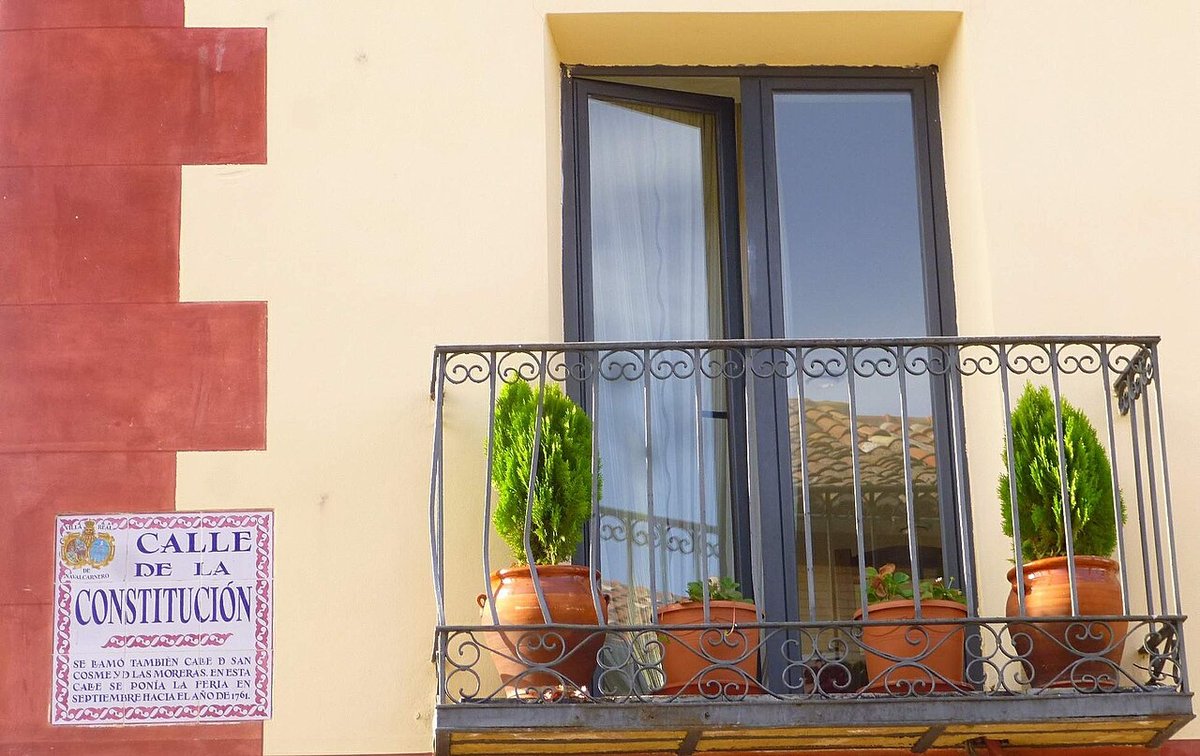
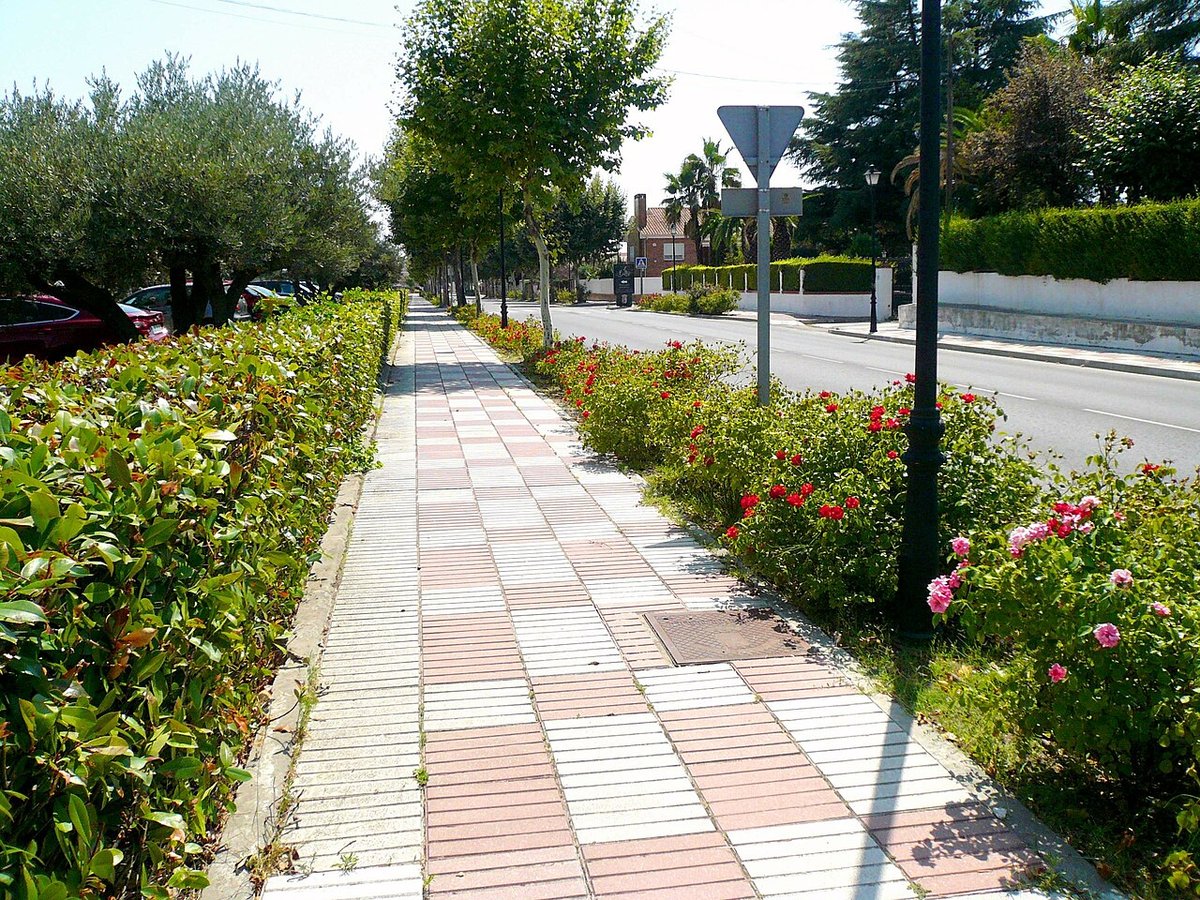
At eight in the morning, when low fog clings to the fields around Torrejón de la Calzada, the bells of the church of San Pedro Apóstol mark the hour with an unhurried rhythm. Few shutters are open at that time. A van heads out towards the A‑42, a broom scrapes along the pavement, and the warm smell of fresh bread drifts through Calle Real.
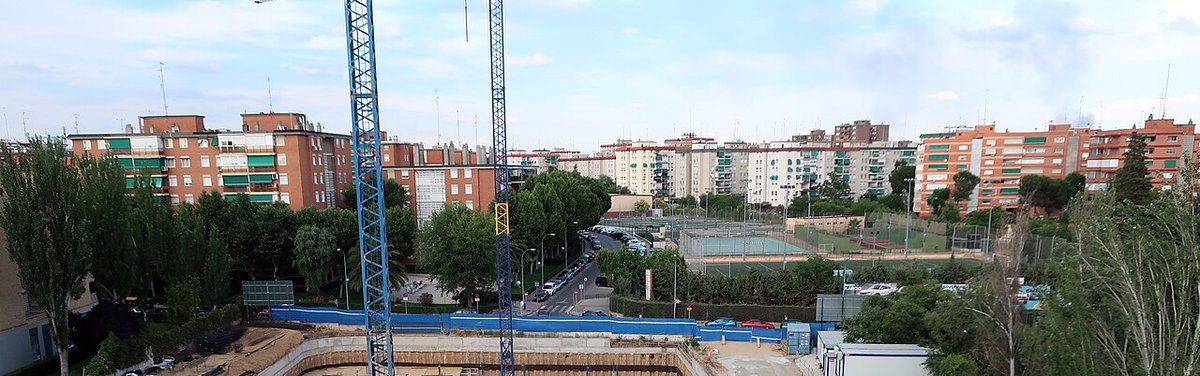
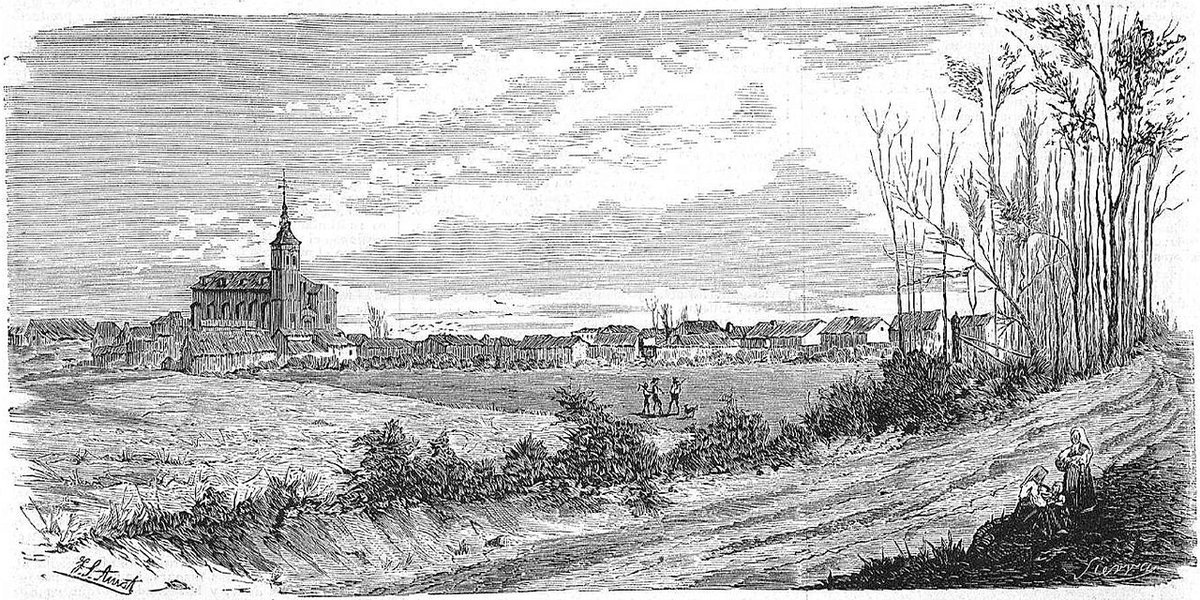
Torrejón sits less than half an hour from Madrid when traffic is kind, yet early in the day it keeps a different pace. The streets run straight, lined with low houses, and the town quickly gives way to the cereal fields that define the Comarca Sur. There is little sense of separation between the built streets and the open land beyond. It all feels continuous, as if the town simply thins out into farmland.
A countryside dish called gazpacho
On some Sundays, the scent of paprika and stewed meat escapes from houses along Calle Real and the streets that lead outwards. It comes from gazpacho de pastor, a name that surprises anyone expecting chilled tomato soup.
Here it usually means something else entirely: stale bread, garlic, paprika and meat, often rabbit, cooked slowly until the broth thickens. It is closely tied to the rural cooking of this part of southern Madrid and nearby La Mancha. The dish still appears in many homes when families gather at the weekend, more a habit than a performance, something passed along without much explanation.
The drovers’ road that crosses the town
The Cañada Real Segoviana passes through Torrejón de la Calzada, one of the great historic routes used for transhumance, the seasonal movement of livestock between grazing areas. Herds no longer cross the town as they once did, yet the route remains visible in the wide tracks that cut across the area.
From time to time, symbolic crossings or events linked to transhumance are organised. When that happens, the sound of bells returns to the streets and dust rises from the animals, mixing with the dry smell of the fields. It does not feel staged. It comes across more as a reminder of how livestock once moved between the mountains and the southern pastures, following paths that still shape the land today.
A low hill over the plain
Several dirt tracks leave the centre of the town and head into the surrounding countryside. One of them climbs gently towards the Cerro de la Cabeza, a modest rise that offers a clear sense of the landscape: broad plots, cereal crops and, in the distance, the straight line of the motorway.
The walk up is not long, though the middle of the day in summer is best avoided. In May or late spring, the route is easier. The fields still hold some green, and the wind moves through the wheat with a steady sound, like fabric brushing against itself.
In some years, the hill becomes a meeting point during celebrations linked to San Isidro, a tradition widely observed in agricultural towns across the region. The setting suits it, open and simple, closely tied to the land.
The old water tower
At one corner of the town stands a cylindrical red-brick structure that catches the eye from a distance. It is the old water tank, built in the early decades of the twentieth century, when many municipalities were trying to modernise their water supply systems.
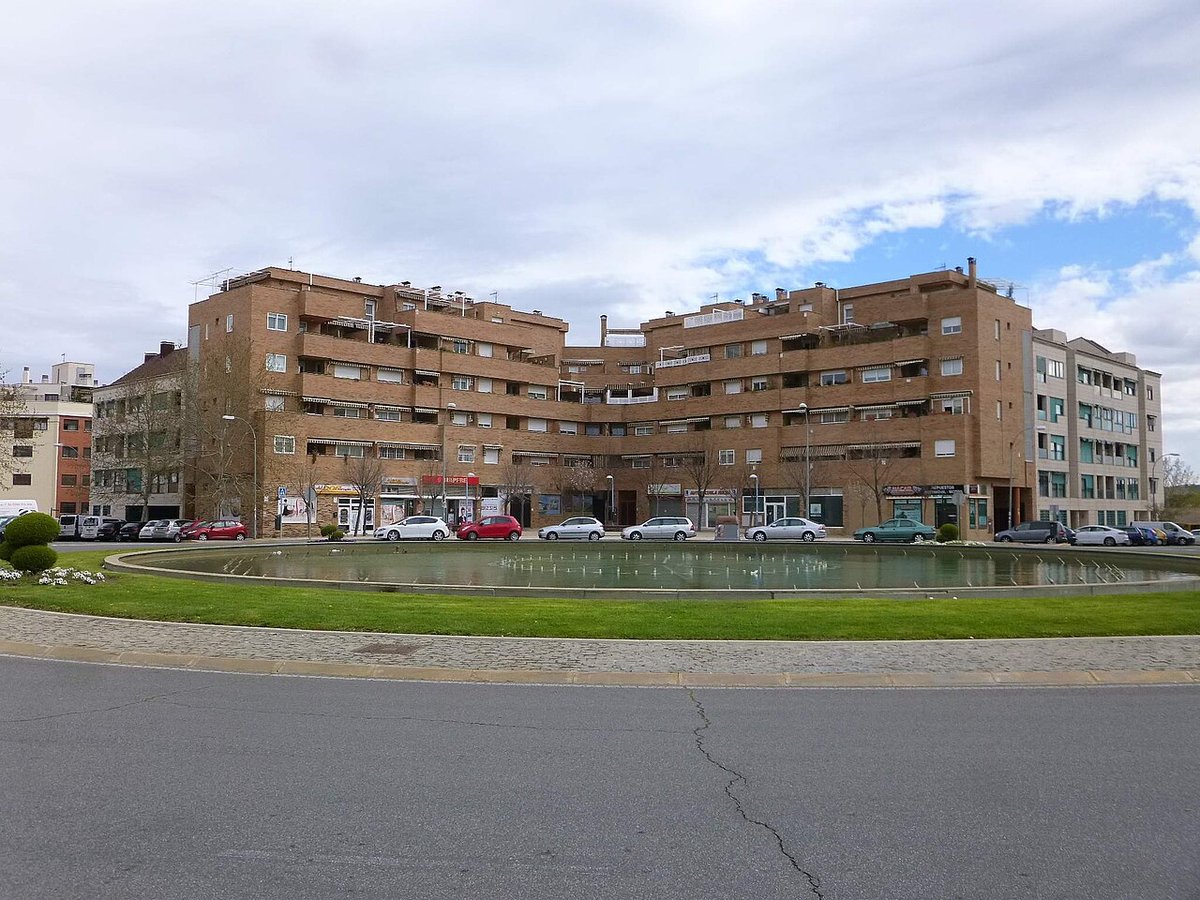
It did not always function as intended, yet over time it has become one of those familiar elements of the local landscape that everyone recognises. From around it, the growth of the town is easy to read: older houses concentrated towards the centre, and beyond them newer housing developments and industrial buildings that reflect how close Madrid is.
When to go and what to expect
Spring tends to be the most comfortable time to walk the surrounding paths. The land still holds some moisture, and the days grow longer without the hard heat of July.
In summer, the town shifts noticeably. There is more activity around local festivities and open-air dances, and the heat intensifies from midday onwards. Walking is easier early in the morning or later in the afternoon.
The most direct approach is via the A‑42, linking Madrid and Toledo. During peak hours, congestion is common on routes into the southern outskirts of the capital, so early commuting times are best avoided.
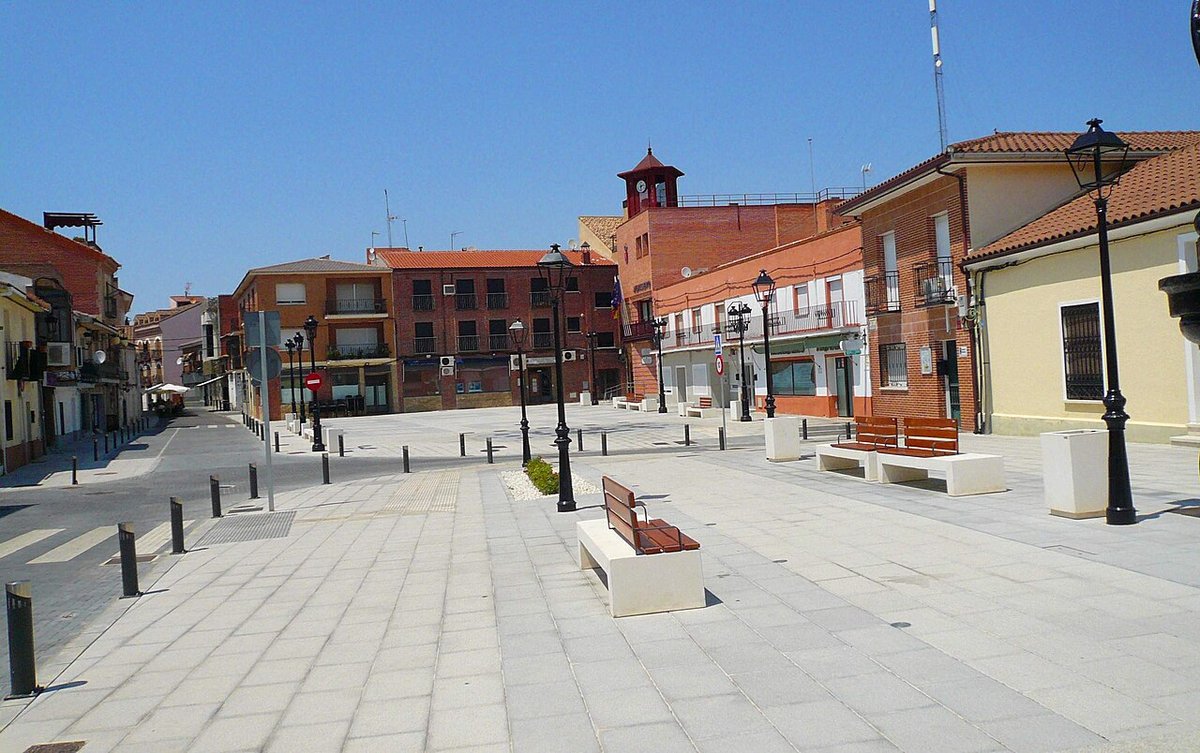
Within the town itself, parking is usually straightforward on streets near the square and the town hall, except on market days or during local celebrations.
As evening falls, traffic from the industrial area fades and the pavements quieten again. The air carries the smell of firewood or freshly washed laundry. A bicycle moves slowly along Calle Real, and the bells mark the hour once more. Torrejón de la Calzada is not defined by major landmarks. Its rhythm makes more sense when you walk without hurry, moving between its streets and the tracks that lead out across the plain.