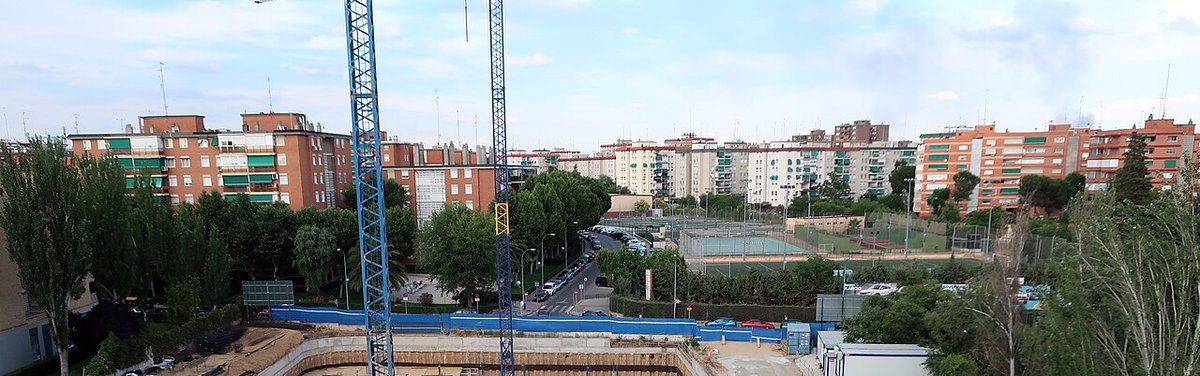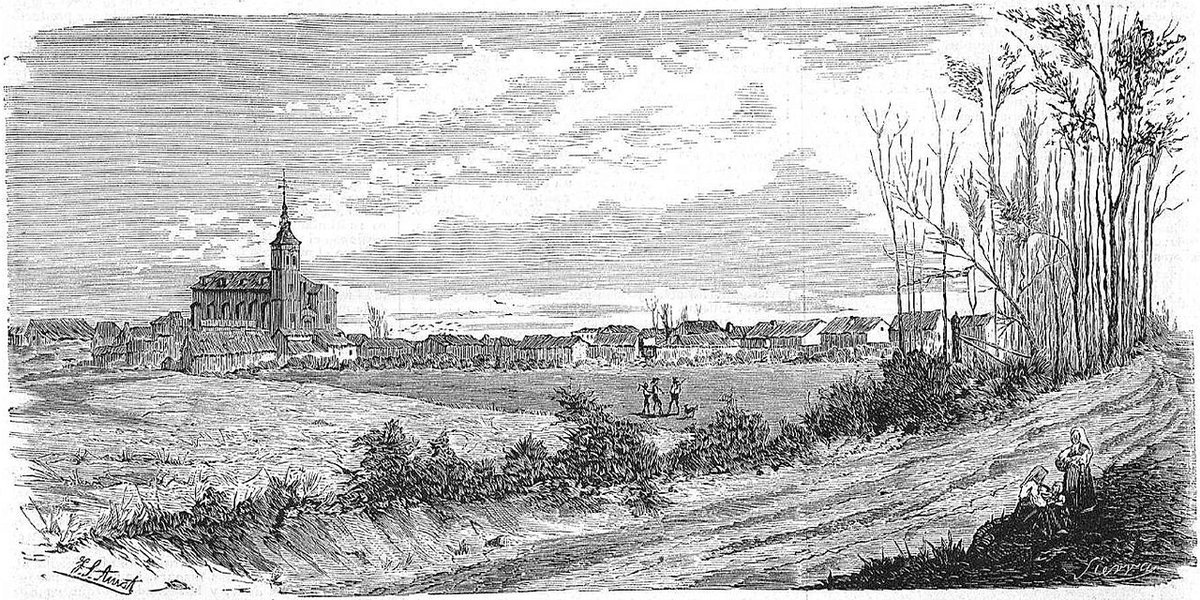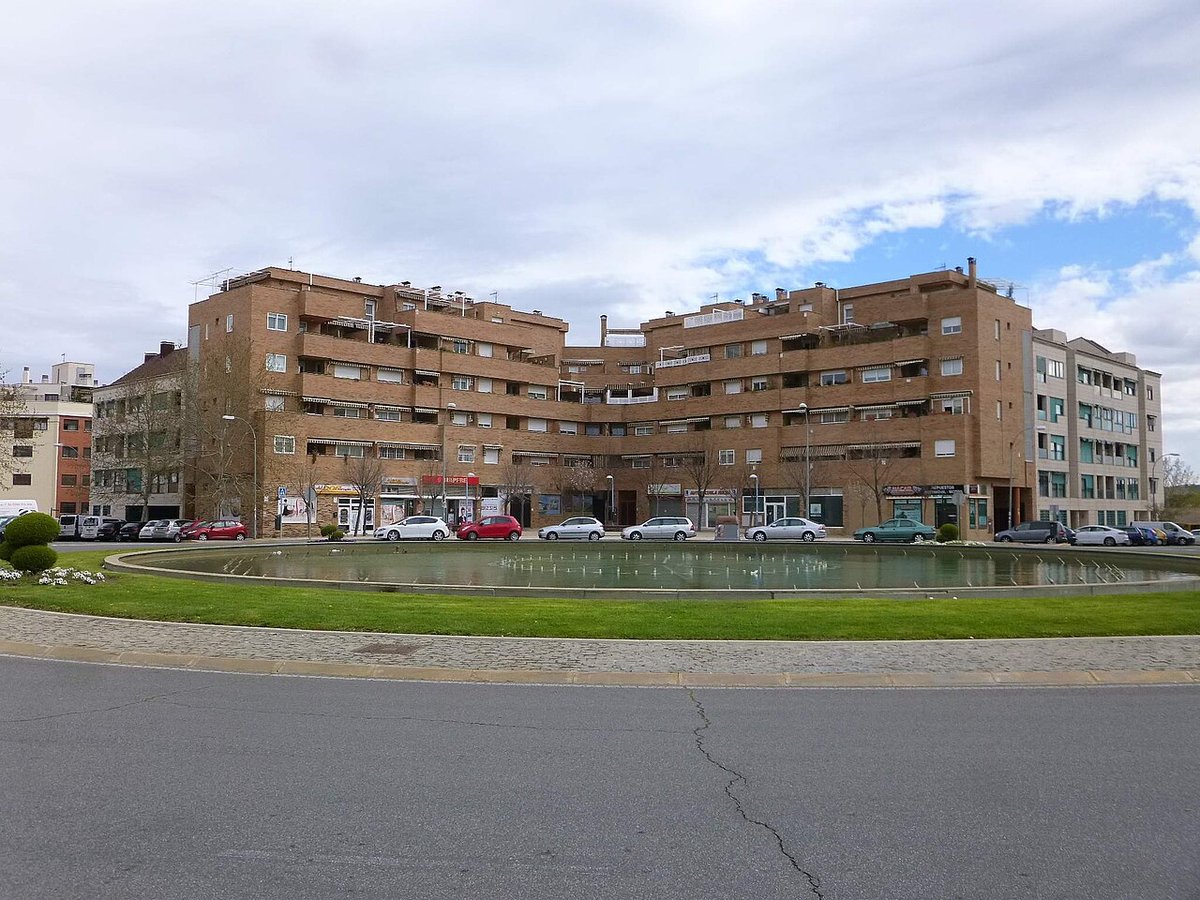
Valdemoro 20.jpg
Zarateman · CC0
Madrid · Mountains & Heritage

Valdemoro

At 7.45 on a weekday morning, platform 8 at Atocha station fills with coffee-toting office workers clutching the *20-Minutos* freesheet. Twenty-fiv...

85,972 inhabitants · INE 2025
613m Altitude

Why Visit

Constitution Square Cultural tours

Best Time to Visit

year-round

Christ of Health (May) mayo

Things to See & Do
in Valdemoro

Heritage

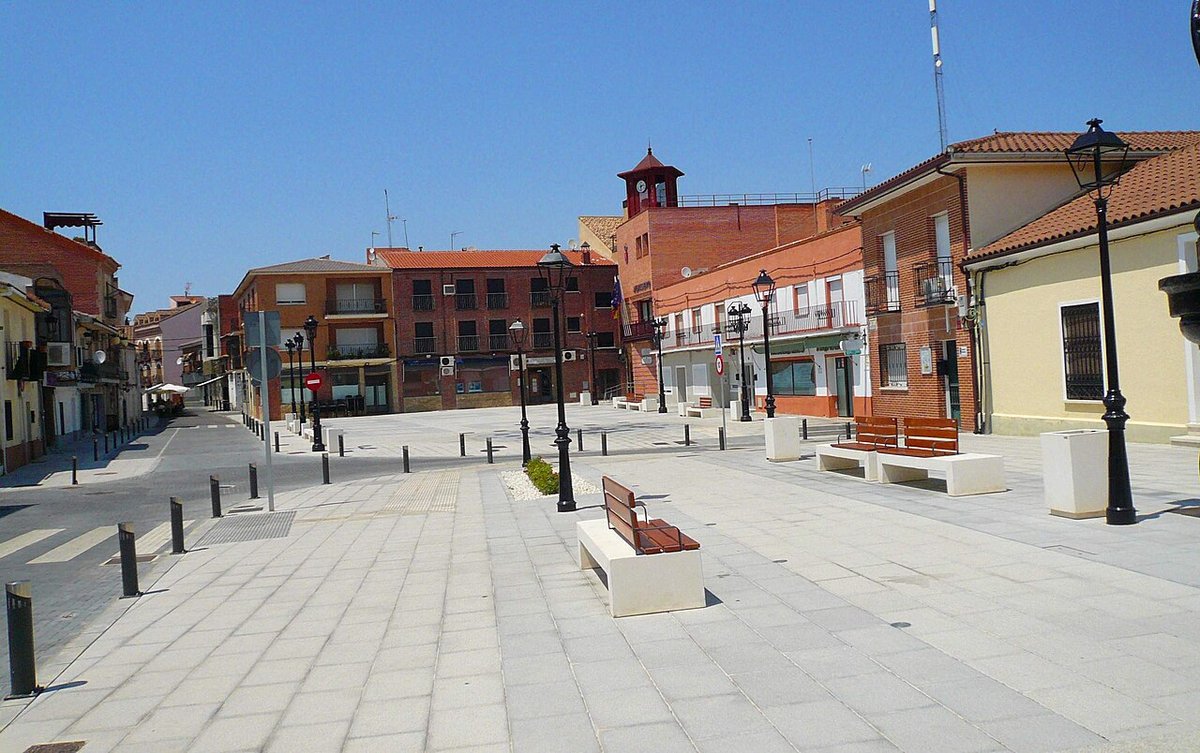
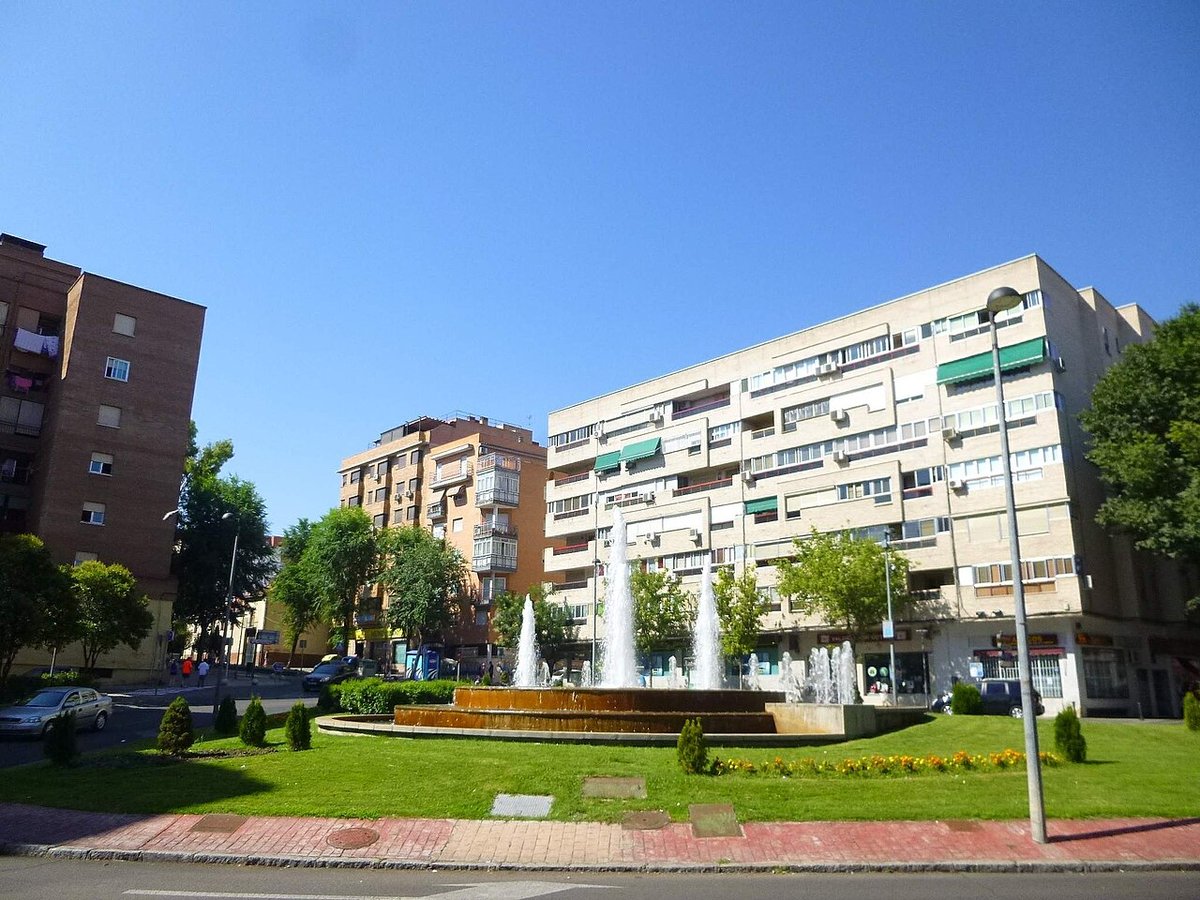
  • Constitution Square
  • Church of the Assumption
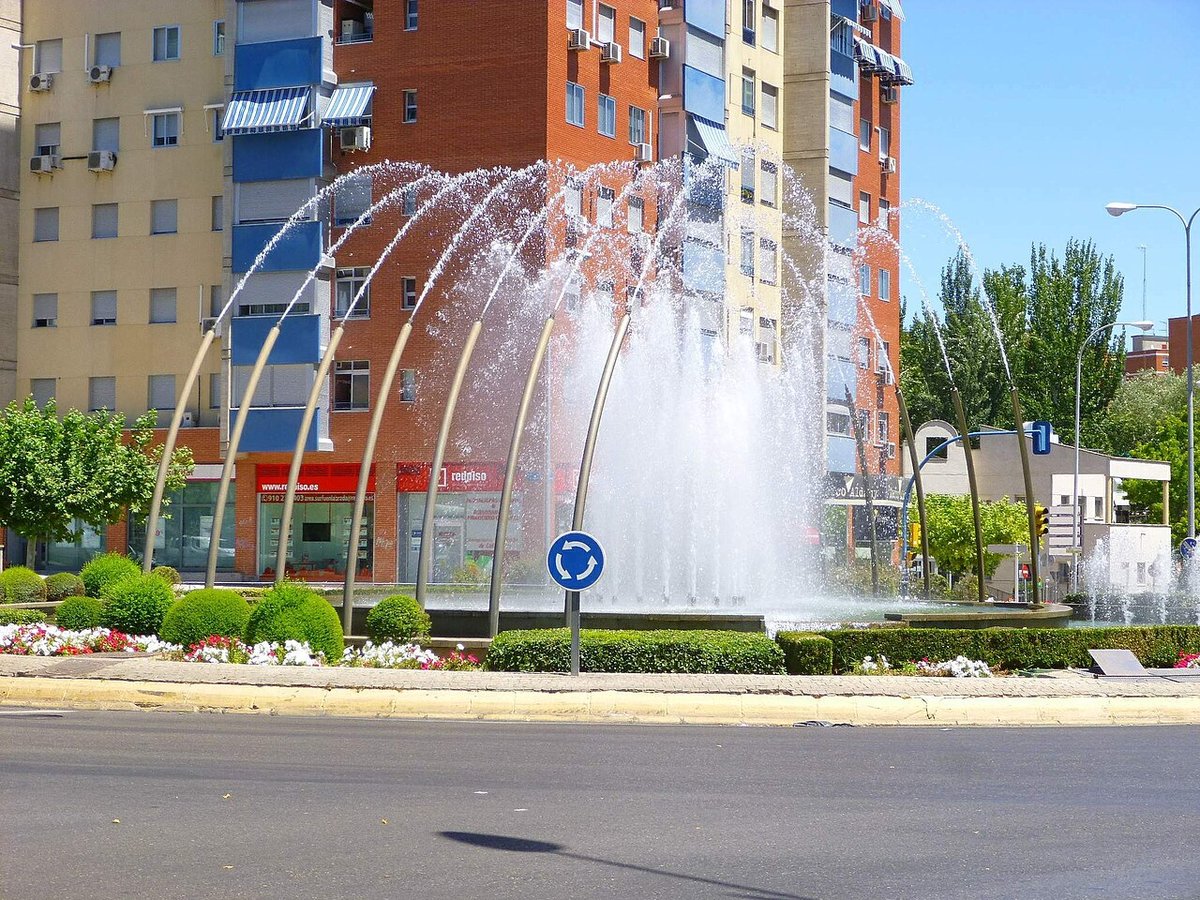
  • Town Fountain

Activities

  • Cultural tours
  • Walks in the Bolitas del Airón park
  • Shopping

Festivals
& & Traditions

Fecha mayo

Cristo de la Salud (mayo), Virgen del Rosario (septiembre)

Las fiestas locales son el momento perfecto para vivir la autenticidad de Valdemoro.

Full Article
about Valdemoro

Historic town with a notable old quarter; linked to the Guardia Civil and the Duke of Lerma

Ocultar artículo Leer artículo completo

At 7.45 on a weekday morning, platform 8 at Atocha station fills with coffee-toting office workers clutching the 20-Minutos freesheet. Twenty-five minutes later the same crowd spills out onto Calle de la Estación, Valdemoro, and the Madrid day-tripper suddenly realises why every Spanish blog lists the place as “tranquilo”. The high-rise blocks visible from the train give way to low houses, geranium pots and a square where elderly men still read the paper aloud to each other. This is not a forgotten medieval hamlet; it is a town of 75,000 that has kept a pocket-sized historic centre between the railway line and the A-4 motorway, and it works surprisingly well for visitors who want a breather without surrendering city comforts.

What the guidebooks skip

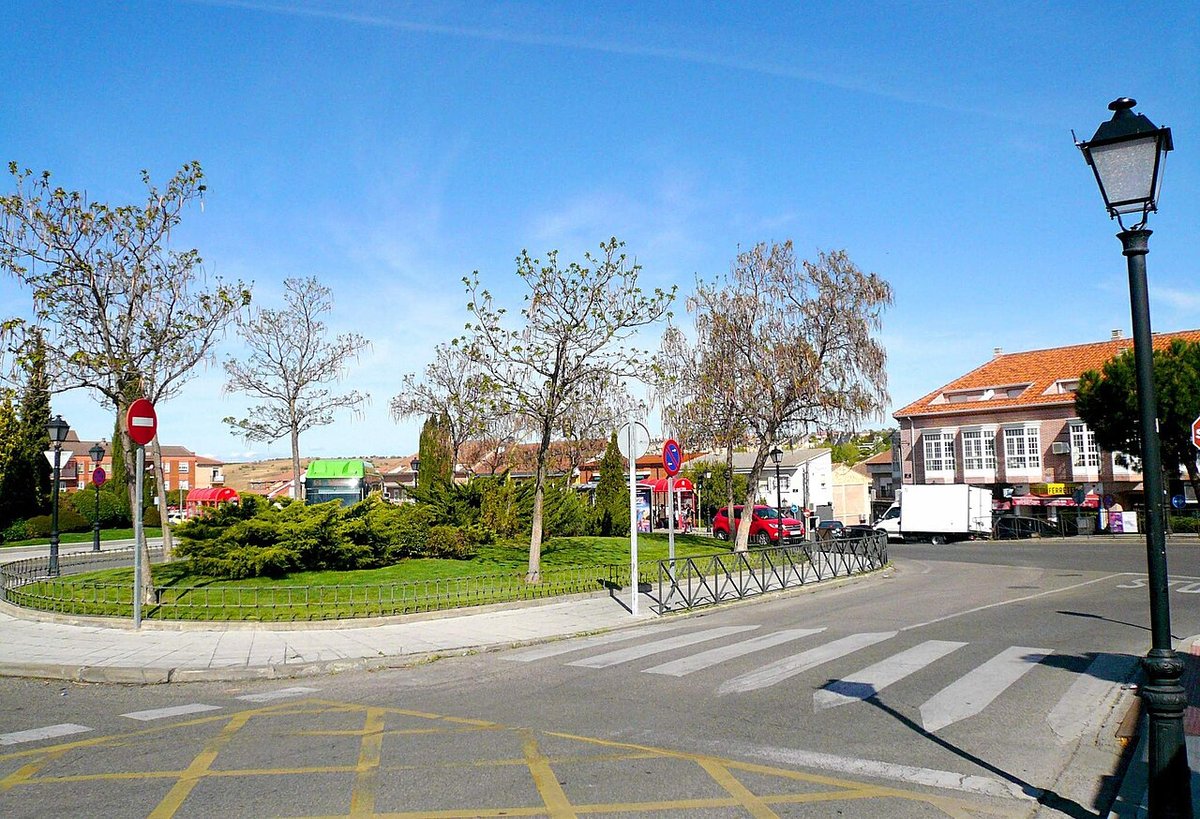
Foreign guidebooks rarely mention Valdemoro, so the first-time visitor arrives with low expectations—and that helps. The old centre is only three or four streets long, yet the layout is unmistakably Castilian: a rectangular plaza, arcades on one side, church tower rising from the opposite corner. The Iglesia de Nuestra Señora de la Asunción looks plain from the outside, but step in and you’ll find an 18th-century gilt altar and, unusually for a provincial church, a set of Flemish tapestries hung high above the transept. They are not always illuminated; drop a euro in the box by the south aisle and wait thirty seconds for the lights to warm up.

Behind the church the alley narrows to the width of a single car and delivers you to the Palacio del Marqués de Valdecarzana, the town’s only stab at baroque grandeur. The building houses municipal offices, so you can wander into the courtyard during working hours and admire the stone staircase without anyone asking for a ticket. Peer through the ground-floor windows and you’ll see cardboard archive boxes stacked against 300-year-old stucco—history and bureaucracy sharing the same oxygen.

Wednesday morning, the square smells of churros

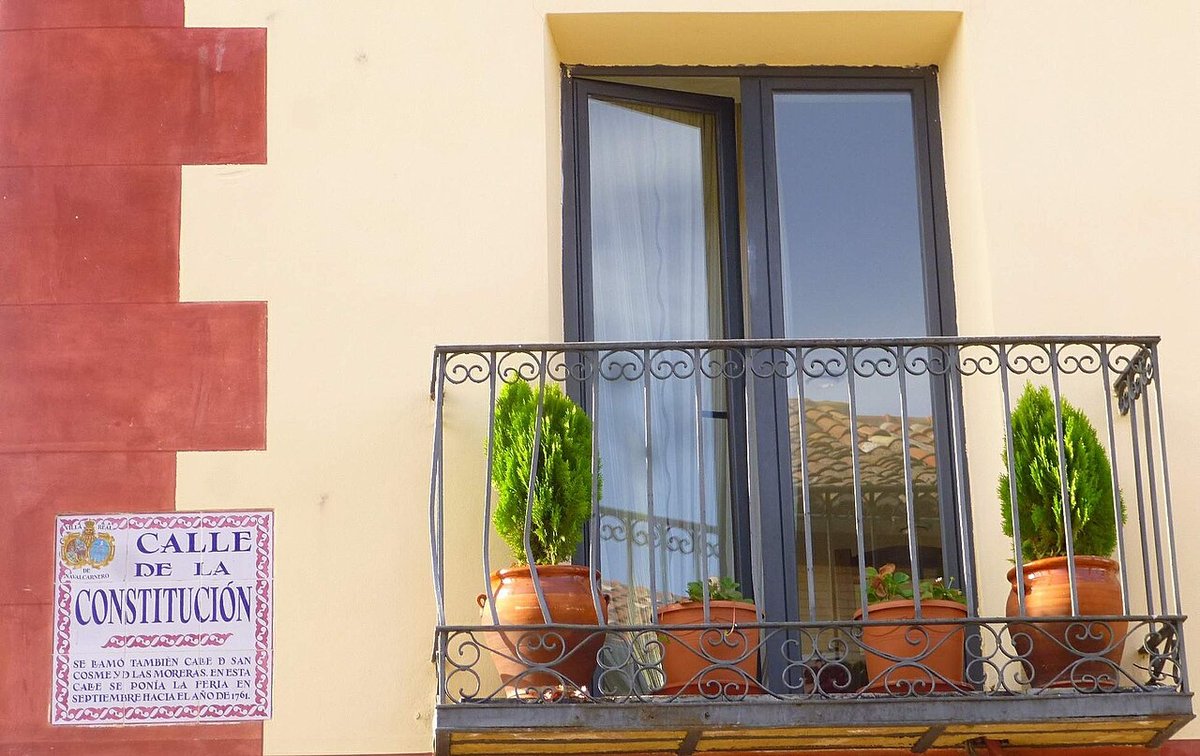
Market day changes the tone completely. By nine o’clock Plaza de la Constitución is a grid of white awnings: one stall sells nothing but garlic braids, another offers giant artichokes at three euros a kilo, and a third will slice jamón straight into your hand while you wait. The atmosphere is practical rather than photogenic; most shoppers arrive with granny trolleys and know the vendors by name. Foreign visitors stand out, but stallholders are happy to weigh out a small portion of whatever is in season—spring brings tender grelos (turnip tops), autumn piles of setas from the nearby campo. Bring cash; few stalls accept cards and the nearest ATM hides inside a bank two streets away.

If you need caffeine, Cafetería Valde on Calle Doctor Segura fries churros from 6.30 a.m. A standard portion (€2.40) is greasy enough to ruin your shirt but exactly what you want before a morning stroll. Locals dunk them in thick hot chocolate; coffee works too, and the owners have learned to provide a saucer for foreigners who treat churros as doughnuts.

Walking south into empty country

Once the market folds up at two, the town exhales and attention turns to the edges. A fifteen-minute walk south along Avenida de Castilla brings you to the railway underpass and, almost immediately, open fields. This is the paramera, the flat, wind-whipped plateau that supplied Madrid with grain until the 1960s. A signed footpath, the Senda de la Reina, strikes south-east for 7 km through wheat stubble and olive saplings to the village of Seseña; you’ll meet more tractors than hikers. Summer heat is brutal—there is no shade and the path mirrors the A-4, so carry water and start early. In winter the same landscape turns biscuit-brown and the wind cuts straight through a fleece; on clear days you can see the Sierra de Gredos, 120 km west.

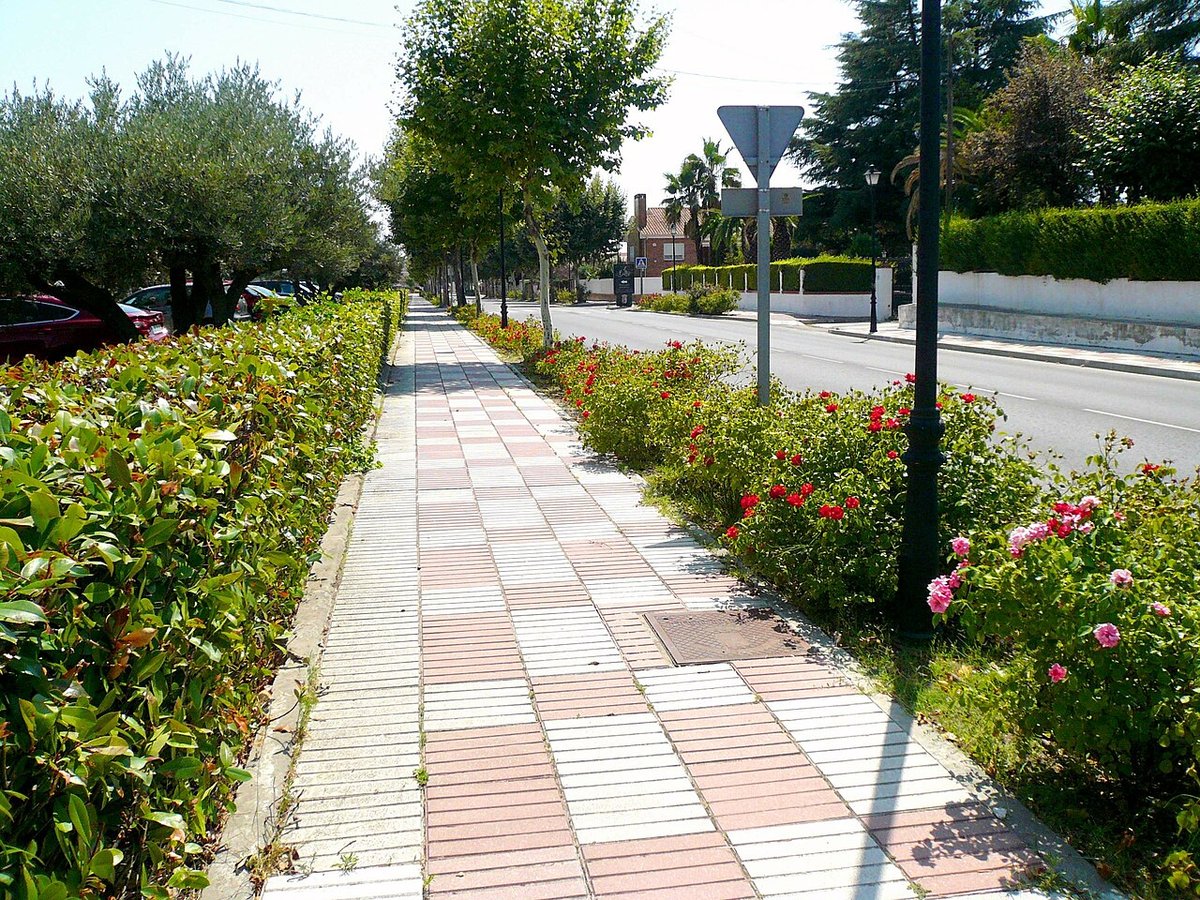
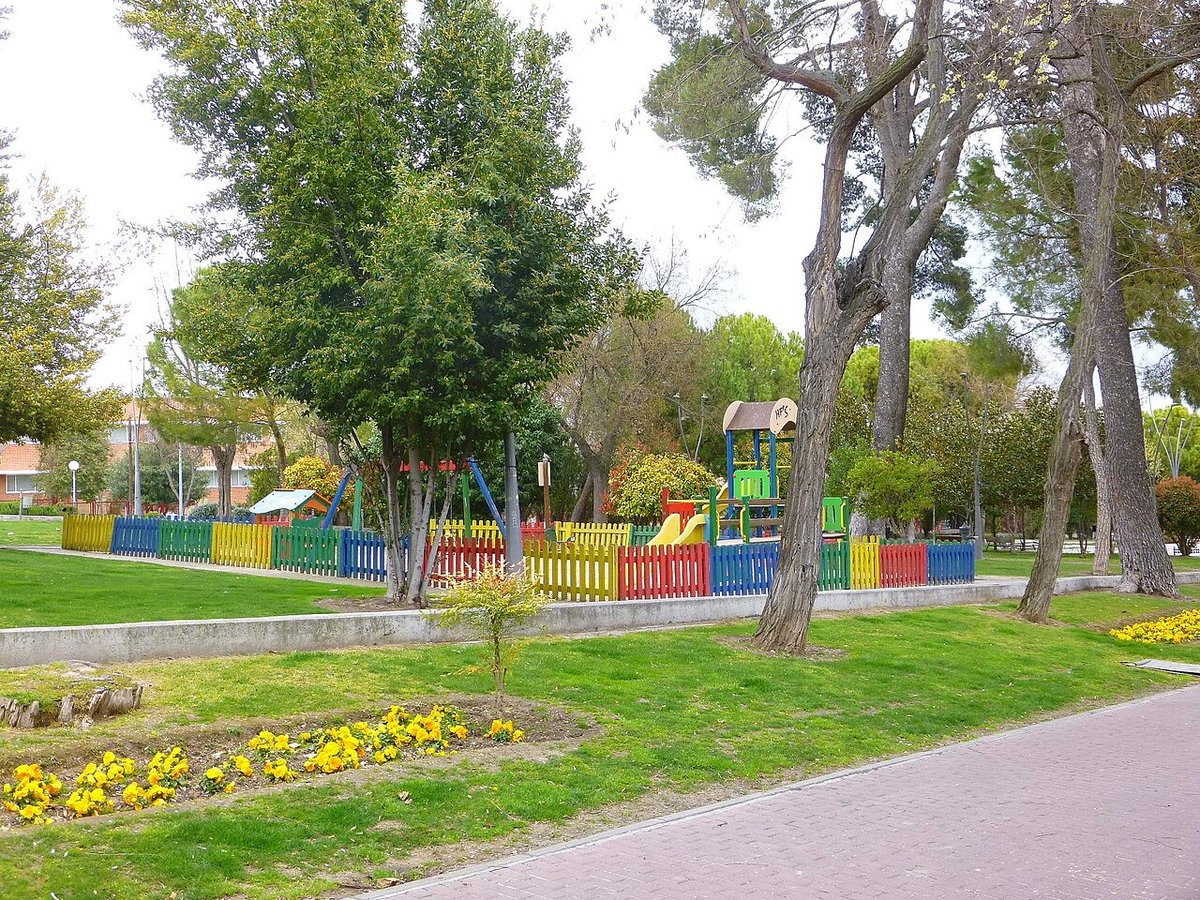
Closer to home, the Parque de la Chopera provides a tamer escape. Plane trees line a small lake where teenagers attempt TikTok dances and grandparents supervise toddlers on tricycles. A kiosk sells cans of Mahou for €1.50; drinking outdoors is legal and nobody rushes you. The park is at its best in late afternoon when the sun drops behind the fourteenth-century hermitage on the hill and the temperature finally falls below 30 °C.

Lunch without fireworks

Valdemoro’s restaurants know their clientele: commuters who want a proper three-course lunch before the 4 p.m. train back to Madrid. That keeps prices sensible and culinary experimentation to a minimum. Mesón El Cazurro on Plaza de España specialises in cordero asado (roast lamb) for two; half a kilo of meat, a dish of roast potatoes and a litre of house wine comes to €42 all-in. They’ll produce an English menu if asked, but the waiter enjoys translating “chuletón” as “big steak” and most diners give up and point.

Vegetarians do better at El Rincón de Javi, a modern bar that lists menú del día at €14. Monday to Friday you might find lentil stew followed by arroz del señorito (rice with peeled seafood) and a straightforward chocolate mousse. Service is fast—office workers need to clock back in—and the wine is drinkable even if the Rioja label is unrecognisable.

Timing matters more than the calendar

Because Valdemoro sits on the Meseta at 612 m, the thermometer behaves like an inland city twice its size. July and August are ferocious; by noon the stone benches in Plaza de la Constitución glow like storage heaters and sensible residents retreat indoors until six. Visit in late April instead and the same square smells of orange blossom; by late October the afternoon light turns amber at five and you can walk the entire historic quarter in a cardigan.

Public transport follows commuter rhythms. Cercanías line C-3 runs every 15 minutes at peak times but drops to hourly after 10 p.m. A return ticket costs €5.20; if you already hold a Madrid Tourist Travel Pass (zone B1) the ride is included—just tap in and out. Driving is painless: exit the M-50 at junction 20, follow signs for Centro Urbano, and slide into the blue-zone streets east of the tracks where parking is free all day. Avoid school start and finish times (8–9 a.m., 2–3 p.m., 4–5 p.m.) when the one-way system clogs with parents in SUVs.

One fiesta, a handful of fireworks

The calendar offers the usual spread of Spanish festivals, yet most are neighbourhood affairs aimed at residents. The exception is the Fiesta del Santísimo Cristo de la Salud, held on the first Sunday after 3 May. For forty-eight hours the streets around the church are draped in garlands, brass bands march at midnight, and a modest firework display pops over the railway tracks around eleven. Hotels within walking distance sell out to visiting relatives, so if you fancy the spectacle book early; otherwise come the following weekend when the bunting is still up but the crowds have gone home.

Semana Santa is low-key—three processions, no incense clouds—and August’s patron-saint fair feels like a county fete transplanted to tarmac: bumper cars on the fairground lot, churros con chocolate at €4 a portion, and residents arguing over the best spot to watch Saturday’s parade. Tourists are welcome but not essential to the economics; prices stay local, which means a beer still costs €1.50 and the council hasn’t yet invented a souvenir T-shirt.

When to admit you’ve seen enough

Two hours covers the historic core, market and a coffee; add another hour if you fancy the park or footpath. Stay longer and you’ll notice the shopping malls on the western ring road and the same fast-fashion chains you left behind in Madrid. That is Valdemoro’s honest limit. Board the return train around sunset, watch the Sierra de Guadarrama silhouette against an orange sky, and you’ll understand why the town’s residents commute rather than holiday here. It isn’t a destination to cross oceans for, yet if the capital’s crowds begin to grate, a morning wandering between church, square and olive-lined path reminds you that daily Spanish life still ticks along nicely—just 25 minutes from the chaos of Puerta del Sol.

Key Facts

Region
Madrid
District
Comarca Sur
INE Code
28161
Coast
No
Mountain
No
Season
year-round

Livability & Services

Key data for living or remote work

2024
ConnectivityFiber + 5G
TransportTrain nearby
HealthcareHealth center
EducationHigh school & elementary
Housing~5€/m² rent · Affordable
CoastBeach nearby
Sources: INE, CNMC, Ministry of Health, AEMET

Planning Your Visit?

Discover more villages in the Comarca Sur.

View full region →

More villages in Comarca Sur

Traveler Reviews