Full Article
about Guadalix de la Sierra
Mountain village known for the film *Bienvenido Mister Marshall*, next to the Pedrezuela reservoir.
Hide article Read full article
The moment the road loosens its grip
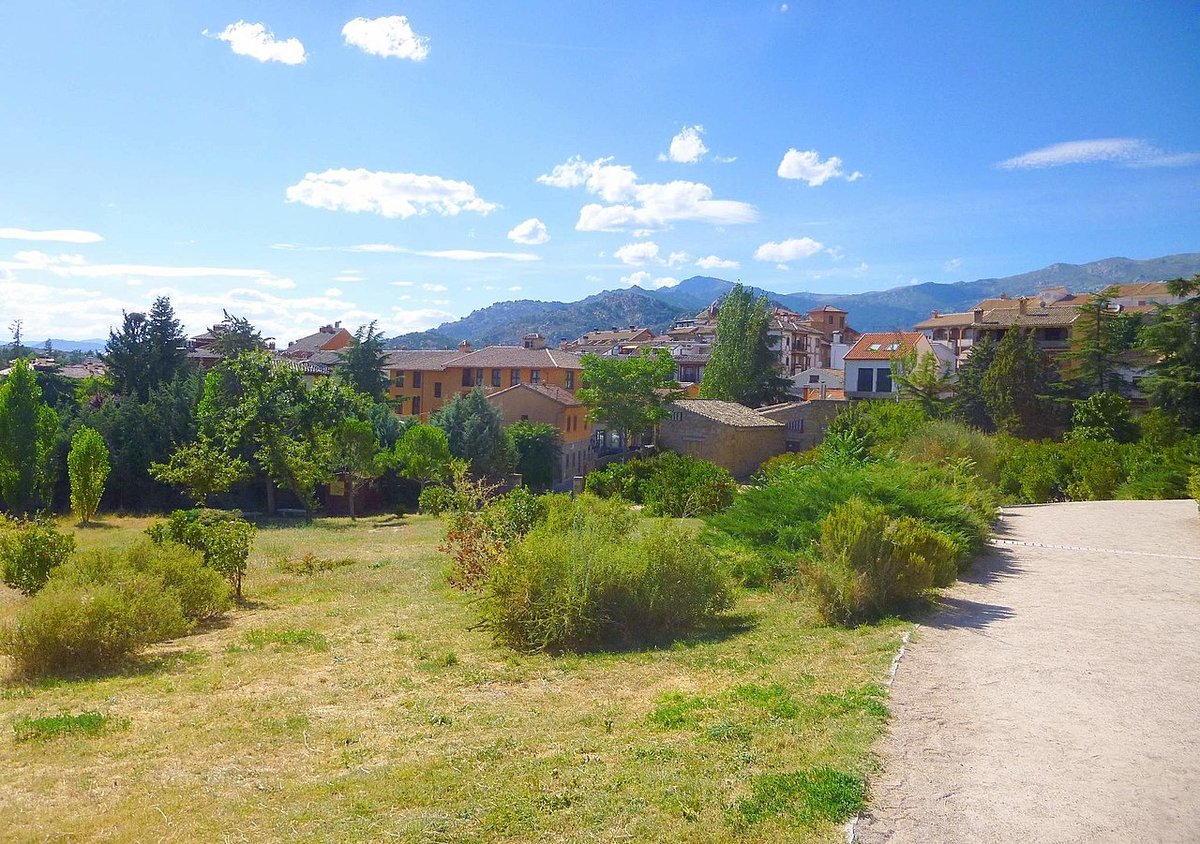
There is a point, just after the last set of traffic lights on the M-607, when the car seems to relax. As if a heavy weight has suddenly been lifted off it. That is usually when it becomes clear that Guadalix de la Sierra is close. There is no grand entrance or dramatic welcome, just open countryside, the smell of earth after rain and the sense that time begins to move a little more slowly.
This is one of those places where the change is immediate. Madrid does not feel far in terms of distance, but it stops setting the rhythm. The road quietens, the landscape opens out and the day stretches.
A village known for its onions
Ask anyone in Guadalix what the place is known for and the answer will likely be onions. It is not an exaggeration. For years, in markets across Madrid, a box labelled “Cebolla de Guadalix” was taken as a sign of quality. It forms part of the area’s traditional market gardening.
Arriving in the village, though, you will not find onions neatly displayed on every corner. It does not work like that. Here, asking around is still the way. A short conversation in the square or with someone in a long-standing local shop can lead to very specific directions: a gate, an open garage, wooden crates with soil still clinging to them. There is nothing polished about it, and that is precisely the point.
Towards the end of September, a fair dedicated to the onion usually takes place, when several producers sell directly and the village becomes livelier. In August, the atmosphere shifts. It is the time of patron saint festivities, people returning for a few days, others heading off to the coast. The rhythm follows a rural calendar rather than a visitor’s one.
The reservoir and its half-told story
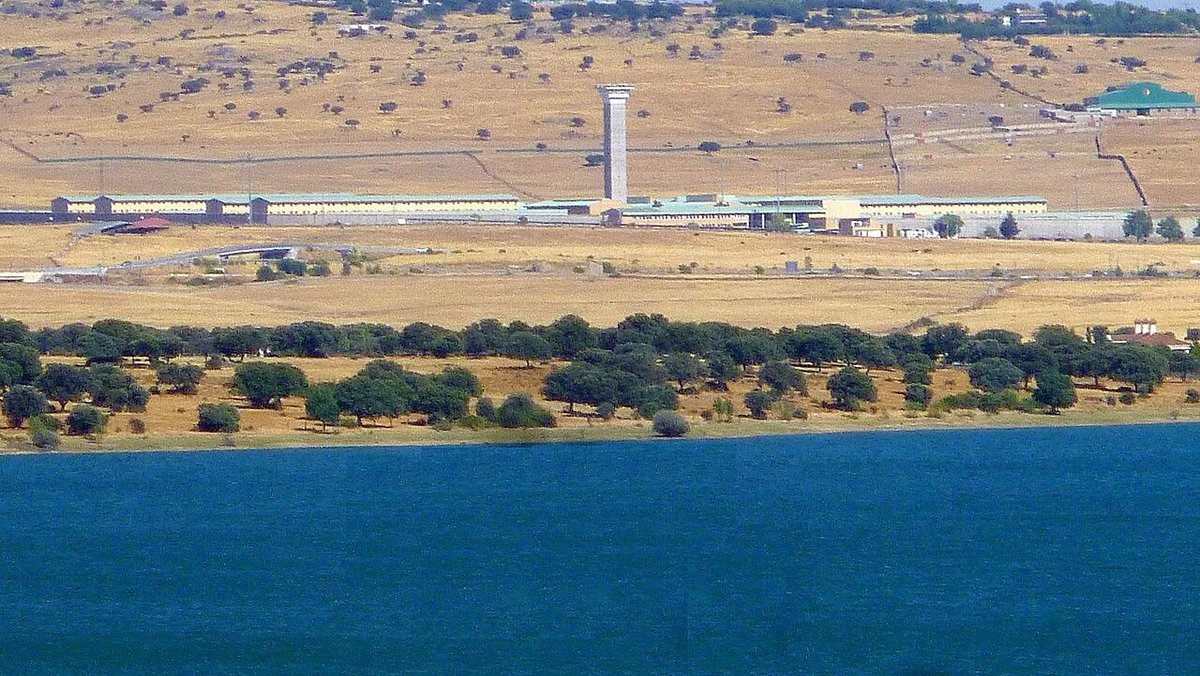
The Pedrezuela reservoir lies very close by and is one of those places people from Madrid turn to when they want a bit of open air. In summer, it draws anglers, walkers on the dirt tracks and others who simply sit and look out over the water.
There is a story often repeated here. When the dam was built in the 1960s, the rising water is said to have covered an old hermitage on the hill of Los Alcores. Some say that when the water level drops enough, traces can still be made out. The story circulates easily, though it tends to sit somewhere between memory and local legend. It is often told, less often confirmed.
For those who prefer to keep moving, paths from around the village lead up towards Cerro de San Pedro. The climb is steady and stretches for several kilometres, around six depending on the route. The views at the top justify the effort. From there, the reservoir appears vast, almost like a lake set in the middle of the Madrid mountain range. It is worth being prepared: there is little shelter along the way and the wind at the summit can be strong.
Film history and a working village
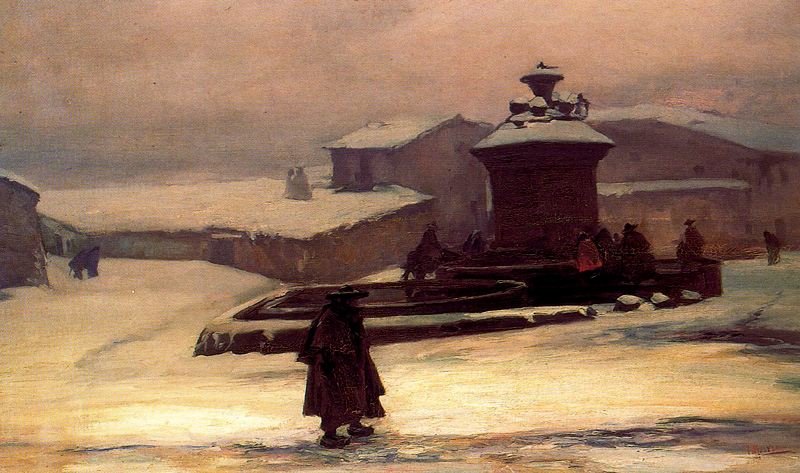
Guadalix has its moment in cinema. Parts of ¡Bienvenido, Mr. Marshall! were filmed here in the early 1950s. The film, well known in Spain, centres on a village preparing an elaborate welcome for visiting Americans who never arrive. Several scenes were shot in the main square, around the church.
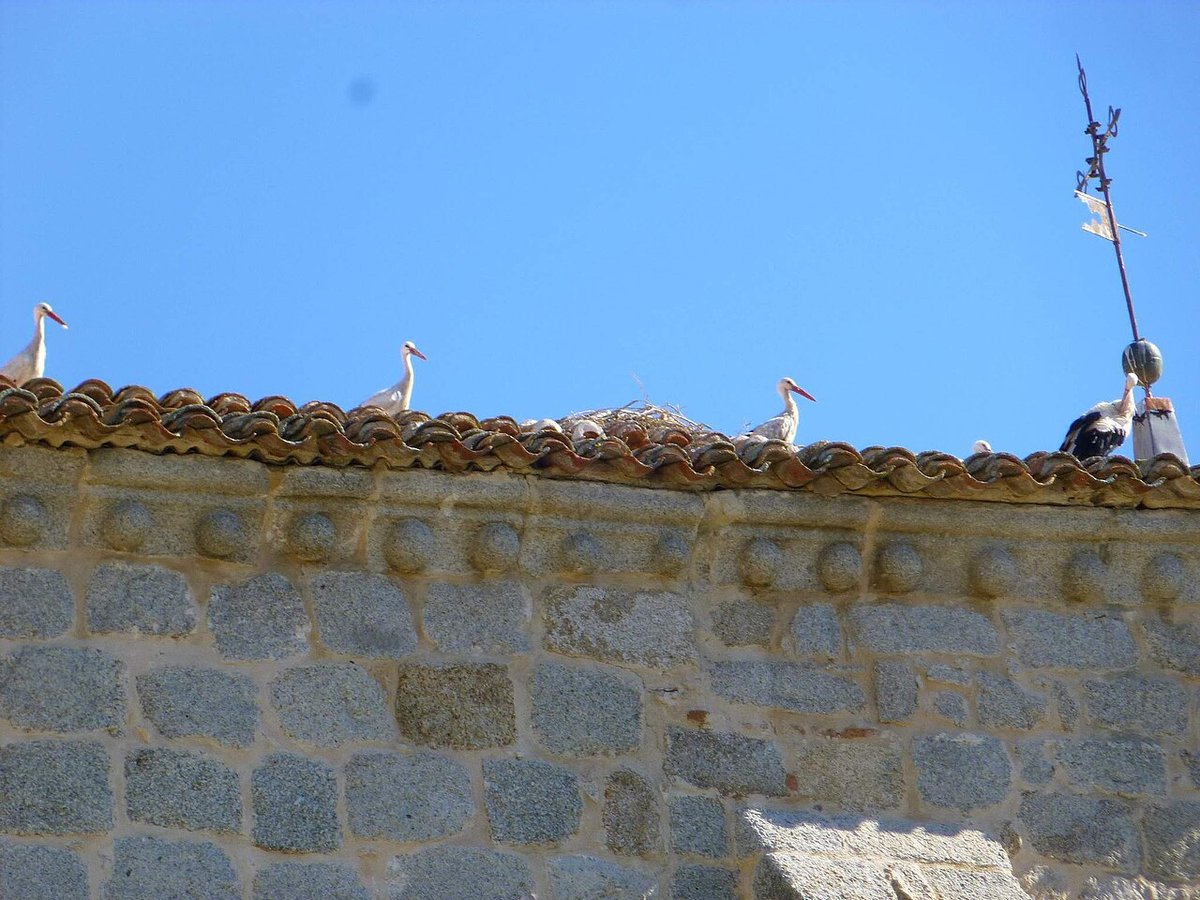
The Iglesia de San Juan Bautista dates back to the 16th century, although much of what stands today is the result of reconstruction after the Spanish Civil War. The original building was badly damaged when this area formed part of the Madrid front. The rebuilding was restrained, without elaborate decoration. It is not a monumental structure, but it carries the quiet presence of a parish church that has seen generations come and go.
Today, Guadalix plays a different role. Many people from Madrid use it as an easy escape. It is close enough for a spontaneous drive, yet far enough to feel that the city has loosened its hold.
The taste of the land
The fertile plain of the Guadalix river still supports small plots and kitchen gardens. Walking through this area feels like a brief lesson in the agriculture of the sierra. Potatoes, onions, seasonal vegetables and people working the land much as it has been worked here for years.
The potatoes do not stand out for their appearance. They are small, uneven, often still carrying traces of soil. Yet their flavour explains the pride locals take in them. It is the kind of taste that makes industrial crisps feel like they belong to a different world.
Food in the village tends to follow the same straightforward line. Goat’s cheese from the sierra, toasted bread, warming dishes when the weather turns cold. There is little interest in novelty for its own sake. In winter, if conditions allow, lamb stews appear that echo what is cooked on the other side of the mountains, in Segovia. The range may divide regions, but it also blends habits and flavours.
A simple plan
Guadalix de la Sierra is not a place for ticking off monuments over several packed days. It suits a different pace. This is where to come when the aim is to switch off without committing to a long journey.
A simple approach works best: come on a Saturday morning, arrive early, and let the day unfold without much structure. The village does not demand more than that, and it does not try to impress. It simply offers space, air and a quieter rhythm.