Full Article
about Hoyo de Manzanares
Mountain village surrounded by nature; known for its old Wild West film sets
Hide article Read full article
Where the pace quietly shifts
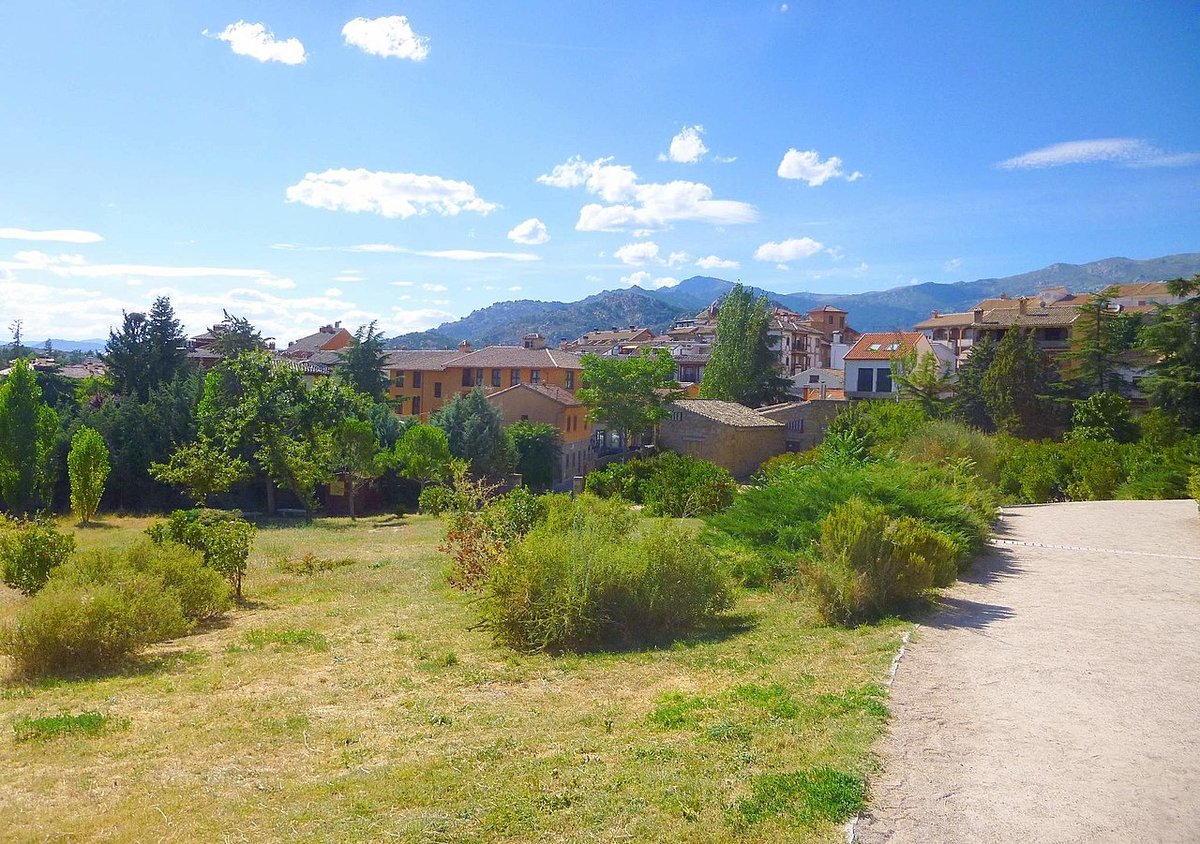
There is a moment when leaving the built-up area of Hoyo de Manzanares when everything changes. The last row of parked cars disappears, the road narrows, and the air starts to smell of damp earth and pine. It feels a bit like leaving Madrid’s M‑30 ring road and, without quite noticing, slipping into a different rhythm.
Hoyo works in that way. It does not impress immediately. It is not the sort of place that holds your gaze on façades or grand streets. After a while, though, something loosens. It feels closer to stepping into a friend’s house and taking off your coat without thinking.
Granite at the centre of everything
In Hoyo, granite is not just part of the landscape. It defines it. The ground, the façades, the walls, all carry that rough grey tone. Walking through the centre feels like moving across an old quarry that was gradually turned into a town.
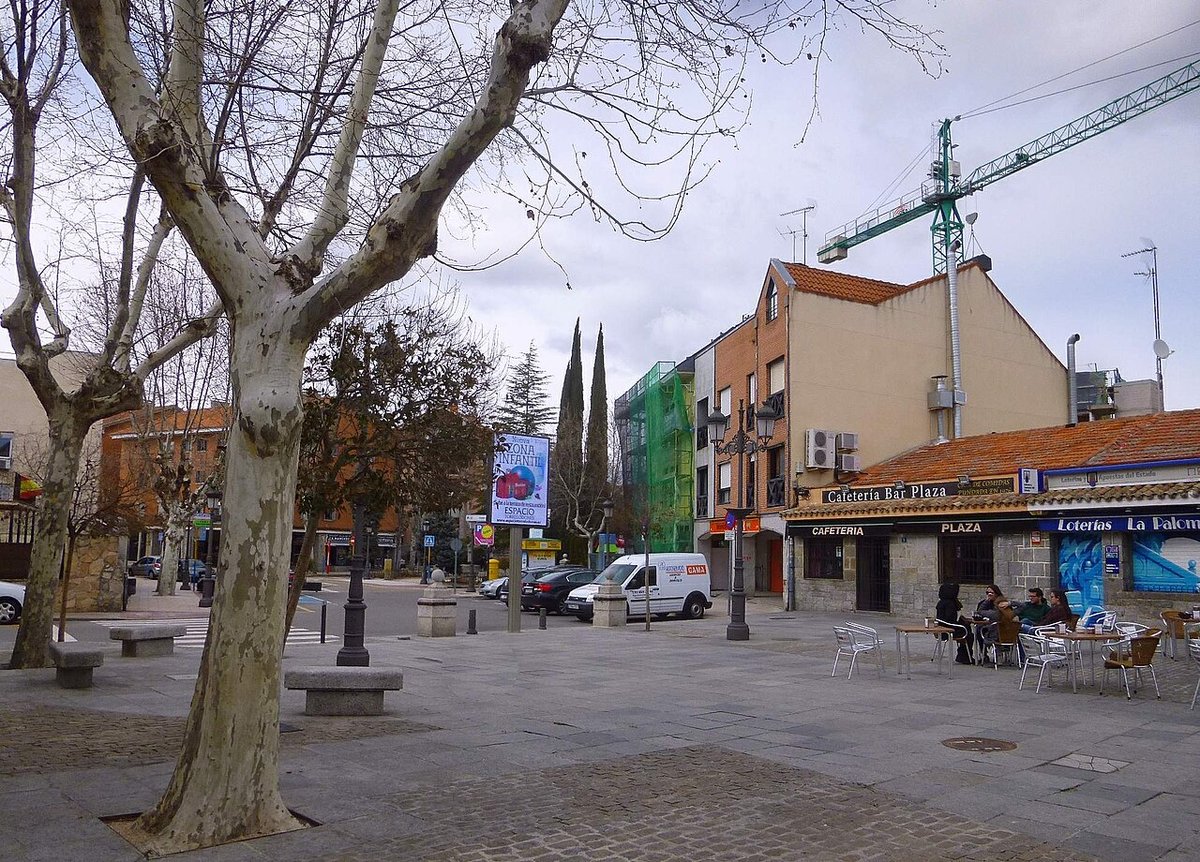
The Plaza Mayor is small and enclosed. Sound bounces off the stone surfaces. Even a raised voice becomes noticeable, much like in an old entrance hall where every echo lingers.
Stonework shaped the local economy for a long time. Quarries here supplied material used in buildings across Madrid. The marks are still visible. Some hillsides look as if chunks have been carved out, leaving uneven surfaces behind.
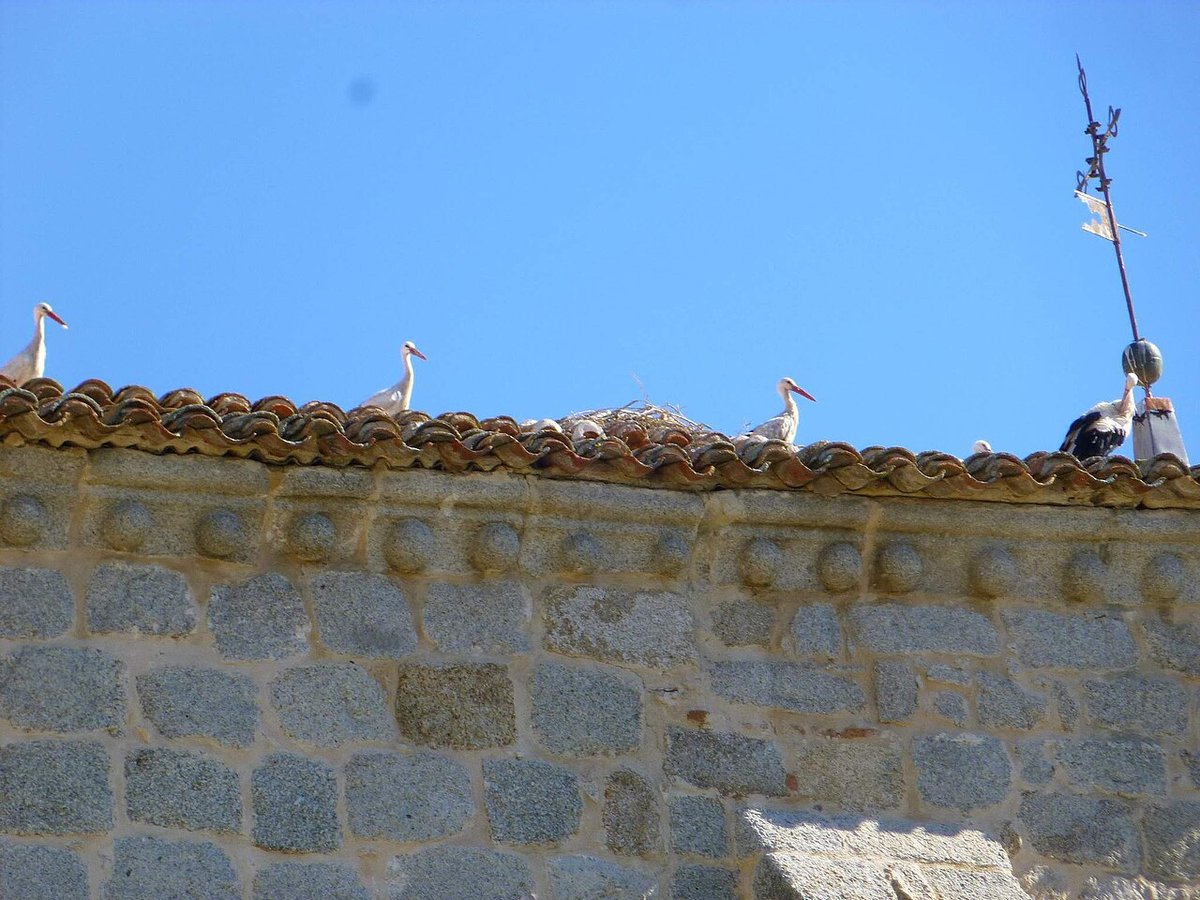
The Iglesia del Rosario follows the same logic. Solid stone, minimal decoration. It has the kind of structure that suggests permanence. Inside, the atmosphere is dim and calm. There is the familiar scent of wax and aged wood, much like in many parish churches across the Sierra.
Bread that still feels substantial
Buying bread in Hoyo de Manzanares can require patience. Sometimes there is a queue. Other times the bread has simply sold out. It is common in places where production is limited and once it is gone, that is it.
The bread here tends to be large and dense. It has weight in the hand. When broken, the crust crackles like a freshly opened packet of crisps. It also keeps well for several days, something that feels almost unusual compared with city habits.
At weekends, the arrival of cars from Madrid is easy to spot. People step out with backpacks, new walking boots, and often boxes ready to carry bread home. The scene mirrors what you might find in rural markets near the capital.
In winter, conversations often turn to traditional slow-cooked dishes. Hearty soups, lamb stews, meals that take time and fill the kitchen with warmth. It is the kind of food that leaves you ready for a nap, like after a long family lunch.
Paths that begin where the road ends
One of Hoyo’s strengths is how quickly the town gives way to open countryside. You can leave on foot and within minutes be among holm oaks and granite outcrops. The shift is immediate, like switching off your phone on a Sunday and noticing everything quieten.
Several circular routes run through the surrounding area. Some lead through pine forests, others cross meadows where livestock graze. Cows watch walkers with a steady calm, as if aware that they are not the ones in a hurry.
The terrain alternates between clear paths and rounded granite formations. At times the landscape feels almost unfamiliar, like a natural playground shaped from stone.
Scattered along the way are older stone constructions, small shelters or country houses. From a distance they can appear abandoned. Then a thin line of smoke from a chimney suggests otherwise, a reminder that some people still spend long periods here.
Evenings that slow the town down
On certain summer nights, the centre of Hoyo changes noticeably. One of these is the Noche de las Velas. Many of the usual lights are switched off, replaced by candles in the square and nearby streets.
It is not a large-scale event. There are no elaborate installations. People sit, talk, and stroll slowly. The feeling is similar to a power cut at home when conversation stretches out simply because there is little else to do.
The fiestas of the Virgen de la Encina take place around September. During those days, many people return to a place tied to their childhood. The atmosphere resembles a very large family gathering, with familiar faces, music, stalls selling sweets, and plenty of conversation in the streets.
Rosquillas are a typical treat at this time. Some are flavoured with aniseed, others are simpler. It is common to buy several for the journey back, though they rarely last that long.
A quiet hillside cemetery
On the road towards Colmenar lies a lesser-known place, the Jewish cemetery of Hoyo de Manzanares. It sits apart, among pine trees.
The headstones face east, in keeping with Jewish tradition. The setting is simple rather than monumental. What stands out most is the quiet.
Visitors sometimes leave small stones on the graves, an old custom that serves a similar purpose to flowers, though more discreet.
From here, the town can be seen at a distance. The houses appear small, almost like a model placed carefully on the slope.
That view offers a useful way to understand Hoyo. It is not a place that overwhelms. It works more like a song that barely registers at first, then returns to mind days later.
A morning visit, a walk, something warm to eat, and the sense lingers. Back in Madrid, the thought comes easily that it would be worth returning any Saturday, without much of a plan, just to walk and let the pace shift again.