Full Article
about Miraflores de la Sierra
Elegant summer town with fountains and gardens; gateway to the Morcuera and Canencia passes
Hide article Read full article
Arriving Through Pine and Quiet
Some places greet you with a landmark. Miraflores de la Sierra does not. You arrive by car and, on one of the bends coming down from La Morcuera, the interior fills with the smell of pine. That moment sums up tourism here rather well: less spectacle, more actual mountain.
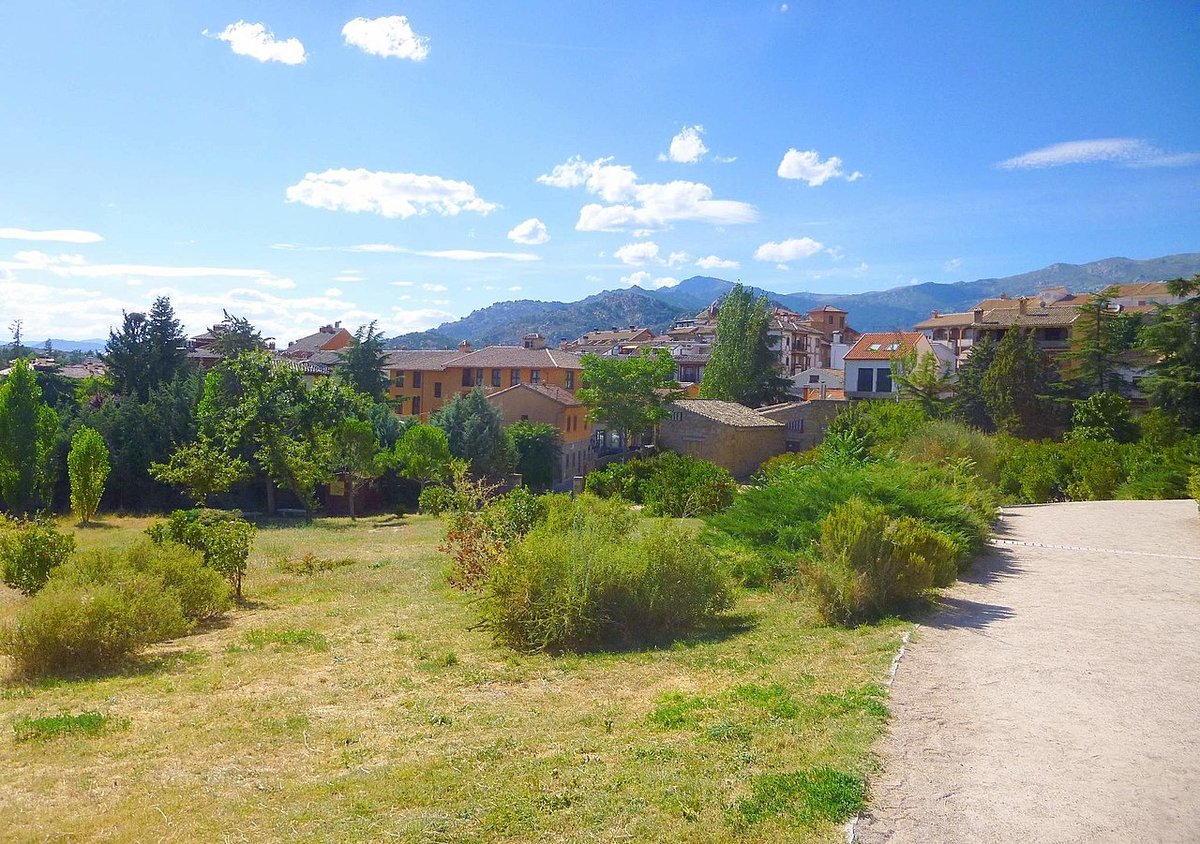
The setting is simple and open. There is no grand reveal, no single viewpoint designed to impress at first glance. Instead, the village sits with the Sierra close at hand, and the sense of being in it begins almost immediately.
A Name Chosen to Impress a Queen
Miraflores was not always called Miraflores. It used to be Sajra, a name that today sounds more like a product than a place. The story told locally says that after a visit from Isabel la Católica, someone decided the landscape deserved a more striking name. Miraflores was the result. Whether or not that story is true is another matter, but the name stayed.
One of the first things to notice is the town hall with its eight columns. It has a slightly theatrical feel. People sit on the steps as if they were seats, looking out towards the valley. There is no sea here, but there is a wide view over the Jarama that opens out in front of the village.
The overall impression is not of a place trying to impress, but of one that is used to being lived in. The square works as a meeting point more than as a postcard.
A Church Built Over Decades
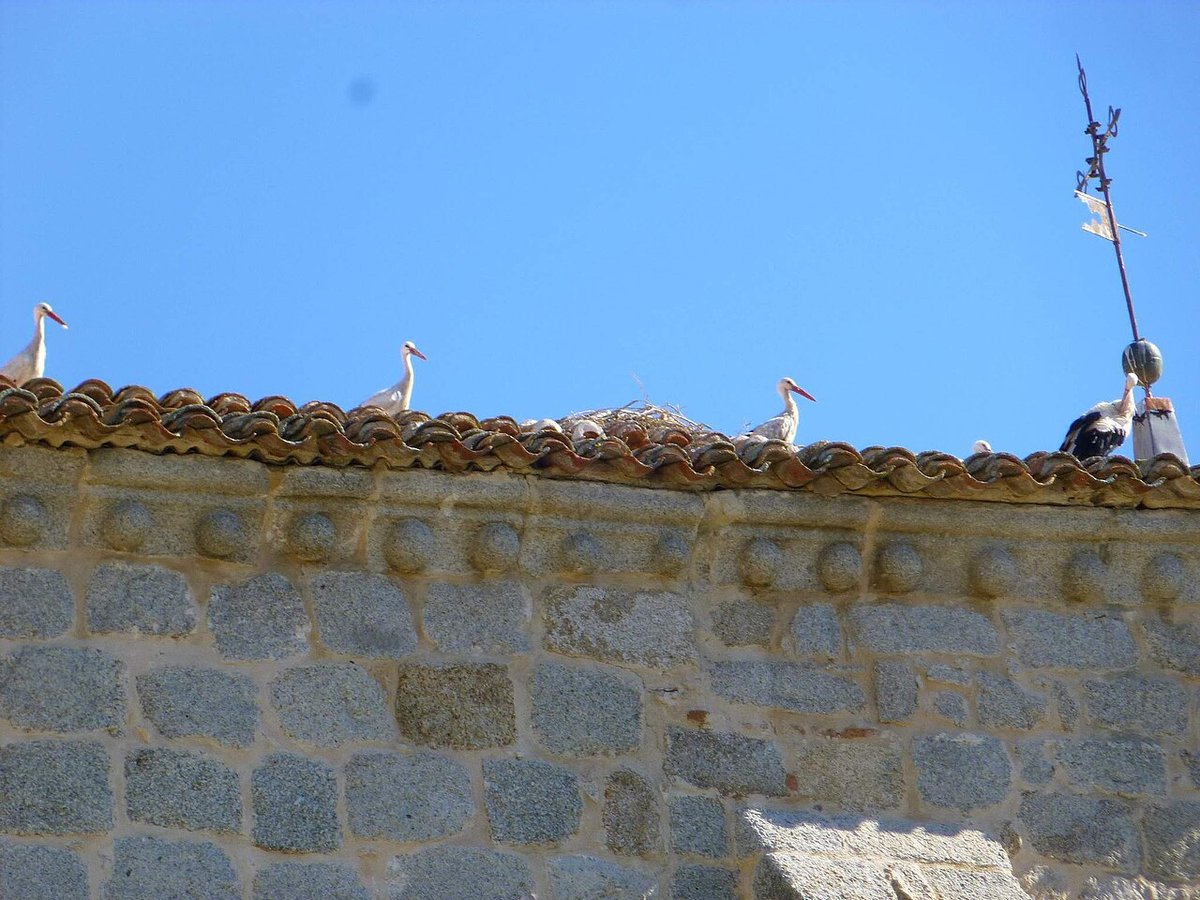
The Church of the Asunción took its time. Construction began in the 15th century and stretched on for decades. Looking at it calmly, that makes sense. The stone is solid, the proportions large for what was once a much smaller village.
Its style resembles other churches linked to the Mendoza family in this part of the Sierra. Anyone who has passed through Manzanares el Real or Buitrago will recognise that shared look.
Inside, there is a Gothic carving of the Virgin that is traditionally taken out in procession in mid-August. At that time of year, the village fills up and the atmosphere shifts noticeably. What is usually quiet becomes busier, and the rhythm of daily life changes with it.
Mushrooms, Meat and Piononos
Food here tends to revolve around a few very specific things.
One is mushrooms in autumn. In the surrounding pine forests, boletus appear, and for a few weeks they become the main topic of conversation. The season has its own pace, and it shows in what ends up on the table.
Another is meat from the Sierra, associated with the Guadarrama label, which is taken seriously in this area. It reflects the local approach to food, tied closely to the landscape rather than to trends.
Then there are piononos. Small, sweet and difficult to stop eating once you start.
In winter, it is also common to hear about cod dishes linked to the feast of San Blas. This is more a local tradition than something designed for visitors, one of those customs that continues simply because it always has.
The Path to the Reservoir
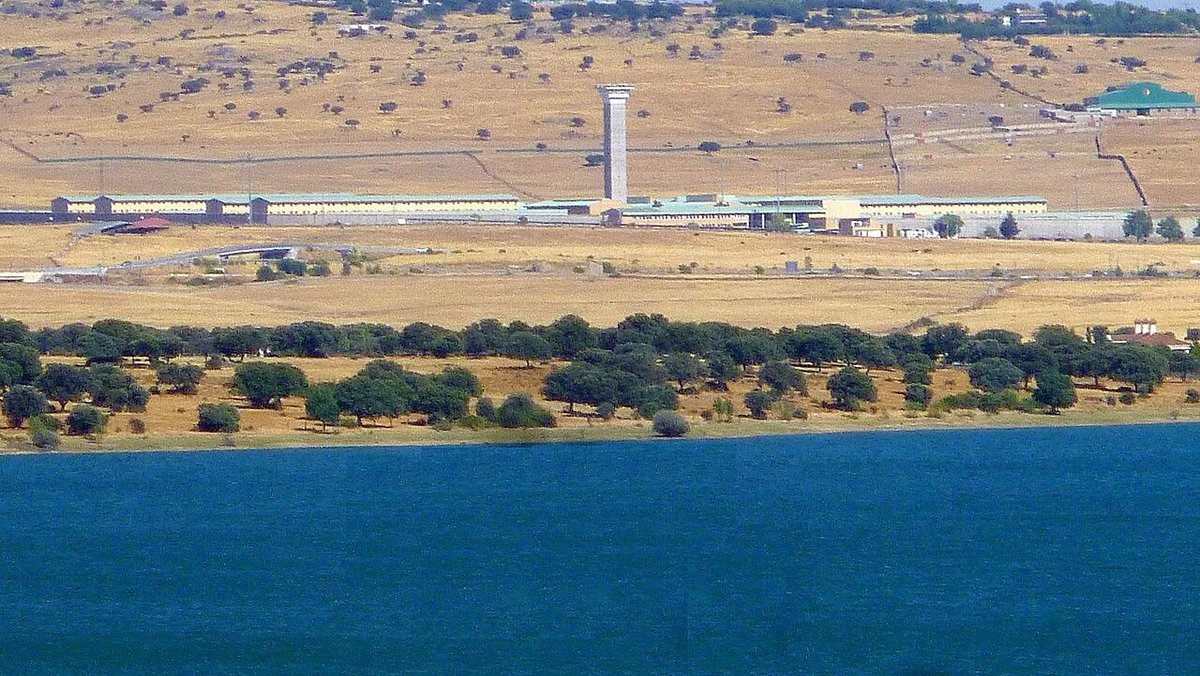
There is a well-known path among locals that leads down to the Miraflores reservoir. Expectations should be modest. There are no wooden walkways or designed viewpoints. It is a straightforward trail, running alongside the water and through trees.
People walk their dogs here or stroll without hurry. The pace is unforced, and the route feels part of everyday life rather than a planned attraction.
Those who continue uphill into the surrounding mountain area begin to gain height towards nearby peaks such as Pico de la Pala. It is not an epic ascent, but it is enough to open up a good view of the valley, with the village set below.
The experience is less about reaching a dramatic summit and more about the gradual change in perspective as the ground rises.
La Colonia and the Summer Houses
At the end of the 19th century, something shifted. Well-off families from Madrid realised that sleeping here in summer was far more comfortable than in the heat of the capital. That is how the area known as La Colonia came into being.
Walking through its streets, older villas appear, some with names on their façades as if they were small estates. They are not palaces, but they recall a time when the Sierra served as a seasonal refuge.
Over the years, many of these houses stopped being only for summer. Today, people live here all year round. What began as a seasonal escape gradually became a permanent home.
Is It Worth the Trip?
Miraflores de la Sierra is not the most visually striking village in the area. Anyone looking for a very specific image of tightly packed medieval houses will find other places that fit that idea more closely.
What Miraflores offers is something different. It is close to Madrid, it still feels like a lived-in village, and the Sierra begins almost as soon as the last street ends. You can walk, eat well and head into the hills without needing a complicated plan.
The best approach is simple. Take it slowly, spend some time in the square, walk towards the reservoir and head back before evening. It is the kind of place that works best when there is no attempt to extract too much from it.