Full Article
about Soto del Real
Pedriza Back Gate; a residential town with a bike path to the capital
Hide article Read full article
A small town just off the road
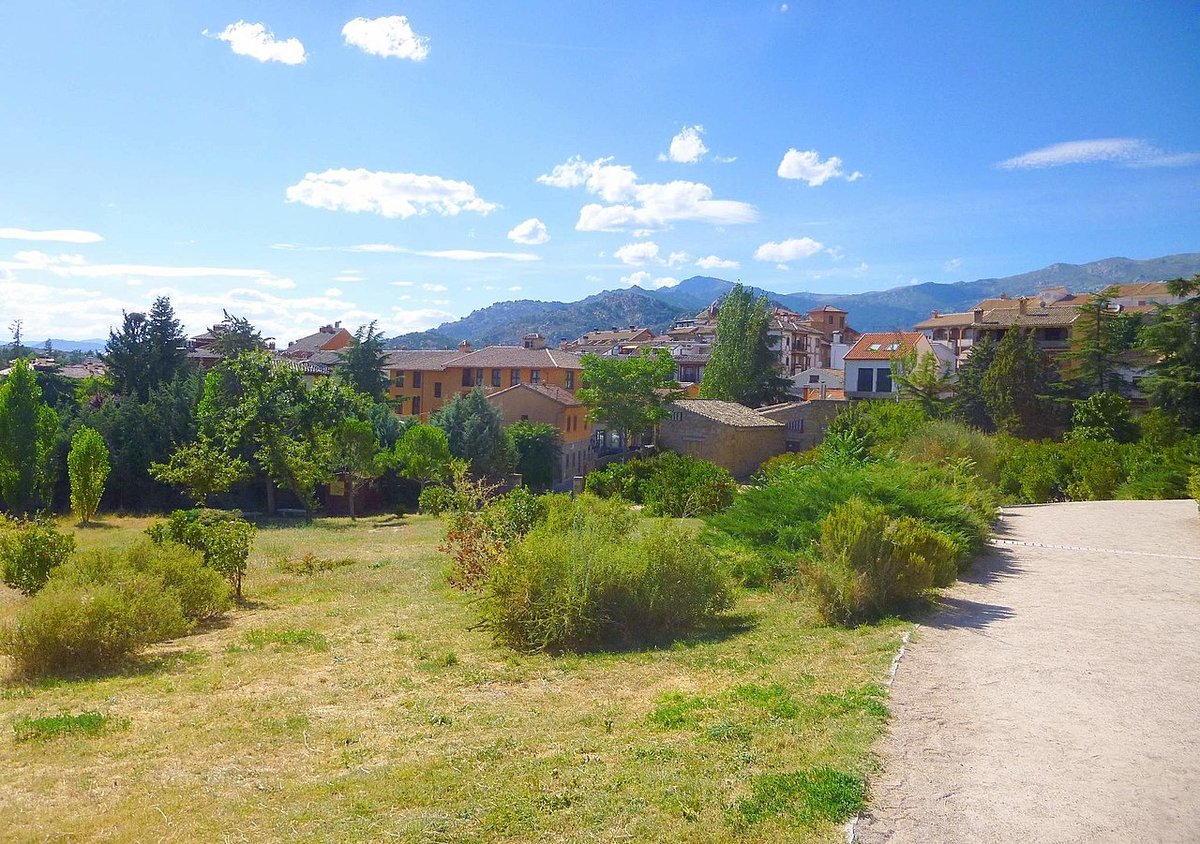
Soto del Real sits a short detour from the M‑607, between Colmenar Viejo and Miraflores. It is easy to reach by car, and that is how most people arrive. Once inside the town, it makes more sense to park near the entrance and continue on foot. The centre is compact, with most activity concentrated along a single main street, so driving around adds little value.
The town has around 9,400 residents and maintains a close relationship with Madrid. During the week, there is very little movement. The pace shifts at the weekend, when cars arrive from the capital and terraces begin to fill. The contrast is noticeable, even though the place itself remains modest in scale.
What you will find, and what you will not
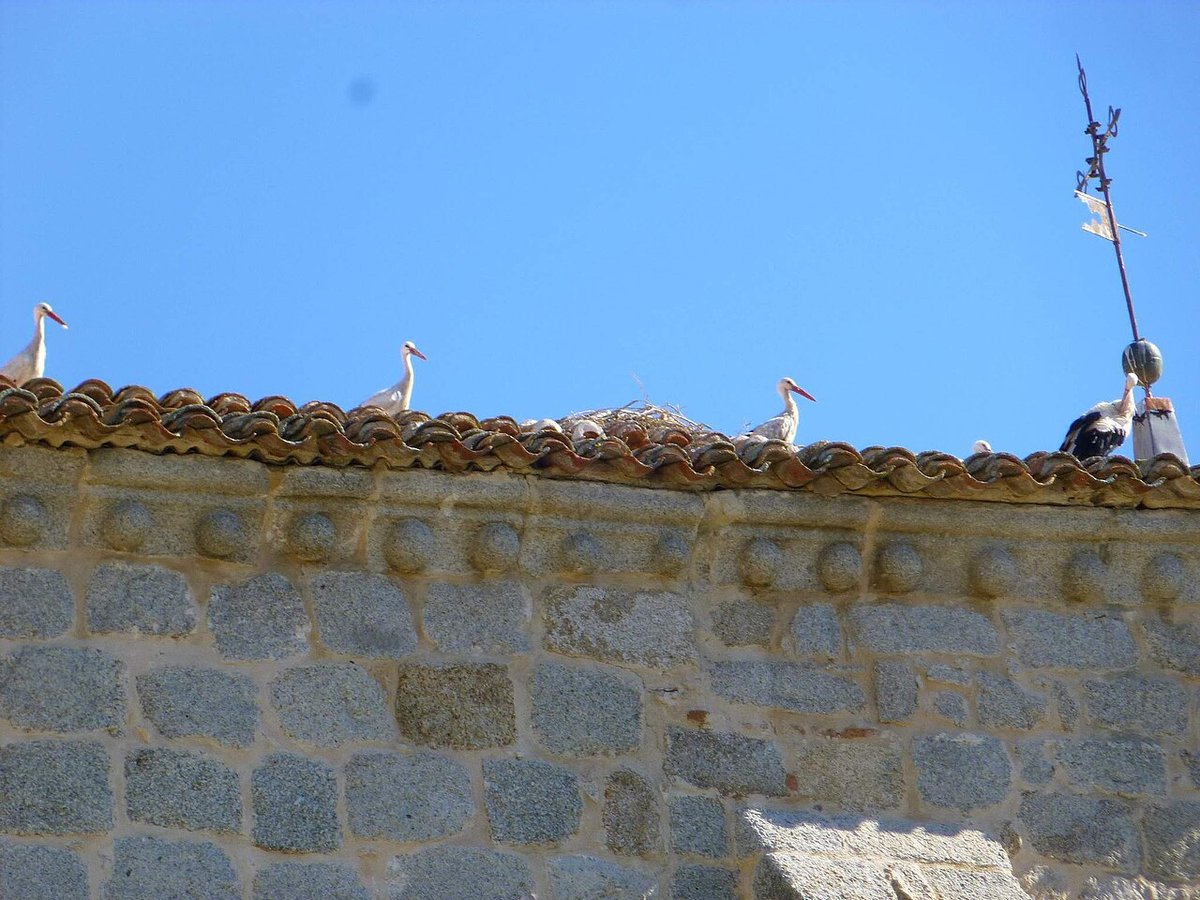
The historic core can be covered quickly. There is a simple main square and the church of San Sebastián. Its tower stands apart from the main body of the church, which is unusual and tends to catch attention.
In the same square sits what is known as the Roman parallelepiped, dating back to the 2nd century. It is a stone with a Latin inscription. Many people walk past it without noticing, and others use it as a place to sit. There is not much interpretation on site, and little else to expand on around it.
Soto del Real does not present itself as a place packed with landmarks or major sights. The appeal lies more in its simplicity and its position near natural surroundings than in a dense list of attractions.
Water, open space and the edge of the park
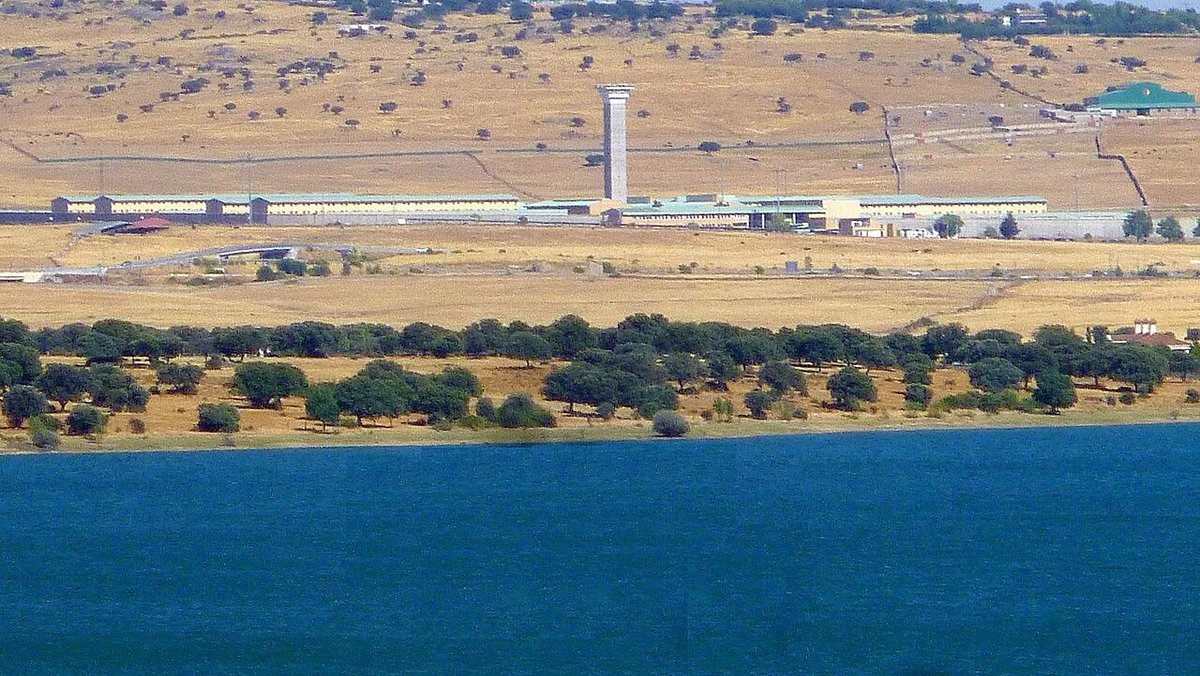
About three kilometres away lies the Santillana reservoir. Although it does not belong to the municipality, it is effectively the main reason many people come here. The presence of water changes the feel of the area and draws visitors, especially at weekends.
Near the dam there is usually a place to park and a path that runs alongside part of the water. On good days, it fills up quickly. The reservoir remains cold even in summer, and the landscape around it is open, with very little shade. It is wise to bring water and something to eat, as services in that immediate area are limited.
The surroundings form part of the Parque Regional de la Cuenca Alta del Manzanares. Soto del Real extends well into this protected area. There are marked paths that range from gentle walks to longer routes that require more time and effort. The transition from town to open countryside is quick, and the change in atmosphere is clear.
A place with several past names
The town has not always been called Soto del Real. Over the centuries, it went through several names. It was first known as Chozas de la Sierra, later as Casas Quemadas, a reference to fires that occurred in the past. Until the mid-20th century, it carried the name El Real de Manzanares.
The current name emerged from a local vote in the late 1950s. Residents wanted something that would distinguish the town from nearby places. The choice reflects that moment of redefinition rather than a much older tradition.
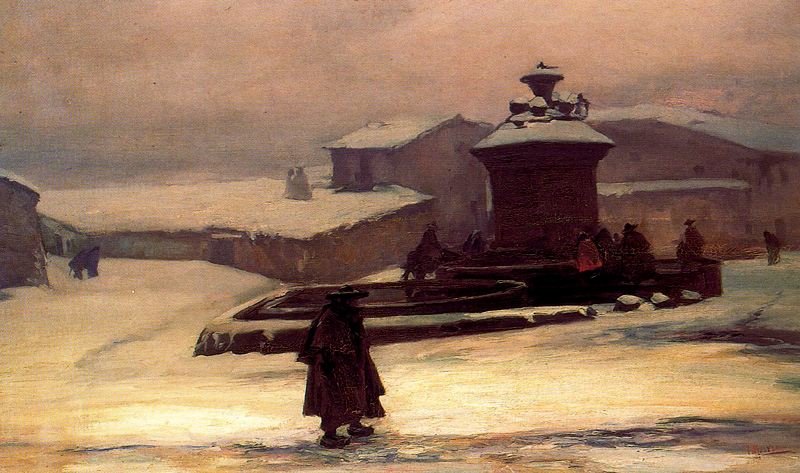
Its administrative status dates back further. In the 16th century, Philip II granted it the title of villazgo, which gave it its own jurisdiction. With that came the typical symbols of the time: a pillory, a jail and local authority. The pillory no longer exists. The old jail building still stands, although it now serves municipal purposes.
Eating, staying and the general feel
Soto del Real offers a handful of small accommodation options, along with some rural houses in the surrounding area. Activity increases during the busier months, particularly in summer, when more people pass through or stay nearby.
Food here does not revolve around a sharply defined local cuisine. Menus tend to feature dishes associated with inland and mountain areas. Expect hearty stews, grilled meats and dishes such as judiones, large beans cooked in a rich style. You may come across “judiones a la sotoña”. The name suggests something distinctive, but in practice it is a familiar dish with a local label.
The town’s rhythm remains simple. It does not try to compete with larger destinations or offer a long list of diversions. That modesty shapes the experience as much as anything else.
A straightforward visit
If the aim is to see Soto del Real at a relaxed pace, timing makes a difference. Weekdays are quieter, and early on a Saturday is still manageable. As the morning progresses, parking begins to get more difficult.
A visit here usually amounts to a short, easy walk through the centre and perhaps time by the reservoir. For those who want more expansive scenery or a stronger sense of the mountains, nearby places such as Manzanares el Real or Miraflores offer a different setting within a short distance. The landscape shifts noticeably between them, even though they are close by.
Soto del Real works best as a pause rather than a destination that fills a full itinerary. Its scale, its proximity to water and parkland, and its low-key atmosphere define what it offers.