Full Article
about Alpedrete
Traditional quarry village in the sierra; known for its granite quarries and ideal summer setting.
Hide article Read full article
Getting Your Bearings
Tourism in Alpedrete is straightforward and brief. If arriving by train from Madrid’s commuter network, the nearest stations are Los Negrales and Mataespesa. Both fall within the municipality, though the centre sits about three kilometres away, so there is still a bit of ground to cover.
By car, the usual approach is to park near the Town Hall or on nearby streets and continue on foot. The historic core is small, and there is little point circling in search of a perfect spot. Everything is close enough to walk, and the layout does not demand much planning.
This is not a place that requires an itinerary. It is easy to understand in a short visit, with just a handful of stops that give a clear sense of what Alpedrete is and how it grew.
Granite Underfoot
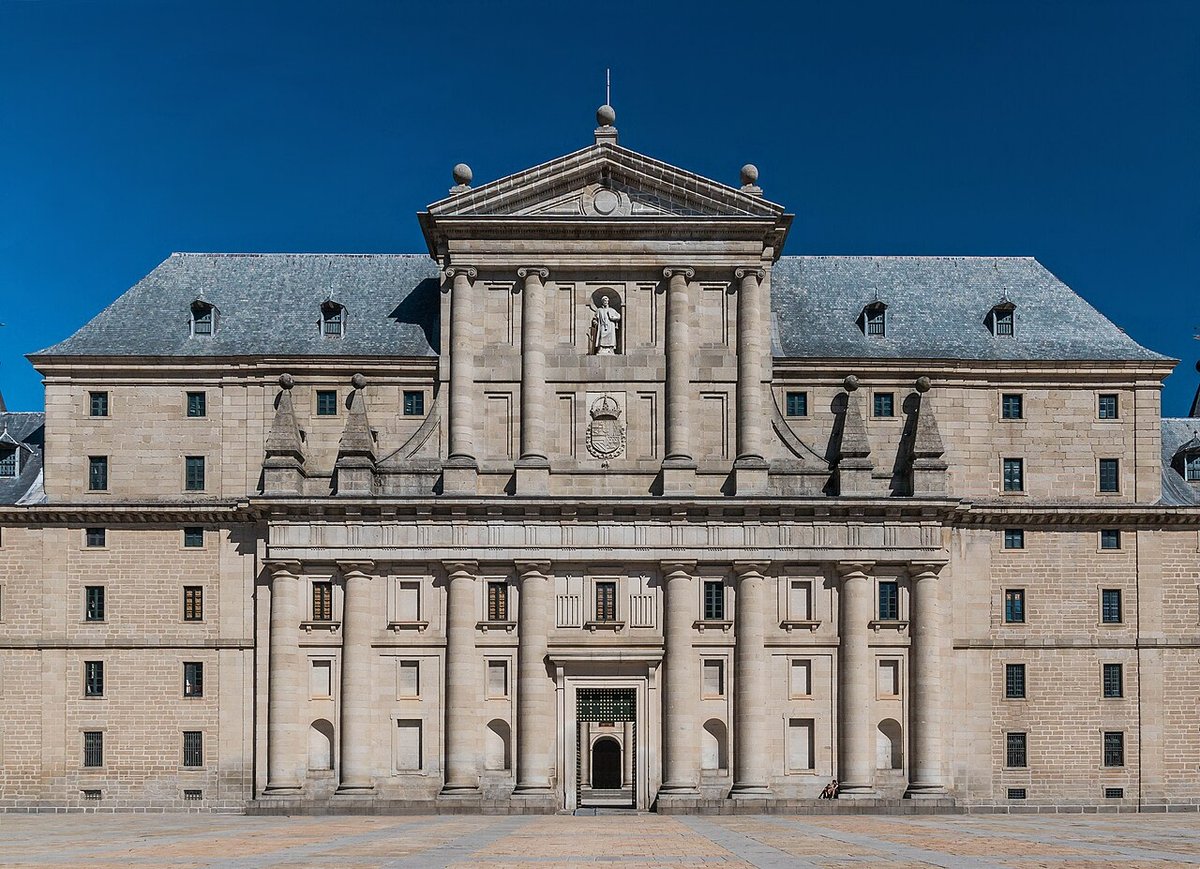
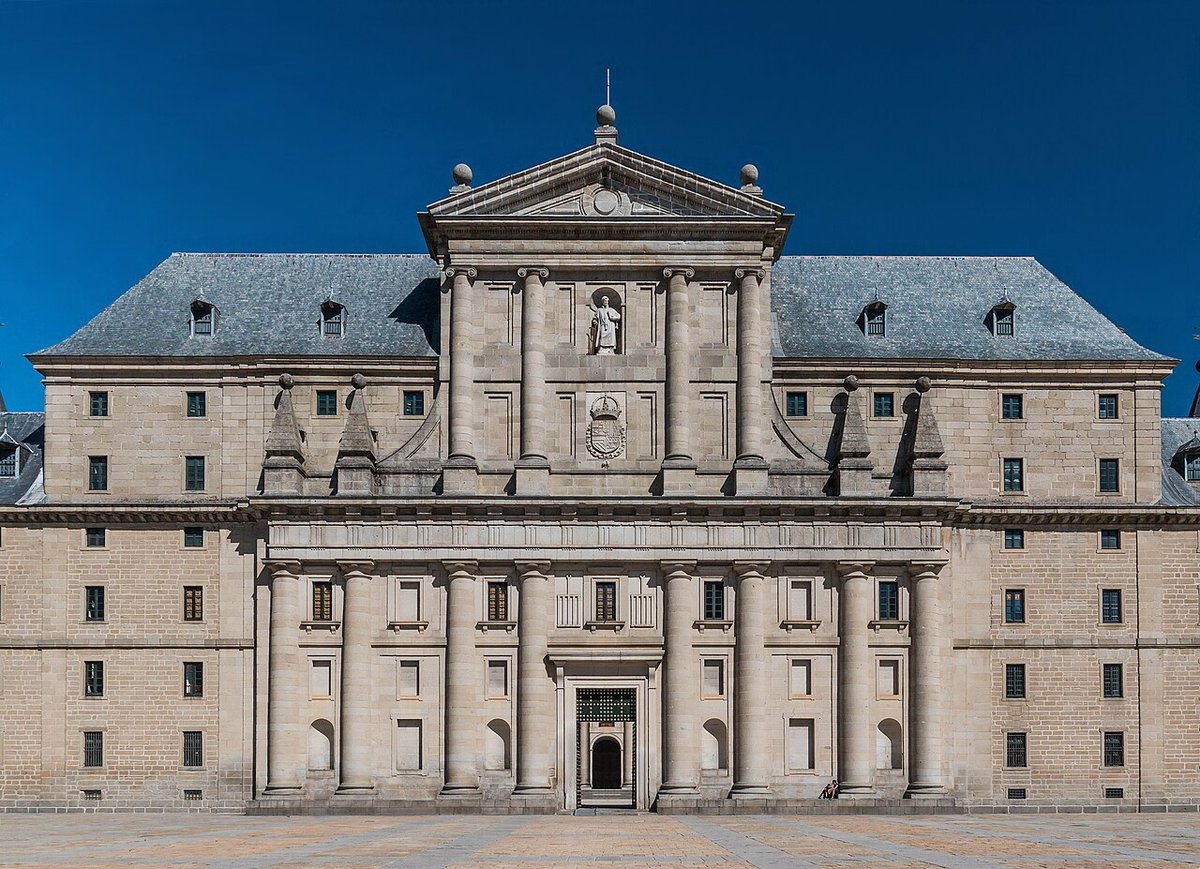
Alpedrete smells of granite when it rains. That is not an exaggeration. For centuries, stone was quarried here for major construction projects across the Guadarrama area, including works connected to El Escorial. The quarries still exist today, though activity has slowed.
A forest track begins near the cemetery and climbs steadily towards former extraction sites. It is not particularly well signposted. The route rises for around three kilometres, and along the way there are abandoned blocks and quarry faces where tool marks remain visible in the stone. There is no entrance gate or supervision.
Closer to the road stands the dolmen of Entretérminos. It was identified in the 1930s during work on a plot of land. Inside, funerary items were found, one of which ended up in the Museo Arqueológico Nacional in Madrid. From a distance it looks like a simple pile of stones. The structure only becomes clear when you get close. At weekends, cyclists often stop here briefly before continuing their route.
Granite is not just part of the landscape. It defines the town itself. The same stone appears in walls, bases of buildings and many houses in the older streets. Alpedrete was built with what lay directly beneath it, and that material still shapes how it looks and feels.
The Old Church
La Asunción is one of the few elements that remain from before Alpedrete expanded in the modern era. The oldest sections are generally dated to medieval times. The stone entrance, with its archivolts and small projecting corbels, tends to draw the most attention.
Inside, there is a simple Baroque altarpiece. It does not transform a visit. The more interesting part is outside, in the granite itself. The same material used in the church appears across the historic centre, tying the buildings together in a quiet, consistent way.
The church stands as a reference point rather than a centrepiece attraction. It gives a glimpse of the earlier village, before growth changed the scale and rhythm of the place.
From Summer Retreat to Year-Round Town
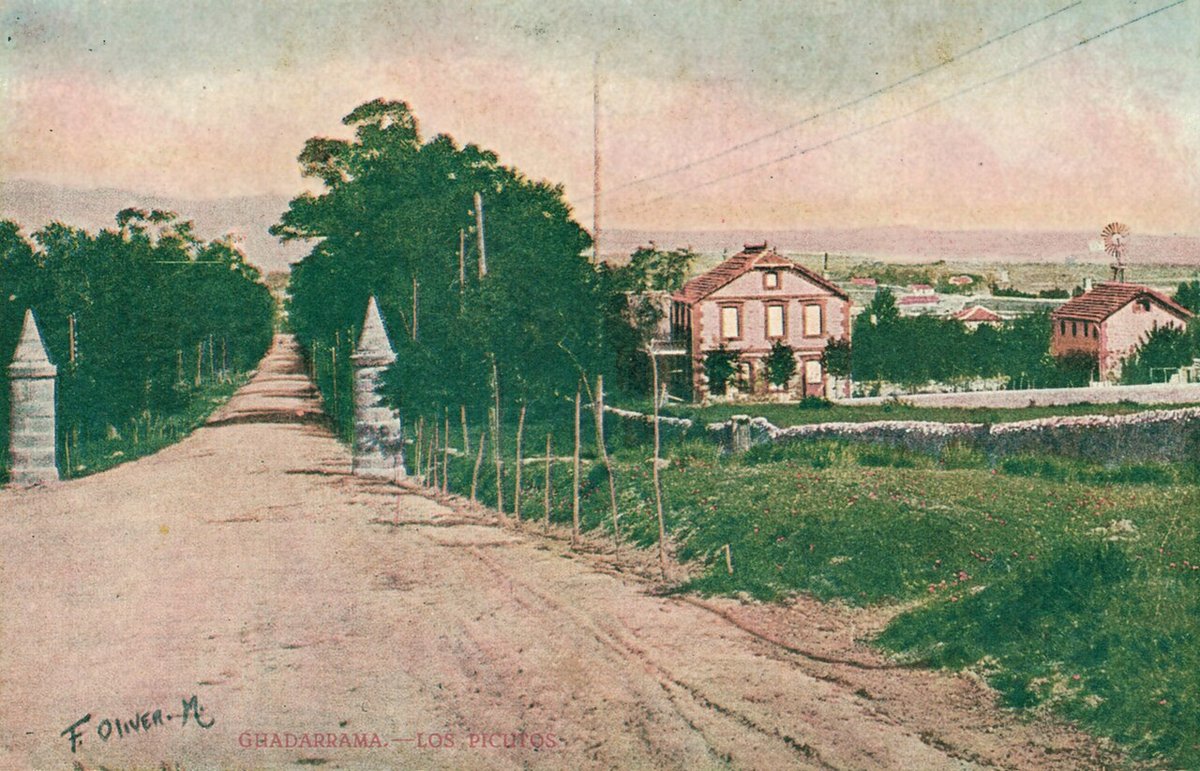
Well into the 20th century, Alpedrete was a small village. In summer, it filled with people from Madrid escaping the heat, staying in houses with gardens built for seasonal use. Over time, many of those visitors settled permanently, and the municipality expanded to more than 15,000 residents.
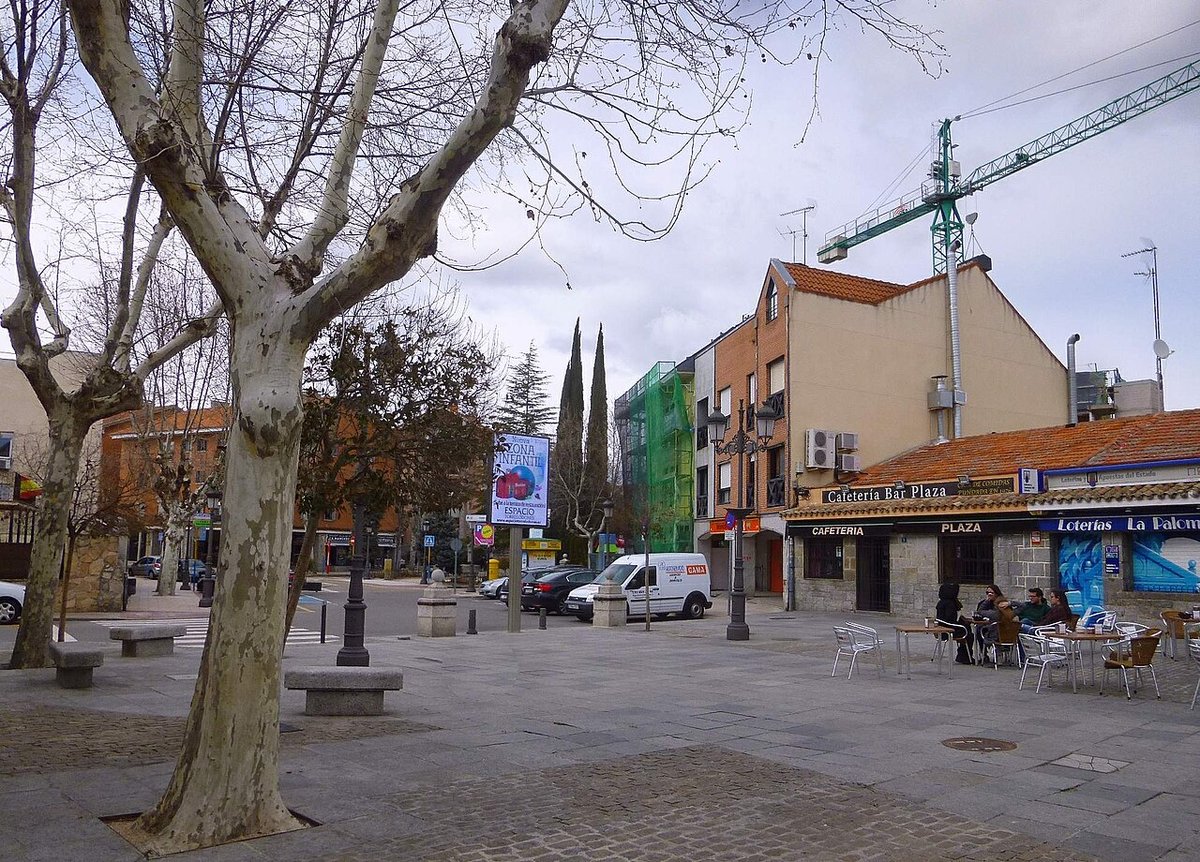
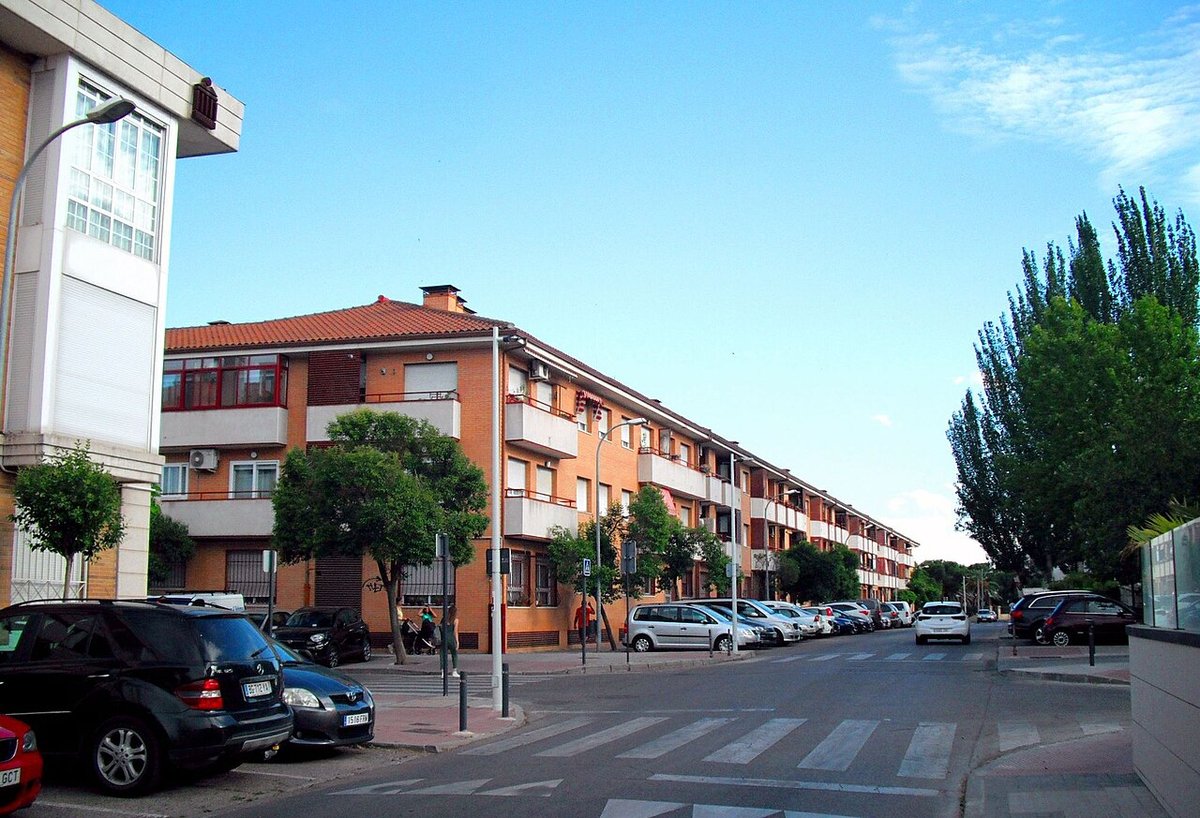
That growth is visible. Blocks of flats stand alongside low houses, and residential developments from the 1960s sit next to more recent constructions. The M‑608 road cuts through the town and effectively splits the centre in two. At certain times of day, crossing it involves dealing with steady traffic.
In the area known as La Ventilla, several of those older summer houses still remain. They are typically single-storey buildings with stone walls and large plots, often with oaks or strawberry trees. Some have been heavily renovated, while others retain much of their original character.
Seasonal habits have also stayed. In autumn, many locals head into the surrounding countryside to gather mushrooms. Níscalo, a type of saffron milk cap, is the usual find. People carrying baskets and walking sticks are often out for that reason.
When to Go and What to Expect
Alpedrete is connected to Madrid by commuter rail, stopping at Los Negrales or Mataespesa. From either station, reaching the centre involves walking, taking a bus or continuing by car.
By road, access comes from the A‑6 motorway, taking the exit towards the Guadarrama area and linking to the M‑608. Traffic during the week is manageable. Winter weekends, especially when there is snow in the mountains, can be more complicated.
Spring and autumn tend to be the calmest periods. Summer brings more movement due to second homes being in use. When snowfall arrives, which happens some winters, the pace of the town slows noticeably.
It is worth being clear about expectations. There is no large historic quarter or a sequence of monuments. Alpedrete developed first as a summer retreat and later as a residential town.
Food options follow the pattern of many places in the Sierra de Guadarrama: bars serving shared plates, set daily menus and grills focused on meat. Nothing stands out in particular.
Alpedrete works better as a stop than a long stay. A short visit is enough to see the church, walk to the dolmen and head towards the old quarries. In a couple of hours, a clear impression forms.
If travelling towards Navacerrada or planning walks in the Guadarrama mountains, stopping here makes sense. If the aim is a large historic centre, other towns in the range are a better fit.