Full Article
about Becerril de la Sierra
Tourist town at the foot of La Maliciosa; ideal for mountain activities and summer relaxation
Hide article Read full article
Getting your bearings
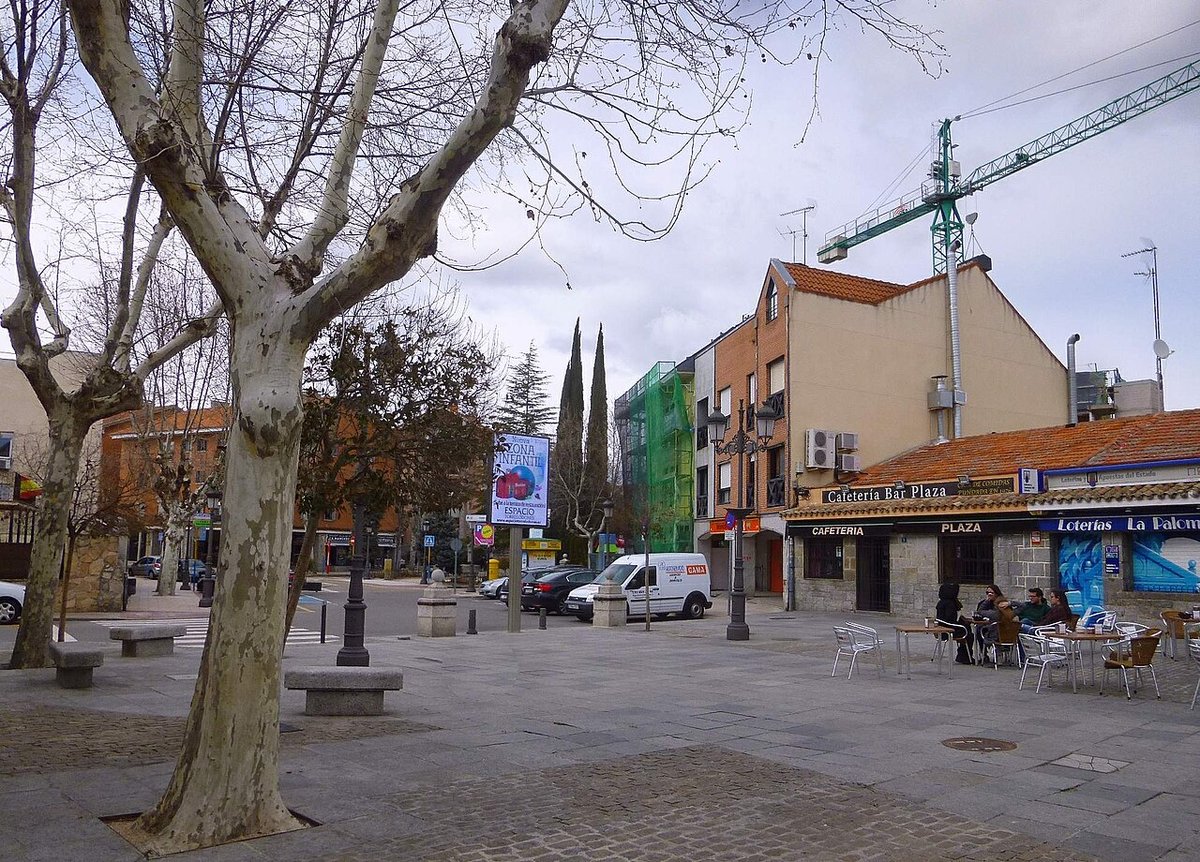
If you come to Becerril de la Sierra, the practical move is to park near the town hall square and continue on foot. During the week it is usually straightforward to find a space. At weekends it is different, with more cars and a bit of circling before something opens up.
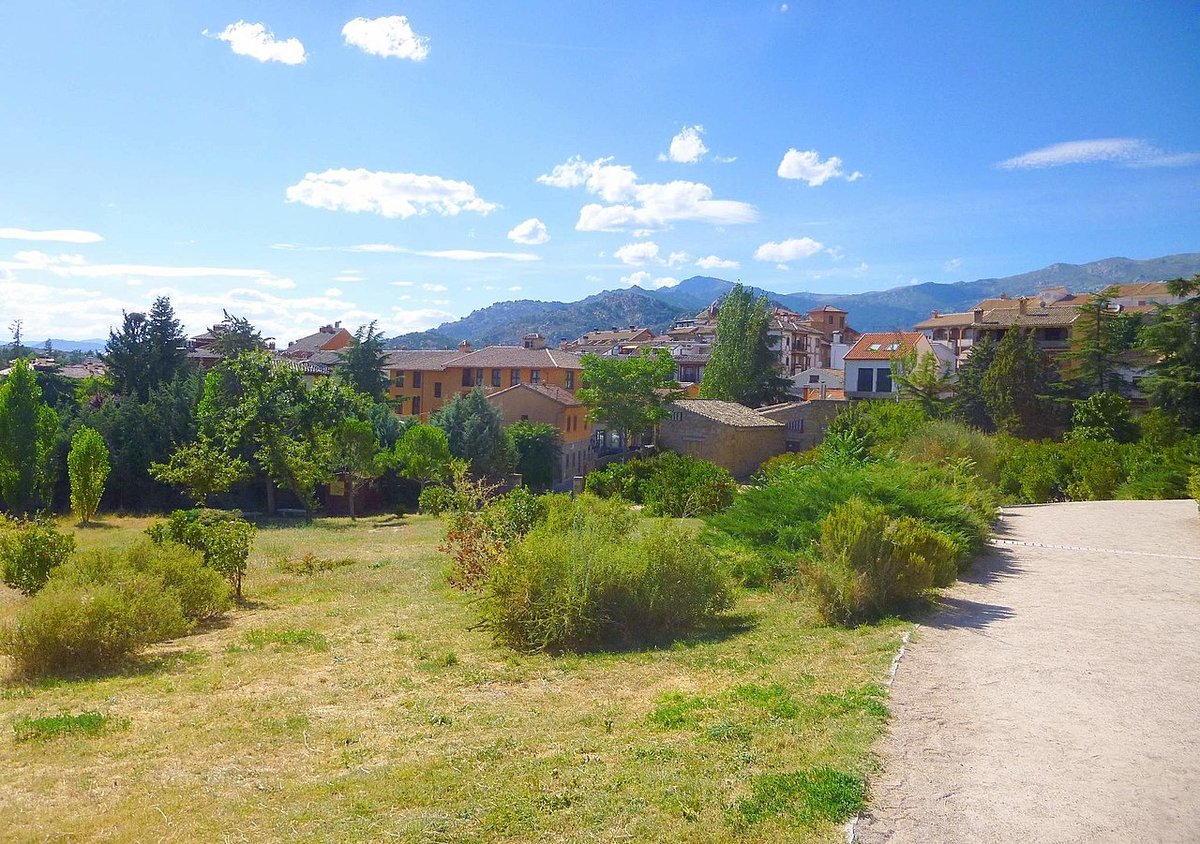
From that central area the Sierra is already in view. Stone, pine trees and open grassland set the tone straight away. The place is easy to read at a glance, without much need for orientation.
A town that spreads out
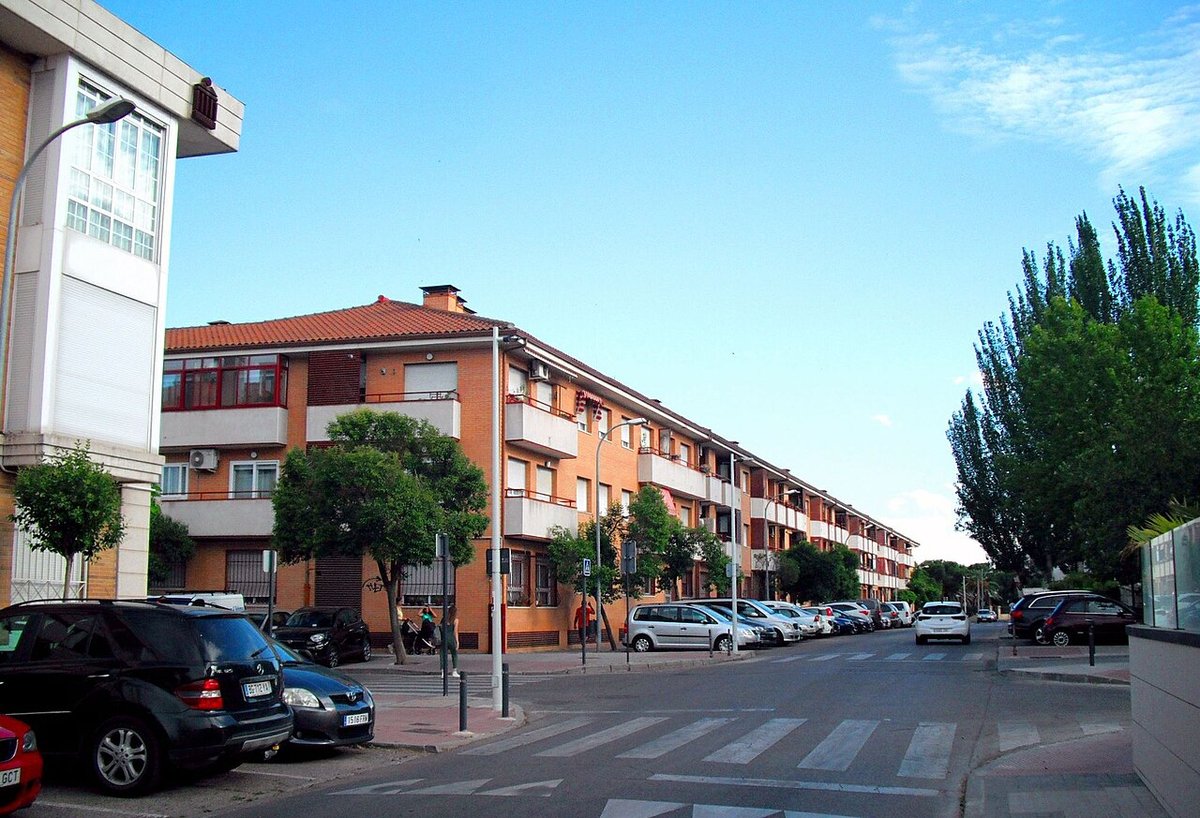
Becerril covers a fair amount of ground for its size. It does not have a compact historic centre where everything clusters together. Instead, there are residential developments, detached houses and long streets that are not especially inviting for aimless wandering.
In summer, many people arrive from Madrid. It shows in the number of cars and in the busy terraces. For the rest of the year the pace drops and things feel quiet.
The most visible building in the centre is the church of San Andrés. It is built in granite, with a solid, almost defensive appearance. Inside, the visit is brief. The setting outside explains more about the place: the cemetery nearby, stone boundary walls and the Sierra closing in the background.
Stonework and pasture
Granite shaped Becerril for decades. There were active quarries here, and teams of stonecutters worked the rock that would later be used in Madrid or in nearby towns.
That activity has long since disappeared, but its mark remains clear. Many of the houses are built from the same grey granite. There is no showiness in it, just straight, sturdy walls.
Around the town, the meadows continue much as before. Cows graze close to the road, and it is common to see them when heading out towards the mountain passes of the Sierra. In that sense, the landscape has not changed much.
Water close at hand
There are several fountains scattered across the municipal area. The Fuente del Caño sits in the centre and is the one most people use as they pass through the square.
Others lie a little further out, along paths that lead away from the main streets. The water runs cold even in summer. Many local residents still come to fill large containers here.
There is a short circular walk that links several of these fountains before returning to the starting point. It is not demanding, more a way to stretch the legs than a proper hike.
A viewpoint that earns the climb
For a more open view of the surroundings, the most direct option is to head up towards La Peñota. Roads leave the edges of the town and gain height quickly.
At certain passes, it is possible to leave the car and walk a short distance. From higher ground, a good part of the Sierra comes into view and, when the air is clear, the plain stretching towards Madrid.
Even in summer it tends to be cooler up there than in the town itself. Bringing an extra layer makes sense if you plan to be there towards sunset.
A straightforward place
Becerril does not try to impress. It is a functional mountain town: granite houses, meadows around it and quick access to higher ground.
Arriving early at the weekend helps, and it is worth taking the first parking space that appears. A short walk through the centre, a stop at one of the fountains, and then a move towards the Sierra is enough to understand the place. A few hours will give a clear picture, and that is entirely in keeping with how Becerril works.