Full Article
about Cercedilla
Gateway to the Sierra de Guadarrama National Park; historic mountain and ski tourism hub
Hide article Read full article
Cercedilla: el piso de al lado que se llena en invierno
Cercedilla es como ese compañero de piso al que nunca hacías mucho caso, hasta que un día todo el mundo quiere quedar en su casa. En cuanto llega el frío, se convierte en uno de los nombres que más se repite cerca de Madrid. La gente empieza a decir que está más cerca que Navacerrada, o a preguntar si hay tren directo. Lo hay, y cuando cae la primera nieve, se llena rápido con gente que sube desde la capital para pasar el día.
La razón es simple. Está metido en la Sierra de Guadarrama, a un paso de Madrid. Un día es un pueblo de montaña más, y al siguiente está lleno de botas, bufandas y gorros de lana, buscando aire fresco y algo de blanco.
Una estación que no presume
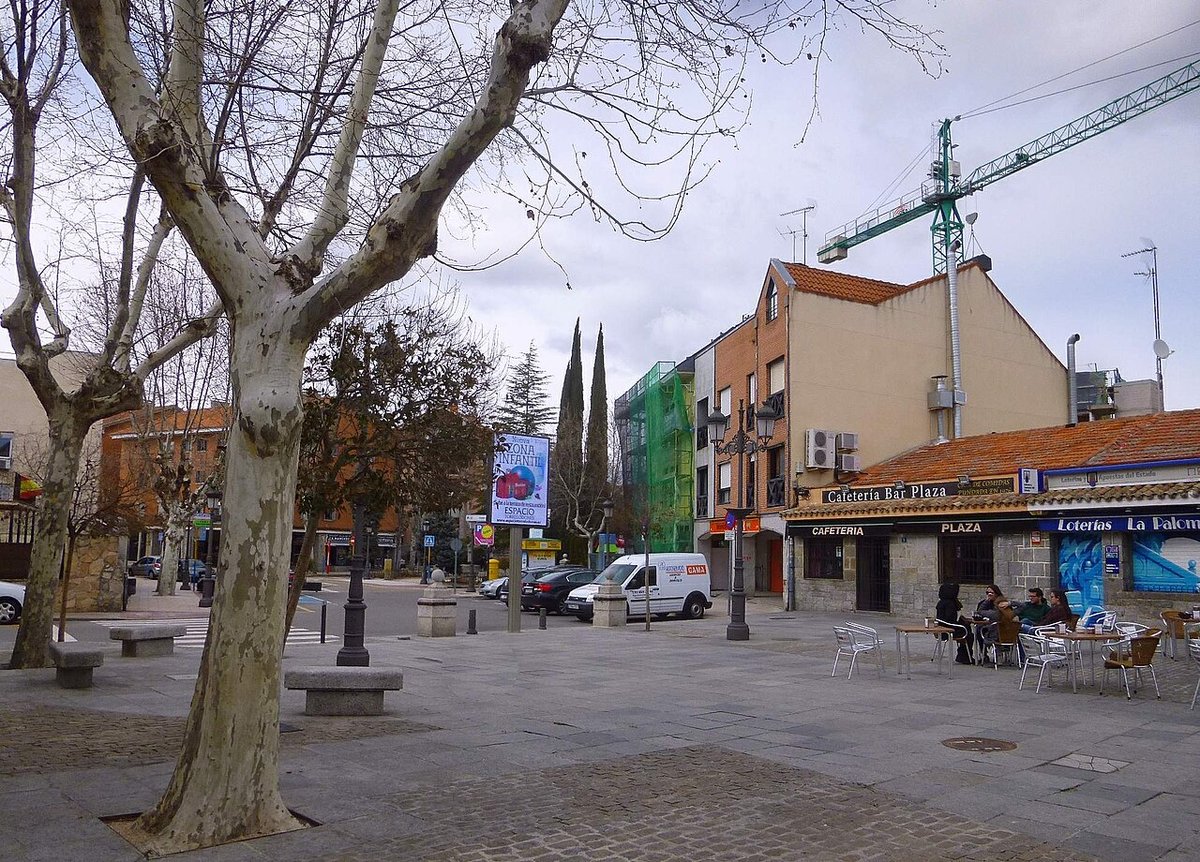
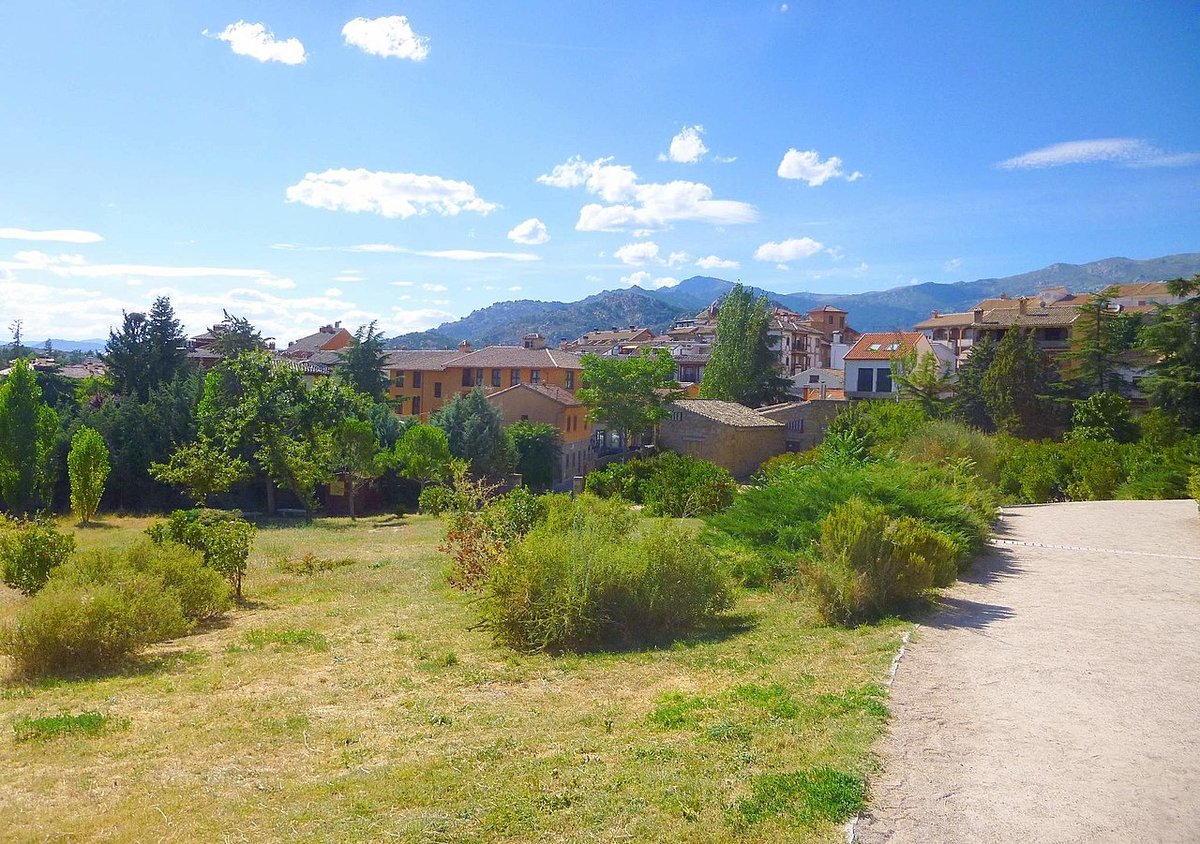
Lo primero que ves al llegar puede sorprenderte. No es un pueblo pulido ni sacado de una postal. Comparte el carácter de muchos pueblos serranos de Madrid: casas de granito, calles con cuesta y bares donde el café con leche te puede llegar en vaso.
Pero algo funciona aquí. Quizás sea que el sitio nunca ha intentado reinventarse ni montar un espectáculo. Lleva décadas siendo simplemente el lugar al que viene la gente de Madrid a respirar aire que no huele a tráfico.
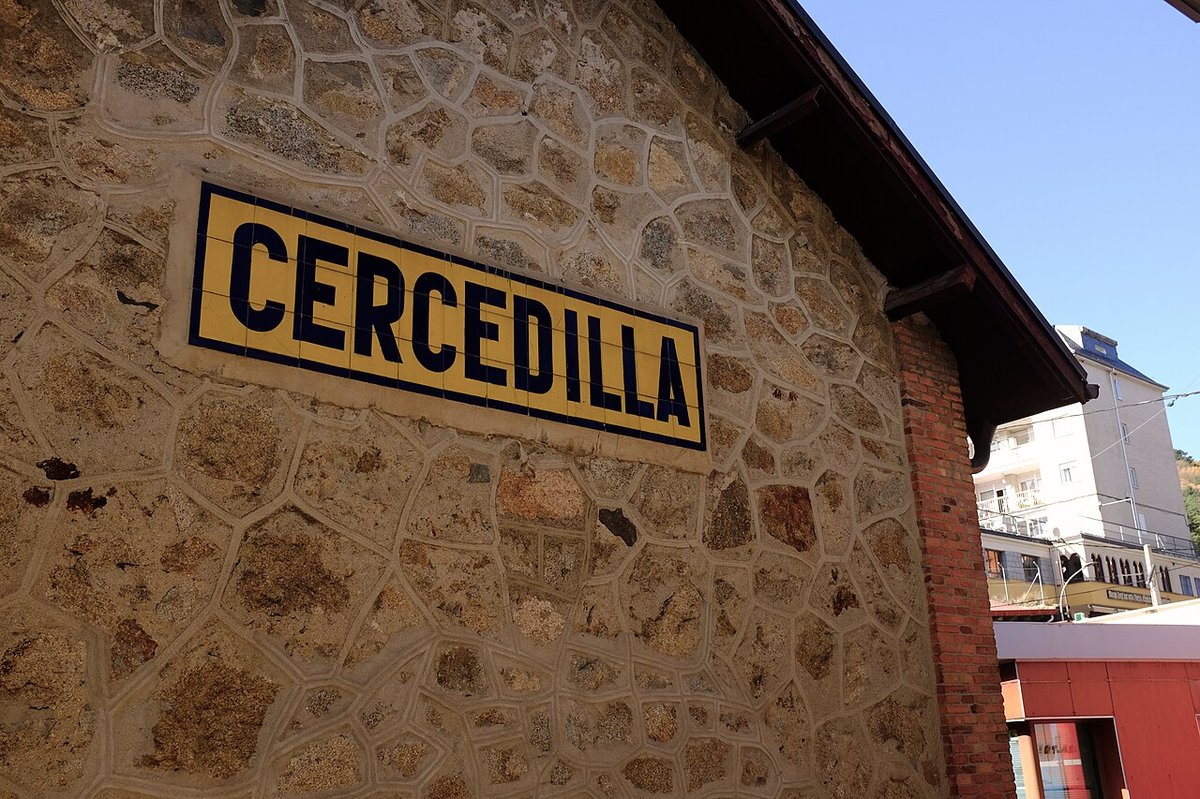
La estación lo resume bien. No es especialmente bonita, y no lo disimula. Es funcional. El ferrocarril llegó a finales del siglo XIX y desde entonces no ha parado de traer visitantes. Senderistas, familias y, en invierno, gente arrastrando trineos pasan por aquí. Aún hoy, el tren sigue siendo una de las formas más sensatas de llegar.
Por donde pasaban los romanos
La Calzada Romana de la Fuenfría es uno de esos sitios que te recuerda sin aspavientos lo llevados que están estos montes cruzados por personas. Lleva siglos ahí, subiendo hacia el puerto por mitad del pinar.
No hace falta recorrerla entera para pillarlo. Con un tramo corto basta para fijarte en cómo colocaron las piedras y cómo buscaron la pendiente más llevadera. Los romanos sabían moverse por aquí.
El camino serpentea entre pinos silvestres y algún claro. Si el día está despejado, la vista se abre hacia el sur, donde empieza la llanura madrileña; eso dicen los carteles al menos. A menudo la sierra tiene otros planes y todo desaparece tras la niebla.
Comer bien para andar más
Cercedilla es un sitio donde andar y comer van juntos. Hay bastantes sitios para sentarse a tomar algo caliente después del paseo, y se nota que buena parte del pueblo vive también del que sube a pasar el día.
La comida va acorde con el frío: platos contundentes para después del monte como sopa castellana o judiones estofados; carnes a la brasa; guisos lentos para calentarse por dentro y bajar un cambio.
Es normal entrar en un comedor con las botas húmedas sin llamar demasiado la atención. Te sientas, comes, y le das cuerda al tiempo con otro café mientras miras por la ventana a ver si ha despejado antes de salir otra vez.
Un paseo tranquilo junto al río
La Senda Ecológica (que antes llamaban Senda de los Poetas) suena a excursión escolar porque básicamente lo es: un paseo corto y bastante llano junto al río Guadarrama entre pinos y praderas abiertas.
Por el camino hay paneles con versos escritos por gente vinculada al pueblo como Luis Rosales quien pasó aquí muchos veranos durante décadas . No esperes miradores espectaculares ni paisajes grandiosos aquí .
Ofrece otra cosa: un paseo sin prisa donde marcas tú mismo ritmo escuchando correr agua mientras paras cada tanto leer unos versos antes seguir adelante .
Nombres conocidos entre pinos
A Cercedilla siempre han venido nombres conocidos huyendo calor veraniego madrileño . Santiago Ramón Cajal , científico premio Nobel , estuvo aquí cuando sierra era refugio habitual ciudad .
También aparece mucho nombre Francisco Fernández Ochoa campeón olímpico esquí vivió pueblo toda vida vinculado estación Navacerrada tradición esquí zona .
Joaquín Sorolla también pintó aquí igual otros artistas científicos principios siglo XX atraídos aire fresco ritmo tranquilo .
Cómo sacarle partido sin complicarse
Si puedes venir tren mejor . Te evitas atasco carretera Navacerrada fin semana te baja andando centro mismo .
Entre semana cambia completamente : sendas vacías pueblo recupera ritmo normal menos punto salida excursiones más sitio donde vive gente todo año .
Tampoco hace falta convertir visita prueba resistencia física . Aquí basta caminar hora sentarse comer caliente coger tarde tren vuelta . Así tiene más sentido monte muchas veces : sin convertir cada salida desafío personal .