Full Article
about Colmenarejo
Quiet town near the Valmayor reservoir; perfect for walks and nature.
Hide article Read full article
First light in the valley
The bells of the church of Santiago Apóstol ring out at seven in the morning, before the sun has had time to warm the stone. From the square, the mist in the valley of the Aulencia begins to lift slowly, as if a damp blanket were being shaken out. To understand Colmenarejo, it helps to start at this hour: streets almost empty, the odd shutter opening, and the distant sound of a car starting up.
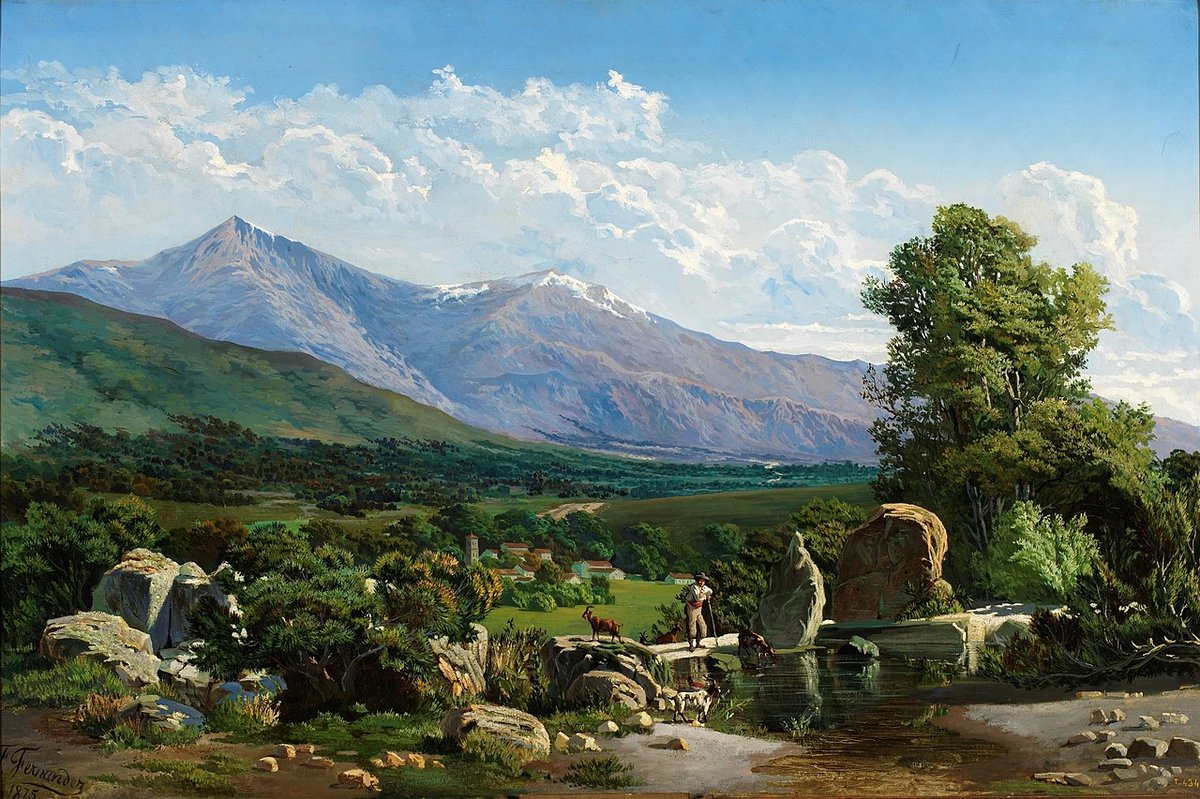
There is little rush. Movement is gradual, and the village seems to wake in stages. The light arrives gently over the low hills, revealing a landscape shaped by pastureland and open ground. Even near the centre, the sense of space remains.
The scent of dehesa and the sound of water
Walking along the path through the canyon of the Aulencia river feels like stepping into a corridor of shade. Ash and alder trees block much of the light, letting it fall in thin streaks across the ground. In summer, the river often runs low, yet the murmur of water is still there, mixed with the dry crunch of leaves underfoot.
Autumn brings a noticeable shift. The air smells of damp earth and fungi, and moisture clings to boots. The same path feels heavier, quieter, and more enclosed. Colours deepen, and the ground softens after the first rains.
The Valmayor reservoir appears suddenly between the hills, wide and still. From the shore on the Colmenarejo side, the water looks dark, with the slopes around El Escorial visible in the distance. At weekends, it is common to see fishermen set up from early on. During the week, the area is much quieter, especially first thing in the morning or towards evening, when the light fades and the water becomes almost flat.
Honey and open land
Around the outskirts of the village, beehives can still be seen scattered among holm oaks and low scrub. Beekeeping has long been part of life in this part of the Guadarrama basin, and some residents continue to maintain hives in the clearings of the dehesa. The dehesa is a traditional type of pastureland, with spaced-out trees and open ground used for grazing.
The honey produced in these hills tends to be dark and stronger in flavour than lighter floral varieties. At times it carries hints of thyme or rosemary, which grow among the rockrose. On hot days, when the air is still, the sweet scent of wax and propolis can be noticed even when passing near the fenced areas where the hives stand.
This connection between land and produce is quiet but persistent. It does not present itself loudly, yet it shapes the surroundings and the rhythm of the seasons.
Stone and daily life in the square
Inside the church of Santiago Apóstol, the temperature remains cool even in summer. The smell of wax and aged wood is immediate, and the noise from outside disappears as soon as the door closes.
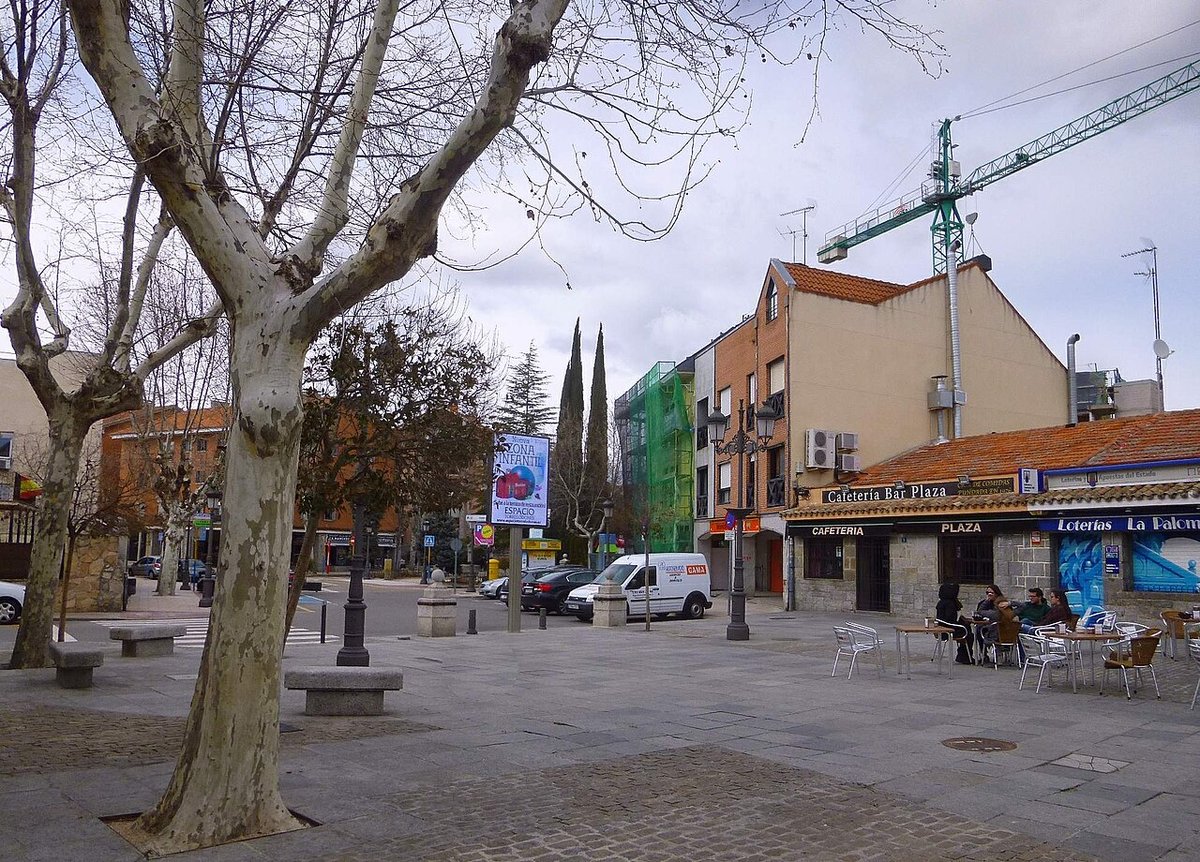
In the square, several stone basins known as the Pilas del Navazo are still in place. For centuries, they served as watering troughs for livestock and for animals travelling along the route towards the mountains. Water continues to run through them in a steady thread. Around them, the present-day scene unfolds with parked cars and residents crossing the square without paying them much attention.
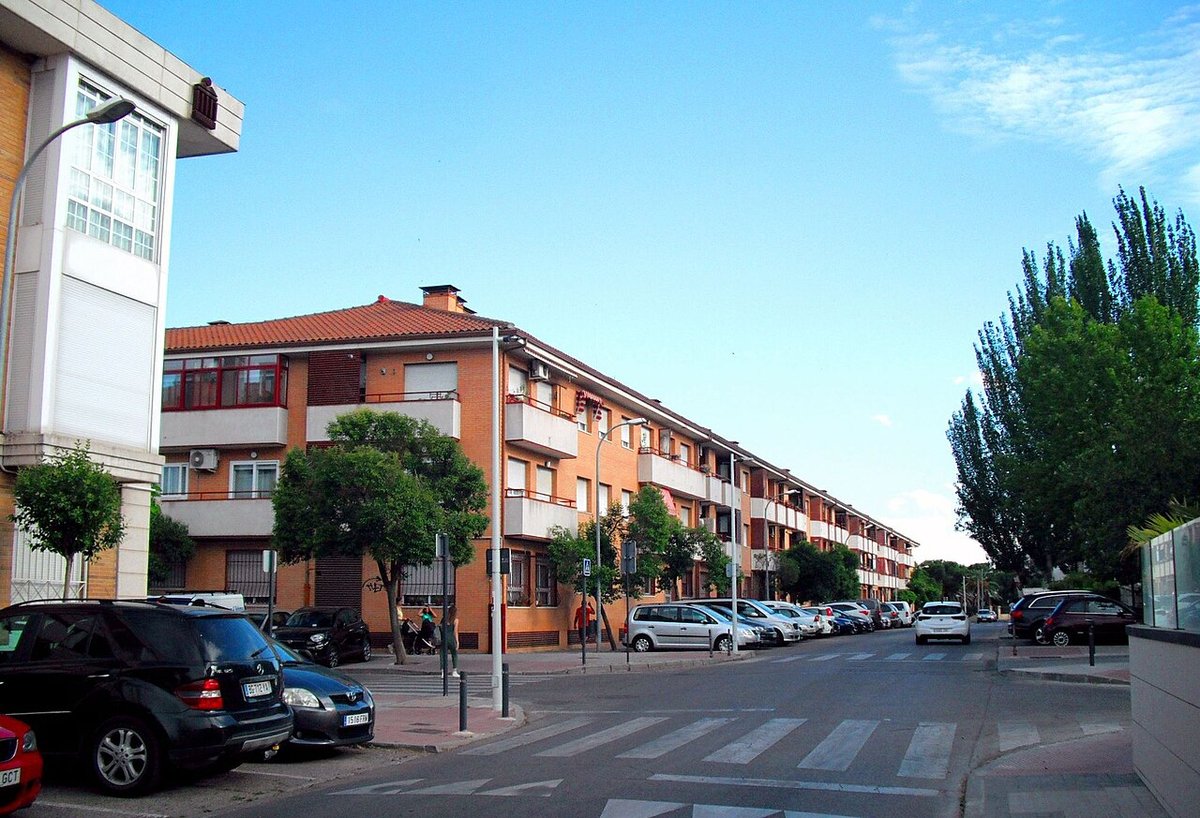
A few minutes away, the campus of the Universidad Carlos III comes into view. Glass and concrete buildings shift the appearance of the landscape quite suddenly. During the week, the village fills with students moving back and forth with purpose. By late afternoon, as activity drops, Colmenarejo returns to a slower pace.
Food that follows the seasons
In some homes, the tradition of roasting cochinillo, suckling pig, in a wood-fired oven is still kept alive, especially for family gatherings or special occasions. The skin becomes thin and crisp, while the meat stays tender if the cooking has been handled with care and patience.
Winter brings different meals. Cocido madrileño, a hearty stew typical of Madrid, appears on tables more often, the kind of dish that encourages long conversations afterwards. Outside, the cold is dry and comes down from the Guadarrama, the sort that slips through sleeves when the wind picks up.
These dishes are tied to the time of year and to shared moments rather than to everyday routine. They appear when there is time to sit, eat slowly, and stay at the table.
When to come
October is often a good time to walk the paths around the village. The dehesa changes colour, and the ground begins to fill with leaves and mushrooms after the first rains.
In May, the open fields around Colmenarejo turn green, and the wind moves through the young wheat like water. The landscape feels more open, and the light lingers differently across the hills.
Those looking for quiet may prefer to avoid local festival days or some summer weekends, when more people arrive from nearby towns and the atmosphere becomes noticeably louder.
During the week, at dawn or just before sunset, the light softens and the village settles into near silence. This is when the surrounding landscape is most clearly felt: holm oaks, dirt paths, and gentle hills shaping the edges of Colmenarejo.