Full Article
about El Boalo
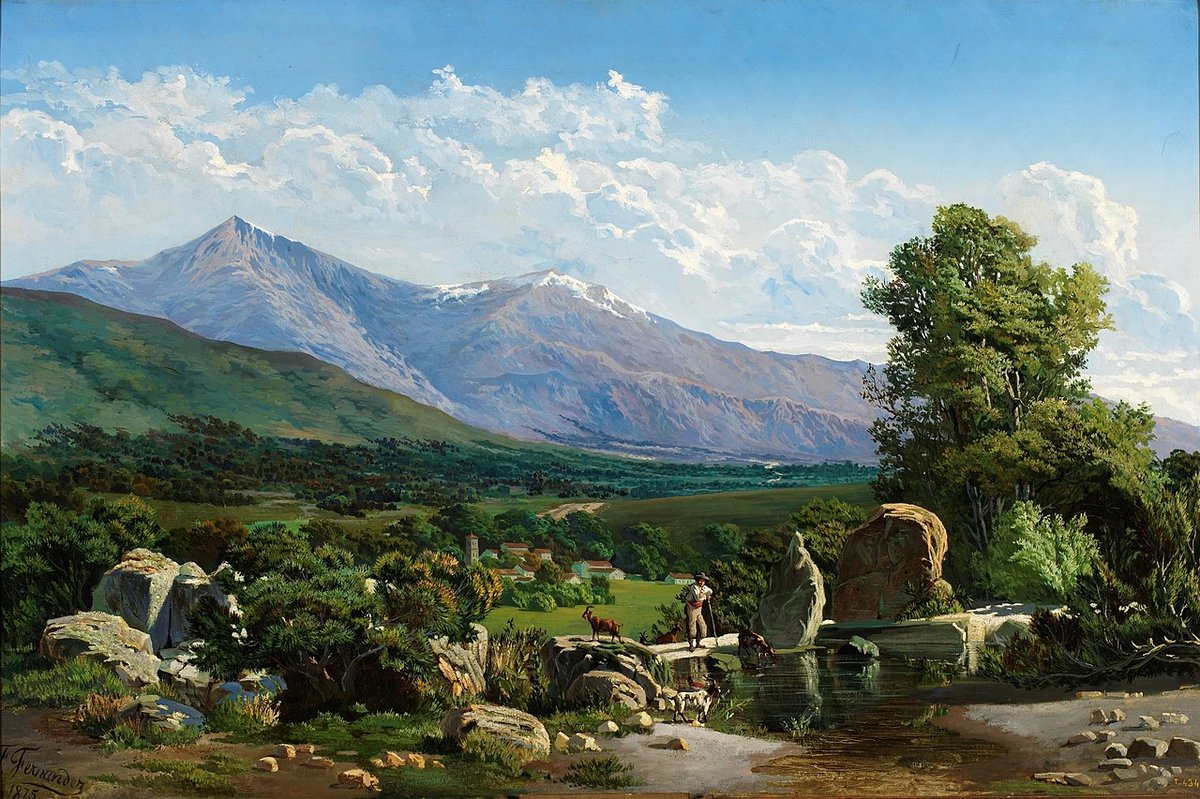
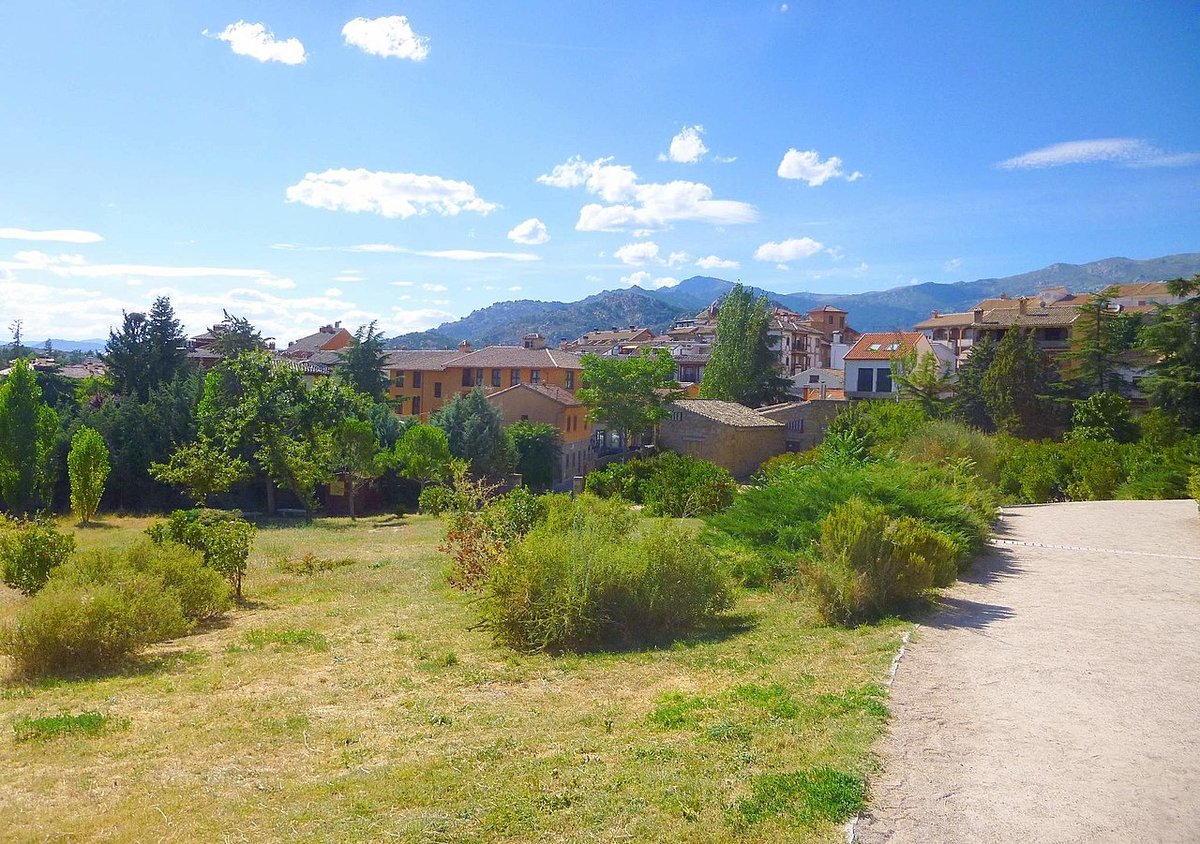
Municipality made up of three villages at the foot of La Pedriza; an excellent base for exploring the National Park.
Hide article Read full article
Where the air starts to change
There is a point on the M-607, after passing Colmenar Viejo, where the road begins to climb properly and something shifts. Madrid does not suddenly disappear, but the atmosphere feels different: more pine, less noise. That is when you realise you are entering El Boalo.
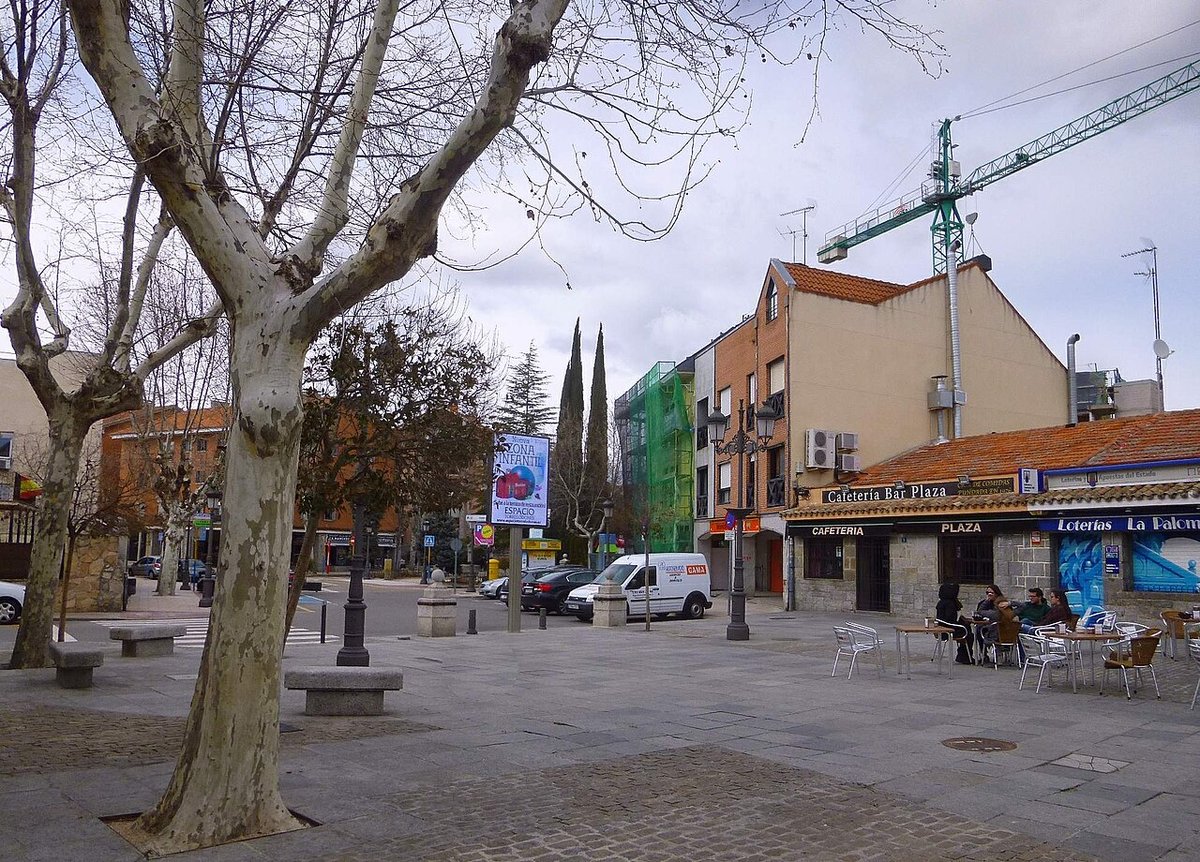
It sounds like a single place, yet it is actually three. El Boalo, Cerceda and Mataelpino sit so close together that on a map they look like parts of the same town, but each has its own square, its own church and its own way of doing things. Together they cover a broad stretch of mountain landscape, and once you start walking between them, the sense of distance changes.
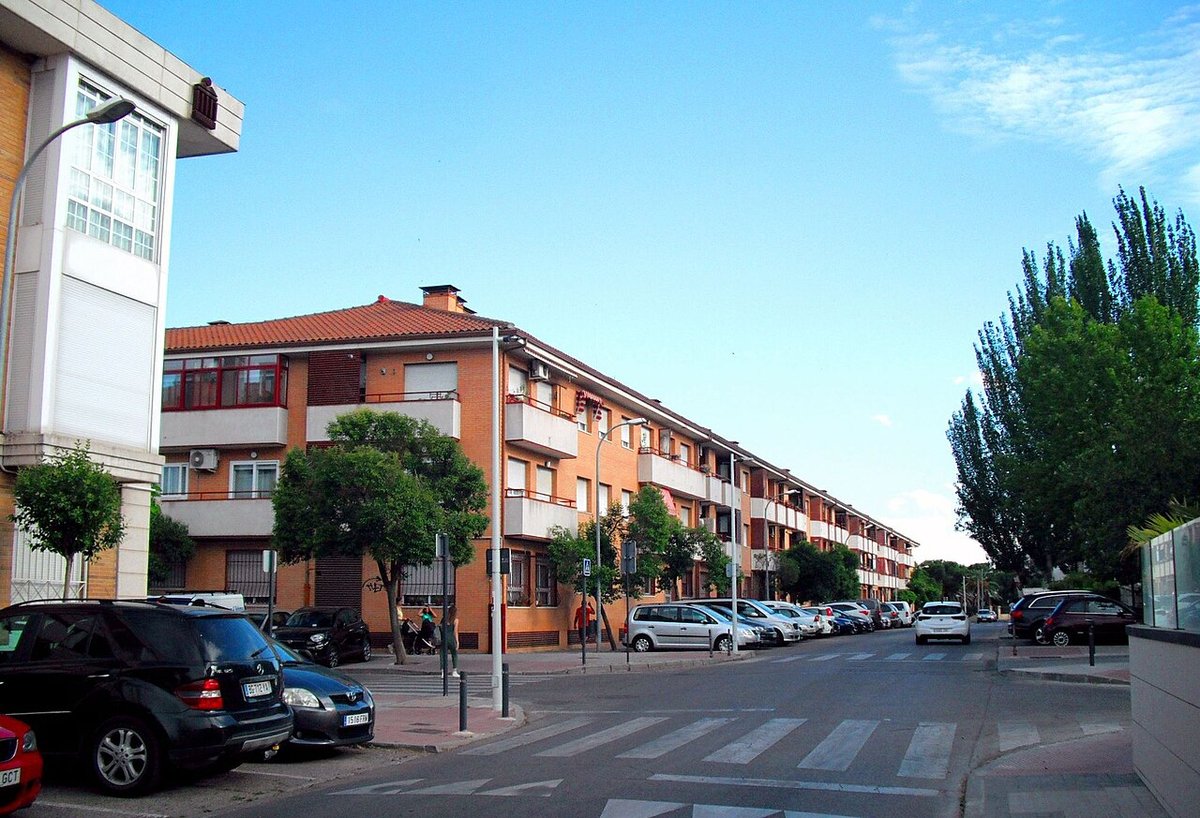
It is easy to arrive expecting a clear centre and end up circling around. There is no single hub. Instead, you move from one nucleus to another, sometimes on foot, sometimes by car, in the same way you might shift between neighbourhoods in a large district.
Granite underfoot and overhead
Granite defines this place. It is in the houses, the boundary walls, the benches in the square and scattered across the fields as if huge blocks had been dropped from above.
The quarries around Cerceda have been active for a long time and still play a role in the local economy. Lorries loaded with stone occasionally pass along the road. More than one major construction project in Madrid has used material from here, something locals mention with a mix of pride and resignation.
Near the old quarry sites, there are walking routes that pass remnants of extraction areas and buildings made from the same stone. Some of the semi-buried structures resemble very basic shelters, designed with practicality in mind rather than appearance: a granite wall, a slab on top, and that is enough. They may not look polished, but they last for decades without complaint.
Walking through these areas often means long stretches of quiet. It is possible to spend hours without seeing more than a handful of people, perhaps just a local passer-by who clocks yet another visitor setting out in fresh trainers.
Days of sheep and a rolling stone
In autumn, a day linked to transhumance, the seasonal movement of livestock, usually takes place. On that day, herds pass through the village and for a while the streets turn into an improvised drovers’ route. Anyone in a hurry will have to wait. The sheep move when they move, and everything else adjusts. It is a striking scene, especially given the short distance from Madrid.
Mataelpino has its own unusual tradition: the boloencierro. The concept is exactly what it sounds like. Instead of bulls, a large granite ball is released downhill while participants run ahead of it.
At first glance it seems absurd, and the instinct is to laugh. Then the size of the stone becomes clear and the mood shifts slightly. Locals describe it as more controlled than a traditional bull run, yet it still has that edge of unpredictability that draws a crowd.
Straightforward food from the sierra
Food here is not about presentation. It is about sitting down and eating well, without rushing.
Meat from the sierra has long had a strong reputation, particularly the large steaks known as chuletones. They arrive at the table with a yellowish fat that signals exactly what to expect. Questions about how well done the meat should be can raise eyebrows. There is a fairly clear idea locally of how it ought to be cooked.
Goat’s cheese is another staple. It is produced in a direct, unfussy way, using milk from herds that graze in the nearby dehesas, the open pastureland typical of central Spain. When people talk about this cheese, it does not come across as a product to be marketed but as something woven into everyday life.
Honey from the sierra is also easy to find. Heather honey, or miel de brezo, is often mentioned, with a stronger flavour than the lighter varieties many people are used to.
A route linking three ways of life
To understand how El Boalo, Cerceda and Mataelpino fit together, the best approach is to walk between them. A well-known path, the Ruta de las Villas, connects the three and passes viewpoints and tracks through open fields.
It is neither long nor demanding. The pace is gentle, and along the way the landscape shifts subtly from one village to the next. The churches appear as markers of each place: San Sebastián in El Boalo, Santa María la Blanca in Cerceda and Santa Águeda in Mataelpino. Within a relatively short distance, several centuries of history sit side by side.
Climbing towards one of the viewpoints, the valley opens up and the mountains of the sierra rise in the background. It is the kind of spot where people pause without planning to.
There is also a sense of connection between the three villages that becomes clearer the more time is spent moving between them. Each maintains its own rhythm, yet they overlap in daily life and especially during celebrations. As one local put it, each village has its own identity, but when the fiestas arrive, they come together.